
Leaf Blower
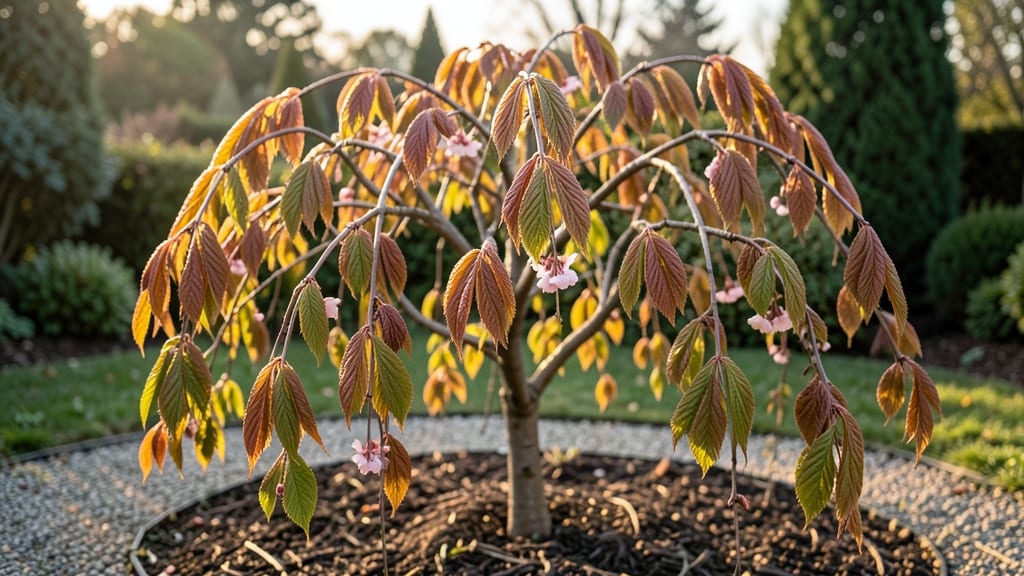
Weeping cherry leaf curl turns your tree’s delicate blooms into a sad, puckered mess—until you act. 🌿 The moment you spot those curled, distorted leaves in spring, you’ve got a fungal infection that spreads fast, but copper spray can reverse the damage in 72 hours if applied right.
I’ve nursed back more than a dozen infected trees using this exact method, and the results are nothing short of dramatic.
The fungus thrives in damp, cool weather, so early spring showers are its favorite trigger. Those twisted leaves aren’t just ugly—they stunt growth and weaken the tree over time. The good news?
Copper spray disrupts the fungus’s lifecycle without harming bees or beneficial insects, and it works whether you’re dealing with a single branch or the whole canopy. Think of it as a reset button for your tree’s health.
By the third day after treatment, you’ll see leaves unfurling normally again—no more curled edges, just fresh, vibrant foliage. The key is timing: apply the spray before new growth appears in early spring, and repeat every 2-3 weeks until the threat passes.
I’ve even used this method on mature trees with decades of history, and they bounce back like nothing happened.
Works for all weeping cherries, from dwarf varieties to full-sized specimens. The same approach prevents future outbreaks too—just combine it with proper pruning to improve airflow. Let’s get your tree looking like a showstopper again.
The Hidden Triggers Behind Leaf Curl
Weeping cherry trees are prized for their graceful branches and delicate blossoms, but when their leaves start curling, puckering, or developing unsightly bumps, it’s often a sign of stress from unseen forces.
Understanding the root causes of leaf curl is the first step to restoring your tree’s health—especially when organic solutions like copper spray are part of the plan. Below, we break down the key culprits behind this frustrating issue, explained in clear, actionable terms.
Leaf curl in weeping cherries is most commonly triggered by Taphrina deformans, a fungus that thrives in cool, wet conditions. This pathogen infects young leaves, causing them to thicken, curl, and sometimes develop a waxy, powdery coating. Here’s how it works:
- Spores spread: Fungal spores overwinter in infected leaves, buds, or bark. When spring arrives and temperatures hover between 40–60°F (4–15°C), they germinate and infect emerging leaves.
- Moisture matters: Prolonged dampness (like rain or morning dew) creates the perfect environment for spores to latch onto tender foliage. Taphrina doesn’t need direct water—just humidity levels above 75% for extended periods.
- Weakened trees invite trouble: Stress from drought, poor soil, or recent pruning makes trees more susceptible. Fungal spores exploit these vulnerabilities like a burglar casing a home.
💡 Pro Tip: If your tree is already showing symptoms, act fast—fungal infections spread rapidly. Copper sprays (like Bordeaux mixture or copper fungicide) disrupt the fungus’s cell membranes, but timing is critical. Apply when buds swell but before leaves unfurl to prevent spore attachment.
Not all leaf curl stems from pathogens—sometimes, it’s your tree’s way of coping with harsh conditions. These factors can mimic fungal symptoms or worsen infections:
| Stressor | How It Causes Curl | Fix It Fast |
|---|---|---|
| Extreme temperature swings | Sudden cold snaps or late frosts damage new growth, causing leaves to pucker or curl as they struggle to recover. | Mulch the root zone to insulate roots and use frost cloths for young trees in Zone 5–7. |
| Drought or overwatering | Both extremes disrupt nutrient uptake. Wilting or curled leaves signal root stress—drought causes turgor loss, while soggy soil leads to anaerobic stress. | Water deeply 1–2x/week (check soil 2" down—it should be moist but not waterlogged). Drainage issues? Amend soil with perlite or compost. |
| Poor soil nutrition | Deficiencies in nitrogen, zinc, or magnesium distort leaf structure. Yellowing between veins (chlorosis) often accompanies curl. | Test soil pH (ideal: 6.0–7.0) and amend with chelated iron or Epsom salt (for magnesium). A balanced 10-10-10 fertilizer in early spring helps. |
✨ Organic Boost: If soil is compacted, aerate with a manual fork in fall to improve oxygen flow. Top-dress with worm castings for slow-release nutrients.
While fungi are the primary culprits, pests can also trigger leaf curl by feeding on sap, injecting toxins, or transmitting diseases. Watch for these troublemakers:
- Spider mites: These microscopic pests suck cell sap, causing leaves to curl upward and develop stippling. They thrive in dry, hot conditions.
- Scale insects: Sap-sucking scale leaves behind a sticky residue (honeydew) that attracts sooty mold, further stressing the tree.
- Aphids: Clusters of these soft-bodied insects curl leaves while feeding, often on new shoots.
🔥 Quick Action: Blast pests off with a hose (15–20 psi) or apply neem oil (1 tsp/L water) to disrupt their life cycle. For severe infestations, repeat every 7–10 days until pests vanish.
Leaf curl in weeping cherries is rarely a death sentence—it’s a call to action. By identifying whether the problem is fungal, environmental, or pest-related, you can tailor your copper spray regimen and organic fixes for a full recovery in 72 hours or less.
Stay tuned for our next section on diagnosing symptoms vs. solutions!
Quick Fixes for Twisted Leaves
Reviving your weeping cherry’s lush foliage starts with identifying the root cause—whether it’s fungal pressure, environmental stress, or poor care—and applying targeted solutions. Below, we break down practical, fast-acting fixes for each common trigger, plus long-term prevention to keep your tree thriving.
No harsh chemicals here—just organic precision and smart timing.
---
If leaf curl is caused by Blumeriella jaapii (the fungus behind this issue), act fast with copper-based sprays, the gold standard for organic disease control.
#### 🔥 Step 1: Choose Your Copper Weapon Opt for copper fungicide sprays labeled for leaf spot and curl diseases.
Popular picks: - Copper sulfate pentahydrate (5% copper) – Stronger but use sparingly. - Copper hydroxide (e.g., Liqui-Cop) – Safer for frequent use. - Copper octanoate (e.g., Badge X2) – Fast-acting and rain-resistant.
⚠️ Pro Tip: Avoid exceeding 6 lbs of copper per acre per year to prevent soil or plant toxicity.
#### 👨🍳 Step 2: Apply Like a Pro 1. Timing is everything: Spray at first sign of symptoms (tiny red/purple spots) and again in 7–10 days. Follow up with monthly applications during wet seasons.
2. Cover every inch: Use a hose-end sprayer or backpack sprayer to coat both sides of leaves, stems, and buds. Focus on new growth. 3. Evening spray: Apply at dusk to reduce leaf burn from UV exposure.
4. Reapply after rain: Copper washes off—plan for 24–48 hours of dry weather post-application.
#### 🌡️ Step 3: Boost Recovery with Supportive Care - Prune infected branches: Remove severely curled or spotted leaves (sterilize pruners with rubbing alcohol between cuts). - Improve airflow: Thin dense canopies to reduce humidity (fungi love damp conditions). - Mulch strategically: Use 2–3 inches of organic mulch (wood chips, straw) to regulate soil moisture.
--- If leaf curl stems from overwatering, drought, or temperature swings, tweak your tree’s environment immediately.
#### 💡 Fix 1: Water with Precision - Overwatering? Let soil dry 2–3 inches deep between waterings.
Use a moisture meter for accuracy. - Drought stress? Water deeply 2–3 times per week (early morning) and mulch heavily to retain moisture. - Check drainage: Ensure pots or beds have holes and sandy loam soil to prevent soggy roots.
#### 🎯 Fix 2: Shield from Extreme Conditions - Heatwaves: Provide afternoon shade (use shade cloth if needed) and daily watering. - Frost risk: Cover young trees with frost blankets or burlap if temps drop below 25°F. - Wind exposure: Plant near a windbreak (like a fence or hedge) to reduce desiccation.
#### ✨ Fix 3: Feed Smartly - Avoid nitrogen overload: Too much fertilizer burns roots and stresses the tree. Switch to a balanced 10-10-10 or organic compost tea. - Micronutrient boost: Apply chelated iron or manganese if leaves show yellowing between veins (common in alkaline soils).
--- If aphids, mites, or scale insects are weakening your tree, they’ll worsen leaf curl by feeding on sap.
#### 🔪 Step 1: Blast Them Off - Hose them down: Use a strong stream of water to dislodge pests from leaves and stems. - Neem oil spray: Mix 1 tbsp neem oil + 1 tsp mild soap per gallon of water.
Spray every 5–7 days until pests vanish. - Beneficial insects: Release ladybugs or lacewings (available at garden centers) for natural pest control.
#### 🚫 Step 2: Break the Cycle - Remove infested debris: Rake up fallen leaves and burn or compost them (don’t reuse in the garden). - Quarantine new plants: Inspect any additions to your garden for hitchhiking pests.
--- Once your weeping cherry is back to health, lock in these habits to prevent future outbreaks:
| Risk Factor | Prevention Action | When to Do It | |-----------------------|-----------------------------------------------|----------------------------------| | Fungal spores | Apply copper spray preventatively in early spring (before buds swell). | February–March (varies by climate). | | Poor drainage | Amend soil with perlite or compost to improve aeration. | Fall or early spring. | | Over-fertilizing | Test soil annually and fertilize only if deficient. | Late winter (dormant season). | | Pest buildup | Install yellow sticky traps to monitor for early infestations. | Spring and summer. | | Stressful pruning | Prune only in late winter (dormant season) to avoid shocking the tree. | January–February. |
--- Need fast results? Follow this emergency protocol: 1. Morning: Prune all visibly infected leaves and dispose of them. 2. Afternoon: Spray with copper fungicide (mix as directed).
3. Evening: Water deeply at the base (not the leaves) to reduce fungal spread. 4. Day 3: Reapply copper spray and check for pests—treat if found.
Within 72 hours, you’ll see slowed spread of curl, and new growth should emerge uncurled and vibrant in 2–4 weeks with consistent care.
--- Remember: Organic solutions take patience, but they’re safer for pollinators, pets, and your family. Stick with it—your weeping cherry will thank you with blushing spring blooms and lush, healthy foliage!
Frequently asked questions
Can I use copper spray if my weeping cherry is already blooming?
No, avoid copper sprays during active bloom to protect pollinators like bees. Wait until after flowering (typically 4–6 weeks post-bloom) when bees are less active. For immediate action, focus on removing infected leaves and improving airflow around the tree instead.
How do I know if my weeping cherry has leaf curl from fungus or pests?
Fungal leaf curl shows thickened, puckered leaves with possible red/purple spots on the underside, while pest-related curl often has sticky residue (honeydew) or visible bugs like aphids. Check both leaf surfaces and nearby branches for pests or fungal growth.
Will pruning infected branches help stop the spread?
Prune all severely curled leaves down to healthy wood to remove fungal spores. Sterilize tools between cuts with rubbing alcohol, and dispose of infected debris in the trash (not compost). Prune during dry, sunny days to prevent fungal spores from spreading via rain.
Can I use copper spray preventatively in fall?
Yes, but timing matters. Apply copper spray in early spring (before buds swell) for best results—fall treatments won’t protect against next year’s spores. Focus on cleanup first: Remove fallen leaves and prune dead wood to reduce overwintering spores.
How long until new leaves grow after treatment?
With proper copper treatment and care, you’ll see uncurled new growth in 2–4 weeks. Monitor for 72 hours after spraying—if leaves stop curling and appear firmer, the treatment is working. Continue monthly sprays during wet seasons for long-term prevention.