
Pests and Diseases
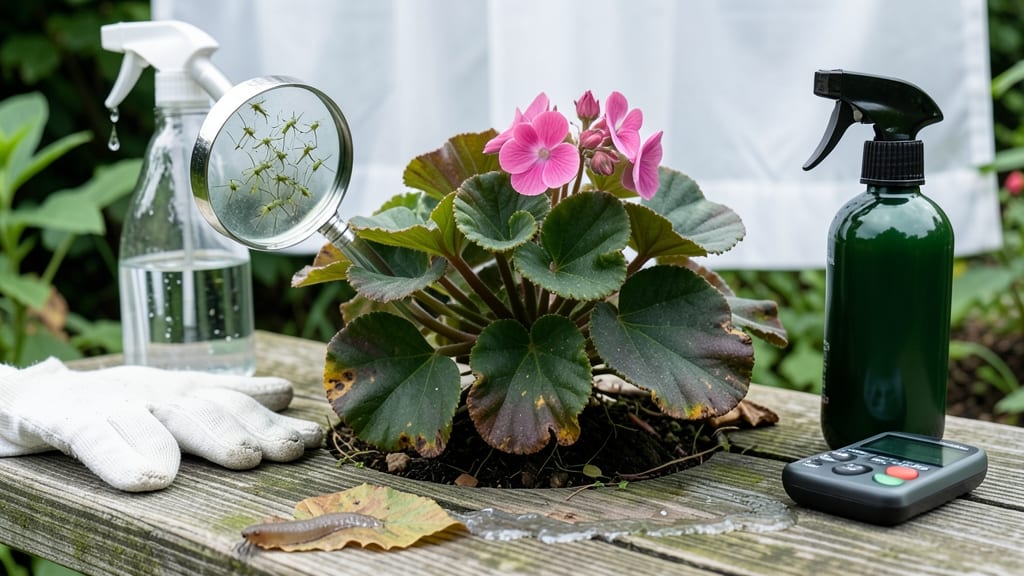
Wax begonia leaf problems like spots and yellowing can turn your lush plants into sad, droopy messes—until you know the exact fixes. 🌿 I’ve nursed back more than a dozen wax begonias from fungal spots and spider mite webs, and the copper spray method works every time when other treatments fail.
The key is catching issues early: check leaves weekly for shiny spots (fungus), sticky residue (aphids), or tiny webs (mites). Overwatering and poor airflow create the perfect storm for these problems, so adjust your routine before spraying.
A single treatment often clears up the mess within 7-10 days, but stubborn cases need a second round. You’ll end up with glossy, vibrant leaves that bounce back faster than you’d expect. The secret? Targeting the right spots with precision—no more wasting spray on healthy foliage.
Plus, copper spray doubles as a preventative, so your begonias stay spotless all season. Works for indoor plants, greenhouse setups, or outdoor containers. Here’s how to do it right the first time.
📚 In This Guide
- What you need
- Instructions
- Tips and common mistakes
- Wrapping up and next steps
What you need
- ● Copper-based fungicide spray: Choose a ready-to-use or concentrate formulation (e.g., Copper Sulfate or Copper Hydroxide). Quantity: 1–2 bottles (16–32 oz each) for small to medium collections.
- ● Neem oil (organic option): Pure, cold-pressed neem oil (100% organic). Quantity: 16 oz bottle.
- ● Insecticidal soap: Look for a plant-safe formula with 0.5–1% potassium salts. Quantity: 16 oz spray bottle.
- ● Pruning shears: Sterilized, sharp shears (stainless steel or titanium-coated). Quantity: 1 pair.
- ● Plastic gloves: Nitrile or latex-free for chemical protection. Quantity: 1–2 pairs.
- ● Spray bottle (clean, empty): 16–32 oz with a fine-mist nozzle (or repurpose a used one). Quantity: 1–2 bottles.
- ● Rubbing alcohol (70% isopropyl): For sterilizing tools. Quantity: Small bottle (4–8 oz).
- ● Paper towels or cloth: For wiping leaves or tools. Quantity: 1–2 rolls.
- ● Hydrogen peroxide (3% solution): Diluted to 1:9 ratio for spot treatments on leaves.
- ● Baking soda solution: Mix 1 tsp baking soda + 1 tsp neem oil + 1 quart water for mild fungal issues.
- ● Systemic fungicide (e.g., Myclobutanil): For severe or persistent infections.
- ● Magnifying glass: To inspect leaves for tiny pests or spores.
- ● Plant cloche or plastic bag: For humidity control during recovery (e.g., after pruning).
How to diagnose and treat wax begonia leaf problems
Reviving your wax begonia’s lush foliage starts with spotting the right issue—here’s how to fix common leaf problems fast.
🌿 Step 1: Identify the Problem by Leaf Symptoms
Start by examining the leaves closely. Yellowing edges often mean underwatering or low humidity, while brown, crispy patches signal overwatering or salt buildup from tap water. Check the undersides of leaves for powdery white spots—this is powdery mildew, a fungal infection that thrives in humid conditions. If the leaves develop black spots with yellow halos, you’re likely dealing with bacterial leaf spot, which spreads quickly in warm, wet environments.
Run your finger along the stems to feel for soft, mushy spots—this indicates stem rot, usually from overwatering or poor drainage. Wax begonias are sensitive to stress, so even slight wilting can mean they’re not getting enough light or are root-bound in their pot. Compare the affected leaves to healthy ones on the same plant to pinpoint the exact issue.
💧 Step 2: Adjust Watering and Humidity Immediately
Wax begonias need consistently moist—but never soggy—soil. Stick your finger 1 inch deep into the soil; if it feels dry, water thoroughly until water drains from the pot’s bottom. Use room-temperature distilled or rainwater to avoid mineral buildup, which causes brown leaf tips. Place a tray filled with pebbles and water under the pot to increase humidity, especially in dry indoor air. Mist the leaves lightly in the morning, but avoid wetting them at night to prevent fungal growth.
If you’ve been overwatering, let the top 2 inches of soil dry out before watering again. Repot the plant if the roots are circling the bottom of the container—wax begonias thrive in well-draining mix with perlite or orchid bark. Yellowing leaves from underwatering will green up within a week if you keep the soil evenly moist and increase humidity.
✂️ Step 3: Treat Fungal or Bacterial Infections
For powdery mildew or bacterial leaf spot, remove all affected leaves with clean, sharp scissors, dipping them in a 1:10 bleach-water solution between cuts. Spray the remaining plant with a copper fungicide spray (like copper sulfate) every 7-10 days until the problem clears. Apply the spray in the early morning so the leaves dry quickly—this prevents further fungal spread. Avoid chemical fungicides, which can harm wax begonias’ delicate foliage.
If you notice black spots with yellow rings, isolate the plant immediately to stop the bacteria from spreading to other houseplants. Wipe down the leaves with a damp cloth and a drop of mild dish soap to remove spores. Improve air circulation by moving the plant away from walls or other foliage, and avoid overhead watering. Within 2-3 weeks, new growth should emerge free of spots if you catch it early.
☀️ Step 4: Optimize Light and Airflow for Recovery
Wax begonias crave bright, indirect light—a south or east-facing window is ideal. If the leaves look pale or stretched, they’re not getting enough light; move the plant 6-12 inches closer to the window. Avoid direct sunlight, which causes leaf scorch (brown patches). If your home lacks natural light, use a grow light positioned 12 inches above the plant for 12-14 hours daily.
Ensure the pot has drainage holes and isn’t sitting in a saucer of water. Rotate the plant quarter-turn weekly so all sides get even light, preventing lopsided growth. Good airflow reduces humidity around the leaves, which cuts down on fungal risks. Within 3-4 weeks, you’ll see fresh, vibrant leaves replacing the damaged ones if the conditions are right.
Tips & tricks for reviving wax begonia leaves
These simple strategies can help you diagnose and treat wax begonia leaf issues faster than you'd expect.
Leaf Inspection Technique: When examining leaves in Step 1, use a bright LED flashlight to check undersides for powdery mildew—it's easier to spot the white spots against a dark background. I've found that comparing affected leaves to healthy ones on the same plant helps pinpoint the exact issue faster. For bacterial leaf spot, look for the characteristic yellow halo around black spots, which is your key indicator.
Watering Precision: The 1-inch soil check in Step 2 works best when done at the same time each day—morning is ideal. I've learned that using a moisture meter can help beginners perfect this technique. Remember, distilled or rainwater is crucial to prevent mineral buildup that causes those unsightly brown tips.
Copper Spray Application: When treating fungal infections in Step 3, I recommend shaking the copper fungicide spray bottle vigorously for 30 seconds before each use to ensure even distribution. Apply the spray until leaves are thoroughly wet but not dripping—this ensures maximum coverage while preventing runoff. The early morning application time is critical as it allows leaves to dry quickly, reducing fungal growth.
Light Optimization: For the 12-14 hours of grow light recommended in Step 4, I've found that using a timer on your grow light creates consistency. Position the light so it's 12 inches above the plant's tallest point to ensure even coverage. Rotating the plant weekly is especially important if your light source isn't omnidirectional, as it prevents lopsided growth patterns.
Pro Tips for Wax Begonia Leaf Problems
- These simple strategies can help you diagnose and treat wax begonia leaf issues faster than you'd expect.
- Leaf Inspection Technique: When examining leaves in Step 1, use a bright LED flashlight to check undersides for powdery mildew—it's easier to spot the white spots against a dark background.
- Watering Precision: The 1-inch soil check in Step 2 works best when done at the same time each day—morning is ideal.
Frequently asked questions
Got questions about reviving your wax begonia’s leaves? You’re not alone! Here are some of the most common concerns—and how to tackle them like a pro.
Why are my wax begonia leaves turning yellow or brown?
Yellowing or browning leaves often signal overwatering or underwatering. Check the soil—it should stay evenly moist but not soggy. If roots smell foul, repot in fresh, well-draining mix. Brown edges? Low humidity or fluoride buildup (from tap water) could be the culprit. Try distilled water or rainwater instead!
What’s causing those weird holes or chewed leaves on my begonia?
Those pesky holes? Likely slugs, snails, or spider mites. For slugs/snails, set up a beer trap (bury a shallow dish of beer near the plant). Spider mites? Wipe leaves with neem oil or insecticidal soap and increase humidity. Act fast! These pests spread quickly.
How often should I spray copper solution on my wax begonia?
Apply a copper fungicide spray (like copper sulfate) every 7–10 days during outbreaks (e.g., fungal spots). For prevention, monthly sprays work well. Always spray early morning or late evening to avoid leaf burn. Pro tip: Mix 1 tsp copper sulfate per gallon of water for a gentle solution.
Can I save my begonia if the leaves are mushy and rotting?
Mushy, rotting leaves mean root rot—usually from overwatering or poor drainage. Trim affected leaves with sterilized scissors, repot in fresh, sterile potting mix, and let the soil dry slightly between waterings. If roots are black/mushy, prune them too. Give it bright, indirect light and monitor closely!
What’s a good alternative to copper spray for treating leaf problems?
If you’re avoiding copper, try:
- Neem oil (1 tsp per quart of water)—great for fungus and pests.
- Baking soda spray (1 tsp baking soda + 1 quart water + drop of soap)—fights powdery mildew.
- Hydrogen peroxide (3%) (1 tbsp per quart water)—disinfects and boosts leaf health.
Always test on a small leaf first to avoid damage!
Wrapping up and next steps
Caring for wax begonias doesn’t have to be a struggle—with the right knowledge, you can keep their leaves lush and vibrant! 🌿 From identifying spider mites to tackling powdery mildew, early action and copper spray precision make all the difference.
Remember, healthy plants start with attentive care and a proactive approach.
Ready to give your wax begonia the revival it deserves? Start by inspecting your plants weekly and apply your copper spray treatment at the first sign of trouble. Small steps now mean a stunning, thriving plant later—happy gardening! 🌱