
Pests and Diseases
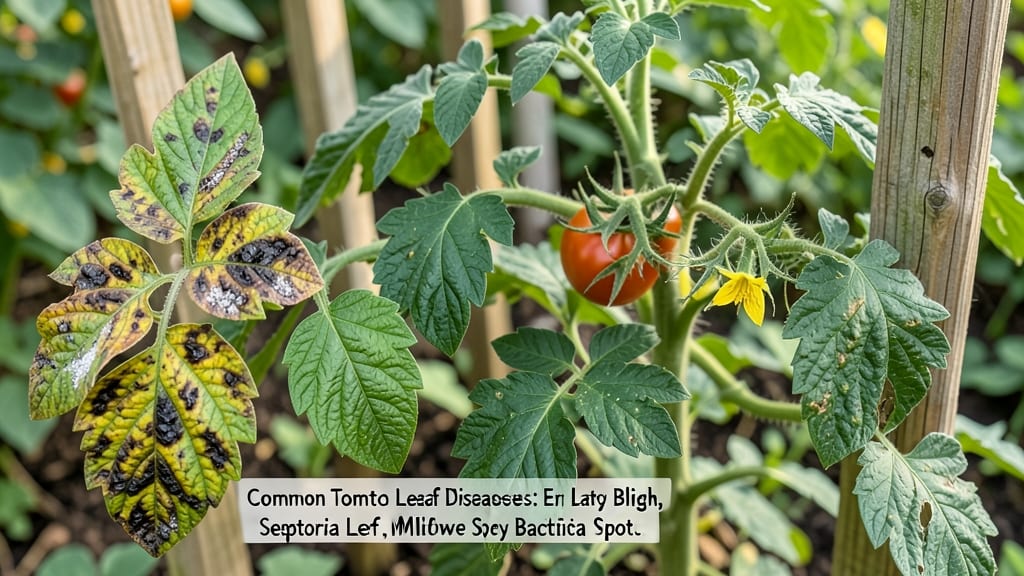
Spotting tomato leaf disease pictures early saves your harvest. 🌱 Those mysterious brown spots or white powder aren't just cosmetic—they're signs your plants are fighting for their lives. Without quick action, you could lose entire plants by midsummer, and I've seen it happen to even the most experienced gardeners.
Most fungal issues start with tiny specks that grow into larger lesions, often with yellow halos. Early blight shows up as concentric rings on lower leaves, while late blight creates greasy-looking spots that spread rapidly in damp weather.
Powdery mildew coats leaves in a white, flour-like dust that's impossible to miss once it takes hold.
With the right knowledge, you can catch these problems before they spiral. I'll show you exactly what to look for—no gardening degree required—and how to treat each issue organically or with targeted sprays.
The key is acting fast, because once the disease moves to the fruit, it's too late to save that harvest.
Whether you're dealing with a single affected plant or a full garden outbreak, this guide gives you the visual clues and action steps to protect your tomatoes. Prevention starts with proper spacing, watering at the base, and removing infected leaves immediately—simple habits that make all the difference.
Root Causes of Leaf Troubles
Tomato plants are the heart of many gardens, but their leaves can quickly become battlegrounds against unseen foes. Understanding why these diseases strike is the first step to protecting your crop.
Below, we break down the primary triggers—from microscopic invaders to environmental missteps—that turn lush green foliage into a patchwork of spots, blights, and decay.
Fungi are the #1 culprit behind tomato leaf diseases, thriving in warm, moist conditions. These organisms release spores that latch onto leaves, stems, or even soil, then spread like wildfire. Here’s how they exploit your plants:
- Overhead Watering 💦 Water droplets on leaves create a perfect fungal breeding ground.
Unlike roots, leaves aren’t designed to handle moisture, and splashing water spreads spores from the soil to foliage. Actionable fix: Water at the base of the plant (not overhead) and avoid evening watering when humidity peaks.
- Poor Air Circulation ⛈️ Fungi love stagnant, humid air. Crowded plants or dense foliage trap moisture, giving pathogens like Alternaria or Septoria a foothold. Actionable fix: Prune regularly to improve airflow, space plants 18–24 inches apart, and consider trellises to elevate leaves.
- Weakened Plant Defenses 🛡️ Stressed tomatoes (from drought, nutrient deficiency, or transplant shock) have lower resistance to fungal attacks. Actionable fix: Keep soil consistently moist (not soggy), fertilize with balanced NPK (10-10-10), and avoid sudden environmental shocks (like moving plants from shade to full sun).
Tomatoes crave warmth, but extreme or inconsistent weather turns conditions hostile. Here’s how climate swings invite disease:
- High Humidity + Warm Nights 🌤️ Ideal fungal growth occurs at 70–80°F with 90%+ humidity. Diseases like early blight and late blight explode in these conditions. Actionable fix: Use row covers in humid climates, mulch to regulate soil temp, or install a fan for gentle airflow in greenhouses.
- Sudden Temperature Drops 🥶 Cool nights (below 60°F) weaken tomato defenses, making them vulnerable to powdery mildew or leaf spot. Actionable fix: Choose heat-tolerant varieties (e.g., ‘Heatmaster’ or ‘Solar Fire’) and protect young plants with cloches or black plastic mulch to retain warmth.
- Excessive Rainfall 🌧️ Prolonged wetness washes away natural protective waxes on leaves, leaving them susceptible to Phytophthora (a water mold). Actionable fix: Improve drainage with raised beds or container growing, and avoid planting tomatoes in low-lying areas where water pools.
Healthy soil = healthy plants. But nutrient deficiencies or compaction create openings for disease. Here’s how to spot the red flags (literally):
- Nitrogen Deficiency 🍃 Yellowing lower leaves (a sign of nitrogen starvation) weaken the plant’s structural integrity, making it easier for fungi to invade. Actionable fix: Test soil pH (ideal: 6.0–6.8) and amend with compost or blood meal for a slow-release boost.
- Over-Fertilization with Phosphorus 💥 Too much phosphorus (common in bone meal) can suppress beneficial microbes, letting harmful fungi dominate. Actionable fix: Use a low-phosphorus fertilizer (e.g., fish emulsion) and rotate crops to prevent buildup.
- Compacted or Waterlogged Soil 🏗️ Poor drainage drowns roots, starving them of oxygen and inviting Fusarium or Verticillium wilt. Actionable fix: Loosen soil with organic matter (leaf mold, peat) and avoid heavy foot traffic near plants.
Some diseases don’t act alone—they team up with pests to accelerate decay.
For example: - Aphids or Spider Mites 🕷️ weaken leaves with their feeding, creating entry points for fungal spores. - Slugs & Snails 🐌 leave irregular holes that expose tissue to infection. Actionable fix: Introduce beneficial nematodes or neem oil sprays to control pests before they compromise your plants.
Fungal spores hibernate in old plant matter and cling to pruners, gloves, or stakes.
Reusing contaminated tools spreads disease like wildfire. Actionable fix: - Sterilize tools between plants with 70% rubbing alcohol or a 10% bleach solution. - Remove and destroy infected leaves/stems immediately (don’t compost them—burn or bag them). - Rotate crops every 3 years to starve soil-borne pathogens.
How to Fix Tomato Leaf Problems
Ailing tomato plants can be heartbreaking, but most fungal diseases are manageable with the right approach. Below are practical, step-by-step solutions tailored to common tomato leaf diseases, plus prevention tips to keep your garden thriving. 🌱💪
Signs: Brown, concentric rings on lower leaves; yellowing edges.
Fix It:
- 🍳 Prune & Toss – Remove infected leaves immediately (don’t compost them!). Use clean, sharp shears to avoid spreading spores.
- 👨🍳 Rotate Crops – Avoid planting tomatoes or potatoes in the same spot next year.
- 🥘 Copper Fungicide Spray – Apply every 7–10 days at the first sign. Mix 1 tbsp copper sulfate per gallon of water.
- ⏰ Mulch Smartly – Use straw or black plastic mulch to keep soil moist (but not soggy) and prevent spore splash.
💡 Pro Tip: Water at the base, never overhead—wet leaves = fungal buffet!
Signs: Dark, greasy spots on leaves; rapid wilting; white mold on undersides.
Fix It:
- 🔪 Emergency Pruning – Cut off all infected foliage and destroy it (burn or bag).
- 🌡️ Baking Soda Spray – Mix 1 tbsp baking soda + 1 tbsp vegetable oil + 1 tsp dish soap in a gallon of water. Spray every 5–7 days.
- 🎯 Fungicide Boost – Use a chlorothalonil-based fungicide (like Daconil) every 5–7 days for 2 weeks.
- ✨ Remove Debris – Clear old plant material from the garden bed to eliminate spores.
💡 Pro Tip: Late blight spreads fast—check plants daily during humid weather.
Signs: White, powdery coating on leaves; stunted growth.
Fix It:
- 🧼 Neem Oil Spray – Mix 1 tbsp neem oil + 1 tsp mild soap in a quart of water. Spray both sides of leaves weekly.
- 🌿 Improve Airflow – Space plants 18–24 inches apart; prune crowded branches.
- 💦 Water in the Morning – Avoid evening watering to let leaves dry quickly.
- 🔄 Resistant Varieties – Next season, try ‘Defiant’ or ‘Mountain Merit’ tomatoes.
💡 Pro Tip: Hydrogen peroxide (3%) spray (1 tbsp per quart of water) also works as a natural fungicide!
Signs: Tiny dark spots with yellow halos; holes in leaves.
Fix It:
- 🗑️ Sanitize Tools – Dip pruners in rubbing alcohol between cuts.
- 🍄 Fungicide Rotation – Alternate between copper fungicide and potassium bicarbonate spray (1 tbsp per gallon).
- 🌱 Crop Rotation – Wait 3 years before replanting tomatoes in the same spot.
- 🌞 Full Sun + Space – Ensure plants get 6+ hours of sunlight and avoid overhead watering.
💡 Pro Tip: Remove all fallen leaves—spores overwinter in debris!
- 🌱 Start Strong: Use disease-resistant seeds (look for “V” or “F” ratings).
- 💦 Water Wisely: Drip irrigation or soaker hoses > sprinklers.
- 🌿 Soil Health: Add compost to boost plant resilience.
- 🕵️ Monitor Daily: Check undersides of leaves for early signs.
Remember: The key is early action—most fungal diseases are easier to treat before they take hold. With these steps, your tomato plants will bounce back stronger than ever! 🍅🌟
Frequently asked questions
How can I tell if my tomato plant has early blight vs. late blight just by looking?
Early blight shows brown concentric rings (like bullseyes) on lower leaves with yellow edges. Late blight creates dark, greasy spots that spread rapidly—often with white mold on undersides. Check undersides of leaves first for these key differences!
Are there any organic sprays that work as well as chemical fungicides?
Yes! Neem oil (1 tbsp + 1 tsp soap per quart of water) and baking soda spray (1 tbsp baking soda + 1 tbsp oil + 1 tsp soap per gallon) are highly effective against powdery mildew and early blight. For late blight, rotate between copper fungicide and potassium bicarbonate for best results.
Why do some tomato diseases spread faster in humid weather?
Fungal spores thrive in 70–80°F temperatures with 90%+ humidity. Damp leaves create perfect breeding grounds, and spores spread via wind or splashing water. Use row covers or mulch to reduce moisture on leaves during humid spells.
Can I save a tomato plant if it already has fruit with disease spots?
If the fruit is already infected, it's best to remove it immediately—those tomatoes won't ripen safely. Focus on treating the leaves to prevent further spread. For late blight, act within 48 hours or risk losing the entire plant.
How do I know when to stop pruning infected leaves?
Stop when new growth appears healthy and you've removed all visibly infected foliage. Keep pruning only the affected areas—never healthy tissue—and always sterilize your tools between cuts with 70% rubbing alcohol.