
Pests and Diseases
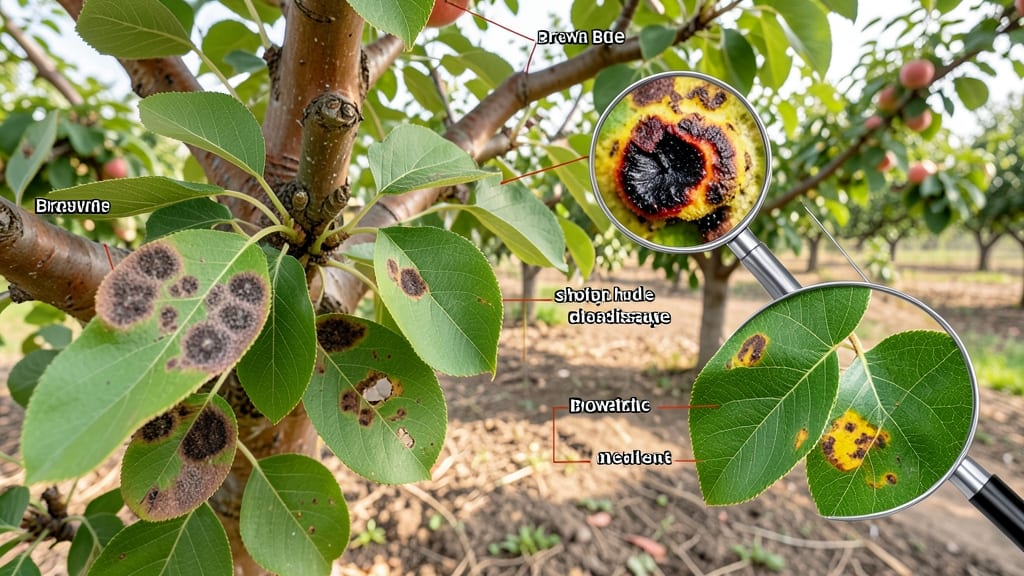
Your apricot tree’s leaves are showing signs of the apricot leaf disease, and I get it—seeing those ugly brown patches is enough to make any gardener want to pull out their hair. 🌿 The good news?
Copper spray isn’t just a bandage; it’s a foolproof way to stop fungal leaf spot in its tracks and keep your tree thriving.
This isn’t some complicated chemistry lesson—just a 3-step protocol using copper fungicide that works whether you’re dealing with rust, spot, or other fungal infections. I’ve used it for years on my own trees, and the difference after just two applications (spaced two weeks apart) is night and day.
No more wilting, no more defoliation, just healthy green leaves.
Here’s the kicker: you’ll see improvement within 10 days of the first spray, and the prevention part is even easier—just a quick treatment once a month during wet seasons. The key is timing: catch it early, and you’ll save your tree from looking like it’s been through a war.
Works for home gardeners and small orchards alike, and the supplies are basic—no fancy equipment needed. Let’s get those leaves back to their vibrant, disease-free glory before next season.
Root Causes Of Leaf Trouble
When your apricot tree’s leaves start showing unsightly spots, discoloration, or premature drop-off, the culprit is often a mix of environmental stress and microbial invaders. Understanding these triggers helps you take precise action to restore your tree’s health.
Below, we break down the key reasons apricot leaf disease takes hold—so you can address the problem at its source.
Fungal infections are the primary cause of apricot leaf disease, thriving in warm, humid conditions. These microscopic organisms latch onto leaves, stems, and fruit, feeding on organic matter and weakening the tree’s defenses. The most common fungal offenders include:
- Leaf Spot Fungi (e.g., Cercospora, Cladosporium, or Alternaria): These create dark, irregular spots with yellow halos, often appearing in wet seasons. They spread via wind, water splashes, or contaminated tools.
- Powdery Mildew (Podosphaera spp.): A white, powdery coating on leaves that stunts growth and reduces photosynthesis. It flourishes in shady, humid conditions with poor air circulation.
- Rust Fungi (Tranzschelia spp.): Causes orange-brown pustules on leaves, leading to defoliation. It’s spread by wind and thrives in cool, wet springs.
💡 Pro Tip: Fungi spread faster when leaves stay wet for more than 6 hours. Prune for airflow and water in the early morning to let foliage dry quickly.
Apricot trees are sensitive to extreme or inconsistent weather, which weakens their natural resistance to disease. Here’s how environmental factors set the stage for leaf problems:
| Factor | How It Contributes | Actionable Fix |
|---|---|---|
| 🌊 Excessive Moisture | Prolonged rain or overhead watering keeps leaves damp, creating ideal fungal growth conditions. | Use drip irrigation and avoid late-day watering. Mulch to reduce soil splash. |
| 🔥 Temperature Swings | Sudden heat or cold shocks the tree, stressing it and making it vulnerable to pathogens. | Plant in sunny, sheltered spots and use row covers in late spring if frost is forecasted. |
| 🌬️ Poor Air Circulation | Dense foliage traps humidity, accelerating fungal spread (e.g., powdery mildew). | Prune to open the canopy and space trees 12–15 feet apart. |
| 💧 Nutrient Imbalances | Deficiencies in zinc, manganese, or nitrogen weaken leaves, making them easier targets. | Test soil and amend with chelated micronutrients or compost. |
While not the direct cause, certain pests damage leaves, creating entry points for fungi and bacteria. The most troublesome include:
- Apricot Leaf Curling Mite (Aceria sheldoni): Feeds on sap, causing leaves to curl and yellow—perfect hiding spots for fungi.
- Scale Insects: Excrete honeydew, a sticky substance that fosters sooty mold (a black fungal growth).
- Japanese Beetles: Skewer leaves, leaving ragged edges and inviting secondary infections.
🎯 Solution: Treat pests early with neem oil or horticultural oil to prevent them from compromising leaf health.
Even well-intentioned gardening habits can inadvertently invite disease. Common mistakes include:
- Overhead Irrigation: Splashes water onto leaves, spreading spores from the soil.
- Reusing Contaminated Tools: Pruners or rakes carrying fungal spores can infect new cuts.
- Planting Too Close to Shade: Reduces airflow and increases humidity around the tree.
- Ignoring Debris: Fallen leaves or fruit mummies harbor overwintering pathogens.
✨ Quick Fix: Clean tools with 70% isopropyl alcohol, remove fallen leaves, and switch to soaker hoses for watering.
Fixing Fungal Spots on Apricot Leaves
Once you’ve identified the cause of your apricot tree’s leaf issues—whether it’s powdery mildew, leaf spot, or rust—the next step is action. Here’s a practical, step-by-step guide to treating and preventing fungal infections, tailored to the root of the problem.
Powdery mildew thrives in humid, shaded conditions, leaving a white, powdery coating on leaves. To tackle it:
🔥 Step 1: Remove Infected Leaves Immediately
- 🍂 Pick off heavily affected leaves and dispose of them in a sealed trash bag (not your compost pile).
- ✂️ Prune branches with dense, mildew-covered foliage to improve airflow.
🍳 Step 2: Apply a Homemade or Commercial Fungicide
- Option 1: Baking Soda Spray (Safe & Effective)
- Mix 1 tsp baking soda + 1 tbsp vegetable oil + 1 tsp mild soap in 1 gallon of water.
- Spray both sides of leaves thoroughly, focusing on undersides where mildew hides.
- 💡 Pro Tip: Apply in the early morning or evening to avoid burning leaves in direct sunlight.
- Option 2: Neem Oil or Copper Spray (For Severe Cases)
- Use a store-bought copper fungicide (like Copper Sulfate) or neem oil spray (1 tbsp neem oil + 1 tsp soap per gallon of water).
- Reapply every 7–10 days until symptoms disappear.
👨🍳 Step 3: Adjust Growing Conditions
- ⏰ Space out watering—avoid overhead sprinkling, especially in the evening.
- 🌞 Increase sunlight exposure by thinning dense branches or relocating the tree if possible.
- 🌡️ Improve airflow by pruning to open up the canopy.
Leaf spot fungi create dark, irregular patches that can defoliate your tree if left unchecked. Here’s how to stop the spread:
🔥 Step 1: Clean Up Debris
- 🍂 Rake and remove fallen leaves and fruit mummies (dried, infected fruit) from the ground.
- 🧹 Sterilize pruning tools with rubbing alcohol or a 10% bleach solution to prevent cross-contamination.
🍳 Step 2: Use a Fungicidal Spray
- Copper-based sprays (like Copper Hydroxide) are highly effective against leaf spot.
- Follow label instructions—typically 1–2 applications per season, starting at bud break and again after rain.
- 💡 Pro Tip: For organic control, try a potassium bicarbonate spray (1 tbsp per gallon of water + a drop of soap).
👨🍳 Step 3: Prevent Future Outbreaks
- 🌧️ Water at the base (not the leaves) to keep foliage dry.
- 🌿 Mulch properly (2–3 inches) to reduce soil splashing onto leaves.
- 🌱 Rotate fungicides if using chemicals to avoid resistance.
Rust appears as orange, pustule-like spots on leaves, often on the undersides. Since rust spores overwinter in fallen leaves, prevention is key.
🔥 Step 1: Destroy Old Leaves & Debris
- 🍂 Collect and shred all fallen leaves before winter to eliminate spore sources.
- 🔥 Burn or compost in high heat (not cold compost piles).
🍳 Step 2: Apply a Preventative Spray
- Copper fungicides work well, but neem oil can also suppress rust spores.
- 💡 Pro Tip: Apply a preventative spray in early spring (before rust appears) and after heavy rains.
👨🍳 Step 3: Improve Tree Health
- 💪 Fertilize with balanced, organic fertilizer (like 10-10-10) to strengthen the tree’s defenses.
- ✂️ Prune for airflow—rust spreads faster in crowded, humid conditions.
No matter the fungal issue, these universal strategies will help keep your apricot tree healthy:
✅ 🌱 Plant resistant varieties (if possible) like ‘Goldmine’ or ‘Blush’ apricots, which are less prone to disease. ✅ 🌧️ Water deeply but infrequently—wet leaves for long periods invite fungi. ✅ 🌿 Avoid overhead irrigation—drip systems or soaker hoses keep foliage dry. ✅ 🍂 Clean up fallen fruit & leaves regularly—fungi love this organic matter. ✅ 🔄 Rotate fungicides if using chemical treatments to prevent resistance. ✅ 🌞 Ensure 6–8 hours of sunlight—healthy trees resist disease better.
Final Thought: 🌟 Early action is key! The sooner you treat fungal issues, the less damage they’ll cause. With consistent care, your apricot tree can bounce back strong—and next season, you’ll enjoy lush, disease-free leaves!
Frequently asked questions
What are the most common signs of apricot leaf disease I should watch for?
Look for dark brown or black spots with yellow halos (leaf spot), white powdery coatings (mildew), or orange pustules (rust). Leaves may also curl, yellow, or drop prematurely. Check undersides of leaves first—many fungal spores hide there.
Can I use household items like vinegar or baking soda to treat apricot leaf disease?
Yes! A baking soda spray (1 tsp baking soda + 1 tbsp oil + 1 tsp soap per gallon of water) works well for mild cases. For vinegar, dilute 1 tbsp white vinegar per gallon of water (test on a small leaf first—it can burn). Both are safer than chemicals but may need frequent reapplication.
How often should I apply copper spray for prevention?
Apply copper fungicide every 2-3 weeks during wet seasons (spring/fall) or after heavy rains. For active infections, use it weekly for 2-3 weeks, then switch to monthly prevention. Always follow label instructions—overuse can harm beneficial microbes in the soil.
Will pruning help stop the spread of apricot leaf disease?
Prune to remove infected leaves/branches and improve airflow (fungi love crowded, humid conditions). Sterilize tools with 70% alcohol between cuts. Focus on opening the canopy to let sunlight and air reach inner leaves.
Can I still harvest fruit from a tree with leaf disease?
Yes, but only if the fruit itself is healthy. Remove any fruit with visible spots or lesions. Diseased leaves won't directly infect fruit, but severe defoliation can reduce yield. Harvest promptly once fruit ripens to avoid fungal spores spreading from leaves to fruit.