
Leaf Blower
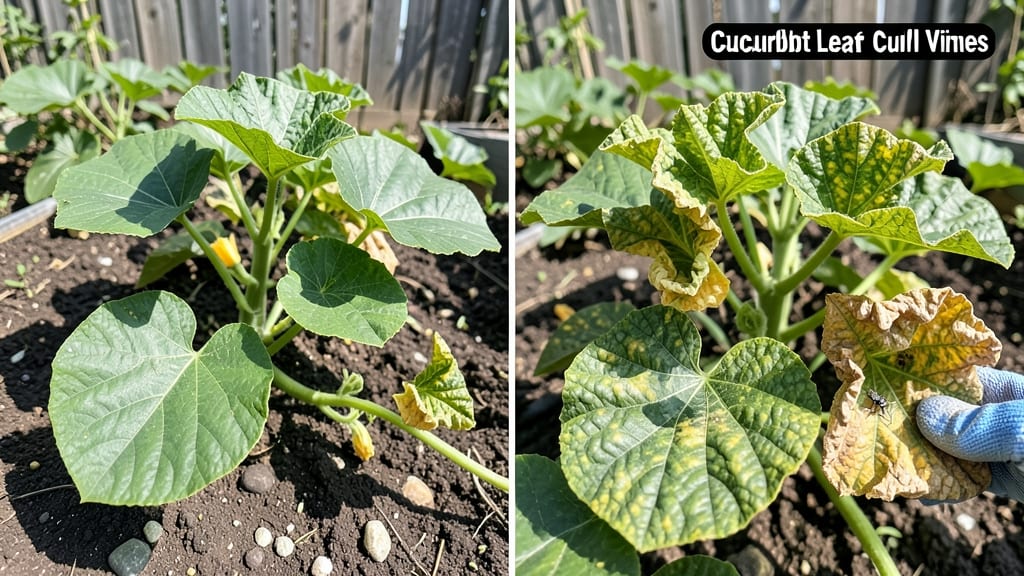
Your squash plants are curling up like they’re hiding from a storm, and you’re staring at a harvest disaster. 🌿 Squash leaf curl isn’t just ugly—it’s a viral thief that stunts growth, yellows leaves, and leaves you with bitter, undersized fruit.
But there’s hope: copper spray can revive plants in just 3 days if you act fast.
The culprit? Tiny aphids spreading the virus like garden gossip. Once infected, plants rarely recover—but copper spray disrupts the virus’s party by starving aphids and preventing new infections. Combine it with removing infected leaves and you’ll buy time for healthy growth to take over.
By day 3, you’ll see new leaves unfurling green and strong, with aphids gone and the virus contained. The key is early action: check plants weekly, especially after rain when aphids multiply. This isn’t just damage control—it’s a rescue mission for your squash.
Works for cucumbers, melons, and pumpkins too. Here’s the exact spray mix and timing to stop the curl before it spreads further—no fancy tools, just elbow grease and a spray bottle.
Root Causes Of Leaf Curl
Squash leaf curl isn’t just a random plant quirk—it’s a telltale sign that something’s gone wrong in your garden’s ecosystem. Understanding the why behind it is the first step to stopping it in its tracks.
Below, we break down the most common culprits, from sneaky pests to environmental stressors, and explain how they trigger those unsightly curled leaves.
The most infamous cause of leaf curl in squash is squash leaf curl virus (SLCV), a plant pathogen spread by tiny, winged insects called whiteflies. Here’s how it works:
- How it spreads: Whiteflies feed on infected plants, then carry the virus to healthy ones like a viral courier.
Once inside your squash, the virus hijacks the plant’s cells, disrupting growth and causing leaves to curl, yellow, or pucker. - Why it’s persistent: Viruses don’t respond to pesticides—they’re protected inside plant tissues.
Once a plant is infected, there’s no cure; you can only remove and destroy it to prevent spread. - Actionable clue: Look for sticky honeydew residue on leaves (a whitefly byproduct) or tiny white insects fluttering around your plants. Early detection is key!
Beyond viruses, sap-sucking insects like aphids, spider mites, and thrips can directly cause leaf curl by draining nutrients and injecting toxins. Here’s the breakdown:
| Pest | How It Causes Curl | Signs to Watch For |
|---|---|---|
| Aphids | Feed on sap, weakening leaves; inject saliva that warps growth. | Clusters of tiny green/black bugs, curled edges with sticky residue. |
| Spider Mites | Pierce cells to suck juices, leaving behind curled, brittle leaves. | Fine webbing on undersides, yellow stippling. |
| Thrips | Scratch leaves while feeding, triggering curl and silver streaks. | Tiny black/white insects, distorted new growth. |
Pro tip: 💡 Use a strong blast of water (early morning) to dislodge pests before they multiply. For severe infestations, neem oil or insecticidal soap can help—but act fast!
Plants don’t just curl from biological threats—they also react to environmental imbalances. Common triggers include:
- Extreme temperatures: Sudden heatwaves or cold snaps shock squash plants, causing leaves to curl as a protective response. Solution: Provide shade cloth in summer or row covers in spring/fall.
- Water stress: Both overwatering (root rot) and underwatering (drought) disrupt nutrient uptake, leading to curled, crispy leaves. Fix: Water deeply 1–2 times per week (check soil moisture 2 inches down).
- Poor soil nutrition: A deficiency in magnesium, nitrogen, or potassium weakens leaves, making them prone to curling. Test your soil—amend with compost or a balanced fertilizer (like 10-10-10) if levels are low.
While less common than viruses, fungal infections (like powdery mildew) or bacterial soft rot can also cause leaf distortion. Here’s how to spot them:
- Powdery mildew: Leaves curl upward with a white, powdery coating (especially in humid conditions). Prevent it with copper spray (your cure!) and improve airflow.
- Bacterial wilt: Yellowing, wilting, and curling leaves that oozes bacterial slime when cut open. Remove infected plants immediately—this spreads through water and tools.
Sometimes, the problem isn’t invisible—it’s visible but overlooked:
- Mechanical damage: Hail, strong winds, or even rough handling can curl leaves. Solution: Use protective netting or trellises for support.
- Overcrowding: Squash plants competing for sunlight and nutrients may develop stunted, curled growth. Fix: Thin plants to 2–3 feet apart and prune lower leaves to improve airflow.
Key takeaway: Leaf curl is almost always a symptom of a deeper issue—whether it’s a microscopic virus, a hungry pest, or an environmental misstep. The good news? Identifying the root cause puts you ahead of the game. Next up: how to treat it fast with copper spray! 🚀
Quick Fixes for Wilted Squash Leaves
If your squash plants are showing signs of leaf curl—whether from viral infections, pests, or environmental stress—don’t panic! While some causes (like viral infections) have no cure, you can stabilize your plants, prevent further damage, and even revive them with the right steps.
Below, we break down practical solutions tailored to the most common causes of leaf curl, plus prevention tips to keep your squash thriving.
If your plants are infected with squash leaf curl virus (SLCV), there’s no chemical cure—once infected, the plant won’t recover. However, you can limit the spread and protect your garden:
🛡️ Immediate Actions
- 🔪 Remove Infected Plants – Dig up and destroy (do not compost) affected plants to prevent virus spread via sap or insects.
- 🌱 Quarantine Healthy Plants – Keep remaining squash plants separate from cucumbers, melons, or other susceptible crops.
- 🧼 Sterilize Tools – Clean pruners, gloves, and garden tools with 70% rubbing alcohol or a 10% bleach solution before and after use.
💡 Prevention for Next Season
- ✨ Choose Resistant Varieties – Opt for virus-resistant squash like ‘Defender’ or ‘Golden Zucchini’ (check seed packets).
- 🐞 Control Whiteflies & Aphids – These insects spread the virus.
Use neem oil spray or insecticidal soap weekly. - 🌡️ Avoid Overcrowding – Poor airflow weakens plants, making them more susceptible.
Space squash 3–4 feet apart. - 🚫 Rotate Crops – Don’t plant squash or cucurbits in the same spot for at least 3 years to break the virus cycle.
If leaf curl is paired with yellowing, dark spots, or mushy stems, a fungal or bacterial infection may be the culprit. Act fast to save your plants:
👨🍳 Treatment Steps - 💧 Reduce Watering – Overhead watering spreads fungi.
Water at the base in the morning to allow foliage to dry. - 🍄 Apply Copper Fungicide – Mix 1 tsp copper sulfate per gallon of water and spray every 7–10 days until symptoms fade. - 🌿 Prune Infected Leaves – Snip off yellowed or curled leaves (sterilize shears between cuts) to improve airflow. - 🌡️ Boost Plant Health – Feed with compost tea or fish emulsion to strengthen immunity.
💡 Prevention Tips
- 🌱 Use Mulch – Straw or grass clippings keep soil moist (reducing stress) and prevent spore splash.
- 🌡️ Avoid Night Watering – Wet leaves at night encourage fungal growth.
- 🚫 Clean Up Debris – Remove fallen leaves after harvest to eliminate fungus overwintering spots.
Pests like whiteflies and aphids suck sap, causing curl, stunted growth, and sticky honeydew. Here’s how to kick them out:
🔪 Pest Control Methods
- 🌿 Introduce Beneficial Insects – Ladybugs, lacewings, or parasitic wasps eat aphids naturally.
Buy them online or attract them with dill or fennel plants. - 🍳 Spray Soapy Water – Mix 1 tsp mild dish soap + 1 quart water, spray directly on pests (avoid overspraying flowers). - 🕷️ Use Sticky Traps – Hang yellow sticky traps near plants to catch whiteflies. - 🌡️ Neem Oil Spray – Spray every 5–7 days (follow label instructions) to smother pests and eggs.
💡 Long-Term Pest Prevention
- 🌱 Interplant with Herbs – Basil, marigolds, or thyme repel pests naturally.
- 🌡️ Reflect Mulch with Aluminum Foil – Whiteflies hate reflective surfaces.
Wrap foil around plant bases to confuse and deter them. - 🚫 Monitor Early – Check undersides of leaves daily for tiny eggs or webs.
If leaf curl appears suddenly with no pests or spots, your squash may be struggling with stress:
💧 Quick Relief Steps
- 💧 Water Deeply & Consistently – Squash needs 1–2 inches of water per week.
Use drip irrigation to avoid leaf wetness. - 🌿 Provide Shade Cloth – If temps exceed 90°F (32°C), use 30–50% shade cloth to prevent heat stress. - 🌱 Amend Soil with Compost – Poor soil locks out nutrients.
Mix in aged compost or worm castings for a nutrient boost.
💡 Prevention for Future Plants
- 🌱 Choose Heat-Tolerant Varieties – Try ‘Straight Eight’ or ‘Butternut’ squash—they handle heat better.
- 🌡️ Mulch Heavily – Straw or black plastic mulch keeps roots cool and moist.
- 🚫 Avoid Over-Fertilizing – Too much nitrogen weakens plants.
Use a balanced 10-10-10 fertilizer sparingly.
If your squash is weak but not yet dead, a copper spray revival can jumpstart recovery in 3 days: 1. Mix 1 tsp copper sulfate + 1 tbsp milk (to reduce phytotoxicity) in 1 gallon water.
- Spray early morning on both sides of leaves (avoid flowers).
- Reapply every 5 days until new growth appears.
🌱 Pro Tip: The key to long-term success is prevention—healthy soil, pest control, and proper spacing keep squash plants strong and resilient! 🚀
Frequently asked questions
Can copper spray actually cure squash leaf curl?
Copper spray won't cure viral leaf curl, but it can prevent further damage by starving aphids and whiteflies—the insects that spread the virus. For existing infections, remove affected plants immediately and use copper to protect healthy ones. It works best as a preventive measure when applied every 5-7 days during outbreaks.
How do I tell if my squash has viral leaf curl vs. pest damage?
Viral leaf curl causes permanent curling, yellowing, and stunted growth with no visible pests. Pest damage shows sticky residue (honeydew), tiny insects, or webbing on leaf undersides. Check for aphids or whiteflies first—if none are present, it's likely viral. Test by gently rubbing a leaf: viral damage stays curled, while pest damage may straighten slightly when pests are removed.
Will removing infected plants stop the virus from spreading?
Yes, but only if you destroy them completely—don't compost! Viruses survive in plant debris. Burn infected plants or bag them for trash pickup. Also sterilize tools with 70% rubbing alcohol and avoid planting susceptible crops (like cucumbers) in the same spot for 3 years to break the virus cycle.
What's the best time of day to apply copper spray?
Apply copper spray early morning when temperatures are below 80°F (27°C) and humidity is low. This prevents leaf burn and allows maximum absorption. Avoid spraying in direct sunlight or when rain is forecasted within 4 hours—it needs time to dry and work.
Can I use copper spray on edible squash leaves?
Copper spray is safe for edible leaves when used correctly, but follow these rules: Wait 7 days before harvesting any part of the plant after application. Avoid spraying directly on fruits or flowers. The copper residue breaks down naturally, but always rinse leaves thoroughly if consuming them soon after treatment.