
Leaf Blower
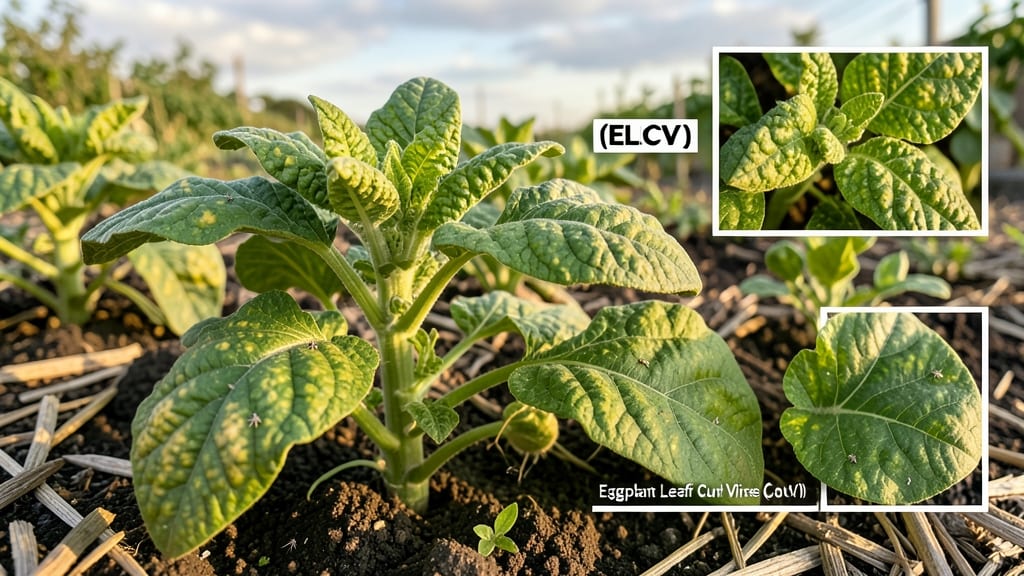
When your eggplant leaves start curling into tight, leathery spirals, you're staring down eggplant leaf curl virus—and there's no cure, but you can stop it from wrecking your garden. 🌱 I've battled this stubborn virus in my own plots, and while it's not going anywhere, I've learned how to slow its spread and protect next year's harvest.
The first sign is usually small, puckered leaves that yellow at the edges, followed by stunted growth and fewer fruits. Whiteflies are the main culprits, carrying the virus from plant to plant like tiny, winged couriers.
Once infected, there's no bringing your plants back—but you can save the rest of your garden with the right organic sprays and preventive tactics. Neem oil sprays and insecticidal soap disrupt whitefly life cycles, while reflective mulch confuses them enough to keep them away.
Planting resistant varieties like 'Black Beauty' or 'Ichiban' gives you a fighting chance, and rotating crops with non-solanaceae plants breaks the virus's cycle. The key is acting fast—once whiteflies take hold, they're unstoppable. This isn't about fixing what's already infected, but about saving your future harvests.
Let's talk organic defenses that actually work, so you can enjoy eggplants again next season.
Root Causes Of Plant Decline
Eggplant leaf curl disease isn’t just a random misfortune—it’s the result of specific biological and environmental triggers. Understanding these causes is the first step to stopping its spread in your garden. Below, we break down the key factors that allow this stubborn virus to take hold and cripple your crops.
The primary culprit behind the spread of leaf curl virus is the whitefly (Bemisia tabaci), a tiny, sap-sucking insect. These pests don’t just feed on your plants—they transmit the virus while moving between infected and healthy plants.
- How it works: Whiteflies excrete a sticky substance called honeydew, which can weaken plants and attract sooty mold. But their real danger lies in their piercing-sucking mouthparts, which inject the virus into plant tissues as they feed.
- Why it’s worse in warm climates: Whiteflies thrive in temperatures above 75°F (24°C), making tropical and subtropical regions hotspots for outbreaks. Even a single infestation can lead to 90% crop loss if left unchecked.
- Actionable insight: Monitor undersides of leaves for whiteflies (they look like tiny moths with white, waxy wings). Use yellow sticky traps to catch them early and reduce their numbers.
Healthy plants are far less susceptible to viral infections. When eggplants (or other solanaceous crops like tomatoes and peppers) are stressed, their natural defenses drop, making them easy targets for viruses like leaf curl.
- Common stress factors:
- ✅ Nutrient deficiencies (especially potassium or magnesium)
- ✅ Overwatering or drought (both disrupt root health)
- ✅ Poor soil drainage (leading to root rot)
- ✅ Extreme temperature fluctuations (cold snaps or heatwaves)
- How stress invites infection: Damaged or weakened cells cannot repair viral damage efficiently, allowing the virus to replicate unchecked. Symptoms like stunted growth, yellowing leaves, and curled edges often appear before the telltale curling of new leaves.
- Pro tip: Test your soil and amend it with compost or organic matter to boost plant resilience. Avoid over-fertilizing with nitrogen, which promotes leafy growth but weakens structural strength.
Viruses don’t jump from plant to plant on their own—they often hitch a ride on tools, clothing, or even gardeners’ hands. This is especially true for leaf curl virus, which can survive on metal, fabric, and organic debris for days.
- How contamination spreads:
- 🔪 Pruning shears used on infected plants
- 👕 Garden gloves or clothing brushed against diseased leaves
- 🚜 Shared equipment (like wheelbarrows or watering cans)
- 🌱 Transplanting infected seedlings into healthy beds
- The sneaky part: You might not even see symptoms on the source plant yet—some strains of leaf curl virus have a 3–4 week incubation period before visible damage appears.
- Prevention tip: Disinfect tools between uses with a 10% bleach solution (1 part bleach to 9 parts water) or 70% rubbing alcohol. Wear dedicated gardening clothes and avoid walking through infected areas.
Leaf curl virus doesn’t spread randomly—it exploits specific weather patterns to multiply and jump between plants. Understanding these conditions helps you predict and prevent outbreaks.
| Factor | Why It Matters | How to Mitigate |
|---|---|---|
| High Humidity (60%+) | Whiteflies thrive and reproduce faster, increasing virus transmission. | Improve airflow with pruning and spacers between plants. |
| Warm Temperatures (75–95°F / 24–35°C) | Optimal range for whitefly activity and viral replication. | Use shade cloth in peak heat or grow in cooler seasons. |
| Dry, Windy Conditions | Whiteflies disperse more easily, carrying virus particles to new plants. | Plant windbreaks (like tall grasses or hedges) to reduce spread. |
💡 Key takeaway: If your region has hot, humid summers, be extra vigilant during these months. Early intervention (like neem oil sprays or reflective mulch) can drastically reduce whitefly populations.
Stopping the Spread Naturally
Eggplant leaf curl virus (ELCV) can turn a thriving garden into a battleground, but the good news is that organic, proactive solutions can help you reclaim control. Below, we’ve mapped out practical fixes based on the root causes—so you can act fast and prevent further damage.
Think of this as your garden’s first line of defense against this stubborn virus.
Cause: Once a plant is infected, there’s no cure—it will only spread the virus further. Fix:
- 🔥 Pull and destroy any visibly infected eggplants (or other solanaceous crops like tomatoes or peppers) as soon as you spot symptoms (curled leaves, stunted growth, yellowing).
- 🗑️ Do NOT compost them—burn or bag them tightly to prevent reinfection.
- 👨🍳 Check neighboring plants weekly for early signs (even if they look healthy, isolate suspicious ones).
💡 Pro Tip: If you’re unsure whether a plant is infected, quarantine it for 7–10 days before deciding. Some stress (like heat or pests) can mimic symptoms!
Cause: ELCV spreads only via whiteflies—these tiny pests carry the virus from plant to plant. Fix:
- 🍳 Trap whiteflies early with yellow sticky traps (place them near infected areas).
- 👨🍳 Spray neem oil (1 tsp per quart of water + a drop of dish soap) every 5–7 days to disrupt their life cycle. Best applied in the evening to avoid harming bees.
- 🌡️ Use reflective mulch (aluminum foil or silver plastic) around plants—whiteflies hate shiny surfaces and will avoid them.
- 🎯 Introduce beneficial insects: Ladybugs, lacewings, and parasitic wasps love eating whiteflies. Buy them online or attract them with dill or fennel as a host plant.
✨ Bonus: Interplant with basil or marigolds—these repel whiteflies naturally!
Cause: Weak or stressed plants are easier targets for viruses. Fix:
- 🥗 Boost soil health with compost or worm castings before planting. Healthy roots = stronger defenses.
- 💪 Use organic foliar sprays like seaweed extract (1 tbsp/gallon) or baking soda spray (1 tsp baking soda + 1 tsp oil + 1 quart water) to toughen leaves.
- ⏰ Avoid overwatering—soggy soil invites pests and fungal issues, which stress plants.
- 🌞 Provide shade cloth if your area gets intense afternoon sun (ELCV thrives in heat-stressed plants).
💡 Pro Tip: Rotate crops—don’t plant eggplants, tomatoes, or peppers in the same spot every year. This breaks the virus’s cycle in the soil.
Cause: While no spray “cures” ELCV, certain organic compounds can slow its spread and reduce severity. Fix:
- 🔥 Garlic-chili spray:
- Blend 5 garlic cloves + 1 chili pepper + 1 liter water. Strain, add 1 tsp castile soap, and spray every 10 days.
- Why it works: Garlic contains allicin, which repels whiteflies and has antiviral properties.
- 🌿 Horsetail tea:
- Steep 1 cup dried horsetail in 4 cups hot water for 24 hours, strain, and spray. Rich in silica, it strengthens plant cell walls.
- 🍳 Potassium silicate spray (1 tbsp/gallon): Hardens leaf surfaces, making it tougher for whiteflies to transmit the virus.
⚠️ Warning: Always test sprays on a few leaves first—some plants (like basil) are sensitive to strong mixes.
Stopping ELCV before it starts is far easier than fighting it later. Here’s how to future-proof your garden:
| Action | How to Do It |
|---|---|
| 🌱 Start with clean seeds | Buy certified disease-free seeds or grow from seed (not transplants from nurseries). |
| 🛡️ Quarantine new plants | Keep any new additions separate for 2–3 weeks before introducing them to the garden. |
| 🌡️ Monitor whitefly hotspots | Check under leaves and near weeds—they’re whitefly magnets. |
| 🌿 Remove weeds regularly | Weeds host whiteflies. Pull them weekly, especially in summer. |
| 📅 Plant in cooler seasons | ELCV spreads faster in heat (80°F+). Plant eggplants in spring or fall if possible. |
Final Thought: While ELCV is tenacious, combining removal, whitefly control, plant strengthening, and organic sprays gives you the best shot at keeping your garden healthy. Stay vigilant, and don’t let one bad season discourage you—next year’s harvest can still be bountiful! 🌱💪
Frequently asked questions
Can eggplant leaf curl virus affect other plants in my garden?
Yes, this virus primarily targets solanaceous crops like tomatoes, peppers, and potatoes. The same whiteflies that spread it to eggplants will carry it to these related plants. Always quarantine new plants and remove infected ones immediately to prevent cross-contamination.
How quickly does eggplant leaf curl virus spread after infection?
Symptoms like leaf curling and stunted growth typically appear within 2-4 weeks of infection, but whiteflies can transmit the virus almost instantly. Once infected, a plant will continue spreading the virus for its entire lifespan—remove it immediately to stop further contamination.
Will neem oil really help control whiteflies?
Neem oil disrupts whitefly life cycles by interfering with their feeding and reproduction. For best results, apply it every 5-7 days in the evening (to protect bees) and combine it with yellow sticky traps for maximum effectiveness.
Can I still harvest eggplants from infected plants?
No, you shouldn't. While the fruits themselves may not be directly infected, the plant will continue producing virus-laden whiteflies. Remove and destroy the entire plant immediately to prevent spreading the virus to other crops.
What's the best time of year to plant eggplants to avoid this virus?
Plant during cooler seasons (spring or fall) when whitefly populations are lower. Avoid summer planting in hot climates—whiteflies thrive in temperatures above 75°F (24°C), making outbreaks much more likely.