
Leaf Blower
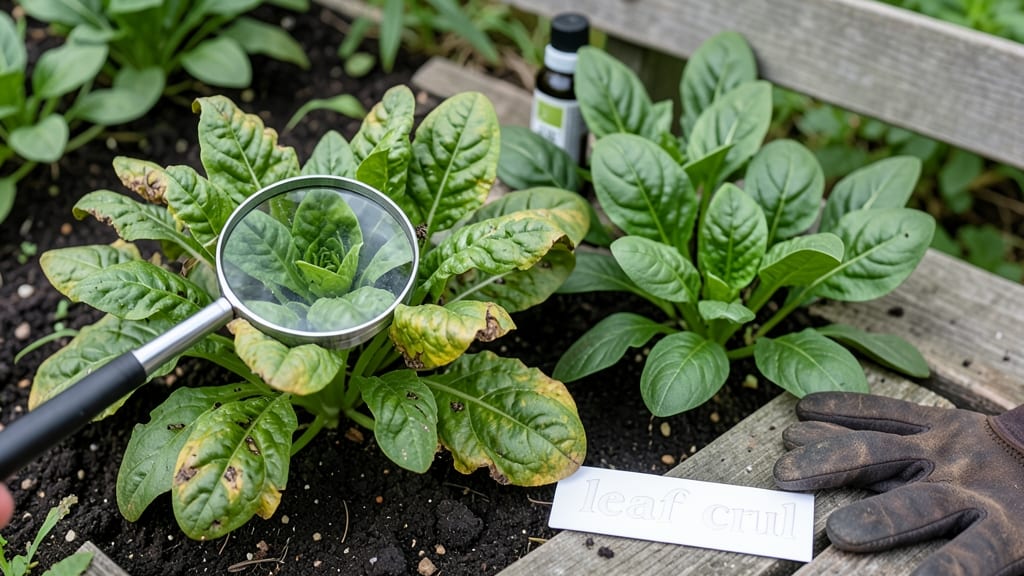
Spinach leaf curl isn’t just unsightly—it’s a sign your plants are fighting fungal infections or pest attacks. 🌱 I’ve seen entire harvests ruined by curled, spotted leaves, but copper fungicide and a few smart adjustments can turn things around fast.
The key is acting early and addressing both symptoms and root causes.
Most leaf curl stems from fungal spores thriving in damp conditions, but pests like aphids or beetles can trigger it too. Poor airflow, overcrowded plants, or even temperature swings stress spinach, leaving it vulnerable.
My biggest breakthrough? Combining copper spray with reflective mulch to dry leaves faster and deter pests naturally.
With the right approach, you’ll restore crisp, vibrant leaves in just 2-3 weeks. The secret lies in removing infected plants immediately, spacing seedlings properly, and choosing disease-resistant varieties like 'Tyee' or 'Bloomsdale Long Standing.' Even my black thumb gardens stay healthy now.
This method works for both home gardens and larger plots, and it’s organic-friendly once you’ve ruled out chemical causes. Let’s get your spinach back to its best—and keep it that way all season.
Root Causes Of Leaf Distortion
Understanding why spinach leaves develop that unsightly curl requires peeling back the layers of plant stress—both biological and environmental. Here’s a breakdown of the key culprits, explained in scientific terms with actionable insights to help you diagnose and address the issue.
Spinach leaf curl is often triggered by viruses like Spinach curly top virus (SCTV) or Beet curly top virus (BCTV), both transmitted by leafhoppers (primarily Circulifer tenellus).
These viruses hijack the plant’s cellular machinery, disrupting normal growth hormones—particularly ethylene and auxin—which causes abnormal leaf curling, stunted growth, and yellowing.
Why it happens:
- Vector transmission: Leafhoppers feed on infected plants, then spread the virus to healthy spinach via their saliva while probing for sap.
- Hormonal disruption: Viruses interfere with phytohormone signaling, leading to epinasty (downward curling) and hypertrophy (thickened, distorted leaves).
- Seasonal spikes: Warm, dry conditions (60–85°F) accelerate leafhopper activity, worsening outbreaks.
Actionable fix:
- Monitor leafhoppers with yellow sticky traps in early spring.
- Remove infected plants immediately to starve the virus cycle.
- Use reflective mulch (aluminum foil) to deter leafhoppers—it confuses their visual cues.
While less common than viral causes, fungal pathogens like Alternaria or Cercospora can induce leaf curl as a secondary symptom. These fungi thrive in high humidity and poor air circulation, releasing toxins that warp leaf tissue and clog stomata (pores), restricting gas exchange.
Why it happens:
- Spores land on leaves during rainy or foggy periods, germinating in 72–96 hours if conditions are moist.
- Necrotic lesions (dark spots) often accompany curling, as fungi disrupt cell wall integrity via enzymes like pectinases.
- Overhead irrigation splashes spores upward, increasing infection rates.
Actionable fix:
- Space plants 12–18 inches apart for airflow.
- Water at soil level (drip irrigation) to avoid wetting foliage.
- Apply copper fungicide (e.g., copper hydroxide) at first signs of spots—it disrupts fungal electron transport chains.
Spinach is a cool-season crop, and extreme heat, drought, or nutrient imbalances can trigger curling as a survival response. Unlike viral/fungal causes, environmental stress doesn’t kill the plant outright but compromises cellular turgor pressure, leading to puckering and rolling.
Key triggers:
| Stress Type | Mechanism | Temperature/Nutrient Thresholds |
|---|---|---|
| Heat Stress | Ethylene production spikes, causing abscisic acid (ABA) accumulation, which signals stomatal closure. | >80°F for 3+ days |
| Drought | Root pressure drops, reducing turgor pressure in leaves. | Soil moisture <40% field capacity |
| Nutrient Deficiency | Magnesium (Mg) or boron (B) shortages disrupt chlorophyll synthesis. | Soil pH >7.5 (locks out Mg) or <6.0 (Boron leaches) |
Actionable fix:
- Mulch with straw to retain moisture and moderate soil temps.
- Test soil pH (ideal: 6.0–7.0) and amend with Epsom salt (Mg) or borax (B) if deficient.
- Shade cloth (30%) can protect seedlings from sudden heatwaves.
Off-target drift or residual herbicides (e.g., 2,4-D, glyphosate) can mimic viral symptoms, causing cupping, twisting, or chlorosis in spinach. These chemicals interfere with plant growth regulators (PGRs), mimicking natural hormone imbalances.
Why it happens:
- Auxin-like herbicides (e.g., dicamba) overstimulate cell elongation, leading to epinastic curling.
- Glyphosate (non-selective) disrupts shikimic acid pathway, starving the plant of essential amino acids, which weakens cell walls.
- Volatilization: Wind can carry 2,4-D up to 30 feet, damaging nearby crops.
Actionable fix:
- Check labels for spinach compatibility—avoid auxin-based herbicides near plantings.
- Use barrier crops (e.g., buckwheat) to absorb residual herbicides.
- Vinegar rinse (3% acetic acid) can mitigate glyphosate damage if applied within 24 hours of exposure (test on a small area first).
Mechanical damage from hail, strong winds, or rough handling can trigger curling as the plant’s wound response. Damaged cells release jasmonic acid, a stress hormone that alters growth patterns near injury sites.
Why it happens:
- Cell rupture activates systemic acquired resistance (SAR), diverting energy to repair instead of growth.
- Stomatal closure near wounds reduces gas exchange, causing localized chlorosis.
- Transplant shock (e.g., uprooting seedlings) can mimic viral symptoms for 7–10 days.
Actionable fix:
- Use row covers to shield seedlings from wind/hail.
- Handle plants gently—avoid brushing leaves against rough surfaces.
- Prune damaged leaves with sterilized scissors to prevent secondary infections.
Pro Tip: 💡 Rule of thumb for diagnosis:
- Curl + yellowing + stunted growth + leafhoppers? → Viral (quarantine immediately).
- Curl + dark spots + high humidity? → Fungal (copper fungicide ASAP).
- Curl + heatwave or dry soil? → Environmental (adjust watering/mulch).
- Curl + herbicide labels nearby? → Chemical damage (rinse + monitor).
Quick Fixes for Wrinkled Spinach Leaves
Spinach leaf curl—whether caused by fungal infections, viral attacks, or environmental stress—can turn your lush green plants into crinkled disappointments. But don’t toss those leaves just yet! With the right approach, you can revive your spinach and prevent future wrinkles.
Below, we’ve mapped out practical, step-by-step solutions tailored to the root cause, plus prevention tips to keep your spinach thriving.
Fungal infections like downy mildew or leaf spot thrive in damp, humid conditions, causing leaves to curl, yellow, and develop unsightly spots. Here’s how to stop the spread and restore your plants:
1. 🔥 Remove Infected Leaves Immediately
- Why? Fungal spores spread like wildfire—literally.
Even a single infected leaf can contaminate your entire crop. - How? - Snip off only the curled or spotted leaves (use clean, sharp scissors or pruners). - Do not compost them—toss in the trash or burn them (if safe in your area). - Wear gloves to avoid spreading spores to healthy plants.
2. 🍳 Apply Copper Fungicide (The Gold Standard)
Copper-based fungicides are highly effective against fungal leaf curl because they disrupt the pathogen’s cell walls.
Here’s how to use them right: - Choose the right product: - Liquid copper fungicide (e.g., Bordeaux mixture, copper sulfate, or copper hydroxide). - Ready-to-use sprays (like Bonide Copper Fungicide or Neem Bliss Copper Soap). - Spray timing & technique: - Apply in the morning or late afternoon (avoid midday heat, which can burn leaves). - Cover both sides of leaves thoroughly—fungi hide on the undersides! - Reapply every 7–14 days or after heavy rain (fungicides wash off). - Rotate with other fungicides (like neem oil or sulfur) to prevent resistance.
3. 👨🍳 Improve Airflow & Reduce Humidity
Fungi love stagnant, moist air. Break the cycle with these adjustments:
- Space plants 12–18 inches apart (if growing in rows) to allow airflow.
- Thin out overcrowded beds—remove excess seedlings or mature plants.
- Use row covers (floating fabric) if humidity is consistently high.
- Water at the base (not overhead) to keep leaves dry. Early morning watering gives foliage time to dry before nightfall.
4. 🥘 Boost Plant Immunity with Organic Amendments
A healthy plant fights off infections better. Feed your spinach with:
- Compost or well-aged manure (1–2 inches worked into the soil before planting).
- Seaweed extract or liquid kelp (spray foliarly for a nutrient boost—1 tbsp per gallon of water).
- Balanced organic fertilizer (like 5-5-5 or 3-4-6) to prevent nitrogen overload (which weakens plants).
Viruses are far trickier to manage because they have no cure—once infected, the plant stays infected. Your best bet? Prevention and containment.
1. 🚫 Remove & Destroy Infected Plants ASAP
- Pull up and dispose of any plants showing curl, stunting, or yellowing (especially if accompanied by whitefly activity).
- Do not replant spinach, beets, or chard in the same spot for at least 2 years (viruses persist in soil).
2. 🎯 Control Whiteflies (The Virus Vector)
Whiteflies spread curly top virus like a bad rumor. Smother them with:
- Yellow sticky traps (place near plants to monitor and catch adults).
- Neem oil spray (mix 1 tbsp neem oil + 1 tsp mild soap per quart of water).
Spray every 5–7 days until whiteflies disappear. - Reflective mulch (aluminum foil or silver plastic) confuses whiteflies and reduces landings.
3. 🌱 Prevent Future Infections with Crop Rotation
- Avoid planting susceptible crops (spinach, beets, Swiss chard) in the same family (Chenopodium) for 3+ years.
- Interplant with repellent crops like marigolds, basil, or nasturtiums to deter whiteflies.
If your spinach is curling due to non-pathogenic stress, the solution is simpler—optimize growing conditions:
1. 💡 Shield from Harsh Elements
- Provide shade cloth (30–50% shade) if temperatures exceed 85°F (29°C).
- Use windbreaks (like burlap or straw bales) if your garden is exposed to strong winds.
- Mulch heavily (2–3 inches of straw or grass clippings) to retain moisture and cool roots.
2. 📊 Test & Amend Your Soil
Poor soil drainage, compacted soil, or nutrient imbalances cause stress. Fix it with:
- A soil test (check pH—spinach prefers 6.0–7.0).
- Gypsum or compost (to improve drainage in clay soils).
- Lime (if soil is too acidic) or sulfur (if too alkaline)—follow test recommendations.
3. 🥗 Adjust Watering Practices
- Water deeply 1–2 times per week (instead of daily light sprinkles) to encourage deep roots.
- Avoid soggy soil—spinach hates "wet feet." Ensure good drainage in containers or raised beds.
Once you’ve treated the problem, lock in success with these proactive habits:
- 🌱 Start with disease-resistant varieties like ‘Tyee,’ ‘Bloomsdale Long Standing,’ or ‘Space Hybrid.’
- 🍳 Plant in cool seasons (spring or fall) to avoid summer heat stress.
- 👨🍳 Rotate crops annually to prevent soil-borne diseases from building up.
- 🌡️ Monitor humidity—use a hygrometer to keep levels below 70%.
- 🎯 Inspect plants weekly for early signs of curl or spots (catch problems before they spread).
Final Thought: Whether your spinach is fighting fungi, viruses, or just the elements, early action is key. With these targeted fixes, you’ll be back to harvesting smooth, vibrant leaves in no time! 🍃💚
Frequently asked questions
Can I still harvest spinach with leaf curl?
Only if the curling is mild and caused by environmental stress (like heat). Remove severely curled or spotted leaves immediately—they won’t recover and may spread issues. For viral or fungal curl, avoid harvesting from infected plants entirely to prevent spreading pathogens to healthy leaves.
How do I tell if my spinach has a virus or just heat stress?
Viral curl shows yellowing, stunted growth, and whiteflies—often with a "cupped" look. Heat stress curl is temporary, affects newer leaves first, and disappears when temps drop. Check for leafhoppers or aphids too—they spread viruses.
Will copper fungicide work on viral leaf curl?
No—copper fungicides only treat fungal infections. Viral curl has no cure; you must remove infected plants immediately and focus on preventing spread. Use reflective mulch and neem oil to deter leafhoppers (the virus carriers).
Can I save my spinach if I see leaf curl too late?
Possibly, but it depends on the cause. For fungi, prune infected leaves and apply copper fungicide 3 times over 2 weeks. For viruses, removal is your only option. If it’s heat stress, provide shade and mulch. The key is acting fast—once symptoms spread, recovery is unlikely.
What’s the best spinach variety to resist leaf curl?
Choose 'Tyee' or 'Bloomsdale Long Standing'—both are bred for disease resistance. For organic gardens, 'Space Hybrid' handles stress better than heirloom varieties. Always rotate crops annually to prevent soil-borne issues from building up.