
Pests and Diseases
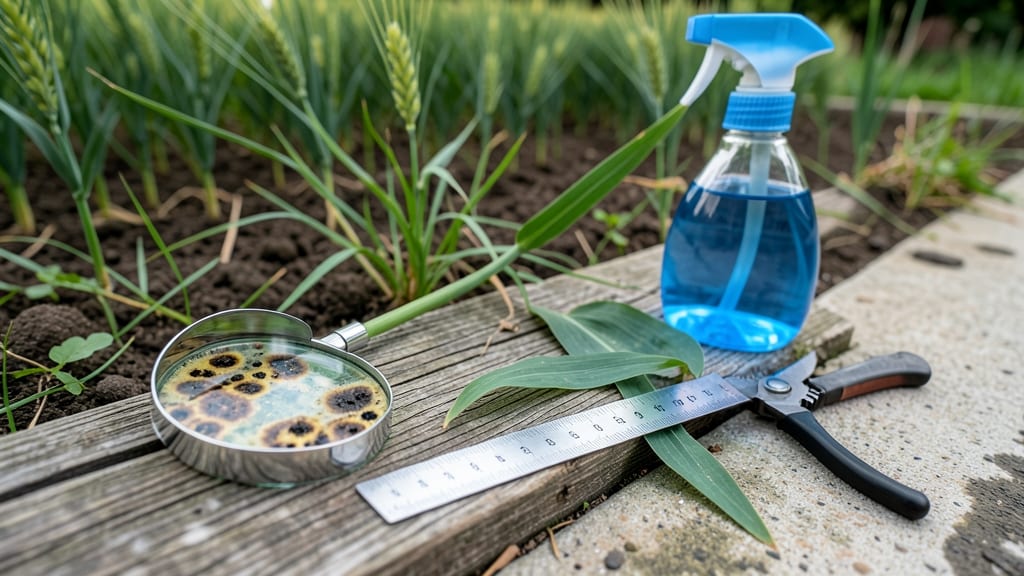
Those blackened spots with yellow halos on your tomato leaves aren’t just unsightly—they’re septoria leaf spot, and copper fungicide is your best shot at saving your plants. 🌱 I’ve seen this fungus turn lush foliage into a crunchy mess in just a few weeks, but the right treatment can stop it in its tracks.
The key is acting fast, before the spots spread to every leaf. This fungal disease thrives in humid conditions, and once it sets in, it’s nearly impossible to reverse without intervention.
Copper fungicides work by disrupting the fungus’s cell walls, and when applied correctly, they can halt the spread within 7-10 days. But timing matters—spray too late, and you might lose your harvest entirely.
What you’ll end up with is a plant that recovers its vibrant green leaves and keeps producing fruit like nothing happened. The copper treatment doesn’t just stop the spots; it also prevents future outbreaks if you stay consistent. Works for tomatoes, wheat, celery, and other susceptible crops.
Here’s how to use copper fungicide effectively—and when to call in the pros.
Root Causes Of Fungal Spread
Septoria leaf spot isn’t just a random bad luck scenario—it thrives because of specific conditions that create the perfect storm for Septoria tritici (the fungus behind the damage) to take hold. Understanding these triggers helps you disrupt the cycle before it starts. Let’s break down the real culprits:
The fungus Septoria tritici loves water—too much of it. Here’s why:
- Prolonged leaf wetness: The fungus spores germinate best when leaves stay damp for 12+ hours. Heavy dew, frequent rain, or overhead irrigation turns your plants into a fungal buffet. 🍽️
- Compacted or waterlogged soil: Poor drainage keeps roots stressed and leaves soggy. The fungus exploits weak spots, entering through stomata (tiny leaf pores) or wounds.
- Humidity hotspots: Greenhouses, shaded areas, or dense plantings trap moisture. Even morning dew can kickstart infections if not dried by sunlight.
Actionable fix: Improve airflow with pruning, space plants 12–18 inches apart, and water at the base early in the day so leaves dry by nightfall.
Healthy plants resist infections, but stress opens the door for Septoria. Common stressors include:
- Nutrient deficiencies: Low nitrogen or potassium weakens cell walls, making leaves easier targets. Test soil pH—ideal ranges are 6.0–7.0 for most crops.
- Physical damage: Hail, insect bites (like aphids), or rough handling create entry points. Even self-pruning (like in tomatoes) can spread spores internally.
- Overcrowding: Plants competing for light and nutrients grow slowly, with thin leaves that can’t fend off pathogens.
Actionable fix: Rotate crops annually, fertilize with balanced NPK (e.g., 10-10-10), and remove diseased foliage immediately to prevent spore buildup.
Fungal spores overwinter in plant residue, ready to pounce when conditions align. Here’s how:
- Infected leaf litter: Fallen leaves or stems from last season harbor Septoria spores. Rain washes them onto new growth, restarting the cycle.
- Reused compost or mulch: If composted plant material wasn’t heated to 140°F+, spores survive and reinfect.
- Tool contamination: Pruners, rakes, or gloves can transfer spores between plants. Sanitize tools with 10% bleach solution between uses.
Actionable fix: Clear garden beds of debris before planting, and solarize soil in summer (cover with clear plastic for 4–6 weeks to kill pathogens).
Pro Tip: 🌡️ Monitor weather forecasts—Septoria spreads fastest when temps hover around 60–75°F with high humidity. Preemptive copper fungicides (like copper hydroxide) applied before rain events can block 90% of spore germination.
Fixing Fungal Spots Fast
Fungal leaf spots like Septoria can turn your garden into a patchwork of discolored chaos—but don’t panic! With the right approach, you can restore your plants to their vibrant best.
Below, we’ll map out practical fixes based on the root causes, from cultural tweaks to targeted treatments. Prevention tips are sprinkled in to keep those spots from staging a comeback.
Fungal spores thrive in damp, stagnant air. If your plants are packed too tightly or shaded for too long, pruning and spacing is your first line of defense.
- 🔪 Trim aggressively: Remove infected leaves (bag and discard them—don’t compost!). Focus on lower foliage where spores splash up. - 🌿 Space out plants: Aim for 3–4 feet between rows (varies by plant type) to improve airflow.
Use stakes or trellises for vining plants. - 🌞 Boost sunlight: Thin out overhanging branches or nearby trees to let 6+ hours of sunlight reach your crops daily.
💡 Pro Tip: Mulch with straw or wood chips (not thick layers—keep it 1–2 inches) to retain moisture without smothering roots. Wet mulch = fungal paradise.
Septoria loves prolonged leaf wetness. If your soil stays soggy or you’re watering at the wrong time, it’s inviting the fungus to party.
- ⏰ Water wisely: Early morning (before 10 AM) is ideal—leaves dry faster in sunlight. Avoid overhead sprinklers; use drip irrigation or soaker hoses instead. - 🌧️ Check drainage: Amend heavy clay soil with compost or perlite to prevent waterlogging.
Raised beds help too! - 🍂 Clear debris: Remove fallen leaves, plant litter, and weeds where spores hide. Sanitize tools with 70% rubbing alcohol after each use.
✨ Prevention Hack: If rain is forecasted, apply a fungicide (copper-based or neem oil) as a preventative shield. It’s like giving your plants a raincoat!
When cultural fixes aren’t enough, copper fungicides (like copper sulfate or copper hydroxide) are your best bet. They’re organic, effective, and fast-acting against Septoria.
🔥 How to Apply Fungicides
- 🍳 Mix it right: Follow label instructions—typically 1–2 tbsp per gallon of water. For severe cases, repeat every 7–14 days.
- 👨🍳 Spray thoroughly: Cover both sides of leaves and stems.
Early morning or late evening applications reduce leaf burn. 3. 🌡️ Time it well: Apply before rain (or wait 24 hours after) so the fungicide isn’t washed off.
💡 Pro Tip: Rotate with neem oil (1 tsp per quart of water) for resistance prevention. Spray neem every 5–7 days during wet seasons.
If Septoria keeps crashing your garden, prevent future outbreaks with smart planning:
- 🥗 Choose resistant crops: Some varieties (like ‘Tyee’ wheat or ‘Rutgers’ tomato for home gardens) are bred to fight Septoria. Check seed catalogs! - 🔄 Rotate crops: Don’t plant tomatoes, wheat, or barley in the same spot for 3+ years.
Fungal spores linger in soil. - 🌱 Interplant with fungicidal allies: Marigolds, garlic, and chives repel fungi and improve soil health.
If a plant is more than 50% infected or the disease spreads despite treatments, pull it to stop the spread. Compost only if heated to 140°F+ (or bag and trash it)—don’t risk reinfecting your garden.
🎯 Key Takeaway: Act fast at the first sign of spots (tiny brown dots with gray centers). Combine pruning, airflow, smart watering, and copper sprays for a 1–2 week turnaround. With consistency, your garden will bounce back—spot-free and stronger!
Frequently asked questions
What do septoria leaf spots look like on my plants?
Septoria leaf spots start as tiny dark brown or black spots with gray centers and often have yellow halos around them. Over time, the spots grow larger and may develop tiny black specks (pycnidia) in the middle. These spots usually appear on older leaves first but can spread quickly to younger foliage if left untreated.
Can I still harvest fruits/vegetables from plants with septoria leaf spot?
It depends on the severity. If only a few leaves show spots, you can still harvest mature fruits or vegetables (like tomatoes or celery) since the fungus primarily affects leaves. However, if the disease spreads aggressively or appears on fruit-bearing parts, remove and destroy the infected produce to prevent further contamination.
How often should I apply copper fungicide for septoria leaf spot?
Start with an application every 7–10 days during wet or humid conditions. For prevention, apply every 14 days or before rain events. Always follow the product label instructions—overuse can harm plants or harm beneficial soil microbes. Rotate with neem oil every 5–7 days to prevent resistance.
Will septoria leaf spot kill my plants?
While septoria leaf spot rarely kills mature plants outright, it can severely weaken them by reducing photosynthesis. In extreme cases (like heavy infestations in young or stressed plants), it may lead to defoliation or stunted growth. Act fast with pruning, fungicides, and improved airflow to protect your plants.
Can I use homemade remedies like baking soda or hydrogen peroxide for septoria?
Homemade sprays like baking soda (1 tsp baking soda + 1 quart water + a drop of dish soap) or hydrogen peroxide (1 tbsp 3% H2O2 per quart of water) can help mildly reduce fungal spread, but they’re not as effective as copper fungicides for septoria. For best results, use these as supplements to proper fungicide treatments, especially during early infection stages.