
Shrubs
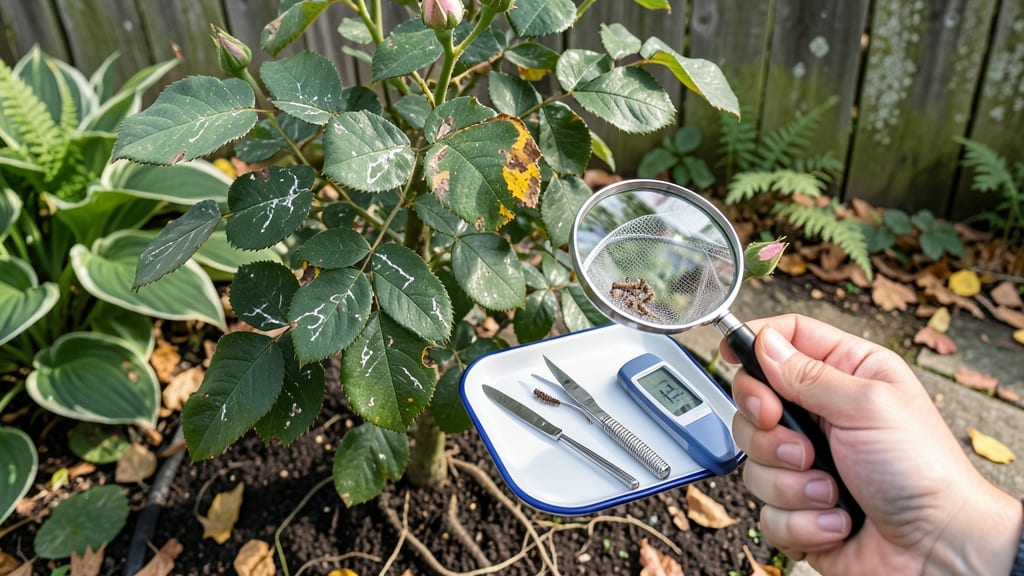
Those tiny white squiggles in rose leaves aren’t just unsightly—they’re rose leaf miners, and they’ll strip your bushes bare if you don’t act fast. 🌿 I’ve battled these pests head-on, and I’ll show you the 3-step organic rescue that saved my once-skeletally bare roses, turning them back into lush, productive plants within a single season.
Leaf miners start small—tiny yellow blotches that grow into winding trails—then the leaves curl, yellow, and drop. The damage isn’t just cosmetic; it weakens the plant, leaving it vulnerable to disease.
The good news? You don’t need harsh chemicals to win. My method combines early detection, physical removal, and natural deterrents that work faster than store-bought sprays.
By the time you finish these steps, your roses will be on the mend, with new growth pushing out stronger than ever. The secret lies in timing—catch it early, and you’ll see results in 2-3 weeks.
No more wilting leaves or hidden pests; just healthy foliage that thrives all season long.
This works for hybrid teas, floribundas, and even old garden roses—no matter your variety or experience level. Let’s get those leaves back to their full glory without breaking the bank or harming pollinators.
Hidden Invaders Behind Wilted Leaves
Those serpentine trails and blistered foliage on your roses aren’t just bad luck—they’re a tiny but relentless pest with a specific modus operandi. Understanding why these leaf miners strike is the first step to outsmarting them.
Let’s break down the science behind their infestation patterns, so you can fortify your roses before they become a buffet.
The primary culprit is the rose leaf miner moth (Phyllocnistis citrella), whose larvae are the real troublemakers. Here’s how their biology turns your leaves into a minefield:
- Eggs hatch into larvae: Females lay eggs on new growth or tender leaves. Within days, larvae emerge and burrow between the upper and lower leaf surfaces, creating serpentine tunnels as they feed on mesophyll cells (the leaf’s spongy tissue).
- Silk trails reveal their path: Larvae spin silk as they move, leaving visible white or brown trails—a dead giveaway. Their feeding disrupts photosynthesis, causing leaves to curl, yellow, and eventually die.
- One leaf = one larva: A single larva can devastate an entire leaf, but multiple larvae per leaf are rare. The damage isn’t from the moth itself but from its larval stage, which lasts 2–3 weeks.
Pro Tip: 🔍 Check the undersides of leaves for tiny, white larvae or their silk tunnels—early detection means faster action.
Leaf miners don’t just appear out of nowhere—they’re opportunistic and thrive when conditions are perfect for them. These factors turn your roses into a leaf miner’s dream:
| Factor | Why It Helps Leaf Miners | How to Disrupt It |
|---|---|---|
| 🌡️ Warm, humid weather | Larvae develop faster in temps above 75°F (24°C) and high humidity. Moths also fly more aggressively in heat. | Use shade cloth in peak summer or prune for airflow to reduce humidity near foliage. |
| 🍃 New, tender growth | Moths prefer laying eggs on fresh shoots—the softer the leaf, the easier for larvae to penetrate. | Encourage older, tougher leaves by avoiding heavy nitrogen fertilizer (which promotes soft growth). |
| 🌱 Overcrowded roses | Tight plantings create microclimates with high humidity and less airflow, giving larvae a protected environment. | Space roses 3–4 feet apart and prune for sunlight penetration. |
| 🚫 Lack of natural predators | Birds, parasitic wasps, and ladybugs eat leaf miner eggs/larvae, but pesticides (even organic ones) can kill them too. | Plant companion plants like marigolds or dill to attract beneficial insects. |
Key Insight: ✨ Leaf miners are seasonal—they peak in late spring to early summer when roses are flush with new growth. Staying ahead of their life cycle is your best defense.
Leaf miners don’t just stay put—they hitchhike and fly to new hosts, turning one infested rose into a neighborhood outbreak. Here’s how:
- Wind and moth flight: Adult moths are weak fliers but can travel up to 1 mile (1.6 km) in windy conditions, especially at dusk.
- Contaminated tools/garden debris: Pruners, gloves, or even water from infested plants can transfer eggs or larvae to healthy roses.
- Birds and wildlife: While they don’t spread the miners directly, birds may dispersal eggs on their feet when moving between gardens.
Action Step: 🔥 Isolate newly infested plants and sterilize tools with rubbing alcohol between uses to prevent cross-contamination.
Now that you know why these pests target your roses, the next step is cutting off their access—without chemicals. Stay tuned for organic strategies to reclaim your foliage!
How to Fix It Naturally
Now that you know what’s causing those unsightly trails and wilting leaves, it’s time to act! The good news is that you can tackle this pest problem without harsh chemicals.
Below are practical, organic solutions tailored to the root cause—whether it’s early detection, manual removal, or long-term prevention. Let’s get your roses back to their glorious, healthy selves!
Cause: Tiny larvae tunneling under leaves go unnoticed until damage spreads. Fix: Play detective and act fast!
- 👀 Inspect leaves daily (especially undersides) for:
- White, serpentine trails (larvae paths).
- Brown, crinkled, or "windowpane" spots (larvae feeding).
- Tiny black dots (frass, or waste droppings).
- 🪒 Remove infested leaves immediately by:
- Snipping with clean pruners (don’t drop leaves on the ground).
- Placing them in a sealed bag for trash pickup (not compost—larvae survive!).
- 🌿 Prune lightly to improve airflow—less humidity = fewer pests.
Pro Tip: 💡 Time it right! Check leaves in the early morning when larvae are sluggish and easier to spot.
Cause: Larvae have already established tunnels, and leaves are severely damaged. Fix: Use targeted, eco-friendly sprays to suffocate or deter them.
| Treatment | How to Apply | Best For | Frequency |
|---|---|---|---|
| Neem Oil Spray | Mix 1 tbsp neem oil + 1 tsp mild soap in 1 quart water. Spray undersides of leaves. | Early-stage larvae, prevention. | Every 5–7 days (3x total). |
| Horticultural Oil | Apply directly to tunnels (use a cotton swab for precision). | Mature larvae in established tunnels. | Once, repeat in 10 days. |
| Insecticidal Soap | Spray thoroughly on both leaf sides (avoid flowers). | Adult flies laying eggs. | Weekly until flies are gone. |
| Kaolin Clay | Mix 1–2 tbsp clay powder in 1 gallon water. Spray to create a protective barrier. | Deters adult flies from laying eggs. | Every 2 weeks. |
👨🍳 DIY Spray Hack: Combine 1 cup water + 1 tbsp vegetable oil + 1 tsp dish soap in a spray bottle. Shake well and apply to both leaf surfaces at dusk (avoids harming bees).
⚠️ Warning: Always test sprays on a small leaf first—some roses are sensitive!
Cause: Recurring infestations mean the environment is still inviting to pests. Fix: Break the cycle with smart garden habits.
- 🌡️ Monitor soil moisture: - Overwatering = happy larvae. Water deeply but less often (1–2 inches per week). - Use drip irrigation to keep foliage dry. - ✨ Boost beneficial predators: - Ladybugs, lacewings, and parasitic wasps eat leaf miner larvae.
Buy them online or attract them with: - Dill, fennel, or yarrow planted nearby. - A shallow water dish with pebbles (for adult predators). - 🎯 Mulch strategically: - Apply 2–3 inches of organic mulch (straw or wood chips) to smother pupating larvae in the soil. - Keep mulch 6 inches away from the rose stem to prevent rot. - 🔪 Fall cleanup is key: - Rake and remove all leaf litter in autumn (larvae pupate in soil over winter). - Disinfect pruners with rubbing alcohol between cuts.
🌟 Bonus: Companion planting works! Try rosemary, lavender, or garlic near roses—their scents repel pests.
Final Reminder: Consistency is everything! Check your roses weekly during growing season (spring–fall) and act at the first sign of trouble. With these steps, your roses will bounce back—and stay miner-free! 🌹✨
Frequently asked questions
What do rose leaf miner trails look like on leaves?
Look for white or brown serpentine lines winding between leaf surfaces—these are the larvae’s feeding tunnels. You’ll also spot tiny black specks (frass, or waste) along the trails. Check undersides of leaves first, as larvae hide there during the day.
Can I save a rose bush already heavily damaged by leaf miners?
Yes, but act fast! Prune away all infested leaves and apply neem oil or horticultural oil directly to tunnels. Focus on new growth—healthy buds will push out quickly if you remove damaged foliage. Expect full recovery in 4-6 weeks with consistent care.
Will rose leaf miners kill my rose bush?
While they won’t kill mature bushes, severe infestations can weaken plants by blocking sunlight and reducing photosynthesis. Young roses are more vulnerable. The key is early intervention—catch it before 50% of leaves show damage, and your rose will rebound.
How do I prevent leaf miners from spreading to other plants?
Isolate infested roses immediately and sterilize tools with rubbing alcohol. Remove fallen leaves daily (don’t compost them!). Use kaolin clay spray as a barrier on nearby plants, and avoid overhead watering to prevent moths from landing on fresh leaves.
Are there chemical options if organic methods fail?
As a last resort, use pyrethrin-based sprays (derived from chrysanthemums) or spinosad, which are less harmful than synthetic pesticides. Always follow label instructions and apply at dusk to protect pollinators. Test on a small area first—some roses are sensitive.