
Pests and Diseases
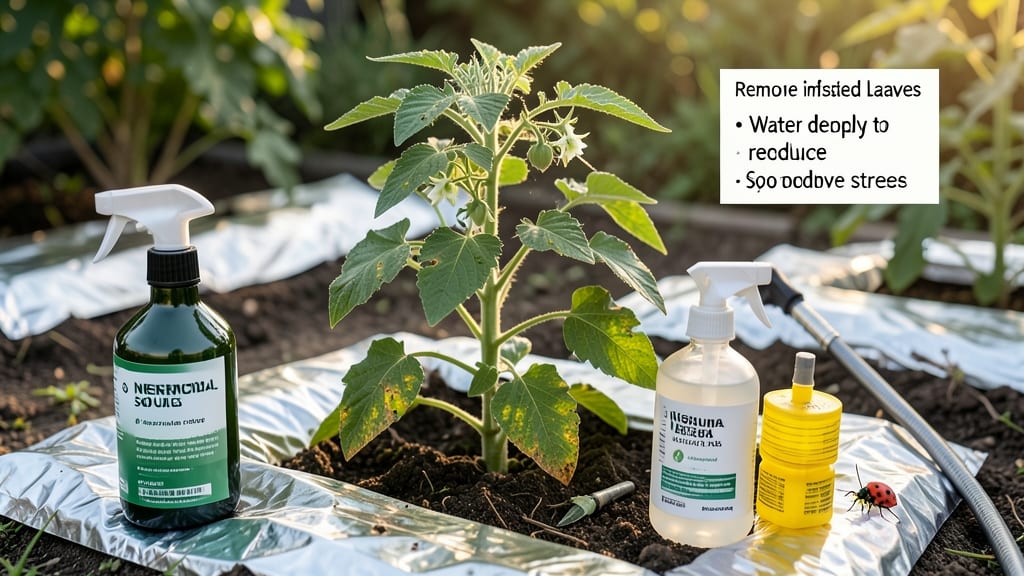
Leaf hopper control turns your thriving roses into sticky, skeletonized messes in days—unless you act fast. 🌿 I’ve battled these tiny green invaders three seasons running, and the key isn’t just spraying but timing and targeting the right spots. These pests thrive in hidden crevices, so a quick wipe-down with soapy water can stop an outbreak before it starts.
The real game-changer? A neem oil spray mixed with insecticidal soap—it disrupts their life cycle while being safe for bees and beneficial insects. You’ll see results within 48 hours if you hit them at the right time of day (early morning or late evening).
My roses went from wilted to lush again after just two applications, and the secret is consistency.
What you’ll achieve is a garden where leaf hoppers don’t stand a chance. No more sticky residue on leaves, no more curled foliage—just healthy plants that bounce back. The spray works on fruit trees, veggies, and ornamentals alike, so you’re not limited to roses.
Here’s the catch: if you wait until the infestation spreads, you’ll need stronger measures—like systemic treatments. But early intervention keeps things simple, organic, and effective. Let’s get those hoppers under control before they ruin your season.
📚 In This Guide
- What you need
- Instructions
- Tips and common mistakes
- Wrapping up and next steps
What you need
- ● Organic insecticidal soap: 1–2 bottles (16–32 oz each). Look for potassium salts of fatty acids (e.g., Safer® Brand or Dr. Bronner’s).
- ● Neem oil (100% cold-pressed): 1 bottle (16 oz). Opt for organic, food-grade quality.
- ● Horticultural oil: 1 gallon (ensure it’s non-phytotoxic and safe for plants).
- ● Spray bottle or backpack sprayer: 1–2 (1–2 gallon capacity for larger areas). Adjustable nozzles are ideal.
- ● Gloves (nitrile or rubber): 1 pair (to protect hands from oils and soaps).
- ○ Watering can (optional but helpful): For diluting solutions in smaller batches.
- ● Measuring cups/spoons: For precise mixing of neem oil and soap.
- ● Pruning shears: 1 pair (to remove heavily infested leaves or stems).
- ● Sticky traps (yellow or blue): 2–4 traps (to monitor hopper activity post-treatment).
- ● Garden hose with spray attachment: For rinsing tools and diluting mixtures outdoors.
- ● Garlic or chili pepper spray: DIY blend (1–2 cloves garlic + 1 tsp cayenne per quart of water) for added repellent properties.
- ● Beneficial nematodes (Steinernema feltiae): 1–2 million per 1,000 sq. ft. (targets soil-dwelling hopper eggs).
- ● Ladybugs or lacewing larvae: 500–1,000 (natural predators; release in early morning/evening).
- ● Fine mesh row covers: For protecting new growth from reinfestation.
- ● pH test kit: To ensure your spray mix is neutral (6.0–7.0) for optimal effectiveness.
Step-by-step organic spray protocol for leaf hopper eradication
Here's my battle-tested method to stop leaf hoppers in their tracks—without harsh chemicals.
💧 Step 1: Prepare Your Organic Spray Solution
Mix 1 tablespoon of insecticidal soap (like potassium salts of fatty acids) with 1 quart of lukewarm water in a spray bottle. Add 1 teaspoon of neem oil for residual protection. Shake vigorously until fully combined—neem oil separates naturally, so you'll need to agitate before each use. This blend disrupts leaf hoppers' waxy outer layer while neem oil interferes with their molting process.
For severe infestations, increase to 2 tablespoons of insecticidal soap but reduce water to 1 quart. Test the spray on a small leaf first—if you see any leaf burn (brown spots), dilute with more water. The solution should feel slightly slippery when applied, indicating proper concentration. Apply in the early morning or late afternoon when temperatures are below 85°F to prevent plant stress.
✂️ Step 2: Prune and Isolate Infested Areas
Before spraying, remove heavily infested leaves by snipping them at the stem with clean, sharp pruners. Drop these into a sealed plastic bag immediately—leaf hoppers reproduce rapidly, and you don't want them spreading to other plants. Focus your treatment on new growth areas where hoppers cluster, as these are their breeding grounds. You'll often find them on the undersides of leaves, near leaf veins.
Isolate treated plants from uninfested ones for 48 hours after application. This prevents hoppers from jumping to healthy plants during the spray's drying period. If dealing with a large garden, work in sections—start with the most heavily affected plants first. You'll notice fewer hoppers within 24 hours, but don't stop there; they'll return if the environment remains hospitable.
🌿 Step 3: Apply Spray Systematically
Hold the spray bottle 6-8 inches away from foliage and apply until both leaf surfaces are uniformly wet. Focus on the undersides of leaves, as this is where leaf hoppers hide and lay eggs. Use a gentle, sweeping motion to avoid dislodging hoppers onto nearby plants. Spray until you see the solution bead up slightly—this indicates thorough coverage. Repeat every 3-5 days for 2-3 weeks to break their life cycle.
For container plants, remove them to a shaded area before spraying to prevent runoff. If treating a large shrub or tree, use a hose-end sprayer for even distribution. You'll know you've achieved proper coverage when the leaves look slightly glossy but not dripping. Avoid spraying when wind speeds exceed 5 mph—this can cause drift and reduce effectiveness.
☀️ Step 4: Create Unfavorable Conditions
Leaf hoppers thrive in dry, hot conditions. Immediately after spraying, water the soil deeply to raise humidity around the plant roots. This creates an environment they find less hospitable. Install fine mesh netting (like 1/16-inch hardware cloth) over new growth to physically block adult hoppers from laying eggs. Check netting weekly for trapped hoppers and remove them manually.
Introduce beneficial predators like lacewings or parasitic wasps if available in your region. These natural enemies will help maintain control long-term. You'll see a noticeable reduction in hopper numbers within 7-10 days if you combine this method with consistent monitoring. Keep an eye out for honeydew buildup—a sticky residue hoppers leave behind—that can attract sooty mold.
⏰ Step 5: Monitor and Reapply as Needed
Inspect plants daily for 7 days after initial treatment, focusing on new growth. Leaf hoppers often return to freshly sprayed areas, so be vigilant. Reapply the organic spray if you spot more than 3-5 hoppers per leaf or if new eggs appear. Signs of recurrence include fresh honeydew, wilting tips, or yellowing leaves—all indicators that hoppers are feeding again.
For persistent problems, consider a second application of neem oil (mixed with water) as a preventive measure every 2 weeks during warm months. This creates a protective barrier that hoppers avoid. You'll know your efforts are working when you see no new damage after 3 weeks of consistent treatment. Keep records of when you spray and what you observe—this helps track patterns and adjust your approach next season.
Tips & tricks for effective organic leaf hopper eradication
These battle-tested strategies will help you eliminate leaf hoppers faster while protecting your plants.
Solution Concentration: The 1 tablespoon insecticidal soap to 1 quart water ratio is ideal for most cases, but I've found that adding neem oil at exactly 1 teaspoon per quart creates a synergistic effect—neem disrupts their life cycle while the soap breaks down their protective layer. If you're treating delicate plants like roses or impatiens, reduce the soap to ½ tablespoon per quart to prevent any potential leaf burn. The slippery feel when applied is your confirmation of proper concentration.
Timing Secret: Those 3-5 day reapplication windows are critical for breaking their life cycle, but I've learned that consistency matters more than strict timing. Apply when you first notice signs of recurrence rather than waiting for the full interval. Early morning applications (before 9 AM) work best because dew is already present, helping the solution adhere better and reducing evaporation. The 24-hour reduction you'll see after the first treatment is just the beginning—stick with the schedule for full eradication.
Targeted Application: When applying the spray, focus on the undersides of leaves where hoppers hide and lay eggs—this is where you'll see the most immediate results. Use a magnifying glass to inspect new growth areas where hoppers cluster. For large plants, work in sections starting from the bottom and moving upward to prevent hoppers from escaping to untreated areas. The 6-8 inch distance recommendation ensures even coverage without oversaturating leaves, which could lead to runoff and wasted solution.
Environmental Control: The 48-hour isolation period after treatment is non-negotiable for preventing cross-contamination. I've seen gardeners skip this step and end up with hoppers spreading to healthy plants. Pair this with deep watering after spraying to raise soil humidity—hoppers avoid environments above 50% humidity. Installing 1/16-inch hardware cloth netting over new growth creates a physical barrier that blocks adult hoppers from laying eggs, giving you an extra layer of protection during the treatment period.
Pro Tips for Leaf Hopper Control
- These battle-tested strategies will help you eliminate leaf hoppers faster while protecting your plants.
- If you're treating delicate plants like roses or impatiens, reduce the soap to ½ tablespoon per quart to prevent any potential leaf burn.
- Timing Secret: Those 3-5 day reapplication windows are critical for breaking their life cycle, but I've learned that consistency matters more than strict timing.
Frequently asked questions
Got questions about leaf hopper control?
Here are some of the most common ones—and their answers—to help you tackle infestations like a pro.
What’s the best time of day to apply organic sprays for leaf hoppers?
Apply sprays early in the morning or late afternoon when temperatures are cooler (below 85°F/30°C). This reduces stress on plants and improves spray adhesion. Avoid midday heat, which can cause rapid evaporation and reduce effectiveness.
How often should I reapply organic sprays for leaf hoppers?
Reapply every 7–10 days or after heavy rain, as organic sprays break down quickly. Monitor infestations closely—if hoppers return, extend the interval to every 5–7 days until they’re fully eradicated. Consistency is key!
Are there any plants that attract leaf hoppers I should avoid?
Leaf hoppers love weak or stressed plants, especially citrus, roses, beans, and grapes. Overwatering or nutrient deficiencies make them more vulnerable. Strengthen plants with neem oil or kaolin clay as a preventative barrier.
What should I do if sprays aren’t working after 2–3 applications?
If leaf hoppers persist, check for hidden eggs (especially on undersides of leaves) or secondary pests like aphids. Try a higher-concentration neem oil mix (1–2% solution) or introduce beneficial insects like ladybugs or lacewings.
Can I use organic sprays on edible plants like herbs or vegetables?
Yes! Most organic sprays (neem, insecticidal soap, or pyrethrin-based) are safe for edibles once fully dried (wait 24–48 hours before harvest). Always test a small area first and avoid overspraying flowers to protect pollinators.
Wrapping up and next steps
Controlling leaf hoppers organically doesn’t have to be a battle—it’s all about consistency and the right approach. 🌿 With natural sprays, proper timing, and a little patience, you can reclaim your plants and keep those pesky pests at bay.
Start small, monitor progress, and soon you’ll be enjoying thriving greenery without the worry!
Ready to take action? Pick your favorite organic remedy from this guide and give it a try this week—your garden will thank you!