
Pests and Diseases
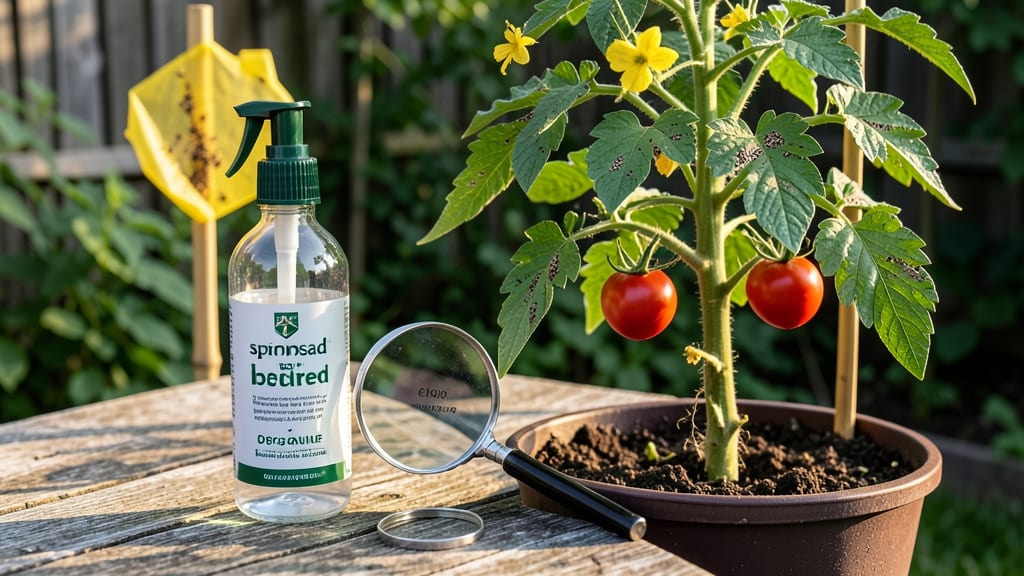
Spinosad leaf miners can turn your lush plants into skeleton leaves faster than you can say "pest problem." 🌿 I’ve battled these tiny white maggots in my own garden, and I’ll show you how to stop them in their tracks—without harsh chemicals.
The first sign? Tiny, winding trails in leaves that look like someone drew with a white crayon. By the time you see adult flies, it’s already too late. But spinosad—a natural bacteria-derived spray—works fast when applied correctly, usually within 3-5 days of treatment.
You’ll need a spray bottle, spinosad concentrate, and a calm afternoon to avoid wind. The key is even coverage on both leaf surfaces, especially the undersides where miners hide. Reapply every 7-10 days until new growth appears free of trails.
This method works on tomatoes, peppers, and herbs, but always test on a small area first. And here’s the secret: prevention—keep your garden clean and use row covers early in the season to block adult flies before they lay eggs.
📚 In This Guide
- What you need
- Instructions
- Tips and common mistakes
- Wrapping up and next steps
What you need
- ● Spinosad-based insecticide: 240–480 g/L concentration (e.g., Success® or Tracer®). Quantity: 1–2 oz (30–60 mL) per gallon of water.
- ● Look for OMRI-listed or organic-certified products.
- ● Spray equipment: Handheld sprayer (2–4 gallon capacity, cone or flat-fan nozzle).
- ● Backpack sprayer (for large gardens, 4–10 gallon capacity).
- ● Protective gear: Nitrile gloves (thick, chemical-resistant).
- ● Long sleeves/pants (lightweight, breathable fabric).
- ● Safety goggles (for eye protection).
- ● Water source: Clean, lukewarm water (avoid hard water if possible).
- ● Measuring tools: Measuring cup or graduated cylinder (for precise spinosad dilution).
- ● Stirring stick (wooden or plastic).
- ● Surfactant: 1 tsp per gallon (e.g., Soap Spray) to improve adhesion.
- ● pH adjuster: Vinegar (1 tbsp per gallon) if water is alkaline (pH > 7).
- ● Labeling tape: To mark spray dates on equipment.
- ● Fine mesh screen: For straining spinosad mix if clumping occurs.
Step-by-Step instructions for organic leaf miner eradication
Here’s how I tackle leaf miners fast—no harsh chemicals, just targeted sprays and smart timing.
🌿 Step 1: Identify and Locate the Infestation
Start by examining the undersides of leaves, where leaf miners hide. Look for serpentine trails or blisters—those are their feeding signs. I use a 10x magnifying glass to spot tiny white larvae or pupae in the webbing. This step is critical because spinosad works best when you hit the young larvae stage before they burrow deeper.
Check plants in the late afternoon when larvae are most active and visible. If you see frass (black fecal matter) along the trails, that’s proof they’re feeding actively. Don’t wait—leaf miners multiply fast, and the longer they feed, the more damage they cause.
💧 Step 2: Prepare the Spinosad Solution
Mix 1 teaspoon of spinosad concentrate per quart of water in a spray bottle or pump sprayer. I always use lukewarm water to help the solution adhere better to leaves. Shake well before each use—spinosad tends to settle. This concentration is strong enough to kill larvae but gentle enough for organic certification.
Add 1 drop of liquid dish soap per quart to act as a sticker. Without it, rain or dew can wash the spray off before it works. Test the spray on a small leaf first—if it beads up, your soap concentration is too high. You want it to spread evenly without leaving residue.
✂️ Step 3: Apply Spray Precisely and Repeatedly
Spray directly on the undersides of leaves where you saw the trails or larvae. Focus on new growth first—those leaves are most vulnerable. I like to spray in the early morning so the solution has time to dry before the sun peaks. Reapply every 5-7 days for two weeks total, even if you don’t see larvae immediately.
Here’s the thing—spinosad works by contact, so you need full coverage. If you miss a spot, larvae will survive and repopulate. I use a fine-mist setting on my sprayer to ensure even distribution. Avoid spraying in direct sunlight—it can burn leaves and reduce effectiveness.
☀️ Step 4: Monitor and Prevent Reinfection
After your final spray, keep an eye on plants for new feeding signs. Leaf miners often return if nearby plants harbor eggs. I recommend removing heavily infested leaves with pruning shears and disposing of them in a sealed bag. Don’t compost them—the larvae will survive and spread.
To prevent future outbreaks, prune plants regularly to improve airflow and reduce humidity (leaf miners love damp conditions). I also rotate crops annually—leaf miners target specific plants, so changing locations disrupts their life cycle. If reinfestation happens, repeat the spinosad treatment immediately.
⏰ Step 5: Time Your Sprays for Maximum Impact
Spinosad’s effectiveness drops after 24 hours of exposure to sunlight or rain. Plan your sprays for overcast days or early mornings to maximize staying power. I set a reminder every 5 days in my phone—consistency is key here.
Watch for secondary pests like aphids after treatment. Spinosad can disrupt the ecosystem briefly, so I keep a neem oil spray on hand as a backup. If you see new pests, treat them separately within 48 hours to avoid a full-blown infestation.
Tips & tricks for organic leaf miner eradication
Real talk: The key to beating leaf miners fast lies in precision and timing—here's what nobody tells you about getting it right.
Timing is Everything: In Step 1, focus your inspection on new growth and undersides—that's where larvae hide. I learned this the hard way after missing a batch because I only checked the tops. Use your magnifying glass to spot the tiny white larvae or their frass trails—those are your targets. The late afternoon inspection time is critical because larvae are most active then, making them easier to spot before they burrow deeper.
Solution Stability: When mixing your spinosad solution in Step 2, use lukewarm water and shake it well before each use—this prevents the concentrate from settling at the bottom. The 1 teaspoon per quart ratio is perfect, but if you're treating a large garden, you can scale up proportionally. I always test the spray on a small leaf first to check for proper adhesion; if it beads up, your soap concentration might be too high.
Application Strategy: In Step 3, don't just spray randomly—focus on the undersides of leaves where larvae hide. Use a fine-mist setting and spray until the leaves glisten slightly, ensuring full coverage. Early morning application prevents the solution from evaporating quickly in direct sunlight. The 5-7 day reapplication schedule is non-negotiable for two weeks—this consistent timing is what breaks the larvae's life cycle.
Prevention Mindset: After your final spray in Step 4, make it a habit to remove heavily infested leaves immediately and dispose of them in sealed bags. Don't compost them—the larvae will survive and spread. Regular pruning to improve airflow and rotating crops annually are your best defenses against future outbreaks. I've found that leaf miners rarely return if you stay consistent with these prevention steps.
Pro Tips for Spinosad Leaf Miner
- Real talk: The key to beating leaf miners fast lies in precision and timing—here's what nobody tells you about getting it right.
- Timing is Everything: In Step 1, focus your inspection on new growth and undersides—that's where larvae hide.
- Solution Stability: When mixing your spinosad solution in Step 2, use lukewarm water and shake it well before each use—this prevents the concentrate from settling at the bottom.
Frequently asked questions
Got questions about tackling spinosad leaf miners?
You’re not alone—this pesky pest can be tricky! Here are answers to the most common concerns to help you regain control of your plants quickly and effectively.
What are the first signs of a spinosad leaf miner infestation?
Look for serpentine trails (tiny, winding lines) inside leaves, often near the midrib. Later, you’ll spot pupae (white, rice-like cocoons) on the leaf surface or soil. Yellowing or wilting leaves? That’s your cue to act fast!
How long does it take for spinosad to work against leaf miners?
Spinosad starts killing larvae within 24–48 hours of application, but repeat treatments (every 7–10 days) are key to break the life cycle. Adults may still emerge, so monitor leaves closely for new activity.
Can I use spinosad on edible plants like herbs or veggies?
Yes! Spinosad is organic and EPA-approved for use on most edible plants, including herbs, tomatoes, peppers, and greens. Follow label instructions for harvest intervals (typically 1–3 days) to ensure safety.
What’s the best time of day to spray spinosad for maximum effectiveness?
Spray early morning or late afternoon to avoid heat stress on plants and maximize coverage. Avoid spraying when leaves are wet (like after rain) or in direct sunlight—this can reduce efficacy and harm beneficial insects.
My spinosad spray isn’t working—what should I try next?
If leaf miners persist, check for proper coverage (undersides of leaves!) and reapply if rain washes it off. For severe cases, combine spinosad with neem oil or introduce beneficial nematodes (like Steinernema feltiae) to target larvae in the soil.
Will spinosad harm bees or other pollinators?
Spinosad is low-toxicity to bees when used as directed, but avoid spraying directly on flowers or when bees are actively foraging. For extra safety, apply sprays after pollination hours (e.g., late afternoon).
Wrapping up and next steps
Dealing with spinosad leaf miners doesn’t have to be a losing battle—with the right organic spray protocol, you can reclaim your plants in no time! 🌱 The key is consistency: monitor early, act fast with spinosad, and combine it with cultural practices like sanitation and beneficial insects.
Your garden’s health is worth the effort, and these steps will keep those pesky miners at bay.
Ready to take action? Start today by assessing your plants, gathering your supplies, and applying the spray at the first sign of trouble. You’ve got this! 💪