
Planting
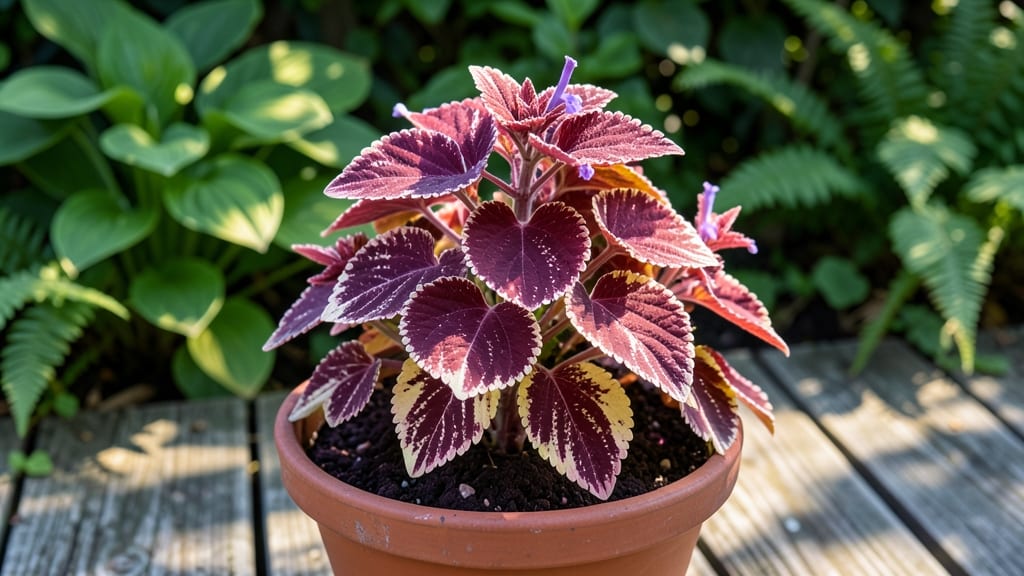
Your garden just got a bold upgrade with red-leafed plants that steal the show. 🌿 These striking varieties—like Japanese maple, Coleus, or Heuchera—bring fiery color that stays vibrant all season, even in partial shade. The secret? Matching their care to their natural habits, from soil moisture to sunlight.
Start with three essentials: well-draining soil (mix in compost), a spot with 4-6 hours of sunlight, and regular watering that keeps roots happy without soggy leaves. My Heuchera thrives in a spot where others fade, and its deep burgundy leaves stay crisp through summer heat.
For extra drama, pair it with silver foliage or white flowers—the contrast makes the red pop even more. By summer’s end, you’ll have lush, year-round color that outshines seasonal blooms. The key is pruning spent growth in early spring and feeding lightly during active growth.
Even beginners can nail this—just avoid overwatering, and you’re golden. Works in containers or garden beds, from sunny patios to shaded corners. Let’s get those fiery leaves growing!
📚 In This Guide
- What you need
- Instructions
- Tips and common mistakes
- Wrapping up and next steps
What you need
- ● Red-leafed plant varieties: Choose from Coleus, Heuchera, Japanese Maple (Acer palmatum), or Begonias (1-3 plants, depending on space).
- ● High-quality potting mix: 1 bag (10-15 lbs) of well-draining, organic soil (e.g., Miracle-Gro Potting Mix or FoxFarm Ocean Forest).
- ● Containers or garden bed: For potted plants: 6-12" diameter pots with drainage holes (1 per plant).
- ● For garden beds: Loose, fertile soil with partial shade (if planting outdoors).
- ● Slow-release fertilizer: 1 packet (e.g., Osmocote Smart-Release Plant Food for 3-4 months of nutrients).
- ● Watering can or hose: With a gentle spray nozzle for even moisture.
- ● Hand trowel or small shovel (for transplanting or soil prep).
- ● Pruning shears (to trim dead leaves and encourage growth).
- ○ Gloves (optional but recommended for handling soil or thorny plants like Begonias).
- ○ Mulch (optional): 1-2 bags of shredded bark or straw to retain moisture and suppress weeds.
- ● Sunlight assessment: Confirm your space gets 4-6 hours of indirect light daily (critical for vibrant red foliage!).
- ● 🌡️ Temperature: Most red-leafed plants thrive in 60–75°F (15–24°C). Avoid drafts or extreme heat.
- ● ✨ Color boost: Add a balanced liquid fertilizer (like Dyna-Gro Grow) every 4-6 weeks for deeper hues.
- ● 💧 Watering: Keep soil consistently moist but not soggy—red leaves wilt faster than green!
How to grow stunning red leafed plants that keep their color
Here’s how to keep those fiery red leaves looking vibrant from spring through fall—no fading in sight.
🌱 Step 1: Pick the Right Red Leafed Variety for Your Space
Not all red-leaved plants thrive equally. For full sun spots, try Coleus, Lantana, or Red Hot Poker—their colors intensify under bright light. If you’re in partial shade, Heuchera (Coral Bells) or Astilbe will reward you with deep burgundy hues without scorching. I always check a plant’s mature size first—some like Red Emerald Boxwood grow wide, while others like Red Vein Caladium stay compact.
Here’s the thing—some red leafed plants lose their color in winter. If you want year-round drama, opt for evergreen varieties like Dwarf Mondo Grass or Red Twig Dogwood. For seasonal impact, annuals like Red Velvet Petunia deliver instant color but need replacing each spring. Match your plant to your growing zone’s frost dates—most tropical red leafed plants won’t survive below 25°F.
☀️ Step 2: Master Light and Soil for Maximum Color Intensity
Red leaves stay bold when they get 6+ hours of direct sun daily, but too much scorches them. I place mine where they get morning sun and afternoon shade—this keeps the color vibrant without burning. For indoor red leafed plants like Red Aglaonema, a south-facing window or grow light 12 inches away works best. Watch for leaves that turn dull green or brown—this is your signal to adjust light.
The soil makes a huge difference too. Red leafed plants often need well-draining, slightly acidic soil (pH 5.5-6.5). I mix 50% potting mix with 30% perlite and 20% compost for extra nutrients. For container plants, add a handful of sphagnum peat moss to retain moisture without compacting. Overwatering turns red leaves muddy brown—always let the top 1 inch of soil dry out between waterings.
💧 Step 3: Water and Feed for Consistent Color
Watering red leafed plants wrong makes their color fade fast. I water deeply once a week (twice in summer) until water runs out the drainage holes. The key is even moisture—never let them sit in soggy soil. For container plants, I check soil moisture by sticking my finger 1 inch deep. If it feels dry, water; if damp, wait. Overwatering causes root rot, which turns leaves yellow before they fade to sad green.
Fertilizer keeps that red pop bright. Use a balanced liquid fertilizer (10-10-10) every 4-6 weeks during growing season. For extra vibrancy, I switch to a high-phosphorus feed (5-10-5) when flowers appear—it boosts red hues in blooms like Lantana. Flush the soil with water after fertilizing to prevent salt buildup, which dulls leaves over time.
✂️ Step 4: Prune and Deadhead to Encourage New Growth
Pruning isn’t just about looks—it keeps red leafed plants producing fresh, colorful foliage. I snip leggy stems back by ⅓ in spring to encourage bushier growth. For herbaceous perennials like Heuchera, I remove yellow or damaged leaves as soon as I see them—this prevents disease from spreading and keeps new leaves bright.
Deadheading spent blooms (like on Red Velvet Petunia) redirects energy to leaf production. I pinch off flowers with my fingers or use clean scissors—just above a set of leaves. This trick works especially well for annuals, which reward you with nonstop color if you stay on top of it. For shrubs like Boxwood, a light trim after flowering keeps their shape tight and their color rich.
🌿 Step 5: Protect Color Through Seasonal Changes
Summer heat and winter chill both dull red leaves if you don’t act. In hot climates, I provide afternoon shade with a lightweight shade cloth (30-50%) to prevent leaf scorch. For cold snaps, I mulch 2-3 inches deep with straw or shredded leaves to insulate roots. Evergreen red leafed plants like Red Mondo Grass handle frost better than tropical types—know your plant’s hardiness zone.
Fall is the best time to divide overcrowded clumps (like Heuchera) to refresh growth. I dig up the plant, separate roots with a clean knife, and replant sections in fresh soil. This jumpstarts next year’s color. For container plants, I move them to a bright, cool indoor spot (like a sunroom) before the first frost—50°F is their winter happy zone.
Tips & tricks for vibrant red leafed plants
Keeping those bold red leaves popping takes a few strategic moves most gardeners miss.
Light Placement Matters: The morning sun and afternoon shade combo is non-negotiable for maintaining that fiery color. If you notice leaves turning dull green, it's your cue to move them—either to a shadier spot or to a location with more morning light. For indoor plants like Red Aglaonema, rotate them every few weeks so all sides get even light exposure. Uneven lighting causes one-sided color fading that's hard to fix once it starts.
Soil pH is Your Secret Weapon: That 5.5-6.5 pH range isn't just a suggestion—it's what keeps red pigments vibrant. Test your soil annually, especially if you're in a naturally alkaline area. I've seen red Heuchera turn muddy brown when planted in soil with pH 7.5. For containers, mix in a handful of sulfur-based amendment to maintain that acidic range. The difference in color intensity is shocking when you get it right.
Watering Technique That Saves Color: The finger test works better than any moisture meter for these plants. Stick your finger 1 inch deep—if it feels dry, water until it runs out the drainage holes. If it's still damp, wait another day. Overwatering causes the red pigments to break down faster, turning leaves into sad, washed-out green. I've ruined three batches of Coleus this way before learning this trick. For container plants, I water until I see moisture at the bottom of the pot—this ensures even moisture without soggy roots.
Seasonal Color Protection: Don't wait for frost to act—move tender plants indoors before temperatures drop below 50°F. I've lost too many tropical red leafed plants by being a week too late. For outdoor plants, apply that 2-3 inch mulch layer before the first frost to create an insulating blanket. The mulch also helps maintain even soil moisture through winter, which prevents the color shock that comes from alternating freeze-thaw cycles.
Pro Tips for Red Leafed Plant
- Keeping those bold red leaves popping takes a few strategic moves most gardeners miss.
- Light Placement Matters: The morning sun and afternoon shade combo is non-negotiable for maintaining that fiery color.
- Soil pH is Your Secret Weapon: That 5.5-6.5 pH range isn't just a suggestion—it's what keeps red pigments vibrant.
Frequently asked questions
Got questions about growing and maintaining red-leafed plants? You’re not alone! Here are some of the most common queries—plus straightforward answers to keep your foliage bold and healthy all season.
Why are my red leaves turning green or dull?
Red leaves often fade due to too much sunlight (bleaching) or insufficient light (dullness). Most red-leafed plants thrive in partial shade—think morning sun + afternoon shade. If indoors, place them near a bright window but avoid harsh afternoon rays. Nutrient deficiencies (like low iron) can also mute color, so fertilize lightly with a balanced plant food every 4-6 weeks.
How long does it take for red foliage to develop?
New growth usually shows red hues within 4-8 weeks after planting or pruning, depending on the species. For example, Coleus and Heuchera (coral bells) reveal their best colors in spring/summer, while Japanese maples may take 1-2 years to fully mature. Patience pays off—red leaves often deepen as the plant matures or with cooler weather!
Can I grow red-leafed plants in containers?
Many red-leafed plants—like Dracaena marginata (dragon tree) or Fittonia (nerve plant)—thrive in pots. Use a well-draining mix (add perlite or orchid bark) and containers with drainage holes to prevent root rot. For larger plants (e.g., Oakleaf hydrangeas), choose 10+ gallon pots and refresh soil annually. Just ensure they get the right light—most need 4-6 hours of indirect light daily.
Do red-leafed plants survive winter?
It depends! Tender perennials (like Coleus or Tricolor beech) die back in frost but can be dug up and overwintered indoors. Hardy varieties (e.g., Heuchera, Japanese maples) tolerate light freezes but may need mulch (straw or leaves) to protect roots. If your plant is not cold-hardy, move it to a garage or basement (keep temps above 35°F) until spring.
What’s a good alternative if my red leaves keep fading?
If your current plant struggles to hold its color, try these low-maintenance red-leafed alternatives:
- Purple Heart (Tradescantia pallida) – Vibrant purple stems, drought-tolerant.
- Bloodleaf (Iresine herbstii) – Deep red foliage, thrives in shade.
- Red Emerald Boxwood (Buxus) – Evergreen, great for hedges.
- Firecracker Plant (Russelia equisetiformis) – Bright red tubular flowers + stems.
Wrapping up and next steps
Growing a red-leafed plant is a rewarding way to add vibrant color and texture to your garden or home—whether you’re drawn to fiery maples, deep burgundy coleus, or striking heuchera. With the right care, these plants thrive year-round, offering season-long drama and low-maintenance beauty. 🌿
Ready to turn your space into a bold, living masterpiece? Start small: pick one variety, gather your supplies, and dive in! Your next step? Experiment with placement—sunny spots for maximum brilliance or shade for delicate contrast. Happy planting!