
Pests and Diseases
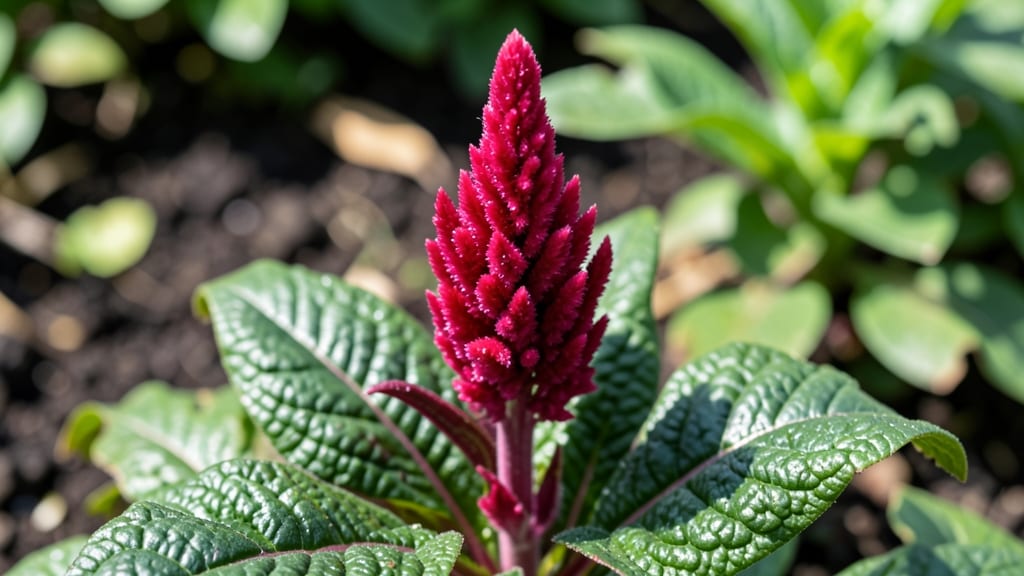
Growing lizard leaf celosia means adding year-round color that looks like a living flame. 🌿 This drought-tolerant beauty thrives in heat and humidity, its crinkled, metallic leaves shimmering in shades of silver, bronze, and deep purple—no flowers needed for drama.
The secret lies in its adaptability: it handles poor soil, full sun, and even neglect better than most plants.
Start with well-draining soil and 6-8 hours of sunlight daily—containers or garden beds work equally well. Seeds germinate fast in warm soil, but cuttings from mature plants root easily too.
Space them 12-18 inches apart to let those striking foliage patterns pop without crowding. Water only when the top inch of soil feels dry; this plant despises soggy roots.
By summer, you’ll have a firework display of texture that never fades. Pinch back leggy growth to encourage bushiness, and fertilize lightly every 6 weeks. In colder zones, treat it as an annual—it self-seeds like crazy, so you’ll always have replacements.
The foliage stays vibrant even when flowers fade, making it a low-maintenance superstar for borders or containers.
Watch out for overwatering—yellowing leaves mean you’re drowning it. And while it’s pest-resistant, check for spider mites if leaves look dusty. Once established, this plant is impossible to kill, rewarding you with bold, velvety foliage that turns heads all season long.
📚 In This Guide
- What you need
- Instructions
- Tips and common mistakes
- Wrapping up and next steps
What you need
- ● Seeds or seedlings: Celosia argentea ‘Lizard Leaf’ (1–2 plants per pot or 10–20 seeds for direct sowing).
- ● Well-draining potting mix: 1–2 bags (look for a blend with perlite or coco coir for aeration).
- ● Containers or garden bed: For pots: 6–12" diameter containers (1–2 plants per pot).
- ● For in-ground: Full sun spot (6+ hours of light) with loose, fertile soil.
- ● Slow-release fertilizer: 1–2 tbsp per plant (balanced 10-10-10 or organic option like composted manure).
- ● Watering can or hose with gentle nozzle: Avoid soaking the soil.
- ○ Gloves (optional): Protect your hands from prickly stems.
- ● Pruning shears: For trimming spent blooms or shaping plants.
- ○ Mulch (optional): 1–2 inches of straw or shredded leaves to retain moisture.
- ● Pest control (preemptive): Neem oil or insecticidal soap (for aphids/spider mites).
- ● Sunlight access: Confirm your spot gets full sun (celosia thrives on heat!).
Step-by-Step guide to cultivating lizard leaf celosia
Here's how to coax those fiery, sculptural leaves into your garden—no matter your climate.
🌱 Step 1: Select the Right Site and Soil Conditions
Lizard leaf celosia thrives in full sun to partial shade, with at least 4-6 hours of direct sunlight daily. I always choose a spot where the leaves will get morning sun and afternoon shade in hotter regions—this prevents leaf scorch while maintaining vibrant color. The soil should drain well but retain moisture; amending with compost improves fertility without compacting the roots.
Test your soil's pH—lizard leaf celosia prefers a range of 6.0-7.0. If your soil is too alkaline, mix in sulfur or peat moss to lower the pH gradually. I dig in a 2-inch layer of compost into the top 6 inches of soil before planting, which gives the plants a nutrient boost without overwhelming them.
☀️ Step 2: Plant at the Right Time and Depth
Sow seeds indoors 8-10 weeks before your last frost date or directly outdoors after all danger of frost has passed. The key is warmth—these plants won’t tolerate cold soil. I start mine in biodegradable pots filled with a sterile seed-starting mix to avoid damping-off. Plant seeds ¼ inch deep and keep the soil consistently moist until germination, which typically occurs in 7-14 days.
When transplanting outdoors, space seedlings 12-18 inches apart to allow for their dramatic foliage to spread. Dig a hole twice as wide as the root ball but only as deep as the container—planting too deep suffocates the roots. Water deeply after transplanting to settle the soil and encourage root expansion.
💧 Step 3: Water and Fertilize for Vibrant Growth
Once established, lizard leaf celosia is drought-tolerant, but consistent moisture is critical during the first 4-6 weeks after planting. Water at the base of the plant in the morning to reduce fungal risks, and avoid wetting the foliage—this prevents leaf spot diseases that can mar their striking appearance. You’ll know you’re watering correctly when the top 1-2 inches of soil feel dry to the touch.
Feed with a balanced, water-soluble fertilizer (10-10-10) every 4-6 weeks during the growing season. I switch to a low-phosphorus fertilizer in late summer to avoid excessive leaf growth at the expense of flower production. Mulch with 2-3 inches of organic mulch to retain moisture and suppress weeds, but keep it 2 inches away from the stem to prevent rot.
✂️ Step 4: Prune and Maintain for Year-Round Drama
Deadhead spent flowers regularly to encourage more blooms and keep the plant’s energy focused on foliage production. I use clean, sharp pruners to snip just above a leaf node, which stimulates bushier growth. Prune leggy stems back by ⅓ in early summer to promote compact, fuller plants—this is especially important if your celosia starts to flop under its own weight.
In colder climates, cut back the plant to 6 inches tall before the first frost and cover with straw mulch to protect the crown. Lizard leaf celosia is often grown as an annual, but in mild winters, it may regrow from the base in spring. If you’re in a frost-free zone, it can even become a perennial with proper care.
🌿 Step 5: Harvest and Preserve for Long-Lasting Color
Harvest leaves anytime for culinary or decorative use, but the best time is in the morning after the dew has dried. Cut stems 2-3 inches below the leaf node to encourage new growth. You’ll notice the plant produces fresh, vibrant leaves within 2-3 weeks—this is your cue to keep harvesting regularly to maintain its dramatic form.
To preserve the leaves, dry them in a dark, well-ventilated area for 1-2 weeks or use a dehydrator set to 95°F. Store dried leaves in airtight containers away from light to retain their rich color. I also love arranging fresh stems in vases—their fiery hues last 7-10 days when cut and placed in clean water.
Tips & tricks for perfect lizard leaf celosia cultivation
These game-changing insights will help you transform your garden into a vibrant showcase of fiery foliage—no matter your growing conditions.
Sunlight Strategy: While the instructions recommend 4-6 hours of direct sunlight daily, I've found that morning sun paired with afternoon shade is even better for maintaining color intensity. In hotter climates, consider providing 30% shade cloth during peak afternoon hours (12-4 PM) to prevent leaf scorch while still getting plenty of light for vibrant growth. This balance is especially important if you're growing in containers where heat can build up more quickly.
Soil Preparation Secret: The 2-inch layer of compost mentioned in Step 1 is just the beginning. I always mix in 1 cup of perlite per gallon of soil to improve drainage while maintaining moisture retention—this is crucial since celosia roots need both good aeration and consistent hydration. For container growing, use a mix that's 50% potting soil, 30% compost, and 20% perlite to prevent compaction that can suffocate roots.
Germination Hack: When sowing seeds indoors (or outdoors in warm climates), place your seed trays on a seedling heat mat set to 75-80°F to speed up germination from the typical 7-14 days to just 5-7 days. Keep the soil consistently moist but not soggy during this period—damping-off is a common issue with celosia seeds. Once you see sprouts, move them to a sunny window or grow lights immediately to prevent leggy seedlings.
Pruning Precision: The ⅓ prune in early summer mentioned in Step 4 is perfect for maintaining shape, but here's the pro tip: always prune just above a leaf node where you want new growth to emerge. Use clean, sharp pruners and make cuts at a 45-degree angle to increase surface area for better water absorption. For dramatic foliage, I recommend pruning back by ⅓ every 6-8 weeks throughout the growing season rather than just once—this encourages continuous new growth with vibrant colors.
Pro Tips for Lizard Leaf Celosia
- These game-changing insights will help you transform your garden into a vibrant showcase of fiery foliage—no matter your growing conditions.
- Sunlight Strategy: While the instructions recommend 4-6 hours of direct sunlight daily, I've found that morning sun paired with afternoon shade is even better for maintaining color intensity.
- Soil Preparation Secret: The 2-inch layer of compost mentioned in Step 1 is just the beginning.
Frequently asked questions
When is the best time to plant Lizard Leaf Celosia?
Plant Lizard Leaf Celosia after the last frost in spring or wait until summer for heat-loving varieties. In warmer climates (Zones 9–11), you can plant in early spring or even late summer for fall blooms. Start seeds indoors 6–8 weeks before the last frost for an earlier display. Pro tip: Avoid planting in freezing temps—this tropical beauty hates cold!
What pests or diseases should I watch for with Lizard Leaf Celosia?
Keep an eye out for aphids, spider mites, and whiteflies—they love the tender new growth. Fungal issues like powdery mildew can occur in humid conditions, so ensure good airflow. Quick fix: Spray with neem oil or insecticidal soap at the first sign of trouble. Overwatering? Let soil dry slightly between waterings to prevent root rot.
Can I grow Lizard Leaf Celosia in containers?
This compact plant thrives in pots, making it perfect for balconies, patios, or windowsills. Use a well-draining container (at least 12 inches deep) with a mix of potting soil and perlite. Bonus: Containers let you move the plant to follow sunlight or escape pests easily. Just ensure it gets 4–6 hours of sun daily.
How long does it take for Lizard Leaf Celosia to bloom?
From seed, expect vibrant blooms in 8–12 weeks under ideal conditions (warmth + full sun). If starting with transplants, you’ll see color in 4–6 weeks. Deadhead spent blooms to encourage non-stop flowering! Patience pays off: Some varieties (like ‘Black Dragon’) may take slightly longer but reward you with dramatic, velvety foliage.
What can I do if my Lizard Leaf Celosia’s leaves turn yellow?
Yellowing leaves usually signal overwatering, nutrient deficiency, or poor drainage. Check your watering habits—let the top inch of soil dry out between waterings. Fix it: Amend soil with compost or switch to a balanced fertilizer (like 10-10-10) every 4–6 weeks. If leaves curl, it might be too hot—provide afternoon shade in extreme heat.
Wrapping up and next steps
Growing Lizard Leaf Celosia is a rewarding journey that brings vibrant color and texture to your garden—even in cooler months! 🌿 With the right care, you’ll enjoy its striking foliage and resilience against pests and diseases.
Whether you’re a beginner or seasoned gardener, this bold plant is a game-changer for year-round interest.
Ready to elevate your garden? Start by selecting healthy cuttings or seeds, then follow the care tips shared here. Watch your space transform into a lively, low-maintenance oasis—one leaf at a time! 🌟