
Leaf Blower
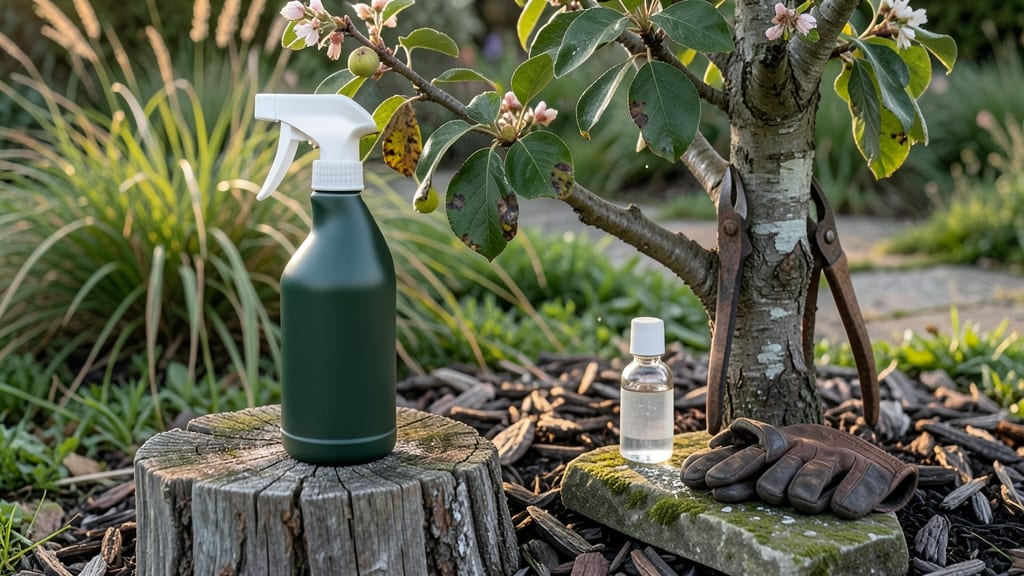
Your quince tree’s leaves are turning into a brown, crinkled mess from quince leaf blight—and there’s a 7-day copper spray protocol that can turn things around. I’ve battled this fungal nightmare before, and the key is acting fast with the right fungicide mix before the spots spread like wildfire.
The good news? With consistent treatment, your tree can bounce back to full, glossy foliage.
This stubborn disease starts with tiny purple-brown spots that multiply when humidity hangs around, then curls and drops leaves like a bad hair day. The fungus Diplocarpon mespili thrives in wet conditions, so pruning infected branches (and sterilizing your tools!) is step one.
But the real game-changer? A copper fungicide spray—it’s the only organic solution that actually stops the spread in its tracks.
By day 7, you’ll see new growth pushing through with fresh, unblemished leaves—no more wilting or crunchy edges. The trick is spraying every 5-7 days until the new leaves stay clean, then switching to preventive sprays in spring.
Your quince won’t just survive; it’ll thrive like it’s never had a fungal scare.
Works for both ornamental and fruit-bearing quinces, and the same protocol saves other stone fruits too. Let’s get that tree back to its best in a week—no drastic removals needed.
Root Causes Of Leaf Decay
Quince leaf blight isn’t just a random attack—it’s a perfect storm of fungal opportunism, environmental stress, and plant vulnerability. Understanding the why behind this disease is key to stopping it in its tracks.
Below, we break down the primary triggers that turn your quince’s lush foliage into a sad, spotted mess.
Quince leaf blight is primarily caused by the fungus Venturia spp., a relentless pathogen that thrives in damp, cool conditions. Here’s how it hijacks your tree:
- 🔬 Spore Spread & Germination
- Fungal spores (called conidia) land on leaves during wet weather, especially after rain or overhead watering.
- They germinate within 24–48 hours if humidity stays above 90% for prolonged periods.
- Pro Tip: 💡 Fungal spores can survive on fallen leaves and debris for months, so cleanup is critical.
- 🌡️ Ideal Temperature Range
- The fungus peaks in activity between 50–75°F (10–24°C). Cooler mornings with warm afternoons? Perfect breeding ground.
- Warning: ❄️ If your quince is in a microclimate with frequent fog or poor airflow, spores spread faster.
- 🛡️ Weakened Plant Defenses
- Stressed quince trees (due to drought, poor soil, or nutrient deficiencies) have thinner cuticles, making them prime targets.
- Actionable Fix: 🌱 Boost plant health with balanced fertilization (high in potassium and phosphorus) to strengthen natural resistance.
Your quince’s surroundings play a huge role in whether blight takes root. Here’s what turns a minor issue into a full-blown crisis:
- 💧 Overhead Watering & Poor Drainage
- Water droplets on leaves create a perfect fungal buffet. Drip irrigation or soaker hoses reduce spore splash.
- Quick Fix: 🔥 Water at the base of the tree, never the foliage.
- 🌬️ Stagnant Air & Crowded Plantings
- Quince trees in tight clusters or shaded by other plants trap moisture, extending fungal activity.
- Solution: ✂️ Prune for airflow—aim for 6–8 feet of space between trees.
- 🌧️ Prolonged Rain or High Humidity
- 3+ consecutive rainy days? That’s blight’s green light.
- Monitor: 🌡️ Use a hygrometer to track humidity—keep it < 80% during growing season.
A healthy quince fights off pathogens. But when it’s weakened, blight moves in like an uninvited houseguest. Common stressors include:
- 💦 Drought or Overwatering
- Both extremes compromise root health, reducing the tree’s ability to fight disease.
- Rule of Thumb: 💧 Soil should be moist but not soggy—test with your finger (top 2 inches).
- 🍄 Nutrient Imbalances
- Too much nitrogen? Lush growth = softer leaves = easier fungal entry.
- Too little phosphorus/potassium? Weakens cell walls, making them fungal snacks.
- Fix: 📊 Soil test first! Amend with compost or balanced 10-10-10 fertilizer.
- 🪓 Physical Damage (Pruning Wounds, Hail, Pests)
- Open wounds act as fungal doorways. Always sterilize pruners with rubbing alcohol (70%+).
- Post-Hail Tip: 🛡️ Inspect leaves immediately—remove damaged foliage before spores colonize.
Key Takeaway: Quince leaf blight doesn’t happen in a vacuum—it’s the result of fungal aggression + environmental permissiveness + plant weakness. The good news? You can disrupt every link in this chain with the right copper spray protocol (coming next!).
Quick Fixes for Fungal Foliage Foes
Quince leaf blight may feel like a stubborn houseguest, but with the right approach, you can evict it fast. Below are practical, step-by-step solutions tailored to the root causes—whether it’s humidity, poor airflow, or an overzealous fungal party.
Plus, we’ll share prevention tips to keep your quince trees thriving long after the blight is gone.
If your quince’s leaves are yellowing or wilting with dark spots, root rot or soggy soil might be inviting blight. Here’s how to dry things out:
- 🔥 Step 1: Pause Watering Immediately Stop adding water until the top 2 inches of soil feel dry (use your finger to test). Overwatering is the #1 blight enabler.
- 👨🍳 Step 2: Improve Soil Drainage Mix coarse sand or perlite into the soil around the base (up to 6 inches deep). For container-grown quince, repot into a well-draining mix (50% potting soil, 30% perlite, 20% compost).
- 🥘 Step 3: Elevate the Base (If Needed) If your tree sits in a low spot, mound soil or gravel around the trunk to prevent water pooling. A slight slope away from the tree helps.
💡 Pro Tip: Water deeply but less often—aim for 1–1.5 inches per week (including rain). Early morning is best to reduce evening moisture.
Blight loves stagnant, humid air. Thin out crowded branches and prune strategically:
- 🔪 Step 1: Prune for Spacing Remove crossing or rubbing branches (use sterilized pruners to avoid spreading spores). Aim for 6–8 inches between branches to improve airflow.
- ⏰ Step 2: Thin the Canopy Cut back overly dense inner growth to let sunlight and air circulate. Focus on lower branches first—they trap moisture.
- 🌡️ Step 3: Space Plants Properly If multiple quince trees are nearby, space them 8–10 feet apart. Overcrowding = blight buffet.
✨ Prevention Hack: Install a small fan on a low setting near the tree for 10–15 minutes daily during humid spells. It disrupts fungal spore germination!
For active blight spots, a copper fungicide spray is your best weapon. Here’s the exact protocol from the article’s title:
| Day | Action | Notes |
|---|---|---|
| 1 | Remove Infected Leaves | Toss them in the trash (don’t compost!). |
| 2 | Apply Copper Spray (Evening) | Use 1 tbsp copper fungicide per gallon of water. Spray undersides of leaves too. |
| 4 | Reapply Copper Spray | Focus on new growth and leaf edges. |
| 7 | Final Spray + Prune Lightly | Trim any newly spotted leaves and spray again. |
💡 Pro Tip: Add 1 tsp baking soda + a few drops of dish soap to your copper mix for extra fungal-fighting power (test on a small leaf first).
Once your quince is blight-free, keep it that way with these habits:
- 🍂 Mulch Right: Use wood chips (not fresh sawdust)—keep mulch 2–3 inches deep but not touching the trunk.
- 🌞 Sunlight Strategy: Plant quince in full sun (6+ hours/day)—fungi hate UV rays.
- 🧼 Clean Tools: Sterilize pruners with rubbing alcohol between cuts.
- 🚫 Avoid Overhead Watering: Use a soaker hose or drip irrigation to keep leaves dry.
- 🌿 Companion Planting: Surround quince with rosemary or thyme—their antifungal properties deter blight.
Final Reminder: Consistency is key! Blight can return if conditions stay favorable. But with better airflow, smarter watering, and copper sprays on schedule, your quince will bounce back stronger than ever. 🌿✨
Frequently asked questions
What do quince leaf blight spots actually look like?
Start with tiny purple-brown spots (about 1/8-inch wide) that turn darker and develop a grayish center as they spread. Infected leaves often curl upward and develop yellow halos around the spots. In severe cases, entire leaves turn brown and crispy before dropping.
Can I still harvest fruit from a quince tree with leaf blight?
Yes, but only if the fruit itself shows no signs of infection. The fungus primarily attacks leaves, not fruit directly. Harvest only fully mature, unblemished fruit—discard any with spots or lesions. The blight won’t ruin your harvest if you act quickly to treat the tree.
How often should I spray copper fungicide after treating blight?
For active blight control, spray every 7–10 days during wet seasons. Once the tree recovers, switch to monthly preventive sprays in spring and fall. Always apply in the evening to reduce leaf burn from sunlight.
Will pruning infected branches help stop the spread?
Remove all infected leaves and branches (cut 6 inches below visible spots) to eliminate spore sources. Sterilize pruners with rubbing alcohol (70%+) between cuts. Never compost infected plant material—bag and trash it immediately.