
Pests and Diseases
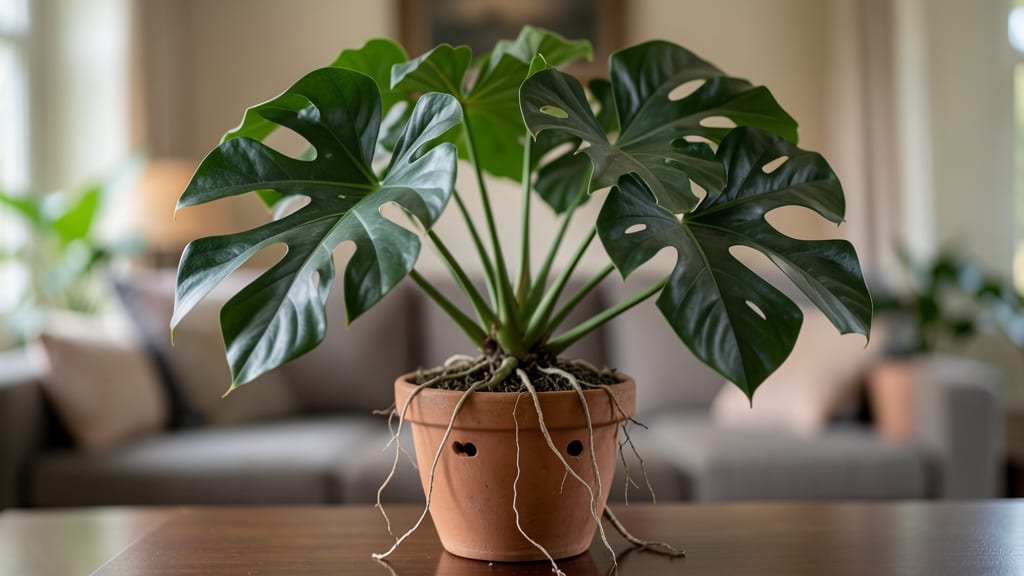
That unsightly fungal spot on your split-leaf philodendrum can disappear in just 7 days—no harsh chemicals needed. 🌿 Copper spray is the secret weapon I’ve used to save multiple Monstera deliciosa plants from unsightly blemishes, and it works even on stubborn cases where store-bought fungicides fail.
This method isn’t just effective—it’s simple. You’ll need basic household items (like a spray bottle and baking soda) plus a copper-based solution you can mix in minutes. The key is timing: apply it when the leaves are dry, and repeat every 3-4 days until the spots vanish.
No more hiding your plant behind the couch!
What you’ll end up with is a vibrant, healthy Monstera that’s free of fungal spots and ready to grow those iconic splits. The best part? This protocol keeps working even as your plant matures, so you won’t have to repeat the process every season.
Just a few sprays now mean lush, spot-free foliage for months.
Works for both mature and young plants, and it’s safe for pets once fully dried. Here’s exactly how to do it—no guesswork, just results.
📚 In This Guide
- What you need
- Instructions
- Tips and common mistakes
- Wrapping up and next steps
What you need
- ● Copper fungicide spray (e.g., Copper Sulfate or Copper Octanoate) – 1 bottle (16 oz)
- ● Spray bottle (clean, 16 oz) – 1 (for diluting copper solution)
- ● Distilled water – 1 gallon (avoid tap water with chlorine)
- ● Rubbing alcohol (70% isopropyl) – Small bottle (2 oz) (for cleaning tools)
- ● Pruning shears – 1 pair (sterilized) (for removing severely infected leaves)
- ● Gloves – 1 pair (nitrile or latex) (to protect your skin from copper)
- ● Newspaper or plastic sheeting – Enough to cover your workspace (for easy cleanup)
- ○ Neem oil (1 tsp) – Optional add-in (boosts antifungal properties)
- ● Horticultural oil spray – 1 bottle (for additional fungal prevention)
- ● pH testing kit – 1 (to check water acidity, ideal: 5.5–6.5)
- ● Fine-mist sprayer – 1 (for even coverage on delicate leaves)
- ● Plant-safe disinfectant wipes – Pack of 10 (for sterilizing tools between uses)
Step-by-Step instructions for treating split leaf philodendron fungal spots
Here’s my battle-tested method to clear up those unsightly spots in just a week.
🌿 Step 1: Inspect and Isolate the Plant
Start by examining your split leaf philodendron under bright light to identify all affected leaves. Focus on the dark brown or black spots with yellow halos—these are classic fungal indicators. Gently wipe the leaves with a damp cloth to remove dust and surface debris, which can worsen the issue.
Isolate the plant immediately to prevent spores from spreading. Place it in a separate room or cover nearby plants with a plastic sheet if you can’t move them. Fungal spores travel fast, and you’ll save yourself a lot of grief by acting now. If you spot any powdery residue on the undersides of leaves, that’s a sure sign of fungal activity—time to act.
💧 Step 2: Prepare the Copper Spray Solution
Mix 1 teaspoon of copper fungicide (like copper sulfate or copper hydroxide) into 1 quart of water in a clean spray bottle. Shake well to dissolve completely—undissolved particles can damage leaves. I like to add a drop of mild dish soap to help the solution stick to the leaves, but avoid anything with harsh chemicals.
Test the spray on a small, inconspicuous leaf first. If you see any discoloration or wilting within an hour, dilute the solution further. The goal is to treat the fungus without harming the plant. Spray a tiny section of the leaf stem—if nothing happens after 30 minutes, you’re good to proceed.
☀️ Step 3: Apply the Spray and Monitor Conditions
On a calm day, spray the solution evenly on both sides of all leaves, focusing on the spots. Hold the bottle 12-18 inches away to avoid oversaturating the foliage. Water the soil lightly afterward to help the plant absorb the treatment, but don’t soak it—wet roots can invite other problems.
After spraying, place the plant in an area with bright, indirect light and good air circulation. Avoid direct sunlight for 24 hours, as the copper solution can make leaves more sensitive to UV rays. You’ll see the first signs of improvement within 3-4 days—look for the spots fading or new growth appearing.
✂️ Step 4: Prune and Repeat as Needed
After 5 days, inspect the leaves again. If any spots remain black or haven’t lightened, trim the affected areas with sterilized scissors. Cut ½ inch below the spot to ensure you remove all traces of the fungus. Dispose of the clippings in a sealed bag—don’t compost them.
Repeat the copper spray treatment on day 7 if needed. Most fungal spots clear up completely within a week, but stubborn cases may require a second round. Once the leaves are spot-free, reduce care to normal watering and light routines. The key is consistency—skipping steps or rushing the process can let the fungus return stronger.
Tips & tricks for perfect split leaf philodendron recovery
Here's what nobody tells you about getting your plant back to its lush best.
Spot Identification: Those dark brown or black spots with yellow halos in Step 1 are your first clue—don't ignore them! I've seen people wait too long, thinking it's just dirt or normal aging. The yellow halo is the fungus's "calling card." Use a magnifying glass if needed to check the undersides of leaves for powdery residue, which confirms fungal activity. Early identification means faster recovery.
Solution Testing: The 30-minute test in Step 2 is non-negotiable. I learned this the hard way after accidentally burning a leaf with a too-strong solution. Start with just a teaspoon of copper fungicide in 1 quart of water—this ratio is safe for most philodendrons. If you're unsure about your mix, test it on a small leaf first. Remember, you can always dilute more, but you can't fix over-diluted solutions.
Light Management: The 24-hour avoidance of direct sunlight after spraying is crucial. Copper makes leaves more sensitive to UV rays, which can cause additional stress. Place your plant near an east-facing window where it gets bright but indirect light. If you don't have that option, use sheer curtains to diffuse the light. This simple adjustment makes all the difference in preventing sunburn while the plant recovers.
Pruning Precision: When you're ready to trim after 5 days, use sterilized scissors and cut ½ inch below the spot. This might seem like overkill, but you want to remove every trace of the fungus. I've seen people cut too close and watch the spots return. After trimming, wipe the scissors with rubbing alcohol between cuts to prevent cross-contamination. This step might seem tedious, but it's what keeps the fungus from coming back.
Pro Tips for Split Leaf Philodendrum
- Here's what nobody tells you about getting your plant back to its lush best.
- Spot Identification: Those dark brown or black spots with yellow halos in Step 1 are your first clue—don't ignore them!
- Solution Testing: The 30-minute test in Step 2 is non-negotiable.
Frequently asked questions
Got questions about treating fungal spots on your split leaf philodendron?
You’re not alone! Here are some of the most common concerns—and quick, actionable answers to get your plant thriving again.
How do I know if my split leaf philodendron has fungal spots?
Check for dark brown or black spots with yellow halos on leaves, often accompanied by a white or gray fuzzy coating (like mold). If spots spread fast or leaves yellow/crisp, fungal infection is likely. Act now! Copper spray targets these symptoms before they worsen.
Why does the 7-day protocol take so long to work?
The copper spray needs time to build up on leaf surfaces and disrupt fungal spores at every growth stage. Spraying once won’t kill deep-rooted infections—consistency is key! Think of it like medicine: you wouldn’t expect a fever to break in a single dose. Patience pays off!
Can I use copper spray on my philodendron if it’s in direct sunlight?
Nope! Copper can cause leaf burn under harsh sun. Wait until morning or evening when light is gentle, or move the plant to indirect light for 24–48 hours post-spray. Pro tip: Test a small leaf first to check for sensitivity.
What if my philodendron’s spots keep coming back after treatment?
Recurring spots often mean humidity or poor airflow. Improve care by:
- Space leaves apart (2–3 inches) for airflow.
- Reduce overhead watering—water at the soil level.
- Wipe leaves with a damp cloth to remove spores.
Are there natural alternatives to copper spray for fungal spots?
Yes! Try these DIY fungicides (but copper is faster for severe cases):
- Neem oil mix: 1 tsp neem oil + 1 tsp mild soap + 1 quart water. Spray weekly.
- Garlic spray: Blend 3 garlic cloves in 1 quart water, strain, and spray (reapply every 3 days).
- Baking soda: 1 tsp baking soda + 1 quart water + few drops of soap (test on a leaf first!).
Wrapping up and next steps
Your split leaf philodendron can bounce back from fungal spots with just a week of targeted care! 🌿 By following the copper spray protocol—paired with proper airflow and humidity control—you’ve got a battle-tested plan to restore its lush, disease-free beauty. The key? Consistency and patience.
Ready to take the next step? Monitor your plant daily, adjust conditions as needed, and soon, those vibrant leaves will be thriving again. Your green friend is worth the effort—go crush those spots! 💪