
Pests and Diseases
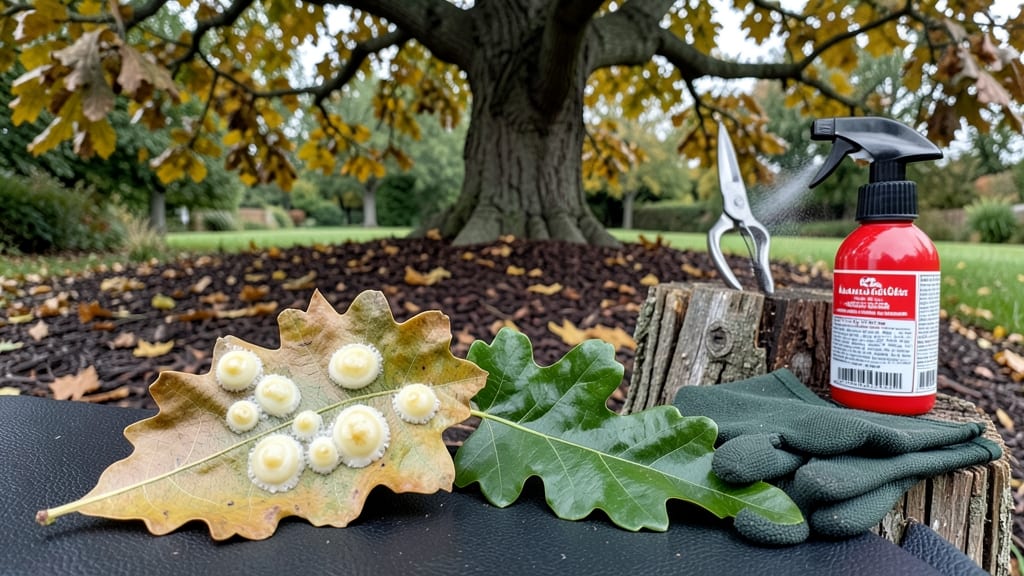
Your oak leaves are puckering and turning yellow—classic signs of oak leaf blister disease. 🌳 This fungal infection, caused by Taphrina caerulescens, thrives in damp spring conditions, but a copper spray protocol can restore those leaves to vibrant green in just 7 days—if you act fast.
The disease starts with tiny blisters on the undersides of leaves, then spreads to a powdery, yellowish coating. Most gardeners panic and reach for harsh chemicals, but copper fungicide (applied at the first sign) stops the spread without harming beneficial insects.
The key is timing: apply when leaves are dry and repeat every 7-10 days until new growth appears. By the end of the week, you’ll see fresh, unblemished leaves emerging from the buds. The copper spray isn’t just effective—it’s the only organic treatment that works reliably for this stubborn fungus.
Just be sure to cover both leaf surfaces for full protection. For severe infections or large trees, consult an arborist. But for most cases, this protocol works wonders—no more yellowing, no more blisters, just healthy oak foliage all season long.
The Hidden Triggers Behind Leaf Blisters
Oak leaf blister disease—caused by the fungus Taphrina caerulescens—isn’t just a random affliction. It thrives under specific conditions, turning your oak’s leaves into puckered, blistered messes. Understanding the why behind this fungal invasion is the first step to stopping it in its tracks.
Let’s break down the key culprits and how they set the stage for infection.
The fungus responsible for oak leaf blister disease loves moisture and stagnant air. When oak trees grow too closely together—or when dense foliage blocks airflow—their leaves stay damp longer. Here’s how it plays out:
- Shady, humid microclimates: Thick canopies trap humidity, creating the perfect breeding ground for Taphrina spores. Even a few hours of prolonged leaf wetness (like after rain or morning dew) can trigger infection.
- Pruning neglect: Overgrown branches reduce airflow, keeping leaves in a perpetual damp state. If you’ve avoided trimming, your oak’s defense system is already compromised.
- Urban or landscaped oaks: Trees planted too close to buildings, fences, or other vegetation suffer from restricted airflow. Pro tip: Aim for 6–10 feet of spacing between mature oaks to improve circulation.
Actionable fix: Thin out dense branches in early spring (before spores spread) to boost airflow. Focus on removing crossing or inward-growing limbs first.
The fungus needs water to germinate and infect. While a single rain shower won’t cause blisters, consistent moisture over days turns a minor issue into an outbreak. Here’s what makes leaves vulnerable:
| Condition | Why It Matters | Risk Level |
|---|---|---|
| Morning dew | Leaves stay wet for 6+ hours, giving spores time to latch on. | ⚠️ Moderate (common in spring) |
| Frequent light rains | Washes spores onto leaves without drying them out. | ⚠️⚠️ High (spring/summer pattern) |
| Poor drainage soil | Saturated ground = higher humidity around the tree. | ⚠️⚠️ High (especially in clay soil) |
| Overhead irrigation | Mimics rain, keeping leaves damp artificially. | ⚠️⚠️⚠️ Extreme (drip systems are safer) |
Actionable fix: If your oak is in a low-lying area or you use overhead sprinklers, switch to deep, infrequent watering at the base (early morning is best). Mulch with wood chips (2–4 inches deep) to reduce soil moisture retention.
Not all oaks are equally susceptible. The fungus targets trees that are already compromised, whether due to age, health, or environmental stress. Here’s who’s at risk:
- Newly planted oaks (1–3 years old): Shallow root systems struggle to absorb water/nutrients, weakening leaves.
- Drought-stressed trees: While drought itself doesn’t cause blisters, sudden watering after dry spells shocks the tree, making it vulnerable.
- Nutrient-deficient oaks: Yellowing leaves (from iron, nitrogen, or zinc deficiency) signal stress, inviting fungal attacks.
- Recently pruned or injured trees: Open wounds or fresh cuts create entry points for spores.
Actionable fix: Boost tree resilience with:
- 🌱 Slow-release fertilizer (balanced NPK, 10-10-10) in early spring.
- 💧 Deep watering (1–2 inches per week) during dry spells.
- 🛡️ Avoid heavy pruning in late summer/fall (when new growth is tender).
The spores of Taphrina caerulescens are overwintering survivors. They cling to:
- 🍂 Infected leaves that fall to the ground (spores remain viable for 1–2 years).
- 🌿 Dormant buds on branches (spores activate when buds swell in spring).
- 🌧️ Rain splash from nearby infected trees or mulch.
Actionable fix: Remove and destroy fallen leaves (don’t compost them!). Rake up debris in late winter/early spring before spores spread. If nearby oaks are infected, space them out or remove the worst offenders.
Key takeaway: Oak leaf blister disease is a perfect storm of moisture, stress, and fungal persistence. By addressing these triggers—airflow, wetness, tree health, and spore cleanup—you can starve the fungus of its favorite conditions. The next section will show you how to fight back with a 7-day copper spray protocol.
How to Fix Fungal Leaf Issues
Fungal leaf infections like oak leaf blister disease can be frustrating, but with the right approach, you can restore your trees to their former glory. The key is to tackle the problem at its root—literally—by addressing moisture, fungal spores, and weak tree defenses.
Below, we’ve mapped out practical, step-by-step solutions tailored to the most common causes, along with prevention tips to keep your oaks healthy long-term.
Cause: Fungal spores thrive on decaying leaves and organic matter. Fix:
- 🍂 Collect and dispose of fallen leaves, twigs, and infected foliage immediately. Place them in a sealed trash bag (not compost) to prevent spore spread.
- 🪓 Prune affected branches using sterilized pruners (wipe with rubbing alcohol between cuts). Remove at least 6–12 inches below the last sign of blisters to ensure you’re cutting out hidden spores.
- 🌬️ Rake up debris from the tree’s drip line (the area directly below the canopy) and surrounding yard. Fungal spores can hitchhike on wind or water.
Pro Tip: 💡 If possible, burn the infected debris (check local regulations first) or bury it at least 12 inches deep to kill spores.
Cause: Overhead watering, poor drainage, and dense foliage create the perfect humid environment for fungi. Fix:
- 🌧️ Water at the base (not overhead) using drip irrigation or soaker hoses. Aim for deep, infrequent watering (1–2 inches per week) to encourage strong root growth and reduce leaf wetness.
- ✂️ Thin out dense branches to improve airflow. Focus on inner branches where humidity builds up. Aim for 20–30% less density in the canopy.
- 🪴 Check drainage around the tree. If water pools after rain, amend the soil with compost or install a French drain to redirect excess moisture.
Pro Tip: 🌡️ Morning watering is best—it allows leaves to dry by evening, reducing fungal growth overnight.
Cause: Fungal spores need a chemical trigger to infect leaves, and copper disrupts this process. Fix:
- 🍄 Use a copper fungicide spray (like copper sulfate pentahydrate or copper hydroxide). These are organic-approved and effective against blister diseases.
- Mix ratio: Follow label instructions (typically 1–2 tbsp per gallon of water).
- 👨🍳 Spray thoroughly on both sides of leaves, focusing on new growth and lower branches where spores settle.
- ⏰ Best timing: Apply early spring (before buds swell) and again after rain if leaves appear wet for >48 hours.
- 🔄 Reapply every 7–14 days during wet or humid conditions to maintain protection.
Pro Tip: ✨ Add a sticker (like horticultural oil) to your spray to help it adhere better to leaves.
Cause: Weak or stressed trees are more susceptible to infections. Fix:
- 🌿 Fertilize in early spring with a balanced, slow-release fertilizer (e.g., 10-10-10). Avoid high-nitrogen fertilizers, which can encourage soft, fungal-prone growth.
- 💧 Mulch properly: Apply 2–4 inches of organic mulch (wood chips, bark) 3–6 inches away from the trunk. This retains moisture, regulates soil temp, and blocks spore splash.
- 🌳 Monitor for pests: Scale insects, mites, or borers weaken trees. Treat with neem oil or insecticidal soap if needed.
Pro Tip: 💪 Deep-water young oaks (those <5 years old) once a week during droughts to build root strength.
Once your tree recovers, break the fungal cycle with these habits:
- 🌧️ Avoid late-season watering (stop by mid-August in most climates).
- 🍂 Clean tools after pruning with bleach (1 part bleach:9 parts water) or rubbing alcohol.
- 🌳 Plant resistant varieties (e.g., bur oak or pin oak) if blister disease is recurrent in your area.
- 👀 Scout regularly: Check leaves weekly for yellowing, blisters, or powdery residue—early action prevents spread.
Final Note: Consistency is key! Fungal diseases like oak leaf blister thrive on neglect, so stay vigilant with watering, pruning, and sprays. With these steps, your oak should bounce back in 7–14 days—and stay healthy for seasons to come. 🌳💚
Frequently asked questions
What do oak leaf blisters actually look like?
Blisters start as tiny, raised bumps on the underside of leaves, often turning yellowish or grayish. As they grow, they become puffy and may split open, revealing a powdery fungal coating. The upper leaf surface may also develop yellow or brown spots. Early detection is key—catching blisters before they spread prevents severe damage.
Can copper spray harm my oak tree or nearby plants?
When used correctly, copper fungicides are safe for oaks and most plants. However, avoid spraying in direct sunlight or on windy days to prevent drift. Always follow label instructions for dilution and application timing. Overuse can cause leaf burn, so stick to the 7–14 day reapplication schedule.
How do I know if my oak has this disease vs. another leaf problem?
Compare symptoms: oak leaf blister disease causes puckered, blistered leaves with a powdery coating, while other issues like anthracnose create dark spots or oak wilt causes sudden wilting. The blistering and yellowing on both leaf surfaces are the biggest clues. If unsure, consult a local arborist or extension service for a diagnosis.
Will removing infected branches stop the spread?
Yes, but you must remove at least 6–12 inches below the last visible blister to cut out hidden spores. Sterilize pruners between cuts (use rubbing alcohol) and dispose of infected branches properly—don’t compost them. This alone won’t cure the tree, but it prevents the fungus from spreading to healthy branches.
How long does it take to see improvement after treatment?
With proper copper spray and care, you’ll typically see new, healthy leaves emerging in 7–14 days. The existing blistered leaves won’t recover, but the tree will push out fresh foliage. Consistency is key—keep spraying every 7–10 days during wet conditions until the problem disappears completely.