
Companion Plants
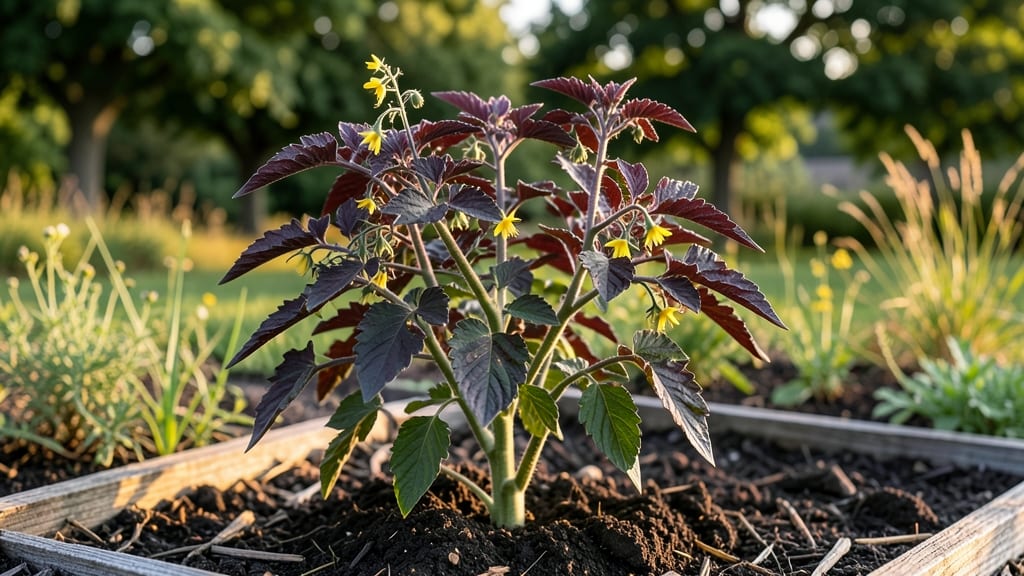
Growing purple leaf tomato plants turns your garden into a living work of art. 🌿 These aren't just tomatoes—they're dramatic purple foliage that keeps your garden vibrant from spring to frost, with rich, flavorful fruit as the bonus.
The secret to their stunning color lies in how you nurture them, and I've learned exactly what works through years of growing them in my own backyard. Start with well-draining soil rich in organic matter, and give them full sun for at least 6-8 hours daily.
Purple leaf varieties like 'Indigo Rose' or 'Purple Calabash' thrive when planted after the last frost, and their deep purple leaves stay showy even when fruit ripens. The key is consistent moisture—keep soil evenly damp but never soggy—and a balanced fertilizer every 4-6 weeks to maintain that striking color.
You'll harvest tomatoes that are just as beautiful inside as they are out, with a slightly sweeter, more complex flavor than regular varieties. The plants keep producing until frost, and their foliage adds drama to containers, raised beds, or garden borders.
Even experienced gardeners are surprised by how well these perform with minimal extra care. For best results, prune regularly to encourage airflow and prevent disease. And don't be afraid to experiment—purple leaf tomatoes grow well in containers too, making them perfect for patios or small spaces.
Once you try them, you'll never go back to ordinary green-leaved tomatoes again.
📚 In This Guide
- What you need
- Instructions
- Tips and common mistakes
- Wrapping up and next steps
What you need
- ● Purple Leaf Tomato Seeds or Seedlings: 1–3 plants (depending on space and desired yield)
- ● Look for varieties like 'Purple Calabash', 'Black Krim', or 'Indigo Rose' for striking foliage.
- ● Well-Draining Potting Mix or Garden Soil: 5–10 gallons per plant (or 1 cubic foot for in-ground planting)
- ● Mix in compost (1 part compost to 3 parts soil) for nutrients.
- ● Containers or Garden Bed: Containers: 5-gallon pots or larger (minimum 12" diameter for dwarf varieties, 18"+ for indeterminate types).
- ● Garden Beds: Full sun (6+ hours/day) with loose, fertile soil.
- ● Fertilizer: Balanced 10-10-10 or tomato-specific fertilizer (follow package rates).
- ○ Optional: Fish emulsion or compost tea for a natural boost.
- ● Support System: Cages (5–6 ft tall), stakes, or trellises for indeterminate varieties.
- ● Basic Gardening Tools: Trowel, pruners, and gloves (for handling plants and soil).
- ● Mulch: Straw or shredded leaves to retain moisture and suppress weeds.
- ● Drip Irrigation or Watering Can: Keep soil consistently moist (1–2 inches per week).
- ● Row Covers or Shade Cloth: Protect young plants from pests or harsh sun (30–50% shade for seedlings).
- ● Companion Plants: Basil, marigolds, or borage to deter pests and boost growth.
Step-by-step guide to growing stunning purple leaf tomato plants
These dramatic plants aren't just pretty—they produce flavorful fruit while keeping your garden vibrant all season.
🌱 Step 1: Select the Right Variety and Start Strong Seedlings
Choose a purple-leaf variety like 'Purple Calabash' or 'Indigo Rose'—these maintain their striking foliage while producing delicious fruit. Start seeds indoors 6-8 weeks before last frost using sterile seed-starting mix in 2-3 inch deep containers. I like to plant 2 seeds per cell at ¼ inch depth—this gives me backup seedlings if one fails.
Keep the soil consistently moist (not soggy) at 70-75°F for germination. A seedling heat mat speeds things up, but even without one, you'll see sprouts in 7-14 days. Once seedlings emerge, remove the weaker one, leaving the strongest stem per cell. This prevents competition and gives your tomato sturdy growth from the start.
☀️ Step 2: Harden Off and Transplant at the Right Time
Two weeks before transplanting, begin hardening off seedlings by placing them outside in partial shade for 1-2 hours daily. Gradually increase exposure over 10-14 days, ending with full sun. Watch for wilted leaves—this means they're not ready yet. Purple leaf tomatoes need full sun (6-8 hours daily) to maintain their color and thrive.
Transplant after all danger of frost has passed and soil is at least 60°F. Bury stems deeper than usual—up to ⅔ of the stem—to encourage strong root growth. Space plants 18-24 inches apart in rows 3 feet apart for proper airflow. I always water deeply after transplanting to settle the soil and reduce shock.
💧 Step 3: Maintain Consistent Care for Vibrant Foliage
Water at the base of the plant in the morning to keep leaves dry—wet foliage invites disease. Purple leaf tomatoes need 1-1.5 inches of water weekly, but adjust based on rainfall. Let the top 1-2 inches of soil dry between waterings to prevent root rot. Mulch with 2-3 inches of organic mulch (like straw) to retain moisture and keep roots cool.
Fertilize every 2-3 weeks with a balanced tomato fertilizer (10-10-10 or similar) once flowers appear. Purple leaf varieties are heavy feeders, so don't skimp—you'll see richer color and better fruit production. Prune suckers (the small shoots between stems and branches) to direct energy to fruit production while keeping the plant compact.
✂️ Step 4: Prune and Support for Year-Round Beauty
Install sturdy cages or stakes at transplanting to support the plant as it grows. Purple leaf tomatoes can get top-heavy, so tie stems to supports every 10-12 inches with soft plant ties. Prune yellow or diseased leaves immediately—this prevents spread and keeps the plant looking its best.
After harvest, prune back ⅓ of the plant to encourage new growth. Purple leaf tomatoes often produce a second flush of fruit in fall if given proper care. In colder climates, bring potted plants indoors before frost or grow them as annuals each season. The vibrant purple leaves will brighten your garden (or patio) from spring through frost.
Tips & tricks for growing stunning purple leaf tomatoes
Here's what nobody tells you about keeping those dramatic purple leaves vibrant and your plants thriving all season.
Seed Starting Secret: The 6-8 week indoor start time might seem long, but it's critical for these varieties. I've learned the hard way that rushing seedlings leads to weak stems that can't support the heavy foliage. Use bottom watering trays to maintain that 70-75°F soil temperature—it makes all the difference in germination speed. And here's a pro move: once your seedlings hit 2 inches tall, give them a gentle pinch above the second set of true leaves. This encourages bushier growth that handles the purple leaves' weight better.
Harden Off Like a Pro: That gradual 10-14 day hardening process is non-negotiable for purple leaf varieties—they're more sensitive to temperature shifts than regular tomatoes. I start with just 1 hour in partial shade, then add 30 minutes each day. Watch for leaves that stay crisp rather than wilted—those are your cues. A little trick I picked up: place seedlings near a south-facing window during the day but bring them back inside at night for the first few days. This mimics natural day-night cycles and reduces stress.
Sunlight Strategy: Purple leaf tomatoes need their 6-8 hours of full sun daily to maintain that stunning color, but too much direct afternoon sun can scorch those delicate leaves. I've found the sweet spot is morning sun with afternoon shade, especially in hot climates. If you notice leaves curling or turning yellow, it's time to provide some afternoon relief. And here's what nobody tells you—those purple leaves actually protect the fruit from sunburn, so don't be tempted to prune them back too aggressively early in the season.
Fertilizer Timing: The instructions mention fertilizing every 2-3 weeks after flowers appear, but I've discovered something even better: switch to a low-nitrogen, high-phosphorus fertilizer (like 5-10-10) once fruit sets. This prevents the plant from putting all its energy into leaf growth at the expense of fruit production. And here's my secret—mix a handful of compost into the soil at planting time. The slow-release nutrients give your plants a head start without overwhelming them.
Pro Tips for Purple Leaf Tomato Plants
- Here's what nobody tells you about keeping those dramatic purple leaves vibrant and your plants thriving all season.
- Seed Starting Secret: The 6-8 week indoor start time might seem long, but it's critical for these varieties.
- Harden Off Like a Pro: That gradual 10-14 day hardening process is non-negotiable for purple leaf varieties—they're more sensitive to temperature shifts than regular tomatoes.
Frequently asked questions
How do I choose the best purple leaf tomato variety for my climate?
Purple leaf tomatoes thrive in USDA Zones 4-10, but varieties like ‘Purple Calabash’ or ‘Indigo Rose’ are cold-hardier (great for Zones 4-8), while ‘Black Cherry’ or ‘Black Krim’ love warmer climates (Zones 7-10). Check seed packets for days-to-maturity—faster varieties (50-60 days) work well in short seasons.
When is the best time to plant purple leaf tomato seeds indoors vs. outdoors?
Start seeds indoors 6-8 weeks before your last frost (use grow lights!). Transplant seedlings outdoors after soil warms to 50°F+ and night temps stay above 55°F. For cooler areas, opt for transplants (not seeds) to avoid leggy seedlings. Pro tip: Use black plastic mulch to speed up soil warming!
Why are my purple leaf tomato plants’ leaves turning yellow or brown?
Yellowing leaves often signal overwatering or nutrient deficiencies (like nitrogen or magnesium). Brown edges? Check for underwatering or salt buildup from tap water. Fix it: Water deeply 1-2x/week (1-2 inches total), use balanced fertilizer (like 10-10-10), and prune damaged leaves to redirect energy to fruit production.
Can I grow purple leaf tomatoes in containers? What’s the ideal pot size?
Use 5-gallon containers or larger (bigger = more stability and root space). Ensure pots have drainage holes and fill with lightweight potting mix (avoid garden soil). Dwarf varieties like ‘Tiny Tim’ or ‘Patio Princess’ work best. Bonus: Add compost or worm castings for extra nutrients!
Are purple leaf tomatoes more flavorful than regular red tomatoes?
Not necessarily—color comes from anthocyanins (antioxidants), not sweetness. However, many gardeners report richer, tangier flavors in heirloom purple varieties like ‘Black Beauty’. Try this: Pair them with basil and balsamic vinegar to highlight their unique depth!
What companion plants help (or hurt) purple leaf tomato growth?
Great companions:
basil, marigolds, onions, and lettuce (repel pests). Avoid: fennel, brassicas (cabbage family), and corn (compete for nutrients). Pro tip: Plant nasturtiums nearby—they lure aphids away from your tomatoes!
Wrapping up and next steps
Growing purple leaf tomato plants is a fantastic way to add dramatic color and flavorful harvests to your garden while keeping pests at bay. Their striking foliage and companion-friendly nature make them a standout choice for both beginners and seasoned gardeners.
Whether you're planting them in containers or your backyard, these beauties deliver year-round visual appeal and delicious rewards!
Ready to get started? Grab your seeds or seedlings and plant with confidence—your garden (and taste buds!) will thank you. 🌱✨