
Shrubs
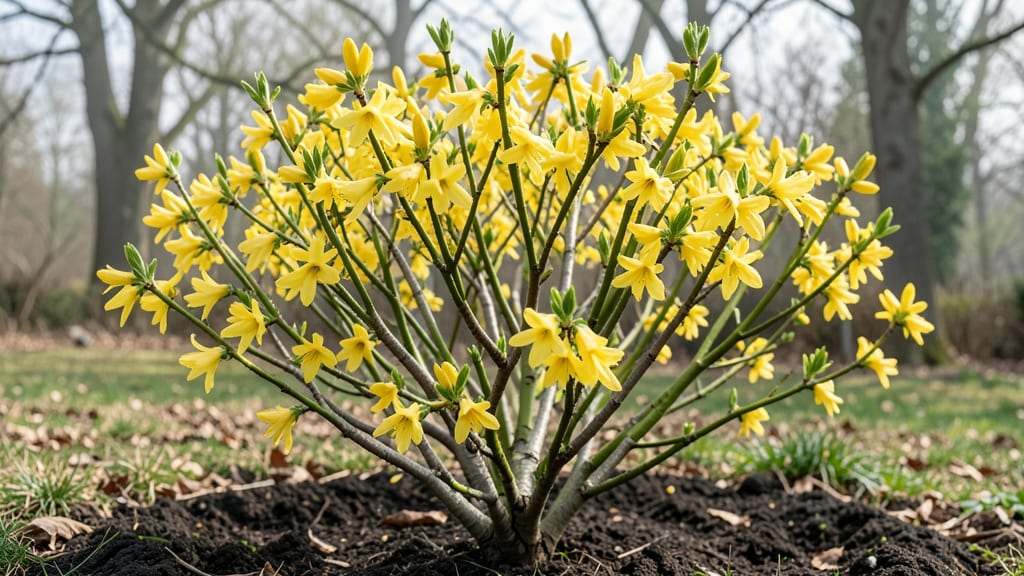
A green and yellow leaf shrub transforms ordinary gardens into living art. ✨ These bold plants—like Forsythia or Diervilla—bring drama year-round, their golden-yellow leaves contrasting with deep greens. They’re the secret weapon for gardeners who want instant curb appeal without fuss.
The magic lies in their placement: use them as focal points near patios, along borders, or mixed into hedges for a modern twist. Pair them with evergreens for texture or flowering shrubs like hydrangeas for seasonal contrast. Even in winter, their structure adds interest when other plants fade.
You’ll end up with a garden that feels alive, even in the quietest months. The foliage shifts with sunlight, creating a dynamic show that never goes out of style. Perfect for small spaces or large landscapes—just pick the right variety for your light.
Works in containers too, so you can play with placement until you find the perfect spot. Here’s how to make them the star of your design!
Understanding Leaf Color Shifts
If your once-uniform green and yellow leaf shrub is suddenly showing more yellow than green—or vice versa—don’t panic. These vibrant color changes are often a natural (or fixable) response to environmental factors, nutrient imbalances, or seasonal shifts.
Below, we break down the most common causes and why they trigger those eye-catching shifts in foliage.
Many shrubs with green and yellow variegated leaves are genetically programmed to shift hues with the seasons. In cooler months, chlorophyll production slows, allowing underlying yellow pigments (like xanthophylls) to dominate. This isn’t a problem—it’s a desirable trait in cultivars like Ligustrum vicaryi or Berberis thunbergii ‘Aureomarginata.’
Why it happens:
- Reduced sunlight in winter triggers anthocyanin production (red/purple tones) or suppresses green chlorophyll.
- Temperature drops slow metabolic processes, altering pigment ratios.
- Dormancy mode conserves energy, shifting focus from growth to survival.
Actionable tip: 🌡️ If your shrub’s yellowing peaks in late fall/winter, it’s likely seasonal. Embrace the change—it’s part of the plant’s charm!
Variegated shrubs thrive in balanced light, but extremes can turn leaves entirely yellow or even scorched. Too little light? Chlorophyll fades, leaving pale yellow. Too much? Photooxidation damages cells, causing crispy yellow edges.
Why it happens:
| Cause | Effect on Leaves | Solution |
|---|---|---|
| Low light (e.g., under dense trees) | Yellowing and smaller leaves (chlorophyll loss) | Move to partial shade (3–6 hours of morning sun). |
| Intense afternoon sun (e.g., south-facing exposure) | Brown/yellow scorch marks on leaf edges | Provide afternoon shade with a sheer curtain or lattice. |
| Sudden light changes (e.g., moving indoors/outdoors) | Streaky yellowing or leaf drop | Acclimate gradually (1–2 hours/day over 1–2 weeks). |
Pro tip: ✨ Variegated shrubs often need more light than solid-green varieties to maintain their two-tone pattern.
Watering issues are a top culprit for yellowing in shrubs. Too little? Roots struggle to transport nutrients, causing chlorosis (yellowing between veins). Too much? Root rot blocks oxygen, leading to suffocation and yellowing.
Why it happens:
- Underwatering:
- Soil dries out → nutrient uptake stops → chlorophyll breaks down.
- Leaves yellow from the bottom up (early stress signal).
- Overwatering:
- Compacted, soggy soil → root asphyxiation → yellowing with wilting.
- Fungal infections (like Phytophthora) thrive in wet conditions, clogging vascular tissue.
Actionable fixes:
- 🔥 Check soil moisture 1–2 inches deep—it should feel like a wrung-out sponge.
- 👨🍳 Improve drainage: Amend heavy soil with perlite or compost.
- 🥘 Water deeply but infrequently: Aim for 1–1.5 inches/week (adjust for rain).
Yellow leaves can scream nutrient deficiencies, especially in fast-growing shrubs. The most common culprits are nitrogen, iron, and magnesium, each causing distinct patterns.
Why it happens:
| Deficiency | Leaf Symptoms | Likely Cause |
|---|---|---|
| Nitrogen (N) | Pale yellow all over (like bleached leaves) | Poor soil, overwatering (leaches N), or competing weeds. |
| Iron (Fe) | Yellow between veins (chlorosis) on new growth | Alkaline soil (pH > 7.0) locks out iron. Common in hydrangeas and azaleas. |
| Magnesium (Mg) | Yellow with green veins on older leaves | Over-fertilizing with high-nitrogen fertilizers or acidic soil. |
Quick fixes:
- 💡 Test your soil (pH and NPK levels) via a $20 home kit or local extension office.
- 🌱 For iron deficiency: Apply chelated iron (e.g., Ironite) or lower pH with sulfur.
- 🍎 For magnesium: Use Epsom salt (1 tbsp/gallon of water) as a foliar spray.
Not all yellowing is environmental—pests and pathogens can hijack your shrub’s health, turning leaves sallow or spotted. Common offenders include:
- Spider mites: Tiny webs + stippled yellowing (they suck sap from cells).
- Scale insects: Sticky residue (honeydew) + yellow patches where they cluster.
- Fungal leaf spot (e.g., Septoria): Yellow halos around brown spots.
- Root-knot nematodes: Stunted growth + yellowing (roots look “kn
Revive Your Shrub’s Vibrant Look
A green-and-yellow leaf shrub thriving with bold two-tone foliage is a stunning centerpiece, but when those leaves start looking dull or patchy, it’s time to take action. The good news?
Most issues are fixable with the right care. Below, we’ve mapped out practical solutions for common problems, along with prevention tips to keep your shrub looking its best year-round.
Signs: Yellowing leaves, soggy soil, wilting despite moisture.
How to Fix It: 🔥 Adjust Your Watering Routine
- Water only when the top 1–2 inches of soil feel dry. Stick your finger in—if it’s damp, wait.
- Morning is best—watering early allows excess moisture to evaporate, reducing root rot risk.
🍳 Improve Soil Drainage
- Amend heavy or compacted soil with perlite, sand, or compost to loosen it up.
- If planting in containers, use pots with drainage holes and a well-draining potting mix.
👨🍳 Repot if Needed
- If your shrub is in a container with no drainage, repot it into a larger one with fresh, airy soil.
💡 Pro Tip: Mulch around the base (but not touching the stem) to regulate soil moisture and temperature.
Signs: Crispy, yellowed edges, leaves curling or bleaching in direct sun.
How to Fix It: 🔥 Provide Shade Gradually
- If your shrub was recently planted, acclimate it by giving it partial shade (30–50% coverage) for a few weeks.
- Use lightweight shade cloth (30–50%) if full sun is unavoidable.
🍳 Water Deeply During Heatwaves
- Deep watering (1–2 times per week) encourages strong roots that can handle heat.
- Mulch heavily (2–3 inches) to retain moisture and cool the roots.
👨🍳 Choose the Right Location
- If sunburn is recurring, relocate the shrub to a spot with morning sun and afternoon shade.
🌡️ Pro Tip: Misting leaves on hot days can provide temporary relief, but avoid doing this at night to prevent fungal issues.
Signs: Yellow spots with dark borders, black or white mold, leaf drop, or oozing stems.
How to Fix It: 🔥 Prune Infected Areas
- Remove and destroy (don’t compost!) any severely affected leaves or stems using sterilized pruners.
- Prune early in the day when humidity is lower to reduce spread.
🍳 Apply Fungicide
- Use a copper-based fungicide or neem oil spray (mix 1 tbsp neem oil + 1 tsp mild soap per quart of water).
- Spray both sides of leaves and repeat every 7–10 days until the issue clears.
👨🍳 Improve Air Circulation
- Thin out dense foliage to allow airflow.
- Avoid overhead watering—water at the base instead.
✨ Pro Tip: Prevent future infections by watering early in the day and avoiding wetting leaves.
Signs: Sticky residue (honeydew), yellowing leaves, tiny webs, or visible bugs.
How to Fix It: 🔥 Blast Off Pests with Water
- Spray leaves with a strong stream of water to dislodge aphids and spider mites.
🍳 Use Insecticidal Soap
- Mix 1.5 tbsp mild liquid soap + 1 quart water and spray directly on pests (reapply every 5–7 days).
- For scale insects, gently scrape them off with a soft toothbrush dipped in rubbing alcohol.
👨🍳 Introduce Beneficial Insects
- Ladybugs or lacewings are natural predators—release them near your shrub for long-term control.
🎯 Pro Tip: Neem oil (1 tsp per quart of water) works as a preventative spray every 2 weeks.
Signs: Pale yellow leaves (chlorosis), stunted growth, or yellowing between veins.
How to Fix It: 🔥 Test Your Soil
- A simple soil test kit (available at garden centers) can reveal deficiencies.
- For chlorosis (yellowing between veins), iron deficiency is often the culprit.
🍳 Amend Soil with Organic Matter
- Mix in compost or well-rotted manure to improve nutrient availability.
- For iron deficiency, apply chelated iron or Epsom salt (1 tbsp per gallon of water, sprayed on leaves).
👨🍳 Fertilize Correctly
- Use a balanced, slow-release fertilizer (10-10-10 or 20-20-20) in spring and early summer.
- Avoid over-fertilizing—this can burn roots and worsen issues.
💪 Pro Tip: Mulch with compost annually to slowly release nutrients over time.
Signs: Yellowing leaves, wilting, or slow recovery after moving.
How to Fix It: 🔥 Protect from Harsh Conditions
- Wind? Use a windbreak (burlap screen or lattice) to shield delicate foliage.
- Cold? Wrap young shrubs in burlap or apply a light mulch layer in winter.
🍳 Help with Transplant Shock
- Water deeply after moving and keep soil moist (but not soggy) for the first 2–3 weeks.
- Avoid fertilizing for 4–6 weeks post-transplant to reduce stress.
👨🍳 Acclimate Gradually
- If moving from shade to sun (or vice versa), do it slowly over 1–2 weeks.
🌡️ Pro Tip: Mulch heavily in winter to insulate roots from freezing temperatures.
Final Thought: Most shrub issues are preventable with consistent care. Monitor your plant weekly, adjust watering and sunlight as needed, and act fast at the first sign of trouble. With the right fixes, your green-and-yellow shrub will bounce back—and stay stunning—all season long! 🌟
Frequently asked questions about green and yellow leaf shrubs
What are the best shrubs for bold green-yellow foliage?
Top picks include Forsythia (early spring blooms), Diervilla (hardy and fragrant), and Euonymus (evergreen options). Ligustrum vicaryi and Berberis thunbergii ‘Aureomarginata’ also shine with striking two-tone leaves. These thrive in borders, hedges, or containers for year-round interest!
Can I grow these shrubs in containers?
Many green-yellow shrubs like Dwarf Forsythia or Compact Euonymus adapt well to pots. Use well-draining soil and ensure containers have drainage holes. Rotate pots occasionally for even sunlight exposure—ideal for patios or small spaces!
Why does my shrub’s yellow turn more dominant in winter?
This is normal! Cooler temps slow chlorophyll production, letting underlying yellow pigments (like xanthophylls) show through. It’s not a problem—just seasonal charm. Shrubs like Berberis or Ligustrum embrace this natural shift for winter interest.
How do I pair these shrubs with other plants?
Combine with evergreens (like Boxwood) for texture or flowering shrubs (e.g., Hydrangeas) for seasonal contrast. For height, plant behind Ornamental Grasses. In containers, mix with Heuchera or Sedum. The key is contrasting shapes and textures!
Are these shrubs deer-resistant?
Some are! Euonymus and Berberis are often deer-deterrent due to bitter foliage. Others like Forsythia may be nibbled—consider adding a physical barrier (like fencing) if deer are a local issue. Always test with local wildlife!