
Landscaping
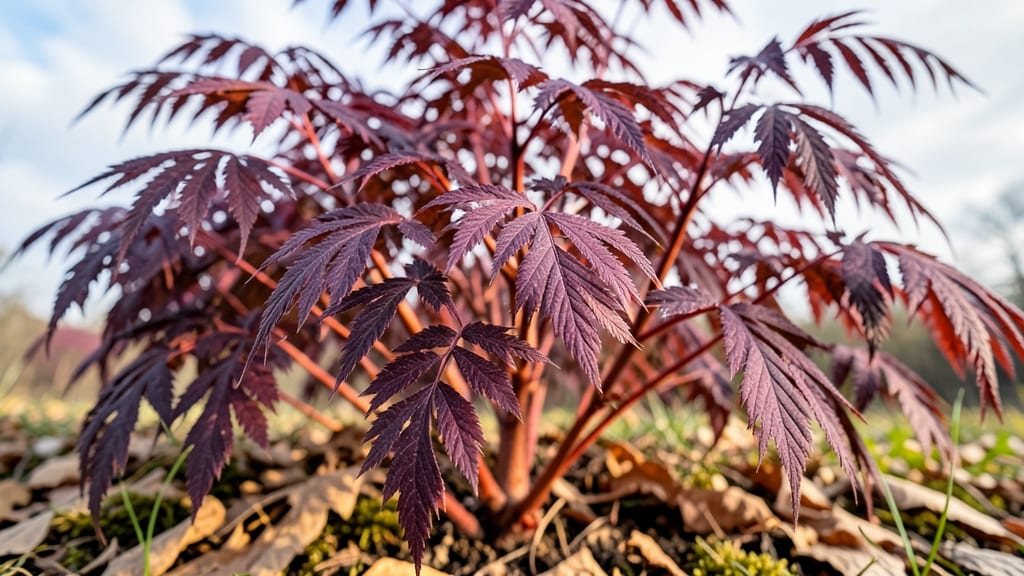
Transform your landscape with these stunning purple leaf shrubs that offer vibrant foliage, adaptability, and low-maintenance beauty. Perfect for adding bold color to borders, hedges, or focal points, these varieties thrive in diverse climates and soil conditions.
Lilac Purple Smoke Bush
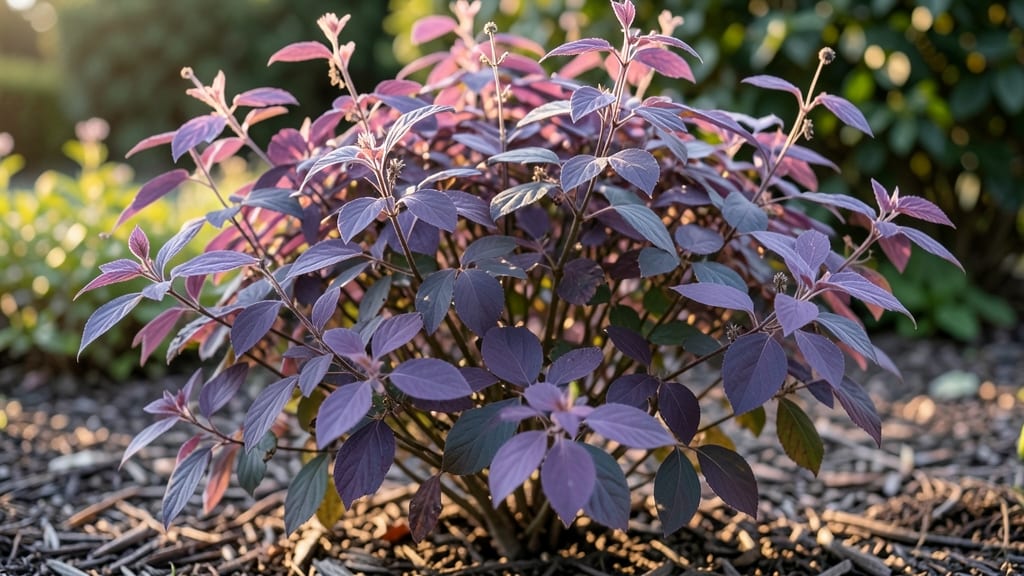
Looking for a drought-tolerant shrub that thrives without fuss while keeping deer at bay? The Lilac Purple Smoke Bush (Cotinus obovatus) delivers smoky purple foliage that deepens in winter, offering year-round interest with minimal care.
This versatile shrub handles full sun to partial shade and tolerates poor soil, making it perfect for modern landscapes or pollinator gardens. Its velvety leaves create a soft, textured backdrop, while its deer-resistant nature means you won’t lose it to hungry wildlife. Prune lightly in late winter to shape or encourage new growth—it rewards patience with a striking, low-maintenance presence.
Ideal for gardeners in USDA Zones 5-9, this shrub pairs beautifully with grasses or succulents for a contemporary look. Plant it as a focal point or in groups for maximum impact—your garden will thank you for its resilience and beauty. 🌿
Royal Purple Smokebush
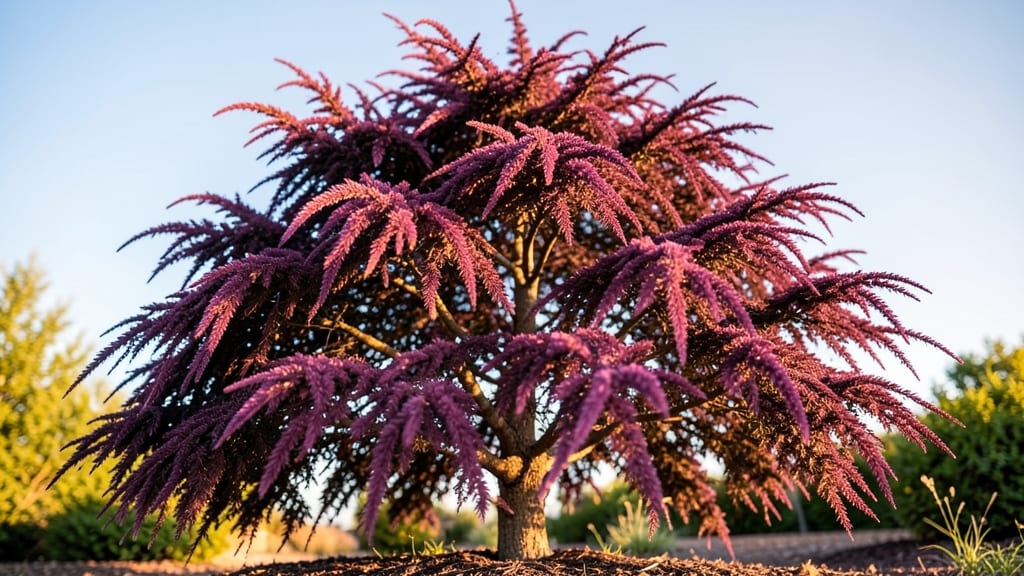
Want a bold statement plant that grows fast and handles summer heat like a champ? The Royal Purple Smokebush delivers deep, velvety purple foliage that creates striking visual contrast in any sunny garden spot.
This heat-resistant shrub thrives in full sun and reaches heights of 6-8 feet with a similar spread, making it ideal for privacy screens or dramatic focal points. Its rich color intensifies in cooler months, and it requires minimal pruning—just remove dead branches in late winter. Plant in well-draining soil and water regularly until established, then let its drought tolerance take over.
Perfect for urban gardeners or anyone seeking low-maintenance color, this shrub adds year-round interest with minimal effort. 💚
Purple Leaf Plum
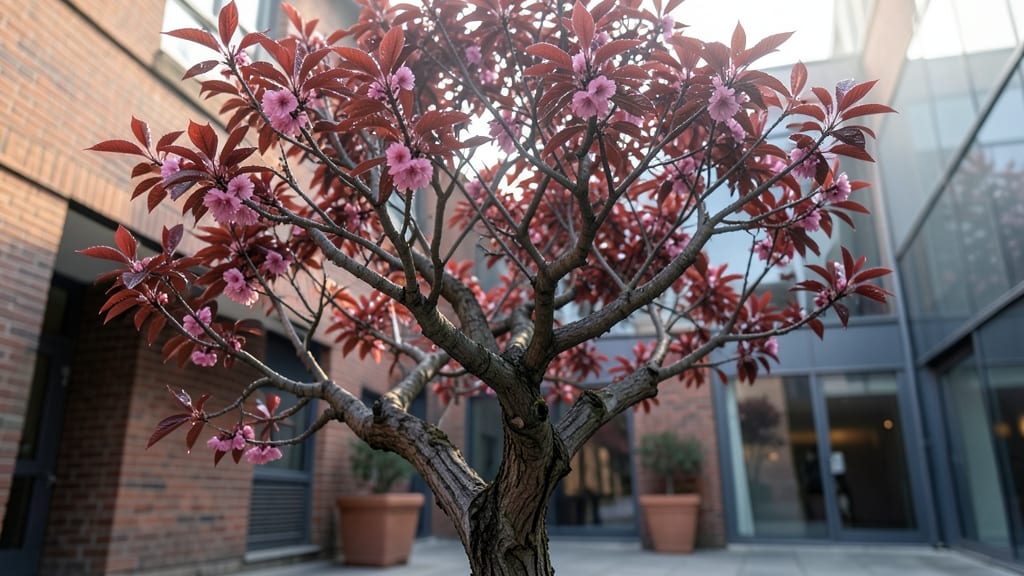
Looking for a fragrant, low-maintenance tree that adds year-round drama to your urban garden? The Purple Leaf Plum delivers vibrant pink spring blooms followed by deep purple foliage that matures to rich red—all while staying compact enough for small yards.
This versatile ornamental thrives in full sun to partial shade and tolerates most soil types, making it perfect for urban planting or as a standalone focal point. Prune lightly after flowering to maintain shape, and enjoy its sweet, intoxicating scent that draws pollinators. The foliage’s color shifts seasonally, ensuring visual interest from spring through fall.
Ideal for city dwellers or gardeners with limited space, this tree combines beauty with practicality—no high-maintenance care required. 🌻
Oakleaf Hydrangea Purple
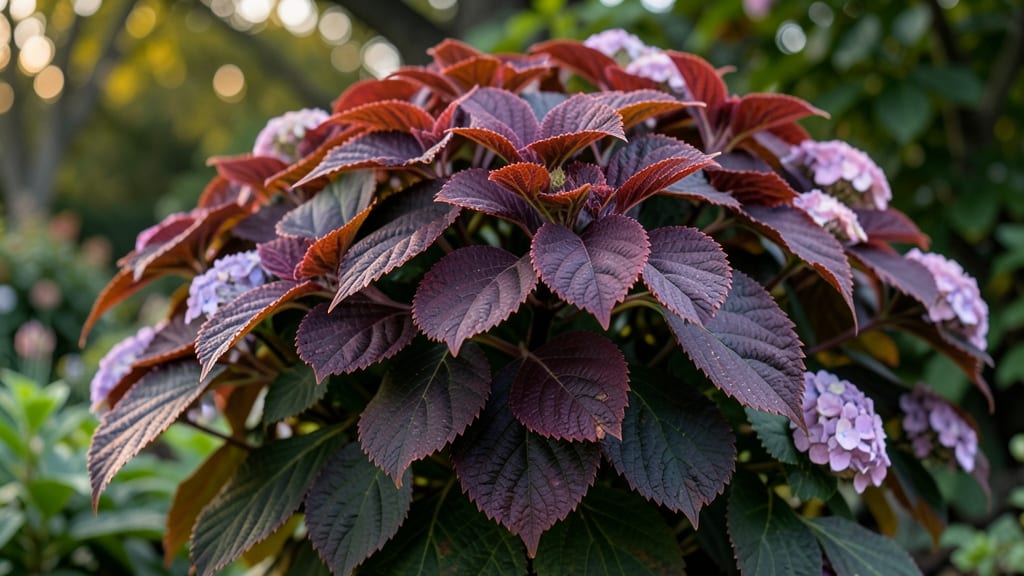
Looking for a low-maintenance shrub that delivers year-round drama without demanding full sun? The oakleaf hydrangea in purple is your answer—its deep purple leaves emerge in spring, mature to rich burgundy, and blaze into fiery reds by fall, all while thriving in partial shade.
This versatile shrub grows 4-6 feet tall with a rounded shape, making it perfect for mixed borders, woodland gardens, or as a focal point near patios. Unlike sun-loving shrubs, it tolerates 3-6 hours of sun daily and handles a range of soil types, though it prefers moist, well-drained conditions. Bonus: Its white summer blooms add texture and fragrance, while fall foliage provides a stunning contrast to golden maples or evergreens.
Ideal for gardeners who want seasonal interest with minimal fuss, this hydrangea is especially great for shady spots where other purple-leaf shrubs struggle. It’s a standout for cottage gardens, shade gardens, or even container plantings on patios. 🌻
Purple Leaf Sand Cherry
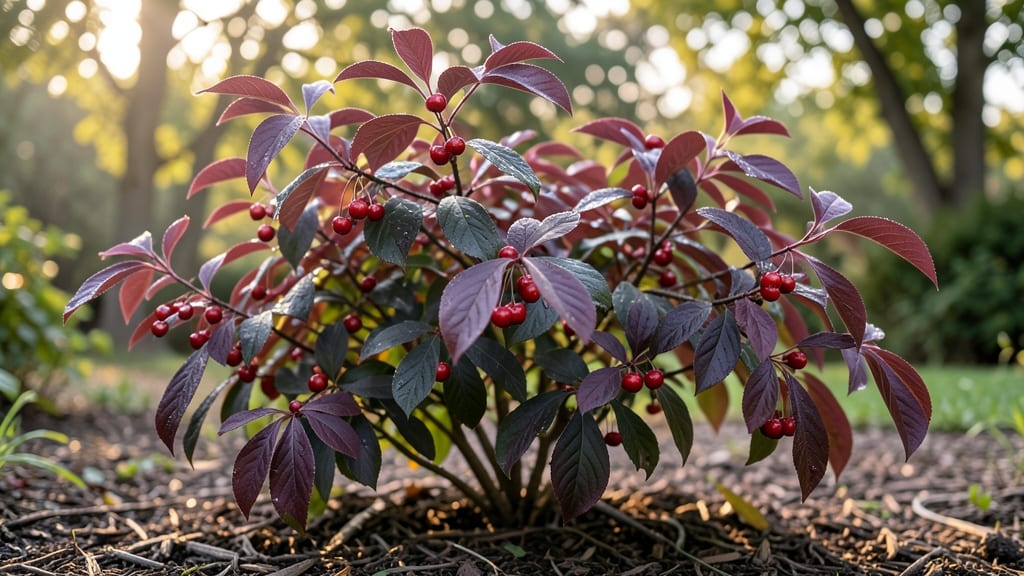
Looking for a native shrub that doubles as both a stunning landscape feature and a wildlife magnet? The purple leaf sand cherry (Prunus pumila) delivers glossy purple foliage that contrasts beautifully with its small, edible red cherries—plus, it thrives where many shrubs fail.
This hardy plant excels in dry, sunny locations, making it ideal for slopes or erosion-prone areas where other shrubs struggle. Its deep roots stabilize soil while providing food for birds and pollinators. Prune lightly after fruiting to maintain shape, and enjoy year-round interest from its striking foliage and seasonal berries.
Perfect for wildlife gardens or low-maintenance landscapes, this shrub is a game-changer for gardeners who want beauty and function. 🌻
Dwarf Purple Leaf Beech
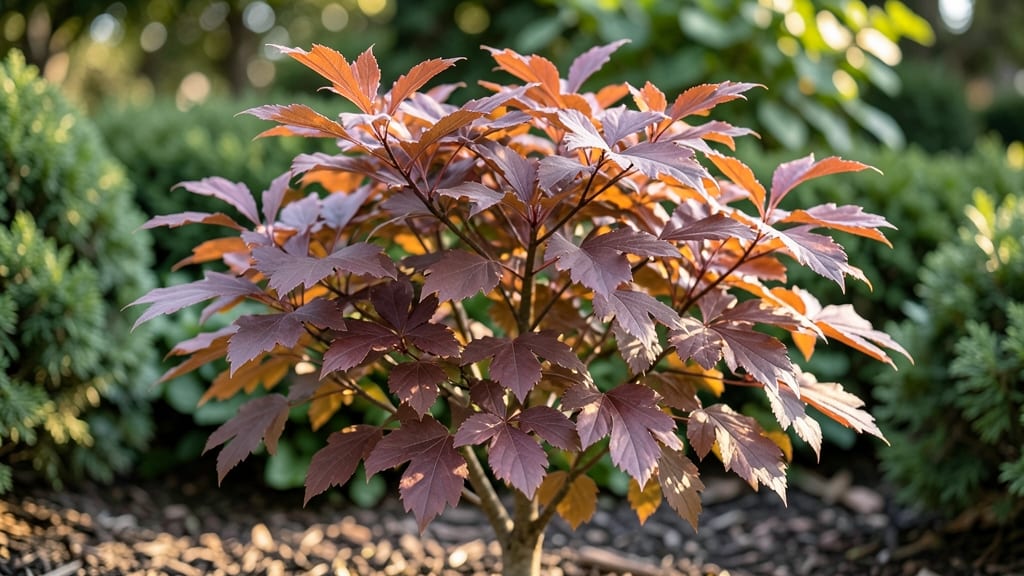
If you love the look of a beech tree but have limited space, the Dwarf Purple Leaf Beech delivers all the elegance in a compact package. This slow-growing shrub reaches just 6–8 feet tall, making it perfect for foundation plantings, small gardens, or even large containers.
Its copper-purple leaves emerge in spring and maintain their rich color through summer before transforming into golden hues in fall. Unlike its larger cousins, this variety thrives in partial shade to full sun and tolerates a wide range of soil types, including clay. Prune lightly in late winter to maintain its neat, rounded shape.
Urban gardeners and homeowners with tight spaces will appreciate its low-maintenance nature and year-round visual interest. Pair it with hostas or ferns for a striking contrast. 🌻
Purple Leaf Japanese Maple
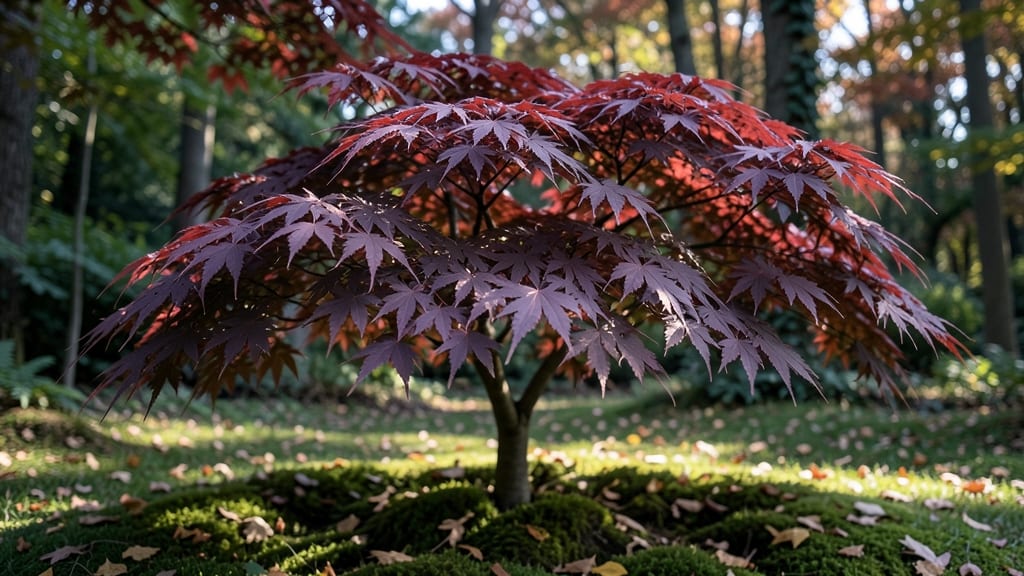
Looking for a shade-loving shrub that adds drama without demanding constant attention? The purple leaf Japanese maple (Acer palmatum 'Atropurpureum') delivers seasonal color shifts from deep purple to fiery red, making it a standout in woodland gardens and mixed borders.
This low-maintenance beauty thrives in partial to full shade, tolerating moist, well-draining soil while adding delicate texture to your landscape. Its minimal pruning needs mean you can enjoy its natural elegance year-round—just shape lightly in late winter if needed. The fine, lacy foliage creates movement and contrast when paired with bolder shrubs like boxwood or hydrangeas.
Perfect for gardeners who want year-round interest with minimal effort, this maple is especially ideal for woodland gardens, urban courtyards, or as a focal point near patios. Its graceful form and vibrant hues will keep your landscape looking fresh through all four seasons. 🌿
Purple Leaf Elderberry
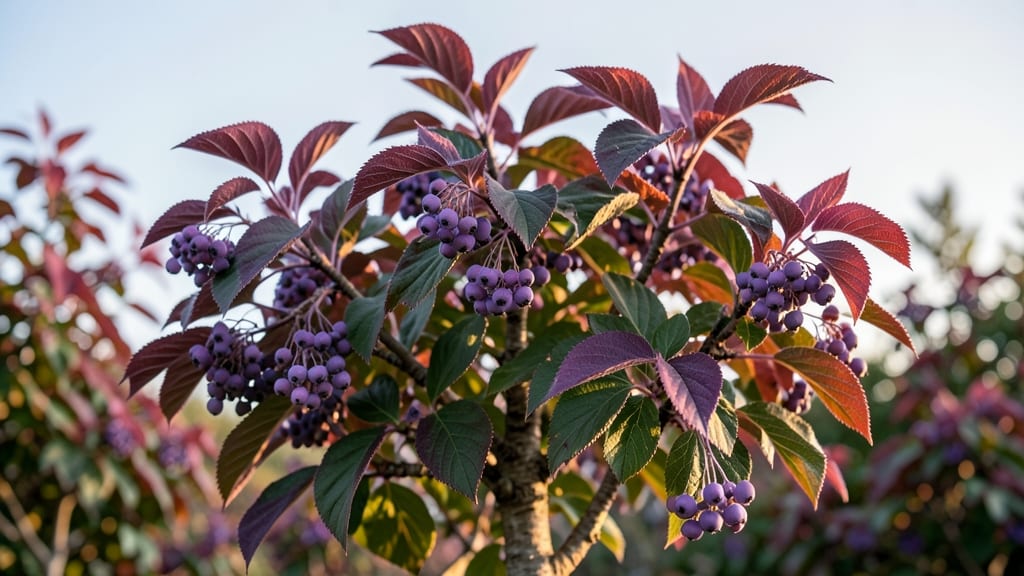
Looking for a shrub that does double duty—beautifying your garden while feeding wildlife and even you? The purple leaf elderberry delivers with its deep purple foliage and clusters of edible berries that birds and humans alike will love.
This versatile shrub thrives in full sun to partial shade and handles a range of soil types, making it perfect for permaculture gardens or wildlife habitats. The berries ripen in late summer, attracting birds and pollinators, while the striking foliage adds year-round color. Plus, it’s drought-tolerant once established, reducing watering demands.
Ideal for gardeners who want both beauty and function, this elderberry variety is a standout for those prioritizing sustainable landscapes and edible gardening. 🌱
Purple Leaf Weigela
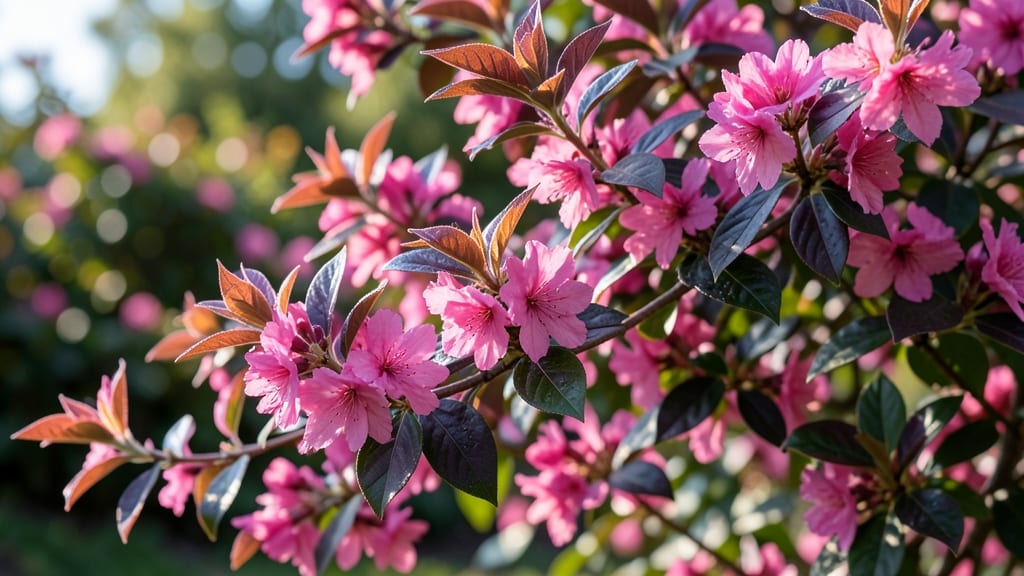
Looking for a year-round showstopper that requires almost no effort? The Purple Leaf Weigela delivers bright pink spring blooms followed by deep purple foliage that stays stunning through fall—no deadheading or fuss required.
This sun-loving shrub thrives in full sun to partial shade, making it perfect for mixed borders where it pairs beautifully with golden foliage or silver-leafed plants. Prune lightly after flowering to maintain shape, but otherwise, it’s a low-maintenance star that attracts hummingbirds to your garden.
Ideal for beginner gardeners or busy homeowners, this versatile shrub adds color without the upkeep of high-maintenance varieties. Plant it as a focal point or along pathways for instant curb appeal. 🌻
Purple Leaf
Sumac
If you're looking for a native shrub that thrives in tough conditions while adding dramatic color to your landscape, purple leaf sumac is the answer. This hardy plant features feathery purple foliage that transforms into fiery red hues in fall, creating a stunning seasonal display without the fuss.
Perfect for dry, sunny spots, purple leaf sumac requires minimal water once established and tolerates poor soil, making it ideal for erosion control on slopes or banks. Its airy, cascading branches also provide pollinator-friendly habitats, attracting bees and butterflies. Prune in late winter to shape or control size—just avoid cutting back into old wood.
This shrub is especially valuable for ecological landscapes, urban gardens, and naturalistic plantings where low-maintenance beauty meets functional benefits. It’s a standout choice for gardeners who want year-round interest with almost no effort. 🌻