
Shrubs
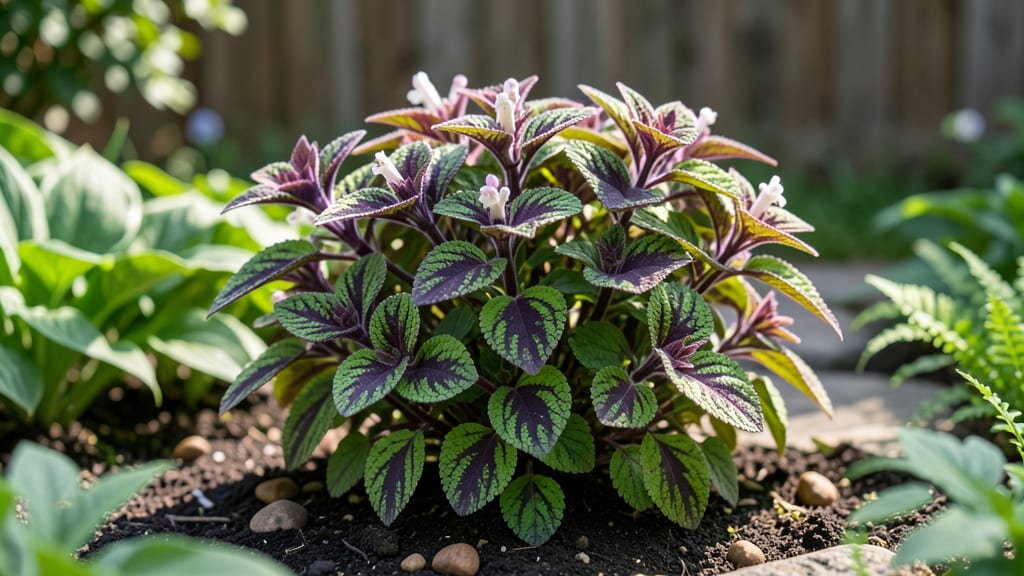
Purple-and-green leaf shrubs steal the show with their striking color contrast. 🌿 These eye-catching plants add drama to any garden, blending rich purples with vibrant greens for a look that’s impossible to ignore year-round.
Plants like Purple Smoke Bush and Variegated Boxwood thrive in full sun to partial shade, making them versatile for borders, accents, or even standalone focal points. Their bold foliage holds up beautifully in winter, ensuring your garden stays visually interesting even in colder months.
Pair them with silver foliage plants or deep red blooms to amplify their impact. With minimal pruning and basic care, these shrubs stay lush and full, delivering low-maintenance beauty that pays off instantly. Perfect for modern landscapes, cottage gardens, or even urban containers.
Let’s explore the best options for your climate and design style!
📚 In This Guide
- What you need
- Instructions
- Tips and common mistakes
- Wrapping up and next steps
What you need
- ● Purple & green leaf shrub: 1-2 nursery-grown plants (e.g., Cotinus coggygria ‘Royal Purple’, Berberis thunbergii ‘Purple Panda’, or Ilex ‘Sparkle’)
- ● OR seeds or cuttings (if propagating from scratch).
- ● Planting location: A spot with 6+ hours of sunlight (adjust for shade-tolerant varieties).
- ● Well-draining soil: Mix 1 part compost with 2 parts native soil (or use pre-mixed shrub/berry soil).
- ● Mulch: 2–3 inches of wood chips or shredded bark (to retain moisture and suppress weeds).
- ● Garden trowel or spade (for digging holes).
- ● Pruning shears (sterilized with rubbing alcohol).
- ● Garden gloves (to protect your hands from thorns or rough bark).
- ● Watering can or hose with a gentle spray nozzle (for post-planting hydration).
- ● Measuring tape (to ensure proper spacing—3–6 feet apart, depending on shrub size).
- ● Slow-release fertilizer (e.g., 10-10-10 NPK) to boost early growth.
- ● Epsom salt (1 tbsp per gallon of water) for magnesium-rich foliage.
- ● Plant support stakes (if your shrub is tall or top-heavy).
- ● Organic pest control (e.g., neem oil for aphids or spider mites).
- ● Garden journal to track growth, pruning dates, and color changes!
How to select and plant purple-and-green leaf shrubs for striking year-round contrast
Here's how to choose and establish these showstopping shrubs for maximum visual impact.
🌱 Step 1: Choose the Right Varieties for Your Climate
Start by selecting shrubs with purple foliage that thrives in your hardiness zone. Varieties like Purple Smoke bush (Cotinus) or Dwarf Fountain purple beech (Fagus sylvatica) offer bold contrast with their deep burgundy leaves against green understory plants. I always check the mature height—3-6 feet works well for foundation plantings, while 1-3 feet suits containers or small gardens.
For evergreen options, consider Purple Heart bush (Weigela) or Dwarf Purple Leaf boxwood (Buxus). These retain their color year-round, creating winter interest when many plants go dormant. Avoid varieties labeled "spring color"—they'll fade to green or brown once summer arrives. Look for tags specifying "year-round purple" or "persistent foliage color."
🪴 Step 2: Prepare the Planting Site for Optimal Growth
Most purple-leaf shrubs prefer full sun to partial shade (6+ hours of sunlight daily). I test the spot by placing a white board where the plant will go—if it stays cool to the touch for more than 2 hours, it's too shady. Amend the soil with 2-3 inches of compost mixed into the top 12 inches of native soil to improve drainage and nutrient availability.
For containers, use a well-draining potting mix with added perlite (20% perlite to 80% mix). Purple foliage often indicates drought-tolerant varieties, but they still need moist but not soggy soil. I always add a 1-inch layer of gravel at the bottom of the pot to prevent root rot. Avoid planting in areas with poor air circulation—this encourages fungal diseases that discolor leaves.
☀️ Step 3: Plant at the Correct Depth and Spacing
Dig a hole twice as wide as the root ball but no deeper—planting too deep suffocates roots and causes stress. Gently loosen the roots if they're circling the root ball (a common issue with nursery plants). Place the shrub so the top of the root ball sits 1 inch above ground level—this prevents soil from settling and burying the stem over time.
Space shrubs 3-5 feet apart for mature size (check the tag for exact spacing). Overcrowding leads to competition for nutrients and weakens the purple pigmentation. Backfill with native soil mixed with compost, tamping lightly to remove air pockets. Water deeply immediately after planting—1 gallon per plant—to settle the soil and encourage root contact with the surrounding earth.
💧 Step 4: Establish Watering and Fertilizing Routines
Water newly planted shrubs every 2-3 days until new growth appears (about 4-6 weeks). You'll know it's time to reduce watering when the soil feels dry 2 inches below the surface—purple-leaf varieties often signal drought stress by drooping or losing vibrancy. Once established, most need watering only during prolonged dry spells (every 7-10 days in summer).
Fertilize lightly in early spring with a balanced, slow-release fertilizer (10-10-10 or 20-20-20). Avoid high-nitrogen fertilizers—they promote lush green growth at the expense of purple pigmentation. I use 1 tablespoon of fertilizer per foot of plant height, worked into the top 2 inches of soil. Mulch with 2-3 inches of shredded bark to retain moisture and regulate soil temperature.
✂️ Step 5: Prune for Shape and Health Year-Round
Prune in late winter or early spring before new growth begins. Remove dead, diseased, or crossing branches first—these can spread pathogens or block sunlight from the center. For shaping, cut back 1/3 of the oldest stems to encourage new growth and maintain a youthful appearance. Purple-leaf shrubs often develop green tips in late summer—trim these back to restore color intensity.
Never prune in fall—new growth won't harden off before winter, and tender shoots will die in cold snaps. I always sanitize pruners with rubbing alcohol between cuts to prevent bacterial spread. If your shrub loses its purple hue, it may need more sunlight—move it to a sunnier spot or thin nearby plants blocking light. With proper care, these shrubs deliver year-round drama with minimal effort.
Tips & tricks for perfect purple-and-green leaf shrub plantings
Here's what nobody tells you about keeping those vibrant colors alive all year:
Climate Matching: Purple foliage shrubs thrive in zones 4-9, but the key is selecting varieties that match your specific microclimate. For example, Purple Smoke bush (Cotinus) handles heat beautifully, while Dwarf Purple Leaf boxwood (Buxus) prefers cooler coastal regions. Check the plant tag for "year-round color" guarantees—spring-only varieties will fade to green or brown by summer. I've seen gardeners waste money on "spring color" plants that lose their drama after just a few months.
Sunlight Secret: The 6+ hours of sunlight requirement is non-negotiable for maintaining that rich purple pigment. I test spots by placing a white board where the plant will go—if it stays cool for more than 2 hours, it's too shady. For containers, position them where they'll get morning sun and afternoon shade in hot climates. Too much direct afternoon sun can actually bleach out the purple hues over time, especially in varieties like Weigela.
Soil Science: The 2-3 inches of compost mixed into the top 12 inches of soil isn't just about nutrients—it's about creating the perfect balance of moisture retention and drainage. Purple-leaf varieties often develop green tips when soil stays too wet. If you're in heavy clay soil, consider adding sand or perlite to improve aeration. I've found that amending with leaf mold compost (from decomposed leaves) helps maintain that vibrant color better than regular compost.
Pruning Precision: When you cut back 1/3 of the oldest stems in late winter, you're not just shaping—you're encouraging fresh growth that will bring back the full purple color. The green tips that appear in late summer? Those are your plant's way of telling you it's time for another trim. I always use sharp, clean pruners and make cuts at a 45-degree angle just above a leaf node to prevent disease entry points. This simple technique keeps your shrubs looking professional for years.
Pro Tips for Purple And Green Leaf Shrub
- Here's what nobody tells you about keeping those vibrant colors alive all year:
- Climate Matching: Purple foliage shrubs thrive in zones 4-9, but the key is selecting varieties that match your specific microclimate.
- Sunlight Secret: The 6+ hours of sunlight requirement is non-negotiable for maintaining that rich purple pigment.
Frequently asked questions
Got questions about adding a purple and green leaf shrub to your garden? You’re not alone! Here are some of the most common queries—and their answers—to help you make the best choice for your landscape.
What are the best purple and green leaf shrubs for full sun exposure?
If your garden basks in full sun, opt for hardy varieties like Cotinus 'Royal Purple' or Weigela 'Wine and Roses'. These shrubs thrive in bright conditions while maintaining their striking foliage. For extra drama, try Abelia 'Kaleidoscope', which boasts purple-tinged leaves and blooms that add seasonal interest.
Can purple and green leaf shrubs survive in partial shade?
Shrubs like Hydrangea 'Endless Summer' or Pieris japonica 'Little Heath' adapt well to partial shade, though their purple hues may deepen in sunnier spots. Just ensure they get at least 4-6 hours of light daily to prevent leggy growth. Mulch around the base to retain moisture in shadier areas.
How cold-hardy are these shrubs, and do they need winter protection?
Most purple and green leaf shrubs, like Viburnum 'Crimson Beauty', tolerate zones 5-9. For colder climates, wrap young plants in burlap or apply a thick layer of mulch. Evergreens (e.g., Ilex 'Dwarf Purple') may need occasional watering in winter to prevent drought stress from dry air.
What’s the best way to prune a purple and green leaf shrub for bushier growth?
Prune in late winter or early spring before new growth appears. Use clean shears to trim back 1/3 of the oldest stems to encourage fresh foliage. Avoid heavy pruning in fall, as it can stress the plant. For flowering shrubs, prune after blooms fade to preserve next year’s flowers.
Are there any low-maintenance alternatives to purple and green leaf shrubs?
If you’re short on time, consider Lavender 'Hidcote' (silvery-purple foliage) or Santolina 'Lemon Queen' (silver-green with yellow blooms). Both are drought-tolerant and require minimal pruning. For year-round color, Boxwood 'Green Velvet' with purple variegation is a classic, low-fuss option.
Still unsure? Drop your specific concerns in the comments—we’re happy to help you pick the perfect shrub for your space!
Wrapping up and next steps
Adding a purple and green leaf shrub to your garden is a fantastic way to create stunning visual contrast and effortless beauty. These vibrant plants thrive with minimal fuss, offering year-round interest and low-maintenance charm.
Whether you're a seasoned gardener or just starting out, they’re the perfect choice for transforming any outdoor space.
Ready to elevate your garden’s drama? Start by selecting the perfect variety for your climate and space, then give it the care it deserves. Your future self—and your neighbors—will thank you! 🌿✨