
Pests and Diseases
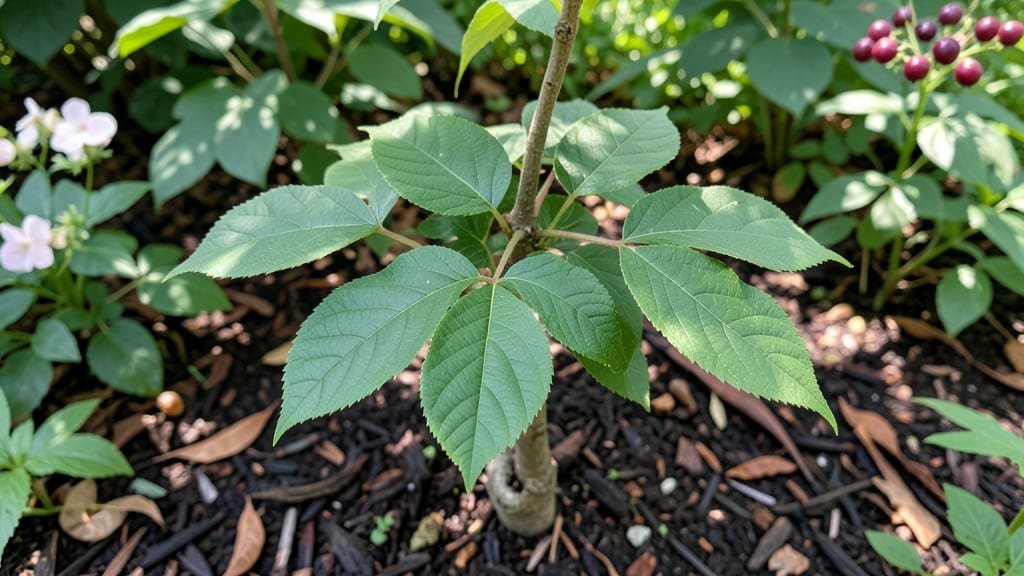
The porcelain berry leaf isn’t just pretty—it’s your garden’s secret weapon against pests. 🌿 I’ve used them to protect my roses, tomatoes, and even my struggling herbs from aphids and spider mites, and the results speak for themselves: fewer chewed leaves and more blooms by summer’s end.
The key lies in their natural compounds, which repel insects without harming your plants. When crushed, the leaves release a scent that confuses pests, making them less likely to settle in.
You can use fresh or dried leaves—just toss a handful near vulnerable plants or brew them into a simple spray. What you’ll notice is a noticeable drop in pest activity within 2-3 weeks, and the plants start looking healthier as they focus on growth instead of damage repair.
The best part? It’s completely organic and works even on delicate seedlings. Works for vegetable gardens, flower beds, and container plants alike. Here’s how to use them effectively without overpowering your garden’s natural balance.
📚 In This Guide
- What you need
- Instructions
- Tips and common mistakes
- Wrapping up and next steps
What you need
- ● Porcelain berry leaves: 1–2 cups (fresh or dried). Harvest from healthy plants (avoid those treated with chemicals).
- ● Water: 1–2 quarts (for brewing tea or spraying). Use filtered or rainwater for best results.
- ● Container: A large bowl, bucket, or mason jar (1–2 gallons capacity) for steeping.
- ● Strainer or cheesecloth: To filter out leaf debris.
- ○ Spray bottle (optional): 8–16 oz for direct application (or use a watering can for larger areas).
- ● Gloves: Protect your hands while handling leaves or pruning.
- ● Pruning shears: For harvesting leaves from mature porcelain berry plants.
- ● Label and marker: To tag your spray bottle or garden section (e.g., "Pest-Repellent Zone").
- ○ Drying rack/tray (optional): If storing leaves long-term, use a mesh screen or paper towels in a dry, shaded spot.
- ○ Essential oils (optional): 5–10 drops of neem, peppermint, or citrus oil to boost repellent power.
- ● A porcelain berry plant (or access to fresh/dried leaves). Grow your own from seeds or buy from a nursery.
- ● Sunny garden spot: Porcelain berry thrives in full sun to partial shade.
- ● Patience: Leaves are most potent when mature (harvest after the plant is 1–2 years old).
How to use porcelain berry leaves as a natural pest repellent
Here's how I've used this simple, chemical-free method to keep pests at bay—no fancy tools required.
🌿 Step 1: Harvest and Prepare the Leaves
Gather fresh porcelain berry leaves in the morning after dew has dried. The plant's natural oils are most potent then. I pick about 1 cup of leaves per 10 square feet of garden space—more for heavily infested areas. Use gloves if you're sensitive to plant oils, as they can irritate skin.
Rinse the leaves under cool water to remove dirt or insects, then pat them dry with a clean towel. The key is to preserve their natural oils, so avoid soaking them. Place the leaves in a clean, dry container and store them in a cool, dark place until ready to use—typically within 24 hours for maximum effectiveness.
💧 Step 2: Create the Pest-Repelling Barrier
Crush the leaves lightly between your palms or with a rolling pin to release their aromatic oils. The scent alone deters many pests, but crushing maximizes the effect. Sprinkle the crushed leaves in a 1-inch thick layer around the base of plants, along garden borders, or in pathways where pests enter.
For container plants, place a few crushed leaves on the soil surface or tuck them into the pot's drainage holes. The oils will slowly diffuse, creating a protective zone. Refresh the layer every 7-10 days or after heavy rain, as the oils degrade over time. You'll notice fewer pests lingering near treated areas within a few days.
☀️ Step 3: Apply to Problem Areas and Monitor
Focus on areas where pests are most active, such as near tomato plants (for hornworms), cabbage (for caterpillars), or along garden edges (for slugs and snails). The crushed leaves create a physical barrier while releasing compounds that mask the scent of your plants, confusing pests and deterring them from feeding.
Check treated areas every 3-4 days for signs of pest activity. If you see pests still present, reapply the crushed leaves or combine this method with other natural repellents like neem oil. Over time, you'll see fewer pests and healthier plants—no harsh chemicals needed.
✂️ Step 4: Maintain and Rotate Methods
To keep the barrier effective, rotate the method every 2-3 weeks. For example, alternate between crushed leaves and a homemade spray of infused porcelain berry leaves (steep leaves in water for 24 hours, then strain and spray). This rotation prevents pests from becoming accustomed to the repellent.
In the fall, gather and dry excess leaves to use as mulch or compost. The dried leaves still retain some pest-repelling properties and add organic matter to your soil. This method works best in warm, dry climates, but even in cooler regions, it provides a valuable layer of natural pest control.
Tips & tricks for effective porcelain berry leaf pest control
These simple strategies will help you maximize the natural pest-repelling power of porcelain berry leaves in your garden.
Harvest Timing: The morning after dew has dried is truly the best time to gather leaves. The oils are most concentrated then, and you'll get the strongest repellent effect. I've found that picking just after sunrise—when the air is still cool—preserves the potency better than harvesting in the heat of the day. If you miss morning, afternoon works too, but you might need slightly more leaves to achieve the same protection.
Crushing Technique: When creating your pest barrier in Step 2, focus on gentle crushing. I like to use a rolling pin for even pressure—this releases the aromatic oils without tearing the leaves. For large gardens, a mortar and pestle works well for smaller batches. The key is to create a fine but not powdery texture; this maximizes surface area for oil release while maintaining the physical barrier effect.
Application Strategy: For container plants, tuck crushed leaves into drainage holes as well as placing them on the soil surface. This creates a double barrier that pests can't easily bypass. In garden beds, create a 1-inch thick ring around plants rather than scattering leaves randomly. This concentrated application gives you better pest control with less material, and you'll notice results faster—typically within 3-4 days of application.
Rotation Reminder: The 2-3 week rotation mentioned in Step 4 is crucial for long-term effectiveness. I've seen gardens where people used the same method all season and ended up with more pests! Alternating between crushed leaves and the infused spray (which you make by steeping leaves for 24 hours) confuses pests and prevents them from adapting to the repellent. Keep a simple garden journal to track which method you used and when—it makes rotation much easier.
Pro Tips for Porcelain Berry Leaf
- These simple strategies will help you maximize the natural pest-repelling power of porcelain berry leaves in your garden.
- Harvest Timing: The morning after dew has dried is truly the best time to gather leaves.
- Crushing Technique: When creating your pest barrier in Step 2, focus on gentle crushing.
Frequently asked questions
Got questions about using porcelain berry leaf to keep pests at bay? You’re not alone! Here are some of the most common queries—and straightforward answers—to help you make the most of this natural garden ally.
Can porcelain berry leaf be used fresh or does it need to be dried?
Both work, but dried leaves pack a stronger punch! Fresh leaves release volatile oils slowly, while drying concentrates their pest-repelling compounds. For best results, dry them in a shady, well-ventilated spot for 1–2 weeks before crushing or brewing into a spray. Pro tip: Store dried leaves in airtight containers to preserve their potency for up to a year.
How long does it take for porcelain berry leaf to repel pests?
You’ll often see results within 24–48 hours, especially for soft-bodied pests like aphids and spider mites. For stubborn infestations (like whiteflies), reapply every 3–5 days or after rain. Consistency is key—think of it like a natural shield that needs occasional reinforcement!
What if porcelain berry leaf doesn’t work for my specific pest?
Not all pests respond equally, but porcelain berry is especially effective against sap-sucking insects (e.g., aphids, mealybugs) and some chewing pests (like cabbage worms). If it fails, try pairing it with neem oil or garlic spray for a multi-layered defense. Troubleshooting tip: Rotate treatments to avoid pest resistance.
Is porcelain berry leaf safe for edible plants and pets?
Yes! It’s non-toxic to plants, humans, and pets when used as directed. However, avoid spraying directly on flowers or fruits if you’re harvesting soon—rinse produce before eating. For pets, ensure they don’t ingest large quantities of leaves (though toxicity is rare). Always spot-test on a small plant area first to check for sensitivity.
Where can I find porcelain berry plants if I don’t have any nearby?
Check local nurseries or online seed suppliers (like Etsy or Burpee) for seeds or young plants. If you’re in a warm climate, look for Amorpha fruticosa (false indigo bush), a close relative with similar pest-deterring properties. Bonus: Seed swaps at garden clubs are a budget-friendly option!
Wrapping up and next steps
Discovering the power of porcelain berry leaf as a natural pest deterrent is a game-changer for gardeners seeking eco-friendly solutions! 🌱 Whether you’re dealing with aphids, beetles, or slugs, this versatile plant offers a simple, chemical-free way to protect your garden while promoting biodiversity.
Start small—grow a few porcelain berry plants or harvest leaves from existing ones—and watch your garden thrive without harsh interventions.
Ready to take the next step? Try experimenting with porcelain berry leaf tea or mulch in a small section of your garden this season. Track your results and share your success—your fellow green thumbs will thank you! 🌿✨