
Planting
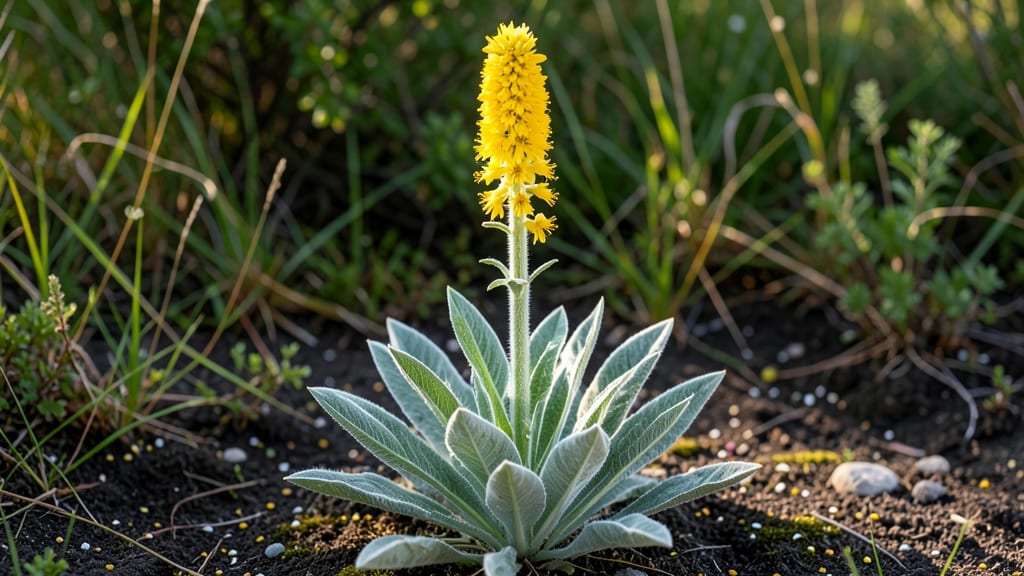
Growing mullein leaf is like cultivating a low-maintenance superhero for your garden—tough, useful, and impossible to kill once established. 🌿 This hardy perennial thrives where many plants fail, offering medicinal leaves, self-seeding reliability, and striking vertical presence in any sunny spot.
The secret to happy mullein lies in its simplicity: well-draining soil, full sun, and occasional neglect. Forget fussing over watering schedules—mullein handles drought like a champ and even pops up in poor soil. Its deep roots make it drought-resistant, while its fuzzy stems and leaves deter most pests without chemicals.
By late summer, you'll harvest velvety leaves for tea, salves, or poultices, with each plant producing enough for multiple uses. The first-year growth is modest, but by year two, you'll have a self-sustaining colony that spreads gently on its own.
Perfect for wildflower gardens, medicinal plant beds, or even as a living mulch. Here's how to grow yours without the guesswork!
📚 In This Guide
- What you need
- Instructions
- Tips and common mistakes
- Wrapping up and next steps
What you need
- ● Mullein seeds (Verbascum thapsus): 20–50 seeds (or 1–2 nursery-grown seedlings for faster growth). Opt for organic, non-GMO seeds for best results.
- ● Well-draining soil: A mix of 60% garden soil, 30% compost, and 10% coarse sand (or perlite for urban gardens). Mullein thrives in sandy or loamy soil with a pH of 6.0–7.5.
- ● Sunlight access: A full-sun location (6+ hours of direct sunlight daily). Partial shade (4–6 hours) is tolerable but may reduce leaf yield.
- ● Watering can or hose: For gentle, deep watering (avoid overhead sprinklers to prevent fungal risks).
- ○ Garden gloves: Optional but recommended for handling prickly stems (especially when harvesting).
- ● Mulch (straw or wood chips): 2–3 inches to retain moisture and suppress weeds.
- ● Fertilizer (low-nitrogen): A balanced 5-5-5 or 3-4-6 fertilizer (apply sparingly—mullein is low-maintenance!).
- ● Plant markers: To label your mullein patch (especially useful in shared gardens).
- ● Pruning shears: For trimming spent flowers to encourage leafy growth.
- ● Compost bin: To recycle mullein leaves and stems into nutrient-rich compost later!
Step-by-step instructions for planting mullein leaf
This hardy perennial thrives with minimal fuss—just follow these clear steps for a thriving, self-sufficient plant.
🌱 Step 1: Choose the Right Location and Prepare the Soil
Mullein leaf loves full sun—at least 6-8 hours daily—and tolerates poor, dry soil better than most perennials. I always scout the sunniest, driest corner of my garden because mullein despises soggy roots. Test your spot by observing how quickly water drains after a rain—if puddles linger past an hour, amend the soil with sand or gravel to improve drainage.
Loosen the top 6-8 inches of soil with a garden fork or tiller, breaking up any compacted layers. Mullein’s deep taproot needs room to establish, so avoid heavy tilling that could damage roots later. If your soil is clay-heavy, mix in compost or well-rotted manure to improve structure without making the soil too rich—mullein prefers lean conditions.
🌱 Step 2: Plant Seeds or Transplants at the Right Time
For direct sowing, scatter seeds in early spring or late summer when soil temperatures hover around 60-70°F. Press them lightly into the soil—no need to bury them deeply, as mullein seeds germinate best when just covered. I space mine 12-18 inches apart because they’ll spread over time. Water gently but thoroughly after planting to settle the soil and encourage contact between seeds and earth.
If using transplants, dig holes slightly wider than the root ball but no deeper. Gently tease apart roots if they’re circling, then place the plant so the top of the root ball sits ½ inch below soil level. Backfill with native soil, tamp lightly, and water deeply to eliminate air pockets. Mullein handles transplant shock better than most perennials, but a good soak helps it recover quickly.
☀️ Step 3: Water and Maintain Minimal Care
Once established, mullein is drought-tolerant, but young plants need consistent moisture. Water every 2-3 days until you see new growth—about 2-3 weeks—then taper off to once weekly or only when the soil feels dry 2 inches below the surface. Overwatering leads to root rot, and mullein’s natural resilience makes it better off with less attention than most perennials.
Mullein thrives in neglect, but a light mulch of straw or leaves helps retain moisture and suppress weeds without smothering the plant. Avoid heavy mulches that could trap too much moisture. I skip fertilizing entirely—mullein grows best in lean soil and may become leggy or floppy if overfed. Watch for yellowing leaves, which usually signals overwatering or too much nitrogen.
✂️ Step 4: Prune and Harvest for Longevity
Harvest leaves anytime after the first year, but avoid taking more than ⅓ of the plant at once. Cut stems just above a leaf node to encourage bushier growth. I prefer harvesting in late spring or early summer when leaves are largest and most potent. Never harvest from the base—mullein’s rosette is its engine, and damaging it weakens the plant for years.
Deadhead spent flowers in early summer to redirect the plant’s energy into leaf production rather than seed development. I also trim back any woody stems after harvest to encourage fresh, tender growth. Mullein’s second year is often its most productive, so resist the urge to harvest heavily in the first year—let it establish roots and energy reserves.
🌿 Step 5: Overwinter and Plan for Next Year
Mullein is cold-hardy and needs no special winter care, but a light mulch of straw or pine needles protects young plants from harsh winds. Older plants handle winter easily, but their first winter is critical. If your winters are extremely cold (below 0°F), add a 4-inch layer of mulch to insulate the roots.
By late winter, you’ll notice new shoots emerging—this is your cue to thin out crowded plants. Mullein spreads via seed and self-sows prolifically, so I pull up extras to share or transplant. The goal is to keep plants 18-24 inches apart** for optimal air circulation and leaf production. With minimal effort, mullein will reward you with years of hardy, self-sufficient growth.
Tips & tricks for perfect mullein leaf growth
A few simple strategies will help you cultivate thriving mullein plants that reward you with years of self-sufficient growth.
Location Intelligence: Mullein’s love for full sun—at least 6-8 hours daily—is non-negotiable, but the real secret lies in soil drainage. I’ve seen mullein plants thrive in soil that would make other perennials wilt. After planting, create a slight mound around the base to ensure excess water runs away from the roots during heavy rains. This simple elevation trick prevents the very root rot that can plague mullein when conditions get too moist.
Planting Precision: When transplanting, that ½ inch below soil level placement matters more than you might think. The root ball should sit just slightly lower than the surrounding soil to prevent stem rot while allowing the crown to stay above ground. I’ve learned this the hard way—burying too deep causes plants to struggle for years. For direct sowing, resist the urge to cover seeds deeply; they germinate best when barely pressed into the soil surface.
Watering Wisdom: Those 2-3 weeks of consistent moisture are critical for young plants, but here’s what nobody tells you—the real test isn’t the clock, it’s the soil. Stick your finger 2 inches deep before watering established plants. If it feels dry, water; if it’s still moist, wait. I’ve watched mullein plants recover from drought only to suffer from overzealous watering that led to yellowing leaves and weak growth. The key is balance, especially in the first growing season.
Harvesting Strategy: The ⅓ rule for harvesting is your best friend for long-term productivity. I’ve seen gardeners take too much too soon, only to watch their mullein plants struggle to recover. When harvesting, focus on the outer leaves first—they’re the most mature and won’t compromise the plant’s ability to photosynthesize. And remember, those late spring/early summer leaves pack the most potency, so plan your harvests accordingly.
Pro Tips for Plant Mullein Leaf
- A few simple strategies will help you cultivate thriving mullein plants that reward you with years of self-sufficient growth.
- Location Intelligence: Mullein’s love for full sun—at least 6-8 hours daily—is non-negotiable, but the real secret lies in soil drainage.
- Planting Precision: When transplanting, that ½ inch below soil level placement matters more than you might think.
Frequently asked questions
Got questions about growing and using Verbascum thapsus (mullein leaf)?
Here are answers to the most common ones—from planting to harvesting—so you can get the most out of this hardy perennial!
How long does it take for mullein leaves to grow large enough to harvest?
Mullein leaves take about 2–3 years to reach their full, broad size (up to 12 inches long!). In their first year, they’ll produce a rosette of small leaves—great for tea but not ideal for large-scale use. Be patient! Pro tip: Harvest younger leaves for tender tea blends, or wait for mature leaves for poultices or tinctures.
Can I grow mullein indoors, or does it need to be outside?
Mullein is a sun-loving perennial and thrives outdoors in full sun (6+ hours daily). While you can start seeds indoors (6–8 weeks before last frost), transplanting seedlings outside is critical—they won’t tolerate indoor conditions long-term. A sunny windowsill might work for seedlings, but a garden bed is a must for mature plants. Warning: Overwatering indoors can cause rot.
When is the best time to harvest mullein leaves?
Harvest leaves in early summer (June–July) when they’re fully grown but before the plant bolts to flower. For young leaves, harvest in spring. Always pick outer leaves first to encourage regrowth. Never harvest from roadside plants—they may be contaminated. Storage tip: Dry leaves in bundles upside-down in a dark, well-ventilated space.
Are mullein leaves safe for pets if they wander into the garden?
Mullein is non-toxic to pets in small amounts, but large ingestions may cause mild stomach upset. While it’s generally safe, monitor your pets if they nibble. The plant’s fuzzy texture can also irritate sensitive noses or throats. Note: If your pet ingests a large quantity or shows signs of distress (vomiting, lethargy), contact a vet.
What can I substitute for mullein if I can’t grow it?
If mullein isn’t available, try these similar medicinal herbs for respiratory support:
- Coltsfoot (for coughs, but avoid long-term use)
- Plantain (wild or ribwort, for lung health)
- Horehound (for sore throats and congestion)
- Marshmallow root (soothes irritated airways)
While not identical, these herbs offer overlapping benefits. Always research proper dosages!
Wrapping up and next steps
Growing plant mullein leaf is a rewarding way to add a hardy, medicinal, and pollinator-friendly perennial to your self-sufficient garden! 🌱 With minimal fuss, this versatile plant thrives in poor soil, requires little maintenance, and offers benefits from its leaves to its towering stems.
Whether you’re harvesting for tea, supporting bees, or simply embracing nature’s resilience, mullein is a fantastic addition.
Ready to dive in? Start by planting a few seeds or seedlings this season—your garden (and future herbal remedies!) will thank you. Happy growing! 🌿