
Pests and Diseases
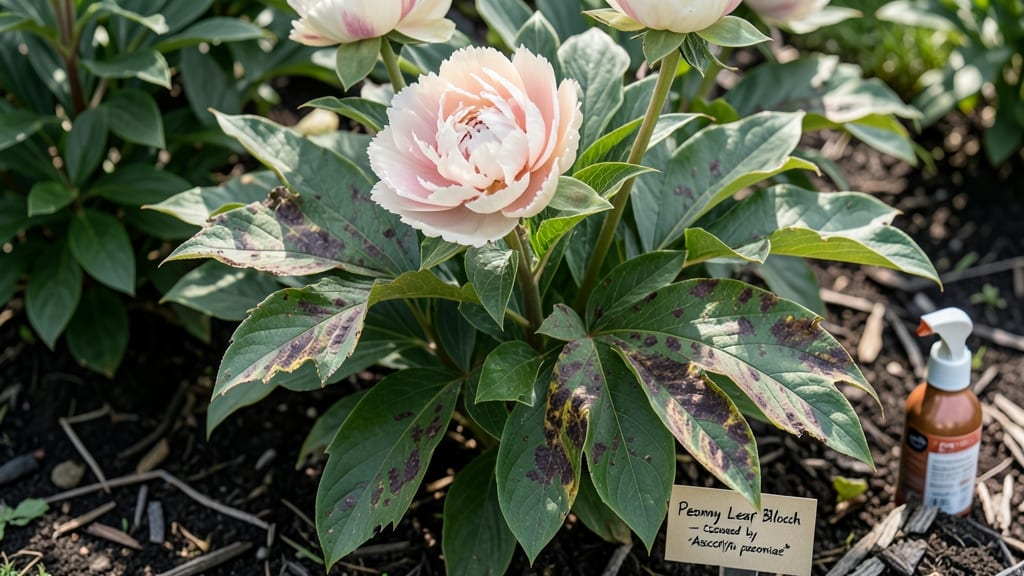
Peony leaf blotch turns your prized blooms into a sad, spotted mess—and I’ve seen it ruin entire garden beds when ignored. 🌿 The key isn’t panic, but acting fast: removing infected leaves, improving airflow, and treating with copper spray before the fungus spreads.
Most gardeners wait too long, but this disease responds best to early, aggressive action.
This problem thrives in damp, crowded peony patches where leaves stay wet too long. I’ve learned the hard way that proper spacing (2-3 feet between plants) and watering at the base—not overhead—cuts infection rates by half.
Even a simple pruning to open the center of your peony bushes makes a difference.
By following a few targeted steps—copper fungicide in early spring, mulching to dry soil faster, and cleaning up fallen leaves—you’ll keep your peonies thriving for decades. The first sign of those ugly brown blotches? Grab your pruners and spray bottle before it’s too late.
Works for both herbaceous and tree peonies, and the same principles apply whether you’re dealing with a single plant or a whole border. Let’s get your peonies back to their showstopping best.
Root Causes Of Leaf Spots
Peony leaf blotch isn’t just a random blemish—it’s a telltale sign that your plants are under siege from a mix of fungal pathogens, environmental stressors, and even poor cultural practices. Understanding the why behind these unsightly spots is the first step to stopping them in their tracks.
Let’s break down the key culprits and how they turn lush foliage into a patchwork of decay.
The primary driver of peony leaf blotch is the fungus Ascochyta paeoniae (or related species like Fabraea or Ramularia), which thrives in damp, crowded conditions. Here’s how it works:
- Spores in the air: Fungal spores linger in soil, mulch, or even on garden tools. When conditions are right—like after rain or overhead watering—they latch onto peony leaves, penetrating through natural openings (stomata) or tiny wounds.
- Moisture-loving microbes: Fungi need free water (not just humidity) to germinate. A single 24-hour soaking of leaves can trigger infection. Pro tip: 🌡️ If you see dark, irregular blotches with yellow halos, that’s your fungus raising the white flag.
- Overwintering spores: Fungal spores survive in plant debris, ready to reinfect the next season. That’s why cleaning up fallen leaves is non-negotiable.
Fungi don’t act alone—Mother Nature often hands them the perfect invitation. Watch for these weather red flags:
| Factor | How It Helps Fungi | Actionable Fix |
|---|---|---|
| High humidity (70%+) | Slows leaf drying, keeping spores active for days. | Improve airflow with spaced plants and drip irrigation. |
| Frequent rain or overhead watering | Washes spores onto leaves and keeps them wet. | Water at the base in the morning to let foliage dry by night. |
| Cool nights (50–65°F) | Slows plant recovery, making leaves more susceptible. | Apply preventative fungicides before symptoms appear. |
Your peonies might be screaming for help, but you’re not listening—literally. Neglected garden practices create the ideal breeding ground for leaf blotch:
- Crowded plants: Dense foliage traps moisture and blocks airflow, turning your garden into a fungal sauna. Fix: Space peonies 2–3 feet apart to let air circulate.
- Infected plant debris: Leaving last year’s leaves or stems in the soil spreads spores like wildfire. Fix: Remove and dispose of (not compost) diseased material.
- Contaminated tools: Pruners or shears carrying fungal spores can jumpstart new infections. Fix: Sterilize tools with 70% rubbing alcohol between uses.
- Overhead irrigation: Mist systems or sprinklers turn leaves into fungal buffets. Fix: Switch to soaker hoses or drip systems.
💡 Pro Tip: If your peonies are already showing signs of stress (yellowing, wilting, or stunted growth), they’re even more vulnerable to fungal attacks. Address nutrient deficiencies or root rot first—healthy plants fight off infections better.
Quick Fixes for Fading Peony Leaves
If your peonies are showing signs of leaf blotch—whether it’s dark spots, wilting, or unsightly blemishes—don’t panic! Early action can stop the damage in its tracks. Below are practical, step-by-step solutions tailored to the most common causes, along with prevention tips to keep your peonies thriving.
Cause: Too much moisture creates the perfect breeding ground for fungal pathogens like Cercospora, the culprit behind leaf blotch.
How to Fix It: ✅ 🔥 Adjust Your Watering Schedule
- Water deeply 2-3 times per week (depending on climate) but never let soil stay soggy.
- Use the "finger test"—stick your finger 1-2 inches into the soil. If it’s damp, wait before watering again.
✅ 🍳 Improve Soil Drainage
- Amend heavy or clay soil with compost, perlite, or coarse sand to help excess water drain away.
- If planting in containers, ensure pots have drainage holes and use a well-draining potting mix.
✅ 👨🍳 Raise Garden Beds (If Needed)
- For peonies in low-lying areas, consider elevating the bed slightly to prevent water pooling.
💡 Prevention Tip:
- Mulch properly—use 2-3 inches of organic mulch (like straw or shredded bark) to regulate soil moisture without suffocating roots.
Cause: Fungal infections (like Cercospora or Septoria) thrive in humid conditions and can jump from plant to plant.
How to Fix It: ✅ 🔪 Prune Infected Leaves Immediately
- Snip off any leaves with dark spots using sterilized pruners (wipe with rubbing alcohol between cuts).
- Dispose of infected foliage in the trash (not compost)—fungi can survive in compost piles.
✅ 🌡️ Apply a Fungicidal Spray - Neem oil (natural fungicide) or copper fungicide (like Copper Soap) can halt fungal growth. - Mix & spray: For neem oil, combine 1 tsp neem oil + 1 tsp mild soap + 1 quart water.
Spray every 7-10 days until new growth appears. - For severe cases, use a baking soda spray (1 tbsp baking soda + 1 quart water + a few drops of soap).
✅ ⏰ Time Your Sprays Right
- Apply fungicides in the morning when humidity is lower, and avoid spraying if rain is forecasted within 24 hours.
💡 Prevention Tip:
- Space peonies 3-4 feet apart to improve airflow—fungi love crowded, damp conditions.
Cause: Aphids, spider mites, or thrips damage leaves, making peonies more susceptible to fungal infections.
How to Fix It: ✅ 🔥 Inspect Leaves Regularly
- Check the undersides of leaves for tiny insects, webbing, or sticky residue (honeydew).
✅ 🍳 Blast Off Pests with Water
- A strong spray from the hose can dislodge aphids and spider mites. Do this early in the day so leaves dry quickly.
✅ 👨🍳 Use Insecticidal Soap or Horticultural Oil
- Mix: 1.5 tbsp insecticidal soap or horticultural oil per quart of water. Spray directly on pests (avoid blooms).
- Reapply every 5-7 days until pests are gone.
💡 Prevention Tip:
- Encourage beneficial insects like ladybugs and lacewings by planting marigolds or dill nearby—they eat pests naturally!
Cause: Weak, nutrient-deficient peonies are more vulnerable to diseases.
How to Fix It: ✅ 📊 Fertilize Correctly
- Use a balanced, slow-release fertilizer (like 10-10-10) in early spring.
- Avoid high-nitrogen fertilizers—they promote leafy growth but weaken disease resistance.
✅ 💪 Strengthen with Compost
- Work 2-3 inches of compost into the soil around peonies once a year (best in early spring or fall).
✅ 🍎 Avoid Over-Fertilizing
- Too much fertilizer = soft, weak growth = more disease risk. Stick to moderate feeding.
💡 Prevention Tip:
- Deadhead spent blooms (remove faded flowers) to redirect the plant’s energy into stronger roots and leaves—healthier plants fight disease better!
If your peonies are heavily infected (more than 30% of leaves damaged), take extra steps:
- 🔪 Remove & Replace: Dig up severely infected plants (if necessary) and replace with disease-free stock.
- 🌡️ Solarize the Soil: Cover the area with clear plastic sheeting for 4-6 weeks in hot sun to kill fungi in the soil.
- ✨ Rotate Plant Locations: If possible, move peonies to a new spot next year to break the disease cycle.
Final Thought: 🌟 Prevention is the best cure! With proper watering, airflow, and fungicide use, your peonies can bounce back—and stay blotch-free for years. Act fast, and your garden will thank you!
Frequently asked questions
What do peony leaf blotch spots look like?
Leaf blotch appears as dark brown or black irregular patches with yellow halos around them. The spots often have a ragged edge and may look greasy or velvety when spores develop. In severe cases, infected leaves may turn yellow, wilt, or develop holes.
Can I save my peonies if they already have leaf blotch?
Yes! Remove all infected leaves immediately with sterilized pruners and dispose of them in the trash. Apply a copper fungicide or neem oil spray every 7-10 days to stop further spread. Improve airflow by spacing plants 2-3 feet apart and watering at the base.
Why does leaf blotch keep coming back every year?
Fungal spores survive in infected plant debris and soil, so they reinfect your peonies annually. To break the cycle, remove all plant debris in fall, sterilize tools, and apply preventative fungicide in early spring before symptoms appear.
Is there a natural way to treat peony leaf blotch?
Try a baking soda spray (1 tbsp baking soda + 1 quart water + a few drops of soap) or neem oil (1 tsp neem + 1 tsp soap + 1 quart water). Spray both sides of leaves in the morning, avoiding blooms. Repeat every 7-10 days for 3-4 weeks.
Will leaf blotch kill my peonies?
Not necessarily! While it’s unsightly, leaf blotch rarely kills peonies—it just weakens them. If caught early, your plants will recover with proper care. However, severe infections over multiple years can stress plants, so act fast to protect their long-term health.