
Pruning
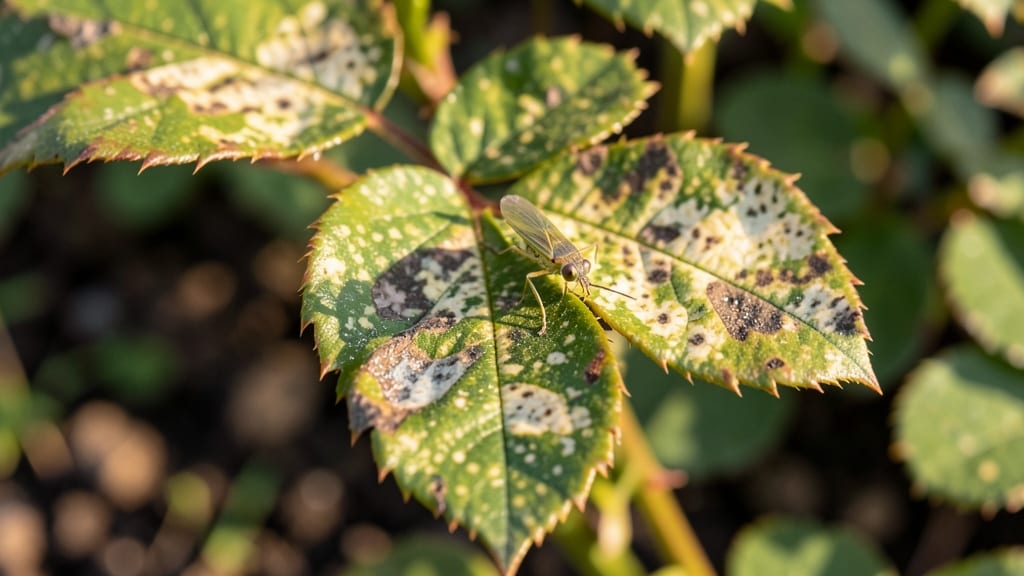
Leafhopper damage turns your roses from lush to lacy overnight—tiny specks, curled edges, and that sticky honeydew mess. 🌿 I’ve watched leafhoppers strip entire bushes in a week, but these targeted sprays bring leaves back to vibrant green in 7-10 days if you act fast.
The key? Neem oil or insecticidal soap—both smother adults and larvae without harming bees. Spray undersides of leaves where they hide, and repeat every 5-7 days until new growth appears. Prune heavily damaged foliage immediately to stop the cycle.
You’ll see results faster than with systemic pesticides, and your roses will rebound stronger. The secret’s in the timing: treat at dawn or dusk when leafhoppers are most active but predators like lacewings are still out. This works for hybrid teas, floribundas, and even shrub roses.
Let’s get those leaves perky again—no more sad, stippled foliage!
Root Causes of Leafhopper Havoc
Leafhoppers may seem like tiny troublemakers, but their damage to roses isn’t random—it’s the result of specific environmental and biological triggers. Understanding why these pests target your roses is the first step to stopping them in their tracks.
Below, we break down the science behind their behavior, from their natural instincts to the weaknesses in your rose bushes that make them prime targets.
Leafhoppers are opportunistic feeders, and stressed or compromised roses are their favorite buffet. When roses lack vitality—due to poor nutrition, drought, or disease—their sap becomes easier to access, making them irresistible to these pests.
- Nutrient Deficiencies: Roses deficient in nitrogen, phosphorus, or potassium produce thinner, more tender leaves. Leafhoppers detect these weaknesses and zero in on the most vulnerable foliage. Think of it like a burglar case-breaking a flimsy door instead of a reinforced one.
- Overwatering or Drought Stress: Both extremes disrupt the rose’s natural defenses. Overwatered soil creates soggy, weak roots, while drought-stressed plants can’t produce enough sap pressure to deter pests. Leafhoppers thrive in these conditions because the plant’s phloem sap (their food source) becomes more accessible.
- Disease or Pest Pre-Damage: If your roses have already been attacked by aphids, spider mites, or fungal infections, the resulting damage creates entry points for leafhoppers. These pests often follow in the wake of other infestations, capitalizing on the chaos.
💡 Pro Tip: Conduct a simple soil test and check for early signs of stress like yellowing leaves or stunted growth. A healthy rose is your best defense!
Leafhoppers aren’t just attracted to weak roses—they’re also drawn to environments that support their lifecycle. These pests thrive in specific conditions that align with their biological needs:
| Factor | Why It Matters | How to Disrupt It |
|---|---|---|
| 🌡️ Warm Temperatures (70–85°F) | Leafhoppers are cold-blooded and become more active in heat. Warmer temps speed up their reproduction cycle, leading to rapid population explosions. | Use reflective mulch or shade cloth to reduce leaf surface temps by up to 10°F. |
| ☀️ Sunlight Exposure | They prefer open, sunny areas where roses grow vigorously—but also where they can easily jump between plants. | Prune roses to improve airflow and reduce dense foliage where leafhoppers can hide. |
| 💧 High Humidity | Humid conditions help leafhoppers lay eggs and survive longer. They also spread faster via windborne nymphs. | Improve drainage and avoid overwatering; use fungicide sprays to reduce humidity-related fungal growth. |
✨ Key Insight: Leafhoppers are most aggressive in late spring to early summer when roses are in peak growth mode. Stay vigilant during these windows!
Leafhoppers aren’t random—they’re specialized feeders with instincts finely tuned to roses. Here’s what drives their behavior:
- Sap-Seeking Behavior: Leafhoppers use their stylets (needle-like mouthparts) to pierce plant cells and suck out phloem sap. Roses, with their high-water-content leaves, are a nutrient-rich target. The sugar content in rose sap is particularly appealing to them.
- Jumping Abilities: These pests can leap up to 12 inches in a single bound, allowing them to quickly colonize new roses. Their mobility makes them hard to control once established.
- Chemical Communication: Leafhoppers release alarm pheromones when threatened, signaling others to flee. However, they also use plant-derived chemicals to locate stressed hosts. If one leafhopper finds a weak rose, others will follow the scent trail.
- Overwintering Strategies: Adult leafhoppers often survive winter in nearby weeds or ground cover. When spring arrives, they migrate to roses—making weed control a critical preventive measure.
🎯 Actionable Takeaway: Disrupt their life cycle by removing weeds, encouraging natural predators (like lacewings or parasitic wasps), and applying neem oil to deter egg-laying.
By addressing these root causes—whether it’s strengthening your roses, altering their environment, or outsmarting their instincts—you’ll make your garden a far less appealing target. The next step? Learn how to identify leafhopper damage before it spirals out of control.
Quick Fixes for Leafhopper Havoc
Leafhoppers may seem like tiny troublemakers, but with the right approach, you can restore your roses to their former glory—and keep them thriving. Below are targeted solutions based on the root cause of the damage, from immediate fixes to long-term prevention. Let’s tackle this pest problem step by step!
If you’ve spotted leafhoppers or their damage, act fast to prevent further destruction.
🍳 Spray with Soap or Oil (Organic First Line of Defense) Leafhoppers hate sticky, suffocating surfaces—soap and oil disrupt their protective wax layer.
- Mix: 1 tablespoon of mild liquid dish soap (like Castile) or horticultural oil per quart of water.
- Spray: Apply early morning or late evening (avoid direct sunlight to prevent plant stress).
- Reapply: Every 5–7 days until the infestation clears.
👨🍳 Neem Oil Blaster (Natural Insecticide + Fungicide) Neem oil doesn’t just kill leafhoppers—it also deters future pests and strengthens plant immunity.
- Mix: 1 tablespoon neem oil + 1 teaspoon mild soap per gallon of water.
- Spray: Focus on undersides of leaves (where leafhoppers hide) and stems.
- Wait: Apply 2–3 times, 7 days apart for best results.
⏰ Prune Damaged Foliage (Prevent Further Stress) Severely curled or yellowed leaves won’t recover—remove them to redirect the rose’s energy.
- Use: Clean, sharp pruners (disinfect with rubbing alcohol).
- Trim: Cut 1 inch below damaged areas to avoid spreading pests.
- Dispose: Bag and trash (don’t compost) infested leaves.
Once you’ve eliminated the current infestation, proactive steps will protect your roses season after season.
💡 Attract Beneficial Predators (Nature’s Pest Control) Ladybugs, lacewings, and parasitic wasps love leafhoppers. Encourage them with:
- Plant companions: Marigolds, dill, or yarrow near your roses.
- Water source: A shallow dish with pebbles and water to keep predators hydrated.
- Avoid pesticides: Chemical sprays can harm these helpful insects.
🌡️ Monitor & Maintain Plant Health Healthy roses resist pests better. Follow these golden rules:
- Water deeply (1–2 inches per week) to avoid stress.
- Mulch (2–3 inches of organic mulch) to retain moisture and deter leafhoppers.
- Fertilize with balanced rose food (10-10-10) in early spring and summer.
🎯 Barrier Methods (Physical Defense)
- Fine mesh netting over new growth can block adult leafhoppers from laying eggs.
- Reflective mulch (aluminum foil or silver plastic) confuses them and reduces egg-laying.
If your roses are severely infested (wilted, stunted, or covered in pests), consider:
- Insecticidal soap (for heavy infestations—follow label rates).
- Pyrethrin-based sprays (fast-acting but use sparingly; harmful to bees).
- Professional pest control if DIY methods fail.
💡 Pro Tip: Rotate treatments every few weeks to prevent leafhopper resistance. And always test sprays on a small leaf first to avoid overkill!
By combining immediate action with preventive care, your roses will bounce back stronger—and leafhoppers will think twice before crashing your garden party. 🌹🚫🐜
Frequently asked questions
How can I tell if my roses have leafhopper damage vs. spider mites?
Leafhoppers leave tiny white or yellow speckles (stippling) on leaves, while spider mites create fine webbing and cause leaves to turn bronze or yellow. Check undersides of leaves—leafhoppers hide there, while mites thrive in dry conditions. Leafhopper damage is more scattered, whereas mites often cluster on leaf edges.
Will neem oil harm beneficial insects like bees?
Neem oil is generally safe for bees when used correctly. Apply sprays after sunset or before dawn when bees aren't active. Avoid spraying flowers directly, and always follow label instructions. For extra safety, choose a bee-friendly formulation labeled for organic gardening.
How often should I inspect my roses for leafhoppers?
Check your roses weekly during spring and summer—this is when leafhoppers are most active. Focus on new growth and undersides of leaves. Early detection means faster treatment and less damage. A handheld magnifying glass helps spot tiny nymphs before they become adults.
Can I use garlic spray to repel leafhoppers?
Yes! Blend 1 head of garlic, 1 tablespoon cayenne pepper, and 1 quart of water, then strain and spray on leaves. Reapply every 3-4 days for best results. The strong scent repels leafhoppers while adding nutrients to the soil. Test on a small area first to check for sensitivity.
Why do leafhoppers keep coming back even after treatment?
Leafhoppers often return due to new eggs hatching or nearby weeds harboring adults. Treat all plants within 10 feet of your roses and remove weeds regularly. Rotate treatments (e.g., soap spray one week, neem oil the next) to prevent resistance. Consistent monitoring is key!