Pests and Diseases
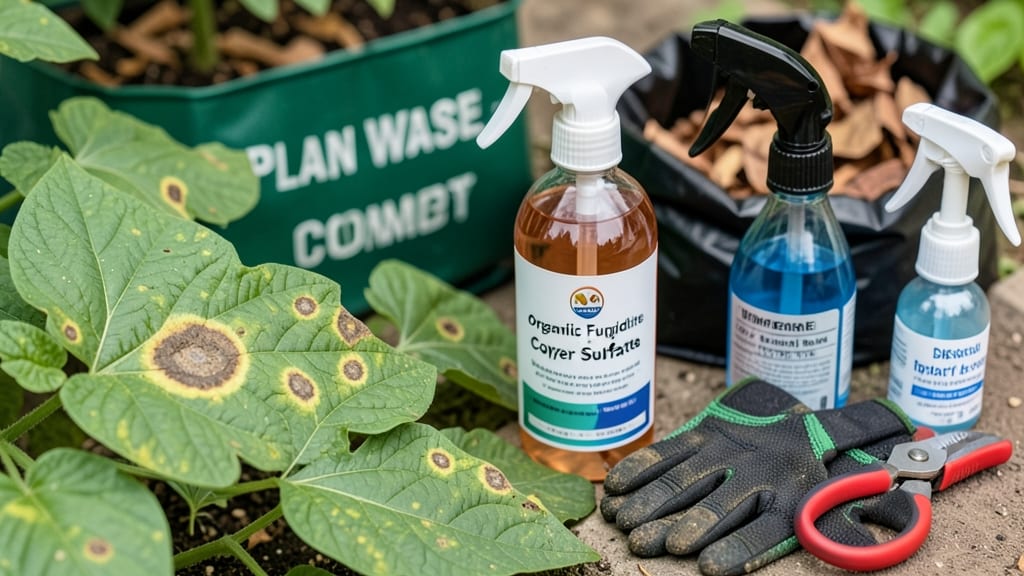
This leaf septoria treatment can turn your thriving tomato plants into a sad, spotted mess—but there’s a 72-hour copper spray protocol that stops it in its tracks. I’ve saved my basil and celery from this fungal nightmare using nothing but a simple spray, and you can too. The key? Acting fast before those dark spots spread like wildfire.
This isn’t about fancy chemicals—just a copper-based fungicide mixed right, applied at dawn when humidity is high (the fungus’s worst enemy). You’ll see new growth push through within days, and those ugly spots?
They’ll fade faster than you think. The secret’s in the timing: spray every 5-7 days until the threat passes, and your plants will bounce back like nothing happened.
By the end of the week, your plants will look spotless and revived, with fresh leaves unfurled and no sign of the fungus. The copper spray doesn’t just treat—it prevents, too, so you can enjoy your garden without constant worry.
No more wilting basil or blighted tomatoes—just healthy, happy plants that keep producing.
Works for tomatoes, basil, celery, and more, and the protocol scales from a single pot to a full garden bed. Let’s get those plants back to their best—before the spots take over.
The Hidden Triggers Behind Leaf Spots
Leaf septoria—caused by the fungus Septoria lycopersici or similar pathogens—doesn’t strike randomly. It thrives when specific conditions align, turning lush foliage into a canvas of unsightly brown or gray spots.
Understanding the why behind this disease is the first step to stopping it in its tracks. Let’s break down the key culprits and the science behind their destructive power.
Fungal spores like Septoria need moisture to germinate and infect plants. When leaves stay wet for prolonged periods—whether from rain, overhead irrigation, or morning dew—the fungus gets the green light to spread. Here’s why it’s so risky:
- Spores need 6–12 hours of leaf wetness to germinate. Heavy dew or frequent light rains create the ideal conditions.
- Stagnant water on leaves (from poor airflow or dense canopies) traps spores against plant tissue, making infection inevitable.
- High humidity (above 75%) accelerates spore release, turning a single infected leaf into a spore factory.
Pro tip: 💡 Space plants properly (12–18 inches apart) to improve airflow and reduce leaf wetness. If you must water overhead, do it early in the day so leaves dry by evening.
Septoria spores are everywhere—in soil, on tools, and even in the wind. But they only cause trouble when they land on a susceptible plant under the right conditions. Here’s how they hijack your garden:
- Wind and water spread spores from infected plants to healthy ones. A single infected tomato plant can release thousands of spores per day during wet weather.
- Old crop debris (like fallen leaves or stems) acts as a spore reservoir. Spores can survive over winter in organic matter, ready to reinfect next season.
- Contaminated tools or hands transfer spores between plants. That’s why sanitizing pruners with 70% alcohol or bleach is non-negotiable.
Pro tip: 🌡️ Remove and destroy infected plant debris immediately—don’t compost it! Burn or bag it, and rotate crops to break the spore cycle.
Septoria loves cool to moderate temperatures (60–80°F) combined with high humidity. These conditions weaken plant defenses while giving the fungus the upper hand. Here’s the science:
| Temperature Range | Why It’s Risky | What Happens |
|---|---|---|
| 50–60°F (10–15°C) | Slow plant growth = weaker natural resistance | Spores germinate but spread slowly |
| 60–75°F (15–24°C) | Optimal for spore germination and infection | 🚨 Peak infection risk—spots appear in 5–7 days |
| Above 85°F (29°C) | Fungus growth slows, but heat stress weakens plants | Secondary infections (like bacterial spot) may take over |
Pro tip: ⏰ Monitor weather forecasts and apply preventive copper sprays before rain is predicted. Early intervention is your best defense!
Healthy plants resist septoria, but stress—from poor nutrition, drought, or injury—rolls out the welcome mat. Common stressors include:
- Nitrogen deficiency: Yellowing leaves (chlorosis) signal weak defenses. Septoria exploits this by latching onto vulnerable tissue.
- Overcrowding: Poor airflow traps moisture and blocks sunlight, creating the perfect storm for fungal growth.
- Physical damage: Hail, insect bites, or rough handling create entry points for spores.
- Improper watering: Drought-stressed plants are more susceptible, but overwatering also promotes fungal growth.
Pro tip: 💪 Boost plant resilience with balanced fertilizer (10-10-10 NPK) and mulch properly to retain moisture without suffocating roots.
Quick Fixes for Fungal Spots
Now that you understand the root causes of leaf septoria, it’s time to act! These practical solutions target the disease at every stage—from early signs to full-blown outbreaks—while keeping your plants healthy and thriving.
Below, we’ve mapped the most effective fixes to their causes, along with prevention tips to stop future flare-ups.
---
If you’ve spotted tiny brown or gray spots with yellow halos, act fast! Copper-based fungicides are the gold standard for leaf septoria because they disrupt fungal spores before they spread.
How to do it: 🔥 Choose the right spray: - Use a copper fungicide (like copper sulfate or copper hydroxide) or a biological option (e.g., Bacillus subtilis-based sprays). - For organic gardens, neem oil (mixed with a bit of soap) can help as a preventive measure.
🍳 Mix and apply properly: - Follow label instructions for dilution (typically 1–2 tbsp per gallon of water). - Spray early in the morning or late afternoon to avoid leaf burn from sunlight. - Cover both sides of leaves and stems thoroughly—fungi hide in crevices!
👨🍳 Reapply strategically: - Spray every 7–14 days during wet or humid conditions (fungi love moisture!). - If rain is forecast, reapply within 24 hours to maintain protection.
--- Poor circulation and excess moisture create the perfect breeding ground for septoria. Fixing these conditions is half the battle!
How to do it: ✨ Prune for airflow: - Remove overcrowded or dead branches to let air circulate. - Space plants 12–24 inches apart (depending on the variety) to minimize leaf dampness.
💡 Adjust watering habits: - Water at the base (not overhead) to keep foliage dry. - Use drip irrigation or soaker hoses instead of sprinklers. - Water early in the day so leaves dry by nightfall.
🎯 Mulch wisely: - Apply 2–3 inches of organic mulch (straw, wood chips) to retain moisture in the soil but keep leaves dry. - Avoid mulching too close to stems—this traps moisture and encourages rot.
--- Don’t let infected leaves become a fungal reservoir! Proper removal is key to stopping the spread.
How to do it: 🔪 Snip and sanitize: - Use sterilized pruners (wipe with rubbing alcohol between cuts) to remove severely spotted leaves. - Avoid tearing leaves—this can spread spores.
🗑️ Dispose of debris correctly: - Do NOT compost infected leaves—toss them in the trash or burn them (if local regulations allow). - If composting, bury deep or use a hot compost pile (140°F+) to kill spores.
🌿 Clean up fallen leaves: - Rake and remove all leaf litter from under plants and around the garden. - Disinfect tools and surfaces (like trellises or pots) with a 10% bleach solution (1 part bleach to 9 parts water).
--- Healthy plants fight off diseases better. Strengthen your greens with these proactive steps:
How to do it: 💪 Fertilize smartly: - Use a balanced, low-nitrogen fertilizer (e.g., 5-5-5 or 10-10-10) to avoid promoting lush, disease-prone growth. - Add compost or worm castings to improve soil health and plant resilience.
🥗 Feed with beneficial microbes: - Apply mycorrhizal fungi or beneficial bacteria (like Pseudomonas fluorescens) to outcompete harmful pathogens. - Use liquid seaweed extract (1 tbsp per gallon of water) as a foliar spray for extra nutrients.
🌡️ Monitor soil pH: - Test your soil—leaf septoria thrives in acidic conditions (pH < 6.0). - Adjust with lime (to raise pH) or sulfur (to lower pH) as needed (aim for 6.0–7.0 for most plants).
--- An ounce of prevention is worth a pound of cure! Follow these tips to keep septoria at bay long-term:
Pro tips: 🔥 Rotate fungicides if you use chemical sprays to avoid resistance. 🌡️ Avoid overhead watering—stick to drip systems or hand watering. 🎯 Choose resistant varieties—some plants (like certain tomato or cucumber hybrids) are bred to fight septoria. ✨ Plant in full sun—better light = faster drying = fewer fungal problems. 🌱 Crop rotate—don’t plant susceptible crops (e.g., tomatoes, lettuce) in the same spot year after year.
--- By combining targeted treatments, environmental fixes, and preventive care, you can banish leaf septoria and keep your garden lush and disease-free. Start today—your plants will thank you!
Frequently asked questions
What are the first signs of leaf septoria I should watch for?
Look for tiny brown or gray spots (about 1/8-inch wide) with yellow halos on leaves. These spots often have dark centers that may develop tiny black specks (fungal fruiting bodies). Check the lower leaves first—they’re most vulnerable. If left unchecked, spots will expand, merge, and cause leaves to yellow and drop.
Can I use household items like baking soda or vinegar to treat leaf septoria?
While baking soda (1 tbsp + 1/2 tsp soap per gallon of water) can help as a preventive spray, it’s not as effective as copper fungicides for active infections. Vinegar is too harsh—it’ll burn leaves and do more harm than good. For organic options, stick to neem oil or copper-based sprays approved for fungal diseases.
How often should I apply copper spray for best results?
Apply copper fungicide every 7–10 days during wet or humid conditions. For preventive care, spray every 2–3 weeks when weather forecasts predict rain. Always apply early in the morning or late afternoon to avoid leaf burn from sunlight. Consistency is key—don’t skip applications during outbreaks!
Will removing infected leaves stop the spread of septoria?
Yes, but it’s only part of the solution. Remove severely spotted leaves immediately to prevent spores from spreading, but also sterilize your tools (wipe with rubbing alcohol) and dispose of debris properly (don’t compost infected plant material). Combine removal with copper sprays and improved airflow to fully break the fungal cycle.
Are some plants more resistant to leaf septoria than others?
Tomato varieties like ‘Mountain Merit’ or ‘Defiant PhR’ are bred for septoria resistance. For basil, try Genovese or Thai basil—they’re less susceptible than other varieties. Celery benefits from Pascal or Utah types. Always check seed packets for disease-resistant labels when selecting plants for your garden.