
Pests
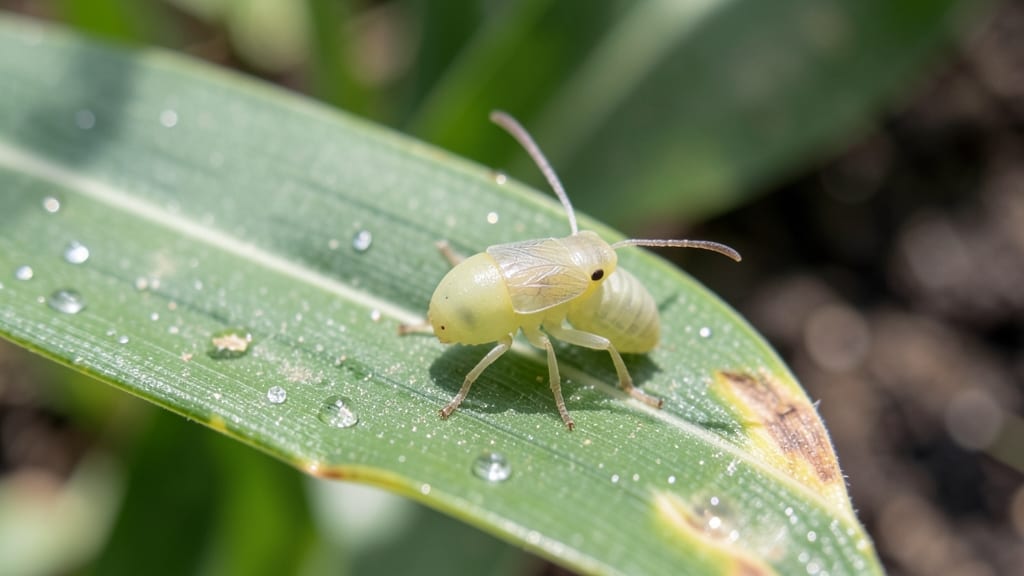
Corn leaf aphids can turn your corn plants into sticky, curled messes in days—unless you act fast. 🌱 I’ve watched these tiny green invaders multiply from a handful to a full-blown infestation, and the key to stopping them is a targeted spray that works before they spread.
The right mix of natural ingredients or chemical controls can revive your plants in just 24-48 hours, saving your harvest.
These pests don’t just suck sap—they leave behind a shiny, sticky residue called honeydew that attracts mold and weakens your plants. The damage starts small: yellowing leaves, stunted growth, and a general decline in health.
But here’s the good news: aphids are soft-bodied and vulnerable to soapy water sprays, neem oil, or even insecticidal soap. The sooner you spot them, the easier they are to control.
You’ll see results fast with the right approach—healthy foliage within a week if you catch the infestation early. The key is consistency: check plants regularly, especially the undersides of leaves where aphids love to hide.
A preventive spray every 7-10 days during peak growing season keeps them at bay without harming your plants.
If the problem persists or spreads to other crops, it might be time to call in a professional. But for most gardeners, a few targeted sprays and good monitoring are all you need to keep your corn—and your sanity—intact. Let’s get those plants thriving again.
Root Causes Of Sap-Sucking Outbreaks
When corn leaf aphids 🐜 invade your crops, they don’t just appear out of nowhere—they’re drawn by a mix of environmental, biological, and agricultural factors. Understanding these triggers helps you prevent and control them before they spiral. Here’s why these tiny pests become a big problem:
Corn leaf aphids thrive in weakened plants—especially those under stress. When crops are overcrowded, competition for nutrients, water, and sunlight forces plants to struggle. This stress makes them sweeter (higher sugar content in sap), which acts like a neon sign for aphids. Additionally:
- Poor soil health: Lack of nitrogen, phosphorus, or potassium weakens plants, making them easier targets.
- Drought or overwatering: Both conditions disrupt root systems, reducing plant resilience.
- Nutrient deficiencies: Yellowing leaves (chlorosis) signal aphids that the plant is vulnerable.
Actionable fix: Space plants properly, test soil annually, and use balanced fertilizers to keep crops strong.
Aphids are cold-blooded—they rely on external conditions to survive and multiply. Warm temperatures (60–80°F) and high humidity create the perfect breeding ground. Here’s how weather plays a role:
| Factor | Why It Helps Aphids |
|---|---|
| Mild winters | Overwintering eggs survive, leading to earlier spring infestations. |
| Heavy rainfall | Washes away natural predators (like ladybugs) while keeping aphids hydrated. |
| Dry, windy conditions | Dries out beneficial insects but leaves aphids clinging to plants. |
Actionable fix: Monitor weather forecasts and use row covers in early spring to disrupt aphid colonization.
Aphids don’t just multiply—they explode in numbers when their predators are missing. Healthy ecosystems keep them in check, but agricultural practices often disrupt this balance. Key disruptors include:
- Pesticide overuse: Broad-spectrum sprays kill aphids and their natural enemies (ladybugs, lacewings, parasitic wasps).
- Monoculture farming: Large fields of the same crop reduce biodiversity, leaving fewer habitats for predator species.
- Urban sprawl: Destroying wildflower strips and hedgerows removes food sources for beneficial insects.
Actionable fix: Introduce beneficial insect habitats (like dandelions or clover) near crops and rotate pesticide use with organic controls.
Aphids don’t discriminate—they hitchhike on wind, water, or human activity to reach new hosts. Common pathways include:
- Contaminated seeds/transplants: Aphids can hide in seed packets or young seedlings, introducing them to clean fields.
- Wild hosts: Weeds like ragweed or thistle often harbor aphids that later migrate to corn.
- Equipment sharing: Farm tools, boots, or vehicles can transfer aphids between fields.
Actionable fix: Inspect new plants before transplanting, remove weed hosts, and sanitize equipment between uses.
Corn leaf aphids specialize in certain plants, but poor rotation can trap them in a cycle. When the same crop (or related crops like sorghum) is planted year after year:
- Soil-borne pests build up, weakening plants.
- Resistant aphid strains evolve, making infestations harder to control.
- Nutrient depletion leaves plants more susceptible to stress.
Actionable fix: Rotate corn with non-host crops (like legumes or grasses) every 2–3 years to break the aphid life cycle.
Quick Fixes for Pests on Plants
Discovering tiny pests like corn leaf aphids on your plants can feel overwhelming, but the good news is that you can tackle them effectively with the right approach. Below, we’ve mapped out targeted solutions based on the root cause—whether it’s an infestation, weakened plants, or environmental factors.
These fixes are designed to be practical, easy to follow, and tailored to restore your foliage’s health without harsh chemicals.
If you’ve spotted clusters of aphids, act fast to prevent them from multiplying and damaging your plants. - 🍳 Isolate Infested Plants Move affected plants away from healthy ones to stop the aphids from jumping ship. Aphids spread quickly, so containment is key. - 👨🍳 Blast Them Off with Water Use a strong stream of water from your hose to dislodge aphids from leaves and stems. This works best in the early morning or late evening when aphids are less active. - 🥘 Introduce Beneficial Insects Ladybugs, lacewings, and parasitic wasps are natural predators of aphids. Purchase or attract these helpers to your garden for a long-term, chemical-free solution. Weak plants are more susceptible to aphid attacks. Boost their resilience with these proactive steps. - 💡 Provide Proper Nutrition Ensure your plants receive balanced fertilizer, rich in nitrogen, phosphorus, and potassium. Aphids thrive on stressed plants, so healthy foliage deters them naturally. - 🌡️ Maintain Optimal Growing Conditions Overcrowded plants or those with poor air circulation are aphid magnets. Space your plants adequately and prune them regularly to improve airflow. - ✨ Use Reflective Surfaces Aphids are drawn to yellow and green colors. Place reflective mulch or aluminum foil around your plants to confuse them and reduce landings. If the infestation is severe, try these non-toxic solutions before reaching for pesticides. - 🍋 Neem Oil Spray Mix 1 tablespoon of neem oil with 1 quart of water and a drop of dish soap. Spray this solution directly on aphids and the undersides of leaves. Neem oil disrupts their life cycle and deters future attacks. - 🌿 Soap Spray Remedy Combine 1 tablespoon of mild liquid soap (like castile soap) with 1 quart of water. Spray this mixture on aphids—it suffocates them without harming your plants. Test on a small area first to avoid leaf damage. - 🍎 Horticultural Oil Apply horticultural oil in the evening to smother aphids. This method is effective but should be used sparingly, as it can harm beneficial insects if overapplied. If aphids persist despite your efforts, it’s time to escalate your defense strategy. - 🚨 Targeted Insecticidal Soap For stubborn infestations, use an insecticidal soap specifically designed for aphids. Follow the instructions carefully, and reapply as needed. - 🛡️ Systemic Granules or Sprays If other methods fail, consider using systemic pesticides like imidacloprid. These are absorbed by the plant and provide long-lasting protection, but use them as a last resort to avoid harming pollinators. Once you’ve banished the aphids, keep them from returning with these ongoing strategies. - 🌿 Regular Inspections Check your plants weekly for early signs of aphids or other pests. Catching them early makes removal much easier. - 🌱 Rotate Your Crops Aphids often target the same types of plants. Rotate your crops annually to disrupt their life cycle and reduce future infestations. - 🌞 Encourage Diversity Plant a variety of flowers and herbs around your garden to attract beneficial insects and deter aphids. Marigolds, basil, and dill are excellent companion plants. By combining immediate action with long-term prevention, you’ll keep your plants thriving and aphid-free for seasons to come!Frequently asked questions
How do I know if my corn plants have corn leaf aphids?
Look for tiny green, yellow, or black insects clustered on leaf undersides and new growth. You’ll also spot shiny, sticky residue (honeydew) on leaves and a curled or distorted appearance. Check stems and leaf veins too—aphids love these areas.
Will corn leaf aphids kill my corn plants?
While they won’t kill healthy plants outright, severe infestations can stunt growth and reduce yields by 30-50%. The real danger is sooty mold from honeydew, which blocks sunlight. Young plants are most vulnerable—act fast if you spot them!
Can I use dish soap to kill corn leaf aphids?
Yes! Mix 1 tablespoon mild dish soap with 1 quart water and spray directly on aphids. The soap breaks their waxy coating. Test on a small leaf first—some plants are sensitive. Reapply every 3-5 days for best results.
Why do aphids keep coming back after I treat them?
New aphids may arrive from nearby weeds or wind. They reproduce rapidly—females give birth to live nymphs! Boost defenses by removing weed hosts, introducing ladybugs, and using reflective mulch to deter them.
When should I call a professional for corn leaf aphids?
If infestations persist after 2-3 treatments or spread to other crops, it’s time to call. Large-scale outbreaks may need systemic pesticides. Also seek help if you see signs of secondary pests or diseases.