
Pests and Diseases
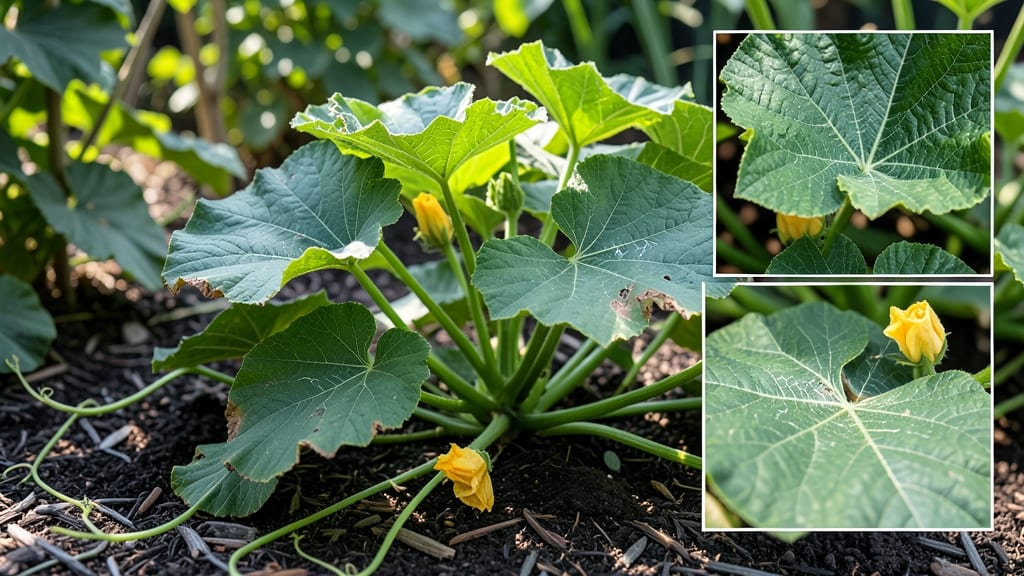
Those serpentine trails in your leaves aren’t just unsightly—they’re leaf miners eating your plants alive. 🌿 I’ve lost entire batches of basil and spinach to these tiny pests, but I’ve also learned how to spot them early and stop the damage before it spreads.
The key is acting fast, because once the mines get big, the plant’s already done for that leaf.
Leaf miners are the larvae of small flies that chew through leaf tissue, leaving behind winding tunnels you can see from a foot away. The damage starts small—tiny dots or lines—but within days, whole sections of leaves turn brown and crispy.
My biggest mistake? Waiting until the mines were obvious before acting. By then, the plant was already stressed and vulnerable to other pests.
Here’s the good news: with the right approach, you can save your plants. Neem oil disrupts their lifecycle, row covers block the adult flies, and removing heavily infested leaves stops the spread.
I’ve seen basil and kale bounce back completely when I catch it early enough—though some plants, like grapes or citrus, may need more aggressive treatment to recover fully.
Prevention is easier than cleanup. Inspect new plants before bringing them home, keep your garden clean of debris where miners hide, and consider reflective mulch to confuse the adult flies. It’s a battle, but one you can win without harsh chemicals—if you act before the mines take over.
The Hidden Culprits Behind Leaf Damage
Those serpentine trails snaking through your leaves aren’t just an eyesore—they’re the handiwork of tiny, relentless pests. Understanding why these patterns appear is the first step to stopping them. Below, we break down the science behind leaf miner trails and the key triggers that turn your plants into a buffet.
The primary driver behind leaf miner trails is the feeding behavior of leaf miner larvae. These larvae—often from moths, flies, or beetles—hatch from eggs laid on leaves and begin tunneling between the leaf’s upper and lower epidermis.
Their goal? To consume the soft plant tissue while staying protected from predators and weather.
Here’s how it works:
- Eggs hatch near leaf veins or midribs, where larvae can start feeding immediately.
- Larvae burrow using their mandibles, creating the telltale serpentine or blotchy trails as they feed.
- Trails appear because the larvae follow the leaf’s natural structure, avoiding major veins but devouring everything else.
💡 Pro Tip: The trails’ shape (straight, zigzag, or blotchy) can hint at the specific pest. For example, Liriomyza fly larvae create tight, serpentine patterns, while sawfly larvae leave broader, irregular trails.
Healthy plants are less appealing to leaf miners, but stress makes them prime targets. When plants are weakened—by drought, poor nutrition, or disease—their defenses drop, and miners move in. Common stressors include:
| Stress Factor | Why It Matters |
|---|---|
| 💧 Drought or Overwatering | Water stress disrupts the leaf’s ability to produce toxins that repel pests. |
| 🌿 Nutrient Deficiencies | Low nitrogen or magnesium makes leaves softer and more palatable. |
| 🦠 Fungal or Bacterial Infections | Damaged tissue is easier for larvae to penetrate and feed on. |
| 🌡️ Extreme Temperatures | Heat or cold shocks can reduce plant resilience, making them more vulnerable. |
✨ Actionable Fix: Keep plants well-watered, fertilized, and pruned to remove stressed or damaged leaves. Healthy plants are naturally less attractive to miners.
Not all plants are equally at risk—leaf miners have favorite hosts. Some species, like Phytomyza (parsley/willow miners) or Cameraria (apple/holly miners), are highly specialized. Others, such as Liriomyza trifolii, attack a wide range of plants, including:
- Vegetables: Tomatoes, peppers, cucumbers, beans
- Ornamentals: Roses, hibiscus, impatiens
- Fruit Trees: Citrus, apples, cherries
- Herbs: Basil, parsley, dill
If your plant is on this list, it’s likely a magnet for miners. 🎯 Prevention Tip: Monitor high-risk plants closely, especially during peak mining seasons (spring to early summer). Use row covers or early interventions to protect young leaves.
Leaf miners thrive in specific conditions. While they can’t control the weather, these environmental factors accelerate their activity:
- Warm, Humid Climates: Ideal for larval development (60–85°F is prime range).
- Sheltered Locations: Greenhouses, dense foliage, or shaded areas provide protection from predators and wind.
- Overcrowded Plants: Poor airflow traps moisture and pests, making it easier for miners to spread.
🔥 Quick Fix: Improve airflow with pruning, space plants properly, and avoid overhead watering (which creates humid microclimates). If miners are already present, remove heavily infested leaves immediately to disrupt their lifecycle.
How to solve it
Discovering leaf miner trails on your prized plants can feel like a gut punch—especially when you’ve nurtured them with care. But don’t panic! With the right approach, you can reverse the damage and protect your garden organically.
Below, we break down solutions by cause, so you can act fast and keep your plants thriving.
If you’ve spotted fresh trails (or even pupae), manual removal is your first line of defense. This method works best for early-stage infestations on small plants or isolated leaves.
- 👨🍳 Prune Infested Leaves
- Use clean, sharp scissors or pruning shears to snip off heavily damaged leaves—especially those with visible larvae or pupae.
- Focus on new growth first, as miners often target tender leaves.
- 🧽 Dispose of Debris Properly
- Drop infested leaves into a sealed plastic bag (not the compost!) to prevent larvae from spreading.
- 💡 Pro Tip: If possible, freeze the bag for 48 hours to kill any remaining larvae before disposal.
- 🌱 Thin Out Crowded Foliage
- Leaf miners thrive in dense, shaded plants. Prune to improve airflow and sunlight penetration, making your plants less appealing to flies.
Instead of chemicals, encourage beneficial insects that prey on leaf miner larvae. This is a long-term, sustainable fix that also boosts garden biodiversity.
| Predator | How to Attract Them | Best For |
|---|---|---|
| Parasitic Wasps (Braconidae) |
|
All leaf miners (especially Liriomyza species) |
| Ladybugs (Lady Beetles) |
|
Young larvae (they eat eggs too!) |
| Ground Beetles |
|
Pupae and eggs in soil |
💡 Pro Tip: If predators aren’t enough, release them in waves (e.g., every 2 weeks) for maximum impact.
For moderate to severe infestations, organic sprays can suffocate larvae and deter adult flies. Timing is key—apply early in the season or after pruning.
- 🥘 Neem Oil Spray (Best for Active Larvae)
- Mix 2 tsp neem oil + 1 tsp mild soap + 1 quart water. Stir well and spray undersides of leaves (where larvae hide).
- Reapply every 5–7 days until new growth is clear.
- ⚠️ Note: Neem can burn plants in direct sunlight—spray in the early morning or evening.
- 🍎 Kaolin Clay (Deters Adult Flies)
- Apply a thin layer of kaolin clay (like Surround WP) to leaves to create a physical barrier that confuses and repels flies.
- Reapply after rain or every 2 weeks.
- 💡 Bonus: Also protects against aphids and spider mites!
- 🌡️ Insecticidal Soap (For Hatching Larvae)
- Use a mild, plant-safe soap (like Dr. Bronner’s) mixed with water. Spray directly on infested areas.
- Works best on small larvae—repeat every 3–4 days.
Once you’ve eliminated the current infestation, take steps to prevent a comeback. Leaf miners are persistent, so proactive care is your best defense.
- ⏰ Monitor & Act Early
- Check new growth weekly for tiny white trails or pupae (tiny brown dots).
- 💡 Pro Tip: Use a 10x magnifying glass for hard-to-spot signs.
- 🌱 Rotate Crops & Plant Resistant Varieties
- Avoid planting the same susceptible plants (like basil, beans, or brassicas) in the same spot yearly.
- Choose resistant varieties when possible (e.g., ‘Genovese’ basil is less prone to miners).
- 🌿 Boost Plant Health
- Healthy plants resist pests better. Ensure your garden gets:
- ✅ Full sun (most miners target shaded leaves)
- ✅ Well-draining soil (overwatering attracts flies)
- ✅ Balanced fertilizer (avoid excess nitrogen)
- Healthy plants resist pests better. Ensure your garden gets:
- 🚫 Avoid Over
Frequently asked questions about leaf miner trails
What do leaf miner trails look like in early stages?
Early signs start as tiny white or yellow dots or short, winding lines on leaf surfaces. Within 3-5 days, they develop into visible serpentine or blotchy patterns between leaf layers. Check undersides of leaves first—the larvae hide there!
Can plants recover after leaf miner damage?
Yes, but it depends on severity. Young plants often bounce back completely if you remove infested leaves early. Mature plants may show some scarring, but new growth will fill in. For heavy damage, focus on preventing further spread to protect remaining foliage.
How often should I apply neem oil for leaf miners?
Apply neem oil spray every 5-7 days during active infestations. Mix 2 teaspoons neem oil + 1 teaspoon mild soap + 1 quart water, and spray undersides of leaves in early morning or evening to avoid sunburn. Consistency is key—keep treating until new growth appears clear.
Will row covers prevent leaf miner damage?
Lightweight row covers block adult flies from laying eggs. Install covers before planting and leave them on for 4-6 weeks after transplanting. Remove covers when plants flower to allow pollinators access. This is especially effective for high-value crops like basil and tomatoes.
What's the best way to dispose of infested leaves?
Never compost them! Seal infested leaves in a plastic bag and freeze for 48 hours to kill larvae before disposal. Burning is another option if permitted in your area. This prevents larvae from pupating and emerging as new flies.