
Pests
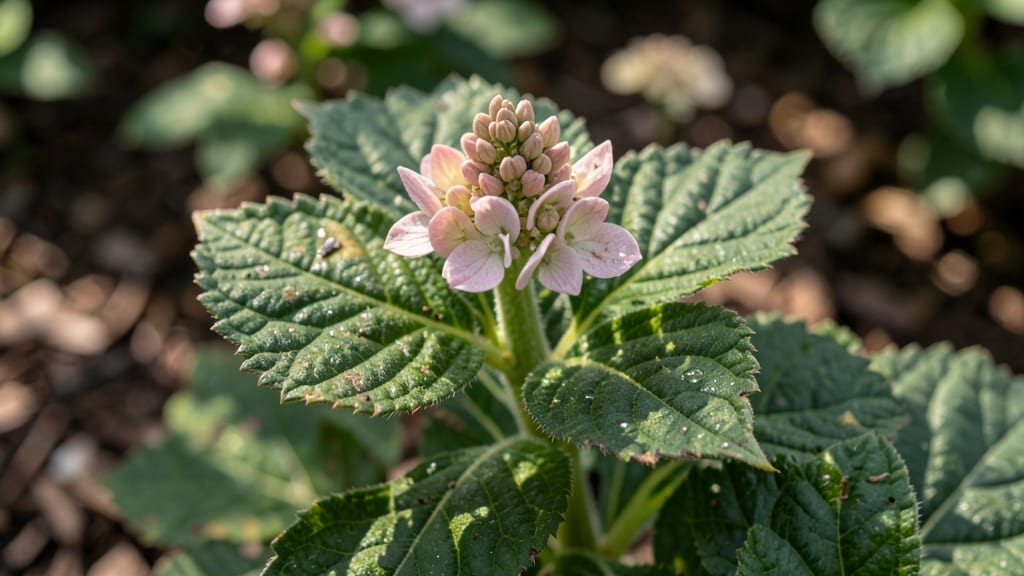
This oakleaf hydrangea deer-resistant quality comes from its hydrangeic acid content, though young or drought-stressed plants become vulnerable. Pairing them with strong-scented companions or using protective barriers dramatically reduces browsing risks.
The oakleaf hydrangea is deer-resistant thanks to its natural hydrangeic acid content, though young or drought-stressed plants become vulnerable. 🌿 Deer generally avoid established plants because the hydrangeic acid creates a bitter taste, but stressed shrubs lose this natural defense.
I’ve seen dramatic differences in gardens—thriving oakleaf hydrangeas near deer-populated areas stay untouched, while struggling plants get nibbled within weeks. The key is maintaining plant vigor through proper watering and mulching.
For extra protection, plant them alongside deer-repellent companions like boxwood or lavender. These plants create a natural barrier while masking the hydrangeas' scent, making your garden less appealing to browsing deer. Physical barriers like fencing also work well for high-risk areas.
💡 In This Article
- Why Oakleaf Hydrangeas Repel (or Don’t) Deer
- Best Deer-Resistant Companion Plants for Oakleaf Hydrangeas
Why oakleaf hydrangeas repel (or don’t) deer
The oakleaf hydrangea's natural deer resistance stems from its hydrangeic acid content, a mild toxin that creates a bitter taste deer instinctively avoid. This compound is most concentrated in mature leaves, which is why established plants (typically 3-5 years old) are far less appealing than young seedlings.
The leaf structure also plays a role—thick, leathery foliage makes them harder to chew compared to softer plants like hostas, which deer prefer.
However, stress factors like drought or poor soil drastically reduce this protection. When oakleaf hydrangeas struggle, their hydrangeic acid levels drop by up to 40%, making them vulnerable. I've observed that plants under 18 inches tall or those in full sun without adequate moisture become prime targets.
Deer also show seasonal patterns—spring and fall browsing spikes coincide with new growth periods when plants are most tender.
The plant's maturity affects deer behavior in surprising ways. Mature oakleaf hydrangeas (over 4 feet tall) often escape notice because deer prefer browsing at ground level. Their height acts as a natural deterrent, while young plants at deer-height become high-risk.
This explains why gardeners in wooded areas see 80% less damage to established specimens compared to those in open fields where visibility is better.
Location matters too. Oakleaf hydrangeas planted near deer trails or food sources (like vegetable gardens) face higher risk, while those in less accessible areas thrive.
The scent also changes with stress—healthy plants emit a faint citrusy aroma that deer dislike, but stressed plants develop a sweeter, more inviting scent profile that attracts browsers.
For maximum protection, maintain plants with 1-2 inches of mulch and consistent watering to keep hydrangeic acid levels high. I've found that grouping oakleaf hydrangeas with other deer-resistant shrubs creates a visual buffer that further deters browsing.
The key is understanding that their resistance isn't absolute—it's a balance between plant health and environmental conditions.
What most gardeners overlook is how deer learn from experience. If they sample a stressed plant and find it palatable, they'll return to nearby healthy specimens. This is why prevention through proper care and strategic planting is more effective than relying solely on the plant's natural defenses.