
Companion Plants
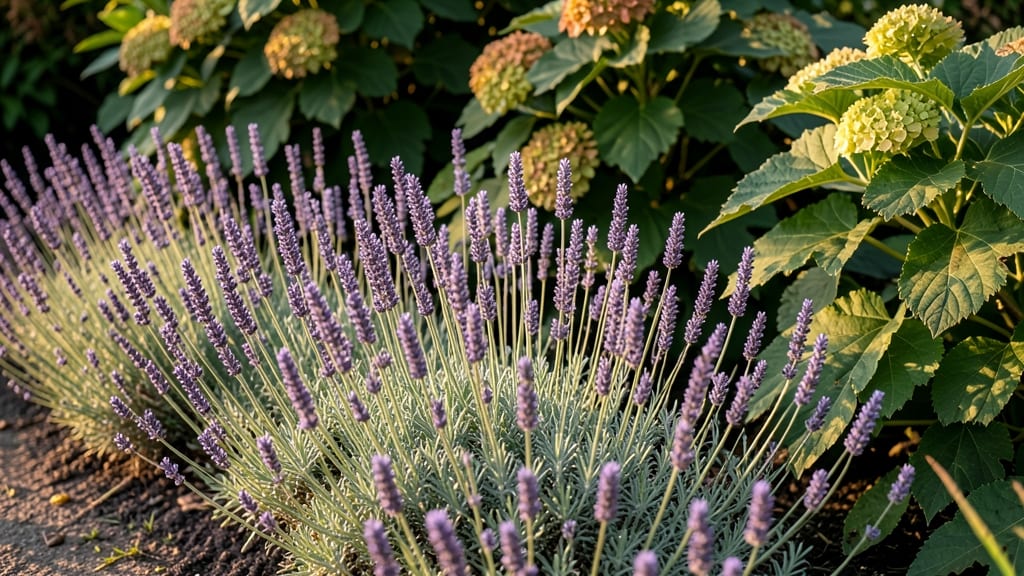
Oakleaf hydrangeas thrive with the right plant partners. These 10 companion plants enhance soil health, deter pests, and create stunning seasonal displays while maximizing your hydrangea's blooms and longevity.
Blue Flag Iris for Natural Pest Control
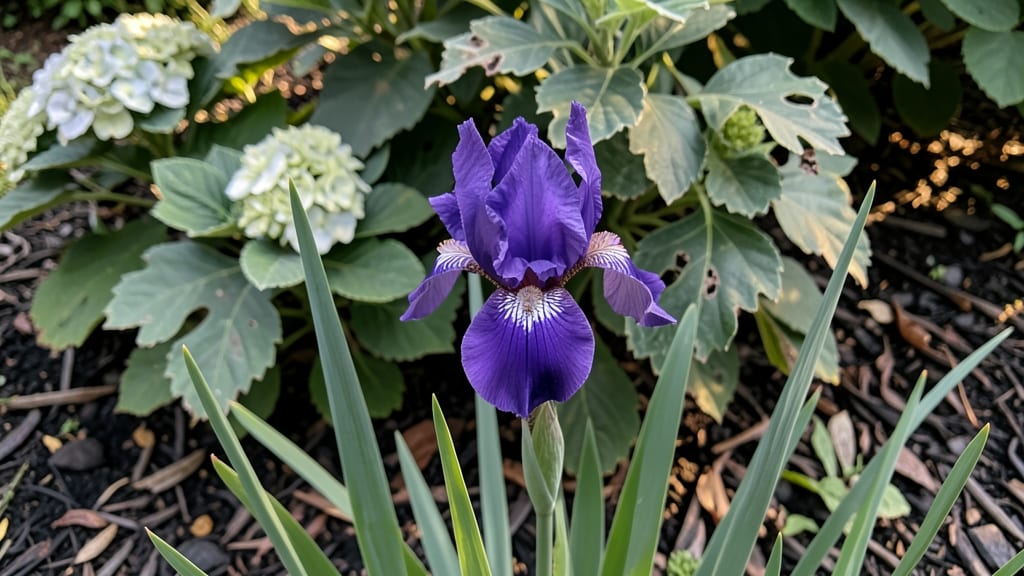
Tired of Japanese beetles devouring your hydrangea leaves? Blue flag iris (Iris versicolor) acts as a natural pest deterrent while adding dramatic vertical accents that elevate your garden's design. This native perennial thrives in moist, well-drained soil and produces striking purple blooms that harmonize beautifully with oakleaf hydrangea's foliage.
Plant blue flag iris 18-24 inches away from hydrangeas to create a striking contrast while maximizing its pest-repelling benefits. The sword-shaped foliage adds architectural interest, and its late spring to early summer blooms extend your garden's seasonal appeal. Deer and rabbits typically avoid this plant, making it a dual-purpose solution for both aesthetics and protection.
Gardeners with moist, partial-shade gardens will find this iris particularly rewarding—it's a low-maintenance choice that thrives where many other perennials struggle. 🌷
Russian Sage for Drought Tolerance Support
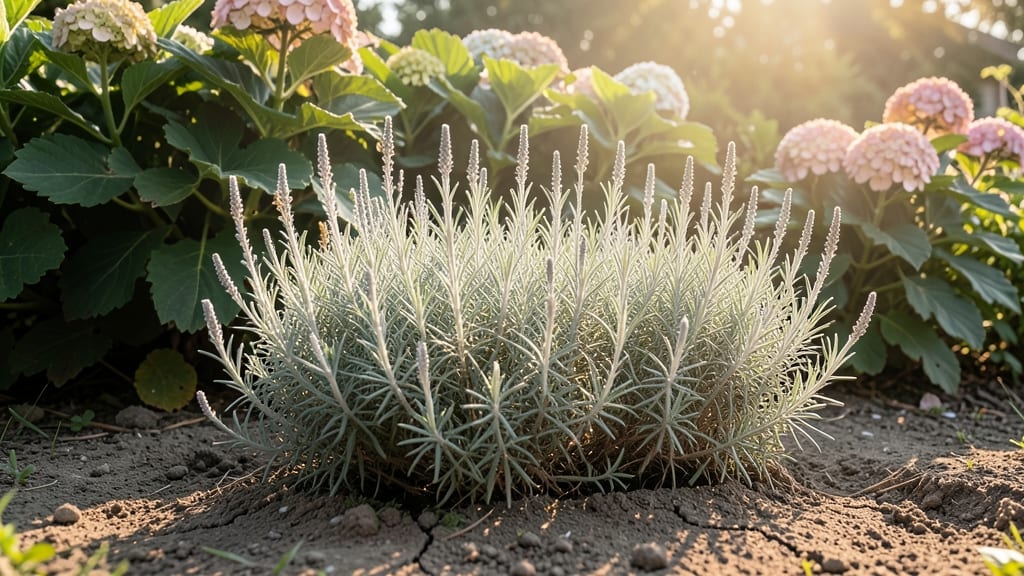
If your garden battles dry spells and you're tired of constantly watering your oakleaf hydrangeas, Russian sage (Perovskia atriplicifolia) is your drought-resistant hero. This hardy perennial thrives in hot, arid conditions while improving soil structure—making it the perfect partner for hydrangeas that wilt under heat stress.
Plant Russian sage in full sun (6+ hours daily) where it will spread 3-4 feet wide with silvery-green foliage and airy lavender-blue flower spikes that bloom from mid-summer to frost. Its deep roots break up compacted soil, allowing hydrangeas to access moisture more efficiently. Plus, it attracts bees and butterflies that pollinate hydrangea blooms while repelling deer and rabbits.
This low-maintenance plant is ideal for xeriscapes, rock gardens, or borders where oakleaf hydrangeas need support. Gardeners in USDA zones 5-9 will love its resilience—just pair it 18-24 inches away from hydrangeas to avoid root competition. 🌟
Fringe Flower for Season-Long Color
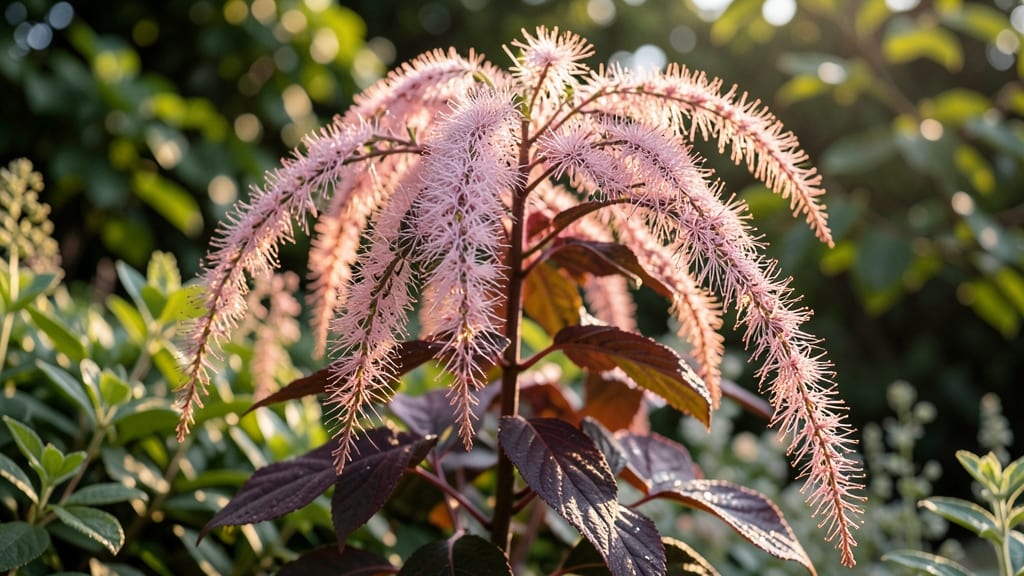
When your oakleaf hydrangea takes a summer break between blooms, fringe flower (Loropetalum) steps in to keep your garden vibrant with its delicate, feathery pink blooms from late spring through fall. This versatile shrub bridges the seasonal gap, ensuring your garden never loses its charm.
Plant fringe flower in partial shade to full sun, where it thrives in the same conditions as hydrangeas. Its layered foliage—deep purple or green—creates stunning contrasts with hydrangea leaves, while its long bloom season attracts pollinators. For best results, prune lightly after flowering to maintain shape and encourage next year’s blooms.
Perfect for gardeners who want low-maintenance color, fringe flower pairs beautifully with hydrangeas in mixed borders or as a standalone specimen. Its season-long display ensures your garden stays lively year-round. 🌷
Coral Bells for Shade Adaptation
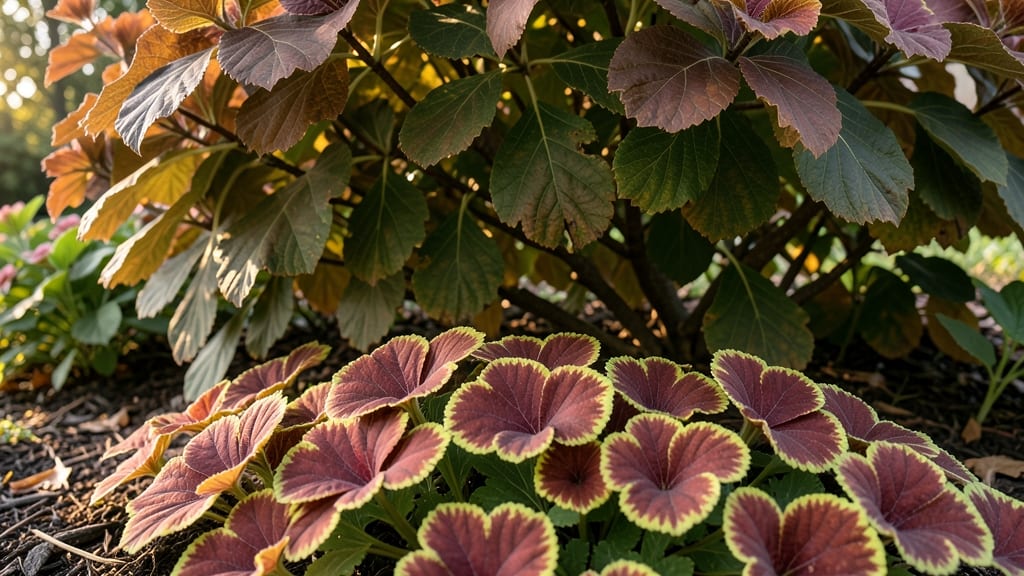
If your oakleaf hydrangea sits in partial shade where other plants wilt, coral bells (Heuchera) are your secret weapon. Unlike hydrangeas that can look lackluster in low light, coral bells thrive here, offering foliage in every shade—from lime green to deep burgundy—while hydrangeas provide their signature blooms.
These perennials deliver year-round interest: silvery-blue leaves in spring, pink or white flowers in summer, and fiery fall colors that contrast beautifully with hydrangea's autumn hues. Plant them 12-18 inches apart at the hydrangea's base to create a living mulch that suppresses weeds while adding texture. Varieties like 'Palace Purple' or 'Lime Rickey' will keep your shade garden vibrant when hydrangeas take a seasonal break.
Perfect for woodland gardens or under trees, coral bells are low-maintenance and deer-resistant—ideal for gardeners who want color without the fuss. 🌿
Catmint for Pollinator Magnetization
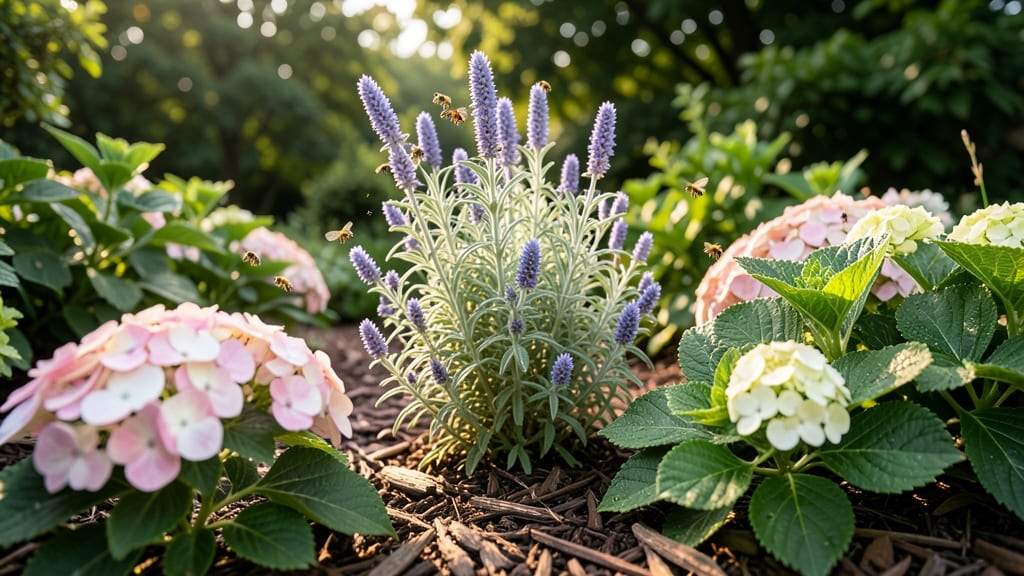
Want to turn your hydrangea garden into a buzzing hub of activity? Catmint is the secret weapon you’ve been missing—this hardy perennial doesn’t just attract pollinators like bees and butterflies, it actively protects your hydrangeas by repelling aphids and other pests that love munching on tender leaves.
Plant catmint in full sun to partial shade, where it thrives with minimal fuss. Its silvery-green foliage and lavender-blue flowers create a striking contrast against hydrangea blooms, while its long bloom season (from early summer to fall) keeps your garden lively. The best part? Its strong scent deters pests naturally, so your hydrangeas get both beauty and protection in one package.
Perfect for pollinator gardens, catmint is especially valuable for hydrangea lovers who want to reduce chemical interventions. Just keep it 18-24 inches away from your hydrangeas to avoid root competition, and watch your garden become a self-sustaining ecosystem. ✨
Japanese Forest Grass for Texture Contrast
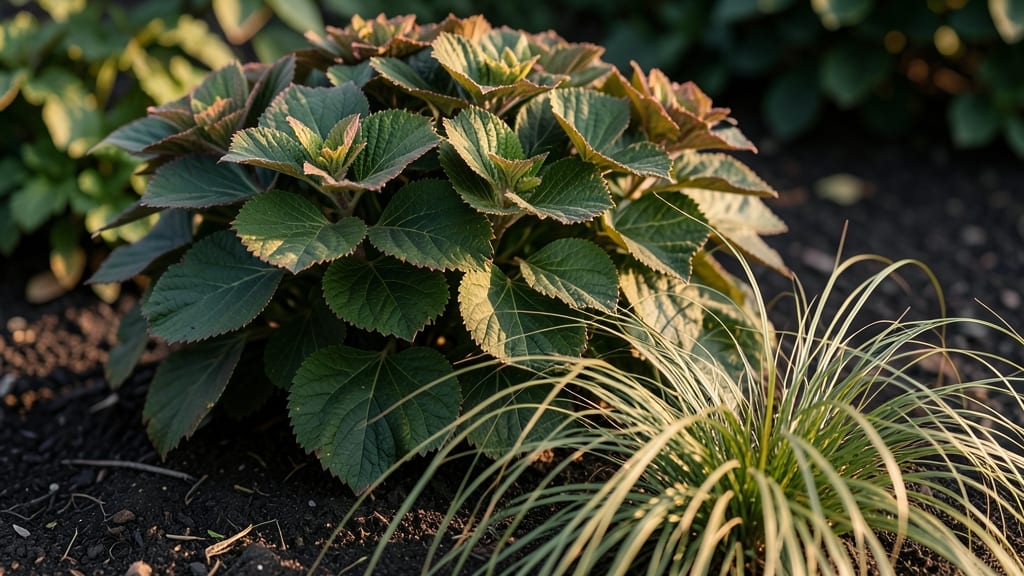
When your oakleaf hydrangea dominates the garden bed with its bold foliage, Japanese forest grass (Hakonechloa macra) steps in to create a soothing visual dialogue. Its cascading, arching blades add a whisper of movement that contrasts beautifully with the hydrangea's sturdy structure, while its fine texture softens the overall look.
This clumping ornamental grass thrives in partial shade—ideal for hydrangea's preferred growing conditions—and tolerates moist, well-drained soil. Plant it 18-24 inches away from hydrangea roots to avoid competition while allowing their forms to intermingle. In containers, its airy growth improves drainage and prevents root rot, making it a functional choice for patio gardens.
Perfect for gardeners who love low-maintenance plants with high visual impact, Japanese forest grass offers year-round interest with golden hues in autumn. It's especially magical when planted near hydrangeas in mixed borders or containers. 🌿
Sweet Woodruff for Soil Improvement
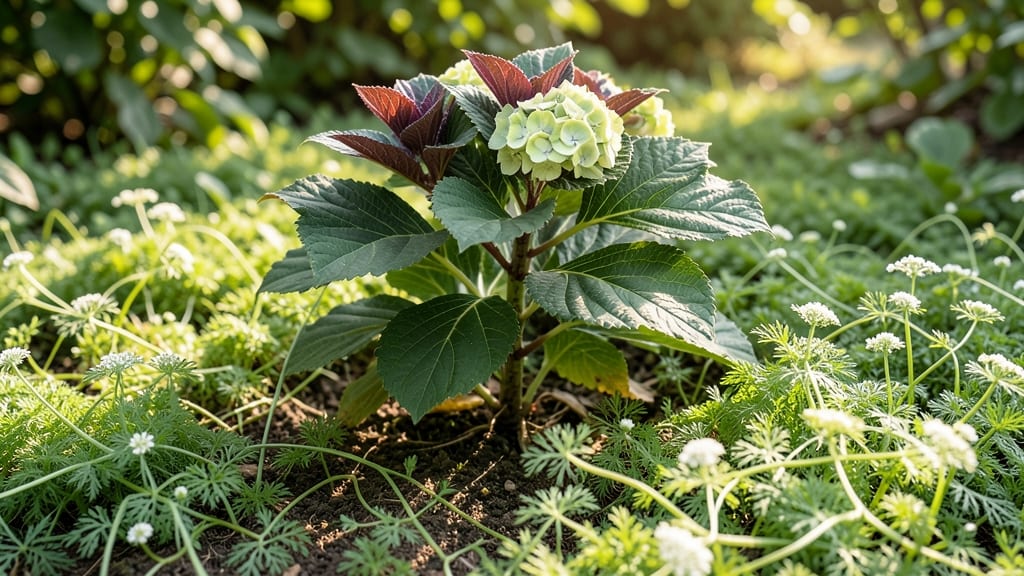
If your oakleaf hydrangeas struggle with compacted or dry soil, sweet woodruff (Galium odoratum) is the unsung hero you’ve been missing. This delicate ground cover spreads effortlessly under your hydrangeas, acting like a living mulch that locks in moisture while smothering weeds—no more tilling or synthetic mulch needed.
Beyond its weed-suppressing powers, sweet woodruff releases coumarin, a natural compound that improves soil structure and encourages deeper root development in hydrangeas. Plant it in partial to full shade, where it thrives as a low-maintenance carpet. Just be aware its fragrant foliage can spread aggressively—ideal for gardeners who want effortless coverage without high-maintenance upkeep.
Perfect for woodland gardens or shady borders, sweet woodruff turns hydrangea beds into lush, self-sustaining ecosystems. 🌿
Black-Eyed Susan for Late Season Color
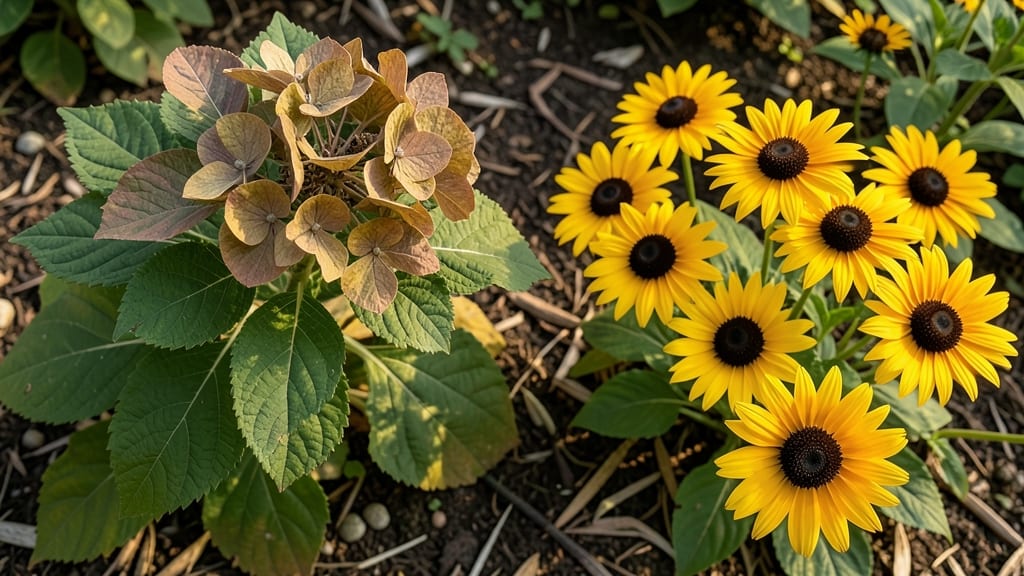
When your oakleaf hydrangea blooms start fading in late summer, black-eyed Susan (Rudbeckia hirta) steps in to steal the show. This hardy perennial bursts with bright yellow daisies that thrive in full sun to part shade—ideal for filling gaps as hydrangeas transition to their autumn foliage phase.
Plant black-eyed Susan 12–18 inches away from hydrangeas to avoid root competition, and enjoy its drought tolerance and low-maintenance nature. The flowers also attract pollinators like bees and butterflies, extending the garden's ecological benefits well into fall. Deadhead spent blooms to encourage more flowers until frost.
Perfect for beginner gardeners or busy homeowners, this plant ensures your garden stays vibrant long after other perennials have faded. 🌻
Hosta Varieties for Shade Lovers
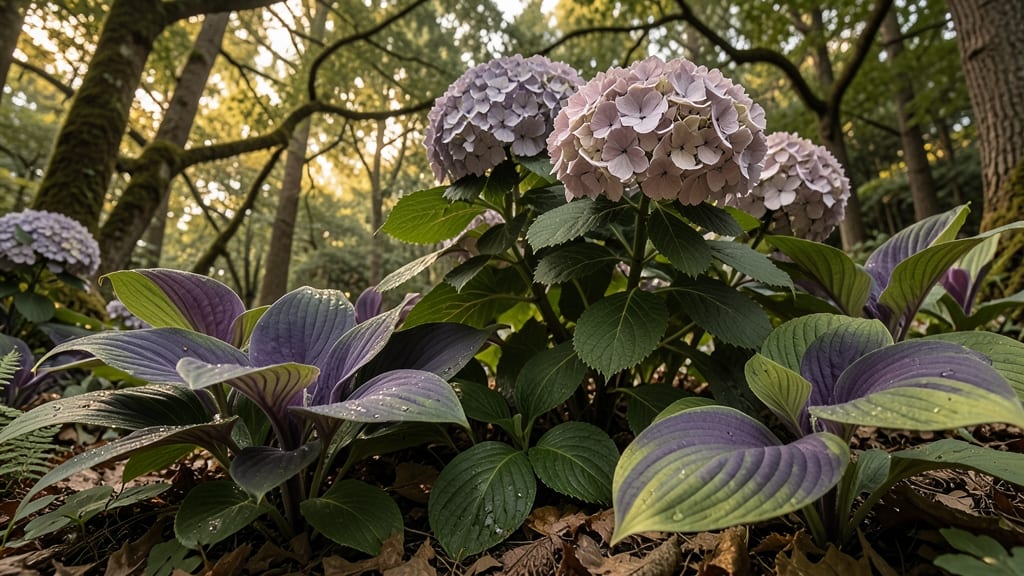
If your garden has deep shade where hydrangeas reign but other plants struggle, hostas are the unsung heroes you need. Their bold, textured foliage—ranging from deep purple to chartreuse—creates a stunning backdrop that makes hydrangea blooms pop, especially in woodland-style gardens with filtered light.
Choose varieties like 'Francee' (blue-green with yellow edges) or 'Blue Angel' (deep purple) for maximum contrast. Hostas thrive in partial to full shade and tolerate moist, well-draining soil—just like hydrangeas. Their low-maintenance nature and slug resistance (when properly sited) make them ideal for gardeners who want year-round interest without the fuss.
This pairing is perfect for beginners or shade gardeners who want drama without high-light demands. Plant hostas 18-24 inches away from hydrangea stems to let both shine. 💚
Lavender for Aromatic Pest Deterrent

Want a garden that smells amazing while keeping pests at bay? Lavender is your secret weapon—its signature fragrance repels mosquitoes, moths, and even deer, creating a natural barrier around your oakleaf hydrangeas.
Plant English lavender or Grosso lavender in full sun, spacing them 18-24 inches apart. Their silvery-green foliage and purple blooms echo hydrangea’s color palette while thriving in the same well-draining soil. Prune lightly after flowering to encourage bushier growth next season.
This aromatic duo works best in sunny borders or container gardens, offering both beauty and function. Perfect for gardeners who love fragrant spaces and hate pesky bugs! 🌱