
Aphids
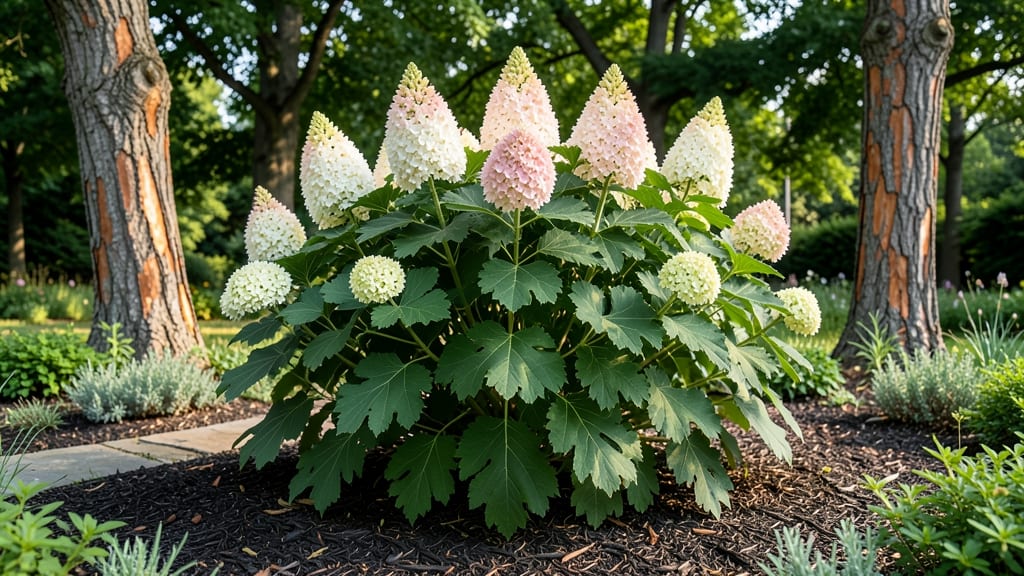
Your oakleaf hydrangea’s stunning 🌸 burgundy foliage and delicate blooms depend on getting the right amount of sunlight—too much or too little can turn those showstopping leaves into something lackluster.
I’ve watched my own oakleaf hydrangeas struggle when placed in harsh afternoon sun, their leaves bleaching and blooms fading faster than expected. The key isn’t just about sunlight—it’s about timing, shade, and how your local climate plays into the mix.
In this guide, I’ll break down the ideal sunlight balance for oakleaf hydrangeas, whether you’re in a hotter zone like 9b or a cooler one like 6a. You’ll learn how to adjust care based on your garden’s conditions to keep those leaves vibrant year after year.
From morning sun to afternoon shade, we’ll cover everything—so you can finally grow the lush, colorful oakleaf hydrangea you’ve always dreamed of.

Optimal sunlight requirements for oakleaf hydrangea foliage and flowers
Oakleaf hydrangeas (Hydrangea quercifolia) are prized for their stunning burgundy foliage and delicate blooms, but achieving that signature color requires precise sunlight management.
Unlike some hydrangeas, oakleaf varieties thrive in partial shade—specifically morning sun with afternoon shade—which prevents leaf scorch while maximizing photosynthesis for vibrant growth.
Too much direct sun can bleach those deep burgundy leaves to dull green, while insufficient light weakens stems and reduces bloom production. The key is balancing light intensity and duration to maintain both foliage color and flower health.
Let’s break down the science and practical tips to get it right.
🌱 Summary Table: Oakleaf Hydrangea Sunlight Requirements
The 4–6 hours of morning sun rule is critical because it provides enough photosynthesis energy without the midday UV stress that causes leaf burn. Oakleaf hydrangeas are adapted to dappled light conditions, mimicking their native woodland understory habitats.
Studies show that chlorophyll production peaks in these conditions, enhancing the anthocyanin pigments responsible for those rich burgundy hues.
In hotter climates (Zone 9b and above), even morning sun can be intense. Here, I recommend filtering sunlight with a 30% shade cloth during peak hours (11 AM–3 PM) to prevent leaf scorch.
This mimics the natural canopy protection oakleaf hydrangeas would receive in the wild. For container-grown plants, move them to a shadier spot in summer and gradually reintroduce sun in fall.
One common misconception is that more sun = more blooms. While sunlight fuels photosynthesis, excessive direct sun actually reduces flower production by stressing the plant. The ideal balance is 4–6 hours of morning light, followed by dappled or filtered shade for the rest of the day.
This setup ensures your hydrangea allocates energy to both foliage coloration and bloom development.
Regional adjustments are key. In cooler climates (Zones 5–7), oakleaf hydrangeas can handle more afternoon sun because temperatures drop earlier. However, in southern climates (Zone 8+), even 2–3 hours of morning sun may be too much without afternoon shade.
Always observe your plant’s leaf color—if edges turn crispy or yellow, it’s getting too much sun.
For container gardening, sunlight needs change dramatically. A 5-gallon pot may only need 2–3 hours of morning sun due to limited root space, while a 15-gallon container can tolerate 4–5 hours.
Use light-colored containers to reflect excess heat and mulch with bark to regulate soil temperature. In containers, rotate plants quarterly to ensure even sunlight exposure on all sides.
Seasonal shifts also matter. In spring and fall, when temperatures are mild, oakleaf hydrangeas can handle up to 6 hours of sun. But by mid-summer, reduce exposure to 3–4 hours max to prevent heat stress.
Prune old wood in late winter to encourage new growth that’s better adapted to your specific light conditions.
Pro tip: Use a <
How to adjust sunlight for maximum oakleaf hydrangea vibrancy
Your oakleaf hydrangea thrives on partial shade, but even the right light needs fine-tuning to unlock those vibrant burgundy leaves and abundant blooms. Too much sun scorches the foliage, while too little weakens the plant’s structure.
The key is balancing morning sun with afternoon shade—especially in hotter climates like Zone 9b. Let’s explore how to adjust sunlight exposure for year-round vibrancy.
Start by observing your plant’s current sunlight exposure. If leaves are bleached or crispy, it’s getting too much direct sun. If the foliage is pale and leggy, it needs more light.
Oakleaf hydrangeas tolerate 4-6 hours of morning sun best, but in Zone 6a, afternoon shade becomes critical after 10 AM. Use nearby trees or lattice screens to filter harsh afternoon rays during peak summer months.
Adjusting Sunlight for Oakleaf Hydrangeas
✅ Morning Sun (4-6 hours)
- Pros: Boosts foliage color and bloom production
- Cons: Risk of leaf scorch if >6 hours
✅ Afternoon Shade (Post-10 AM)
- Pros: Protects leaf edges from heat stress
- Cons: Too much shade = pale foliage
⚠️ Full Sun (All Day)
- Pros: None for Zone 9b+
- Cons: Leaf burn, stunted growth, fewer blooms
🌿 Deep Shade (No Direct Sun)
- Pros: None for color vibrancy
- Cons: Leggy growth, weak stems, few blooms
Seasonal adjustments are crucial. In spring, gradually introduce your hydrangea to more sunlight—about 1 hour per week—to avoid sun shock. By summer, ensure it gets morning sun only, especially in Zone 8a and above.
Use whitewashed lattice or sheer fabric screens to diffuse light without blocking airflow. For container-grown plants, move them to shadier spots during heatwaves.
Pruning plays a surprising role in sunlight management. Thin out dense inner branches in early spring to improve air circulation and light penetration. Remove dead or crossing branches to redirect energy to vibrant foliage.
In Zone 6a, prune after the last frost (April 15) to avoid winter damage. Aim for an open, vase-like shape to maximize light exposure to all leaves.
Mulching is another game-changer. Apply 3 inches of organic mulch (like pine bark or shredded leaves) around the base to regulate soil temperature. This helps prevent root stress from temperature swings, which directly impacts foliage color. Replenish mulch annually in early spring to maintain its insulating properties.
Monitor your hydrangea’s leaf color as a barometer for success. Deep burgundy foliage signals perfect light balance, while greenish leaves mean it needs more sun. In Zone 9b, aim for 3-4 hours of morning sun—any more risks leaf scorch.
Adjust gradually, and your oakleaf hydrangea will reward you with show-stopping color all season long.