
Light Requirements
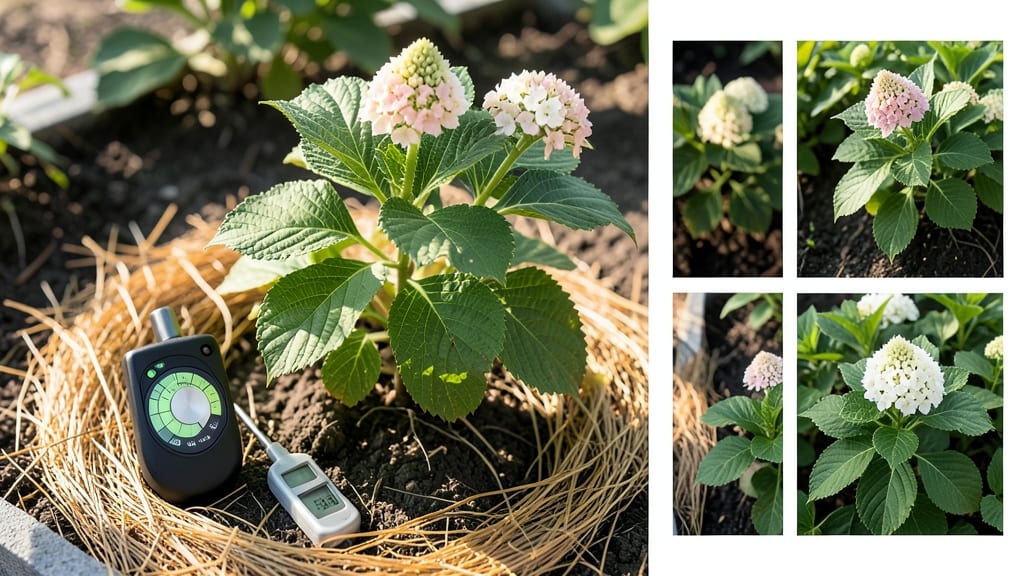
The oak leaf hydrangea light requirements call for 4 to 6 hours of bright, indirect light daily—the sweet spot for vibrant foliage and blooms 🌿.
Struggling to keep your oak leaf hydrangea thriving? The right light exposure can transform your plant from struggling to stunning—without needing a greenhouse or expert knowledge.
Too much direct sun scorches the leaves, while too little shade dulls the iconic oak-shaped foliage. I’ve seen both extremes in my garden, and the difference is night and day.
Below, I’ll break down how to spot the perfect light balance, adjust for your climate, and even fix common mistakes that keep your hydrangea from reaching its full potential.

Optimal light conditions for oak leaf hydrangeas: morning sun vs. full shade
Oak leaf hydrangeas (Hydrangea quercifolia) are stunning shrubs known for their vibrant foliage and delicate blooms, but their light requirements are often misunderstood. Unlike some hydrangeas that thrive in full sun, oak leaf varieties prefer a gentler balance of morning sunlight and afternoon shade.
This balance isn't just about aesthetics—it directly impacts leaf color, bloom production, and overall plant health. Understanding these needs by growth stage will help you create the perfect spot for your hydrangea to flourish.
The key to success lies in recognizing that young plants and mature shrubs have different tolerances. Young oak leaf hydrangeas, still establishing their root systems, are more sensitive to intense afternoon sun, which can scorch tender leaves.
Mature plants, however, can handle slightly more direct light, especially in cooler climates. Let's break down the science-backed light conditions that will transform your hydrangea from a struggling underperformer to a thriving centerpiece.
| Growth Stage | Ideal Light Conditions | Leaf Color Development | Bloom Production | Climate Adaptation |
|---|---|---|---|---|
| Young Plants (1-2 years) | Morning sun (2-4 hrs) + afternoon shade | Deep green, glossy leaves | Moderate blooms (smaller clusters) | Protect from intense afternoon sun |
| Mature Plants (3+ years) | Morning sun (4-6 hrs) + filtered shade | Rich burgundy/orange fall foliage | Abundant blooms (large, cone-shaped) | Tolerates partial sun in cooler zones |
| Established in Containers | Bright indirect light (east or north window) | Lighter green (less intense color) | Reduced blooms (needs more light) | Rotate container for even light exposure |
The morning sun is your hydrangea's best friend because it provides gentle, low-intensity light that encourages healthy leaf development. Studies show that UVB exposure in mornings stimulates chlorophyll production, leading to those signature deep green leaves.
For mature plants, aim for 4-6 hours of morning sun, combined with afternoon shade from nearby trees or structures. This balance prevents leaf scorch while maintaining vibrant foliage and abundant blooms.
Afternoon sun, especially between 12 PM and 4 PM, can be detrimental because the sun's rays are most intense. In hot climates (zones 7-9), even mature oak leaf hydrangeas should avoid prolonged afternoon exposure. The heat can cause leaf burn and reduce bloom production by up to 30%.
Instead, position your hydrangea where it receives morning sun and afternoon shade from deciduous trees, which naturally filter light as the day progresses.
For leaf color development, the magic happens in the balance of light and shade. Oak leaf hydrangeas are famous for their stunning fall foliage, which transitions from green to fiery shades of burgundy, orange, and red.
This color change is triggered by reduced chlorophyll production in cooler temperatures, but it's enhanced by proper light exposure during the growing season. Plants receiving too much direct sun may produce duller fall colors, while those in full shade might not develop the rich hues at all.
Bloom production is another area where light plays a crucial role. Oak leaf hydrangeas produce their cone-shaped flowers on previous year's growth, meaning they rely on stored energy from the current season.
Plants in optimal light conditions (morning sun + afternoon shade) can produce 2-3 times more blooms than those in full sun or deep shade. The key is to avoid stress—whether from too much heat or insufficient light—so the plant can focus its energy on flower development.
In cooler climates (zones 5-6), oak leaf hydrangeas can tolerate more direct sunlight because the intensity is naturally lower. Here, you might even see improved bloom production with 5-6 hours of full sun, as long as the soil remains consistently moist.
However, in hot, humid climates (zones 8-9), afternoon shade is non-negotiable. The combination of heat and humidity can lead to fungal issues, further stressing the plant and reducing its ability to thrive.
If you're growing your oak leaf hydrangea in a container, light requirements become even more critical. Containers heat up quickly and dry out faster, making it harder for roots to access moisture.
Place your potted hydrangea in a spot with bright indirect light, such as an east-facing window or a shaded patio. Avoid south-facing windows or direct afternoon sun, which can cause the soil to overheat and damage the roots.
Rotate the container every few weeks to ensure even light exposure on all sides.
One common mistake gardeners make is assuming that more light is always better. While oak leaf hydrangeas need light to thrive, they're not sun-worshippers like some other shrubs. Over time, excessive light can lead to leaf scorch, stunted growth, and even death in extreme cases.
Pay attention to your plant's leaves—if they start developing brown edges or crispy spots, it's a clear sign of too much direct sun. Adjust the location or provide additional shade to protect your hydrangea.
To maximize your oak leaf hydrangea's potential, consider using reflective surfaces like light-colored walls or mulch to bounce extra light onto the plant without increasing heat. You can also use light-colored containers to reflect sunlight and keep roots cooler.
These small adjustments can make a big difference in your plant's health and appearance, ensuring it stays lush and vibrant throughout the growing season.
How to identify and fix light-related stress in oak leaf hydrangeas
Your oak leaf hydrangea might be silently screaming for help—through leaf color or growth patterns. Light stress is the #1 reason these stunning shrubs struggle, yet many gardeners overlook the subtle clues.
Unlike sun-loving plants, oak leaf hydrangeas thrive in morning sun with afternoon shade, but even small deviations can cause big problems. Let's decode the signs and fix them before your plant throws in the towel.
First, check your plant's leaf color. Yellowing leaves with green veins? That's classic under-lighting. Meanwhile, crispy edges or bleached spots scream over-exposure. Both issues share one solution: adjusting placement or using shade cloth.
But timing matters—spring and summer demand different approaches. Let's tackle each problem step by step so your hydrangea can finally flourish.
⚠️ WARNING: Oak Leaf Hydrangeas Hate Harsh Afternoon Sun
Signs of light stress: Brown leaf edges, curled leaves, or sudden leaf drop. These symptoms appear within 2-4 weeks of incorrect light exposure. Hot afternoon sun (1 PM–5 PM) is the #1 culprit—it burns leaves faster than you can react. Even partial shade (like dappled sunlight) is better than full sun in summer months.
Quick fix: Move your plant 3–5 feet away from direct sun or install 30% shade cloth during peak heat (June–August). For container plants, relocate to a north-facing spot or under a patio cover.
For under-lighting issues, look for pale, sparse leaves or leggy growth where stems stretch toward light. This happens when your hydrangea gets less than 4 hours of morning sun. The solution? Gradually increase light exposure over 2–3 weeks to avoid shocking the plant.
Place it near an east-facing window or use a reflective surface (like a white wall) to bounce extra light onto the leaves.
Seasonal adjustments are key. In spring and fall, your oak leaf hydrangea can handle 4–6 hours of morning sun without stress. But summer's intense rays demand afternoon shade protection.
Use lightweight shade cloth or position the plant where it gets filtered sunlight (like under a tree with open branches). In winter, these plants tolerate more sun since cooler temps reduce light intensity.
Don't forget about container gardening challenges. Potted oak leaf hydrangeas dry out faster and overheat in full sun. Use larger containers (18+ inches wide) with moisture-retentive soil, and move them to shadier spots during summer afternoons. A self-watering pot can also prevent light-related stress by maintaining consistent moisture.
Pro tip: Prune strategically to improve light distribution. Thin out dense growth in late winter to allow more light to reach inner stems. This encourages fuller foliage and reduces the risk of fungal issues from poor air circulation caused by overcrowded branches.
Just avoid heavy pruning in summer—it stresses the plant when light demands are highest.
With these fixes, your oak leaf hydrangea will show you its gratitude with vibrant foliage, lush blooms, and healthy growth. The secret? Pay attention to the subtle clues and adjust gradually.
Your plant's light needs might change with seasons, but with a little observation, you'll keep it thriving year-round. 🌿