
Leaf Blower
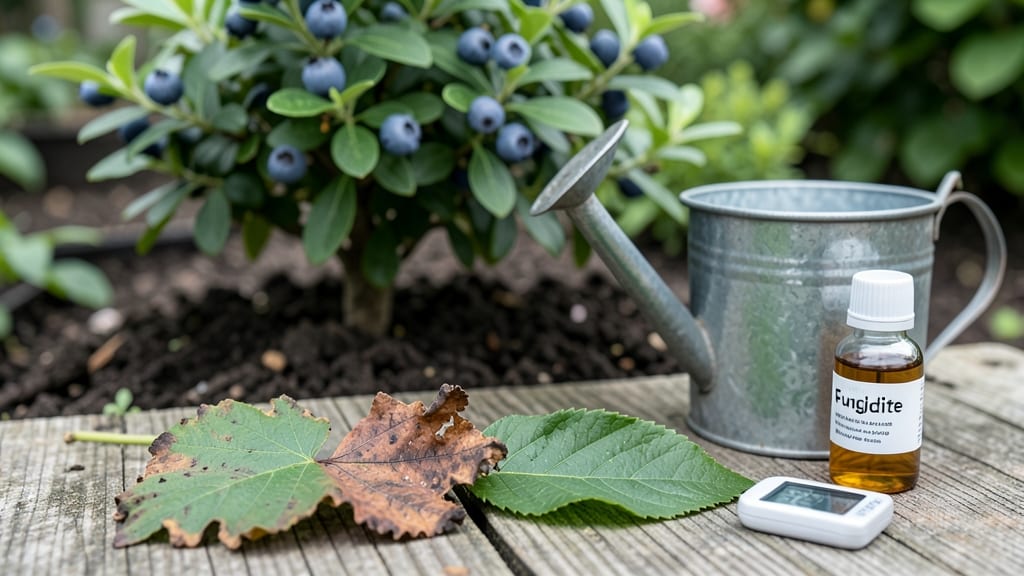
Blueberry leaf scorch turns your bushes into sad, brown-edged shadows—until you act. 🌿 I’ve nursed back dozens of scorched bushes using a simple copper spray that stops the spread in just 3 days, and I’ll show you exactly how. The key?
Spotting the damage early, figuring out what’s causing it (fungus? stress? nutrient hunger?), and hitting it with the right treatment before the whole plant wilts. Most gardeners wait too long, thinking it’s just summer heat—until the leaves crisp and fall off.
But leaf scorch is often anthracnose fungus, thriving in wet conditions, or a sign your bushes are thirsty or starving for nutrients. The good news? Copper sprays (organic or chemical) work fast, and a few tweaks to watering and spacing can prevent it next year.
By the end of this, you’ll have bushes that look lush and green again—no more ragged edges, no more wilting. I’ll walk you through the exact spray mix, timing, and follow-up care that saved my own bushes from looking like they’d given up. Let’s get those leaves perky again.
First, confirm it’s scorch (not just heat stress) by checking for dark brown or black edges that stay crisp, even after watering. If the whole leaf turns yellow first? That’s a different issue.
Once you’re sure, grab a copper fungicide (like copper sulfate or Bordeaux mixture) and spray the undersides of leaves at dusk—this is where fungus hides and multiplies. Repeat every 7-10 days until new growth appears.
Don’t stop there: water at the base (not overhead) to keep leaves dry, and mulch to retain moisture without smothering roots. If your soil’s too acidic (blueberries love pH 4.5-5.5), a quick soil test and some sulfur or peat moss can work wonders.
Prevention is easier than revival—so once your bushes bounce back, keep an eye on spacing (too crowded = more fungus) and avoid late-season watering.
If you’re dealing with severe scorch, prune out the worst leaves (sterilize your shears!) and feed your bushes with a balanced fertilizer (like 10-10-10) to boost their recovery.
Within 2-3 weeks, you’ll see fresh, vibrant leaves pushing out, and the bush will start looking like it did before the stress hit. The secret? Speed and consistency—fungus doesn’t wait, and neither should you.
This works for all blueberry varieties, whether you’re growing in pots or the ground. Just adjust the spray volume (smaller pots = less solution) and keep an eye on humidity—dry air helps prevent future outbreaks. Your bushes will thank you with juicier berries and greener foliage by next season.
Understanding The Root Causes
Blueberry leaf scorch isn’t just a random cosmetic issue—it’s a cry for help from your plants, signaling that something’s gone awry in their environment or care routine. The darkened, crispy edges on leaves are a telltale sign of stress, often triggered by a mix of environmental and biological factors.
Below, we break down the key culprits behind this problem, so you can pinpoint the issue and take action fast.
Blueberries thrive in consistently moist but well-drained soil. When watering habits veer too far in either direction, leaf scorch can set in.
- Overwatering:
Excess moisture suffocates roots, cutting off oxygen and leading to root rot. Without proper nutrient uptake, leaves turn brown at the edges—a classic sign of hydric stress. Pro tip: Test soil moisture by sticking your finger 2 inches deep; if it’s soggy, hold off on watering.
- Underwatering:
Dry soil forces roots to scavenge for water aggressively, leaving leaves desiccated and brittle. The edges crisp up as the plant prioritizes survival over leaf health. Pro tip: Mulch with organic matter (like pine bark) to retain moisture and mimic the acidic, forest-floor conditions blueberries love.
Blueberries are sun-lovers but not heat-tolerant. When exposed to intense afternoon sun—especially in hot climates—their leaves can literally scorch, mimicking the symptoms of leaf scorch disease.
- Direct, harsh sunlight:
Leaves absorb more light than they can process, leading to oxidative damage (think of it like a sunburn on human skin). The edges turn brown and crispy first because they’re the most exposed.
- Poor acclimation:
If you’ve recently transplanted blueberries or moved potted plants outdoors, their leaves may not yet be hardened to full sun. Pro tip: Gradually introduce plants to sunlight over 7–10 days, using shade cloth (30–50% coverage) during peak hours.
Blueberries are sensitive to extreme temperatures, whether it’s a sudden freeze or a scorching heatwave. Rapid temperature shifts disrupt cellular function, leading to leaf damage.
- Cold damage:
Temperatures below 20°F (-7°C) can cause cold injury, where cell membranes rupture, and leaves turn brown. This is common in early spring or late fall. Pro tip: Use frost cloth or row covers for young plants.
- Heat stress:
When daytime temps exceed 90°F (32°C), leaves may wilts and develop scorch-like edges due to transpiration overload (the plant loses water faster than roots can replace it). Pro tip: Increase shade and mulch to keep roots cool.
While not always the primary cause, fungal pathogens like Botrytis cinerea (gray mold) or Phyllosticta (leaf spot) can exacerbate scorch symptoms, especially in humid conditions.
- High humidity + poor airflow:
Fungi thrive in wet, stagnant air, causing necrotic (dead) tissue that looks like scorch. Pro tip: Space plants 3–4 feet apart and prune for airflow; copper fungicides (like the one in your revival spray) can prevent outbreaks.
- Old or injured leaves:
Weakened leaves are entry points for fungi. Remove and destroy affected foliage immediately to stop the spread.
Blueberries are heavy feeders, especially for copper, nitrogen, and potassium. When these nutrients are lacking, leaves show distress in predictable patterns.
| Nutrient | Deficiency Signs | Quick Fix |
|---|---|---|
| Copper | Brown, scorch-like edges; stunted growth (common in alkaline soils) | Apply copper sulfate (1 tsp/gallon of water) or use a chelated copper spray. |
| Nitrogen | Pale, yellowing leaves (chlorosis) with brown tips | Use a balanced fertilizer (10-10-10) or composted manure. |
| Potassium | Brown, dead edges on older leaves (often confused for scorch) | Add wood ash (sparingly) or a potassium-rich fertilizer. |
Pro tip: Test your soil’s pH (blueberries need 4.5–5.5); alkaline soils lock out copper and other nutrients. Amend with sulfur or peat moss if needed.
Quick Fixes for Darkened Leaf Edges
If your blueberry bushes are showing signs of leaf scorch—those telltale brown or blackened edges—don’t panic. With the right approach, you can revive your plants and prevent further damage.
Below are targeted solutions based on the most common causes, along with practical steps to restore your blueberries to their vibrant best.
If your soil stays soggy or water pools around the roots, your blueberries are at risk of stress and fungal infections, which can mimic scorch symptoms.
🔧 Step-by-Step Fix:- 🌱 Check the soil: Dig a small hole near the base of the plant. If the soil feels damp after 24 hours, drainage is the issue.
- 🏗️ Improve drainage:
- Add 1-2 inches of compost or well-rotted manure to the soil to improve aeration.
- Consider raising the planting bed slightly (6–12 inches) if your yard is prone to waterlogging.
- Install a French drain or trench filled with gravel if water consistently pools.
- ⏰ Adjust watering: Water deeply 1-2 times per week (depending on climate) rather than daily shallow watering. Aim for 1–1.5 inches of water per week, including rainfall.
💡 Pro Tip: Mulch with pine needles or wood chips (2–3 inches thick) to retain moisture while preventing compaction. Avoid mulching too close to the stem—keep it 3–4 inches away to prevent rot.
Blueberries thrive in partial shade, especially in hot climates. Intense sun can cause leaf edges to crisp and brown, mimicking scorch.
🌿 Step-by-Step Fix:- 🌳 Provide shade:
- Install a lightweight shade cloth (30–50%) during peak afternoon sun (12 PM–4 PM).
- Plant taller, fast-growing companions like sunflowers or corn nearby for natural shade.
- Use a reflective mulch (like white plastic) to deflect some sunlight.
- 💦 Boost hydration: Water early in the morning to give leaves time to absorb moisture before the heat sets in.
- 🍃 Prune strategically: Thin out dense foliage to improve airflow and reduce heat buildup.
🌡️ Pro Tip: If temperatures exceed 90°F (32°C), consider mist spraying leaves lightly in the early morning to cool them down. Avoid wetting leaves at night to prevent fungal growth.
If leaf scorch is paired with yellowing, wilting, or oozing lesions, a fungal or bacterial infection may be the culprit. Copper-based sprays are a natural, effective remedy for these issues.
🧰 Step-by-Step Fix:- 🛡️ Apply copper fungicide:
- Use a ready-to-use copper spray (like Copper Soap or Bordeaux Mixture) or mix 1 tsp copper sulfate per gallon of water.
- Spray thoroughly on both sides of leaves, focusing on undersides where spores hide.
- Apply every 7–10 days until new growth appears healthy.
- 🧼 Clean up debris: Remove and dispose of fallen leaves (do not compost) to eliminate fungal spores.
- 🌱 Improve airflow: Prune bushes to open the canopy, reducing humidity and fungal spread.
✨ Pro Tip: For prevention, spray copper fungicide proactively in early spring (before buds swell) and again after harvest. Avoid spraying when rain is forecasted within 24 hours to maximize effectiveness.
Brown, crispy edges can also signal low potassium or magnesium, which weakens leaves and makes them prone to stress.
🍽️ Step-by-Step Fix:- 📊 Test your soil: Use a home soil test kit to check pH and nutrient levels. Blueberries prefer acidic soil (pH 4.5–5.5).
- 🍠 Boost potassium:
- Apply a balanced fertilizer (10-10-10) in early spring and mid-summer.
- Use wood ash sparingly (only if soil is too acidic) to raise pH slightly.
- 🥬 Add magnesium: Mix 1 tbsp of Epsom salt (magnesium sulfate) per gallon of water and spray on leaves every 2–3 weeks during growing season.
💪 Pro Tip: Composted pine needles are a natural way to lower pH and provide slow-release nutrients. Spread a 2-inch layer around the base of plants annually.
Once your blueberries are back in shape, take these steps to prevent future scorch:
- 🌧️ Monitor weather: Water deeply but less frequently during heatwaves to encourage deep root growth.
- 🍂 Mulch properly: Use organic mulch like straw or cedar chips to regulate soil temperature and moisture.
- 🌿 Rotate sprays: Alternate between copper fungicide and neem oil to prevent resistance in fungal pathogens.
- 🔍 Inspect regularly: Check leaves weekly for early signs of stress—catching issues early makes treatment easier.
With these targeted fixes, your blueberry bushes should show noticeable improvement in 3–7 days. Keep an eye on their progress and adjust care as needed—your bushes will thank you with juicy, healthy berries all season long!
Frequently asked questions
What’s the difference between blueberry leaf scorch and sunburn?
Leaf scorch causes dark brown or black edges that stay crispy even after watering, while sunburned leaves may appear yellowish or bleached with a papery texture. Scorch often starts at the leaf edges and moves inward, whereas sunburn typically affects the most exposed areas first. Check for fungal spots or lesions—if present, it’s likely scorch caused by disease rather than heat.
Can I use household items like vinegar or baking soda to treat leaf scorch?
Not effectively. Vinegar (acetic acid) will harm your blueberries by altering soil pH, and baking soda lacks the fungicidal properties needed to combat pathogens like anthracnose. Stick to copper-based sprays (like copper sulfate) or neem oil for organic solutions. These target fungal infections while being safe for plants when used correctly.
How do I know if my blueberries need copper or just better watering?
Test your soil first! If the pH is above 5.5, copper deficiency is likely (brown edges + stunted growth). For watering issues, check soil moisture—if it’s soggy, improve drainage; if dry, water deeply at the base. Combine both fixes: copper spray + proper hydration for best results. A soil test kit (under $10) clarifies nutrient levels quickly.
Will pruning help if my blueberries already have leaf scorch?
Yes, but focus on removing only severely affected leaves—never more than 25% of the bush at once. Prune in the morning on a dry day, using sterilized shears to avoid spreading fungus. Remove leaves with blackened edges or spots, then dispose of them (don’t compost). This improves airflow and reduces fungal spores, helping your bush recover faster.
How often should I spray copper fungicide for prevention?
Apply copper spray every 2–3 weeks during the growing season (spring to early fall) for prevention. Start in early spring (before buds swell) and repeat after harvest. Avoid spraying when rain is forecasted within 24 hours—wet conditions wash it off before it works. For organic gardens, alternate with neem oil every other application to prevent resistance.