
Leaf Blower
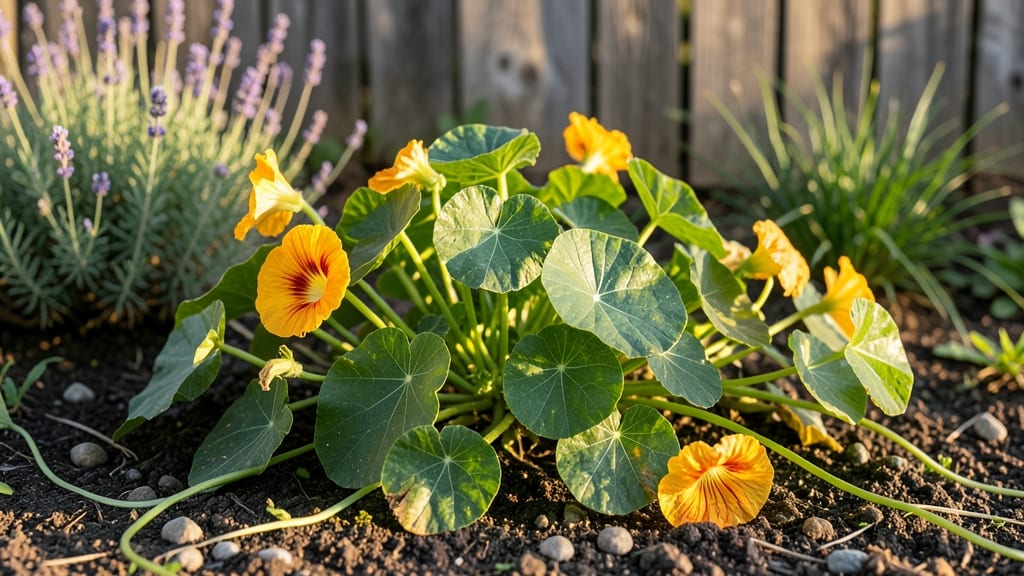
Nasturtium leaf curl ruins what should be your garden's brightest showstopper. 🌿 I've battled this frustrating distortion firsthand—those once-smooth leaves puckering like crumpled paper is never a good sign.
The good news? You can turn things around in just 3 days with the right organic fix, and I'll show you exactly how.
The culprits are usually tiny but relentless: aphids sucking sap, cucumber beetles chewing edges, or fungal spores hitching a ride on rain. Even environmental stressors like sudden temperature swings or poor airflow can trigger that telltale curling.
The key is catching it early—before the damage spreads to stems or flowers—and acting fast with targeted solutions.
You'll learn to identify the exact problem (yes, there's a quick visual test), then apply foolproof organic treatments that work within days. Think neem oil sprays, homemade garlic repellents, and companion plants that naturally deter pests.
By the end of the week, your nasturtiums will be bouncing back with fresh, vibrant leaves that outshine any store-bought bouquet.
This method works for both in-ground plants and container-grown nasturtiums, and it's safe for pollinators once applied correctly. The secret? Acting before the damage gets irreversible. Let's get those leaves flat and happy again—your garden's color explosion depends on it.
Root Causes of Leaf Distortion
Nasturtium leaf curl isn’t just an eyesore—it’s a clear signal that your plants are under stress from unseen forces. Understanding the why behind the curl is the first step to restoring your garden’s health.
Below, we break down the most common culprits, backed by science, so you can diagnose and act fast.
Nasturtium leaf curl is often caused by Tobacco Rattle Virus (TRV) or Cucumber Mosaic Virus (CMV), which thrive in aphid saliva or contaminated soil. These viruses distort leaves by disrupting cell division in meristematic tissues (growth zones), leading to stunted, curled, or puckered foliage.
- How it spreads:
- 🐜 Aphids (primary vectors) feed on infected plants, then move to healthy ones.
- 🌱 Contaminated tools or hands transfer virus particles between plants.
- 💧 Wind or water can carry viral particles over short distances.
- Tell-tale signs:
- Leaves curl downward (unlike environmental stress, which often curls upward).
- Mosaic patterns (light/dark green patches) or stunting in new growth.
- Symptoms worsen in hot weather as viral activity increases.
Actionable fix: Remove infected plants immediately (do not compost!) and disinfect tools with 70% isopropyl alcohol. Organic fungicides won’t cure viruses, but they prevent secondary infections that weaken plants further.
Extreme temperatures or inconsistent watering trigger physiological leaf curl as a survival mechanism. Nasturtiums, native to temperate climates, struggle when:
| Cause | How It Happens | Quick Fix |
|---|---|---|
| 🔥 Heat stress (>90°F/32°C) | High temps cause stomatal closure to conserve water, leading to curled edges as cells lose turgor pressure. | Provide afternoon shade with shade cloth (30-50%) and mulch to retain soil moisture. |
| 💦 Underwatering | Dry soil triggers abscisic acid production, a stress hormone that curls leaves to reduce water loss. | Water deeply 1-2x/week (1 inch total) and check soil moisture 2 inches down. |
| 🌧️ Overwatering | Waterlogged roots suffocate cells, causing anaerobic stress and curled, yellowing leaves. | Ensure well-draining soil (amend with perlite/sand) and avoid watering until top 1 inch is dry. |
Pro tip: 🌡️ Monitor your garden’s microclimate—north-facing beds stay cooler, while south-facing areas bake faster. Adjust care accordingly!
Sap-sucking and leaf-munching pests physically distort leaves as they feed, often mimicking viral symptoms. The most common nasturtium pests include:
- 🐜 Aphids
- Inject toxins as they feed, causing leaf curling and puckering.
- Colonize undersides of leaves and excrete honeydew (sticky residue).
- 🐛 Cabbage loopers
- Chew irregular holes, then tie leaves together with silk, creating curled "loops."
- Active at night; look for frass (droppings) on curled leaves.
- 🦋 Spider mites
- Tiny red/yellow mites suck sap, causing bronzing and curling.
- Thrive in dry, dusty conditions—check with a magnifying glass.
Actionable fix: Blast pests off with a strong stream of water (💦) or apply neem oil (1 tsp + 1 quart water) every 5-7 days. Ladybugs and lacewings are natural predators—invite them with dill or fennel companion plants!
Key takeaway: Viruses, environmental stress, and pests all trigger leaf curl, but their patterns and timing differ. Next up: How to tell them apart and 3-day organic fixes to save your nasturtiums.
Quick Fixes for Wrinkled Nasturtium Leaves
If your nasturtium plants are sporting curled, puckered leaves, don’t panic—this common issue has clear solutions. The right approach depends on the root cause, whether it’s fungal pressure, environmental stress, or pest activity. Below, we break down practical fixes for each scenario, plus proactive steps to keep your plants thriving.
Fungal diseases like Alternaria or Downy Mildew often trigger leaf curl by disrupting cell function. Here’s how to tackle them:
🔥 Apply an Organic Fungicide (Day 1-2)
- Spray with neem oil: Mix 1 tbsp neem oil + 1 tsp mild soap in 1 quart of water. Spray undersides of leaves (where spores hide) in the early morning or evening. Reapply every 3–5 days until symptoms fade.
- Baking soda solution: Combine 1 tsp baking soda + 1 quart water + a drop of dish soap. Test on a small leaf first—some plants are sensitive.
- Copper fungicide: Use a <1% copper-based spray (like copper sulfate) for severe cases. Follow label rates to avoid leaf burn.
🌡️ Improve Airflow & Hygiene
- Prune crowded foliage: Snip away dense growth to let air circulate. Aim for 6–12 inches between plants.
- Remove infected leaves: Drop them in the trash (not compost)—fungi spread via debris.
- Water at the base: Avoid overhead watering, which splashes spores onto leaves.
💡 Prevention Tip
Rotate crops next season—don’t plant nasturtiums (or other brassicas) in the same spot for 2+ years. Fungal spores linger in soil!
Extreme temperatures cause leaves to curl as a protective response. Try these tweaks:
👨🍳 Shield from Heat Waves
- Provide afternoon shade: Use shade cloth (30–50%) if temps hit 90°F+.
- Mulch heavily: Apply 2–3 inches of straw or wood chips to keep roots cool.
- Water deeply in AM: Soak soil 1–2 inches down to reduce stress.
❄️ Protect from Chill
- Cover young plants: Use row covers or frost blankets if nights dip below 40°F.
- Move potted nasturtiums: Bring containers indoors or to a sheltered spot overnight.
🎯 Long-Term Fix
Choose heat-tolerant varieties like ‘Alaska’ or ‘Dwarf Jewel’ if your climate swings wildly.
Sap-sucking pests (aphids, spider mites, or whiteflies) distort leaves by draining nutrients. Act swiftly:
🔪 Blast Off Pests Naturally
- Spray with soapy water: Mix 1 tsp castile soap in 1 quart water. Direct the stream at pests (especially leaf undersides).
- Introduce beneficial insects: Ladybugs or lacewings devour aphids. Buy them online or attract them with companion plants like dill.
- Use diatomaceous earth: Sprinkle food-grade DE around the base (reapply after rain). It dehydrates soft-bodied pests.
🌿 Companion Planting
Interplant nasturtiums with basil, marigolds, or garlic to repel pests naturally.
Once you’ve addressed the cause, give your plants a boost:
- Fertilize lightly: Use a balanced organic fertilizer (5-5-5) to replenish nutrients.
- Trim damaged leaves: Prune curled leaves to redirect energy to new growth.
- Monitor daily: Check for recurrence and adjust care as needed.
Pro Tip: If leaf curl persists after 1–2 weeks, test soil pH (ideal: 6.0–7.0). Extreme acidity or alkalinity can mimic stress symptoms. Amend with lime (to raise pH) or sulfur (to lower it) if needed.
Frequently asked questions about nasturtium leaf curl
Can I save my nasturtium plant if the leaves are already curled?
Yes, but act fast! If caught early (within 3-5 days), you can often reverse the damage by addressing the root cause—whether it's pests, fungal pressure, or environmental stress. Remove severely infected leaves, apply organic treatments like neem oil, and adjust care (watering, shade, airflow). For viral infections, removal may be necessary to prevent spread.
How do I tell if my nasturtium leaf curl is from pests vs. disease?
Check the leaf undersides for tiny pests like aphids or spider mites (). Pest damage often includes sticky residue (honeydew) or visible holes, while fungal curl usually appears as yellow/brown spots or powdery growth. Viral curl shows downward curling with mosaic patterns. Pro tip: Use a magnifying glass to spot pests before they multiply!
Will pruning curled leaves help my nasturtium recover?
Pruning removes the stress signal and redirects energy to new growth. Snip affected leaves at the base with clean scissors, then boost the plant with a balanced fertilizer (5-5-5). For severe cases, prune back 1/3 of the plant** to encourage bushier, healthier regrowth. Always sterilize tools with rubbing alcohol between cuts to prevent spreading issues.
Can I use store-bought fungicides on nasturtiums?
Use with caution! Many conventional fungicides contain chemicals that can harm nasturtiums or beneficial insects. Opt for organic options like neem oil, copper fungicide (follow label rates), or baking soda spray. Test any product on a small leaf first—some nasturtium varieties are sensitive. For severe cases, consult a local nursery for plant-safe recommendations.
How can I prevent leaf curl in future nasturtium plants?
Start with healthy soil (pH 6.0-7.0) and proper spacing (6-12 inches apart) for airflow. Use companion plants like marigolds or basil to deter pests, and rotate crops yearly. Water consistently at the base, avoid overhead spraying, and monitor for early signs of stress. Choose disease-resistant varieties like 'Alaska' for hot climates!