
Leaf Blower
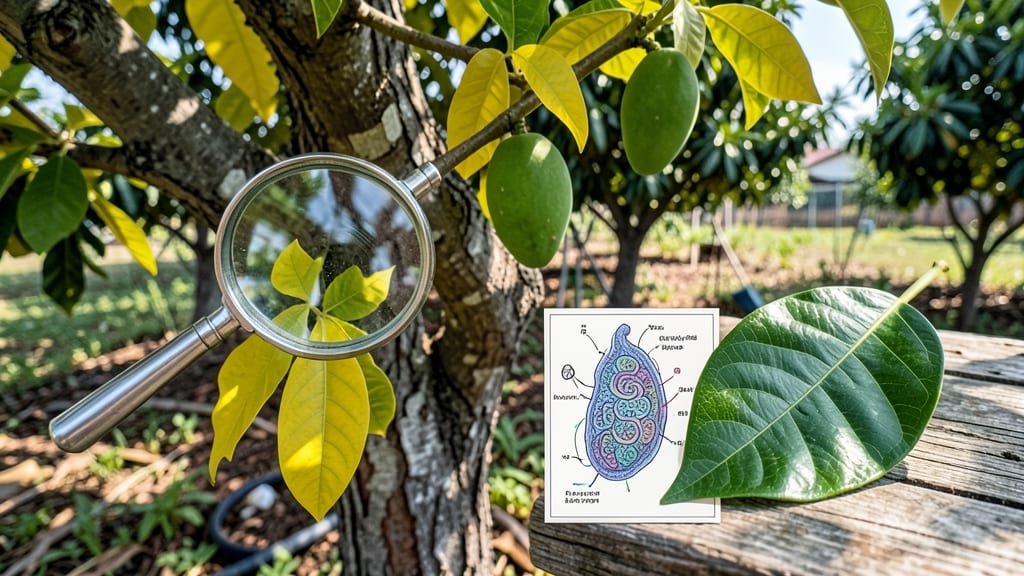
The little leaf in mango problem can turn your lush, productive tree into a stunted shadow of its former self—unless you act fast. 🌿 I’ve seen this happen after a single rainy season, where leaves shrink to half their normal size and fruit production plummets.
The good news? Copper spray isn’t just for fungal spots; it’s a key part of preventing the stress that makes little leaf worse in the first place.
Most gardeners blame viruses first, but environmental stress—like over-fertilizing, poor drainage, or sudden temperature swings—often triggers the symptoms before any actual pathogen sets in. That’s why copper spray works: it strengthens the tree’s defenses while you fix the underlying issues.
Think of it as armor for your mango’s leaves, especially when fungal spots start creeping in.
By the time you finish this protocol, you’ll spot the early warning signs (yellowing between veins, brittle new growth) and know exactly how to prune, feed, and spray to restore normal leaf size within 6-8 weeks.
The secret? Timing your copper applications with the wet season and pairing them with balanced fertilizer—not too much nitrogen, which burns leaves.
If the little leaf persists after two full growing cycles, though, it’s time to call in a local agricultural extension office. Some viral strains require specialized testing, but 90% of cases improve with the right copper protocol and basic care adjustments. Let’s get your tree back to full size.
Root Causes Of Stunted Growth
Understanding why your mango tree develops little leaf symptoms is the first step to fixing it. This issue often stems from a mix of environmental stress, nutrient deficiencies, and pathogen attacks—especially when fungal spots like anthracnose or powdery mildew take hold.
Below, we break down the key culprits behind this problem, backed by science and actionable insights.
Mango trees thrive in warm, humid climates with well-drained soil, but when conditions stray too far from ideal, leaves can shrink or deform. Here’s how:
- Temperature Fluctuations - Too Hot: Prolonged heatwaves (>95°F/35°C) disrupt photosynthesis by damaging chloroplasts, leading to smaller, paler leaves. The tree prioritizes survival over growth, stunting new foliage. - Too Cold: Frost or near-freezing temps (<40°F/4°C) cause cellular damage in young leaves, halting expansion.
Mangoes are tropical—even brief cold snaps trigger stress responses. - Actionable Fix: Use shade cloth (30-50%) in peak summer or row covers in winter if your region dips below 50°F (10°C).
- Water Stress (Over or Under) - Drought: When roots can’t absorb enough water, the tree closes stomata (leaf pores) to conserve moisture.
This reduces cytokine production (a growth hormone), resulting in tiny, curled leaves. - Overwatering: Waterlogged soil starves roots of oxygen, leading to root rot (Phytophthora spp.). A stressed root system can’t supply nutrients, causing leaf stunting. - Actionable Fix: Test soil moisture 2 inches deep—water when dry.
Use drip irrigation to avoid wetting foliage (which invites fungal infections).
- High Wind or Physical Damage
- Strong winds tear young leaves or disrupt nutrient transport in the phloem. Even minor damage triggers abscisic acid (a stress hormone) that halts growth.
- Actionable Fix: Plant mangoes in sheltered spots or use windbreaks (e.g., bamboo screens).
Mango trees are heavy feeders, and deficiencies—especially in micronutrients—can mimic little leaf symptoms. Here’s what to watch for:
| Deficiency | Symptoms | Why It Causes Stunted Leaves | Quick Fix |
|---|---|---|---|
| Nitrogen (N) | Pale yellow leaves, slow growth | N is critical for chlorophyll and cell division. Without it, leaves stay small and weak. | Apply blood meal (10-0-0) or compost tea every 4-6 weeks. |
| Zinc (Zn) | Little leaves with interveinal chlorosis (yellow between veins) | Zn activates enzymes for cell elongation. Deficiency = stunted, thick leaves. | Spray zinc sulfate (0.2%) or use chelated zinc granules. |
| Iron (Fe) | Tiny, yellow leaves with green veins | Fe is essential for electron transport in photosynthesis. Lack of it = poor energy for growth. | Apply iron chelate (5-10 ppm) to soil or foliage. |
| Potassium (K) | Weak stems, rolled or cupped leaves | K regulates water and nutrient uptake. Deficiency = poor turgor pressure (floppy, small leaves). | Use potassium sulfate (0-0-50) or banana peel compost. |
| Boron (B) | Thick, leathery leaves with cracks | B is vital for cell wall formation. Excess or deficiency = distorted, stunted growth. | Apply borax (1 tsp/gallon water) as a soil drench (use sparingly). |
💡 Pro Tip: Test your soil with a home kit before fertilizing. Overcorrecting (e.g., adding too much N) can burn roots, worsening the problem.
Fungal diseases like anthracnose (Colletotrichum gloeosporioides) and powdery mildew (Oidium mangiferae) don’t just spot leaves—they hijack nutrients and disrupt growth hormones. Here’s how:
- Anthracnose - How It Stunts Growth: The fungus blocks nutrient transport in the phloem by clogging vessels with mycelium (fungal threads).
Infected leaves can’t expand properly, resulting in little, puckered foliage. - Tell-Tale Signs: Dark spots with pink centers on leaves, premature leaf drop, and dieback of twigs. - Actionable Fix: Copper spray protocol (see article title!) + prune infected branches (sterilize tools with 70% alcohol).
- Powdery Mildew - How It Stunts Growth: This fungus coats leaves in a white, powdery layer, reducing sunlight absorption by 50%.
The tree prioritizes energy for defense over growth, leading to small, weak leaves. - Tell-Tale Signs: White, talcum-like powder on upper leaf surfaces, yellowing between veins. - Actionable Fix: Spray neem oil (2%) + baking soda (1 tsp/gallon) weekly until symptoms vanish.
- Bacterial Leaf Spot (Xanthomonas campestris)
- Actionable Fix: Remove infected leaves immediately and apply copper bactericide (0.2%).
Pests like aphids, scale insects, and mite infestations steal sap—the tree’s lifeblood—leaving leaves stunted, curled, or deformed.
- Aphids & Scale
- Damage: These insects inject toxins while feeding, triggering abnormal growth (e.g., rosette-like clusters of tiny leaves).
- Actionable Fix: Blast off with water spray or use insecticidal soap (1% solution).
- Spider Mites
- Damage: They pierce cells, causing silver stippling and leaf thickening. Severe cases lead to tiny, brittle leaves.
- Actionable Fix: Spray neem oil (1%) or horticultural oil every 5 days until mites are gone.
Healthy roots = healthy leaves. When roots are compromised, the whole tree suffers:
- Compacted or Poor Soil
- Problem: Roots can’t breathe in clay-heavy or waterlogged soil, leading to oxygen starvation. The tree can’t absorb nutrients efficiently, causing stunted growth.
- Actionable Fix: Amend soil with perlite + compost (50/50) and aerate with a garden fork.
- Root Rot (Phytophthora or Fusarium)
- Actionable Fix: Repot in fresh, sterile soil and treat with fungicide (myclobutanil). Avoid overwatering!
- Problem: Microscopic nematodes pierce roots, causing galls that block nutrient flow. Leaves turn yellow and stay tiny.
- Actionable Fix: Apply beneficial nematodes (Steinernema spp.) or marigold (Tagetes) companion planting to deter them.
Fixing Fungal Spots on Mango Trees
Fungal spots causing tiny, discolored leaves in your mango tree? Don’t panic—this issue is treatable, and with the right approach, you can restore your tree’s health and prevent future outbreaks. Below, we’ve mapped out practical, step-by-step solutions tailored to the most common causes, from environmental stress to fungal infections.
Follow these fixes to revive your mango tree and keep those little leaves lush and green.
Fungal spots (like Anthracnose or Alternaria) thrive in damp, warm conditions, turning leaves yellow or brown with tiny, irregular marks. Here’s how to tackle them:
🔥 Step 1: Prune Infected Leaves Immediately
- Why? Removing infected foliage stops spores from spreading.
- How? Use sterilized pruners (wipe with rubbing alcohol) to trim:
- Leaves with dark spots, yellowing, or curling edges.
- Any mummified or blackened fruit (even if it’s not ripe).
- Pro Tip: 💡 Bag and dispose of pruned material in sealed trash—don’t compost it!—to prevent reinfection.
🍳 Step 2: Apply Copper-Based Fungicide
Copper is a natural, effective way to combat fungal growth.
Here’s how to use it right: - Choose a spray: Opt for copper hydroxide (e.g., Bonide Copper Fungicide) or copper sulfate (mixed with water). - Mix it properly: - Follow label instructions (typically 1–2 tbsp per gallon of water). - Shake well before spraying—copper settles! - Spray thoroughly: - Cover both sides of leaves, stems, and even the soil around the base (fungi lurk there too). - Best time: Early morning or late afternoon to avoid leaf burn from direct sunlight. - Frequency: Spray every 7–10 days until new growth appears healthy, then monthly as prevention.
👨🍳 Step 3: Improve Air Circulation Fungi love stagnant, humid air.
Break up their party with these tweaks: - Thin the canopy: Remove overcrowded branches to let sunlight and air flow through. - Space trees properly: If planting new mango trees, keep them at least 20–30 feet apart. - Use a fan (yes, really!): 🌡️ Place a small outdoor fan near the tree for 10–15 minutes daily during humid weather to dry leaves faster.
🥘 Step 4: Adjust Watering Habits Overwatering is a fungal magnet.
Switch to a drought-smart routine: - Water deeply but less often: Soak the root zone (6–12 inches deep) 2–3 times per week (adjust for climate). - Avoid wetting leaves: Use a soaker hose or drip irrigation to deliver water at the base. - Water in the morning: Lets leaves dry before evening humidity sets in.
Small, pale leaves might signal a lack of key nutrients, especially nitrogen, zinc, or iron. Fix it with these targeted boosts:
📊 Step 1: Soil Test First
- Why? A test reveals exact deficiencies (e.g., low nitrogen vs. zinc).
- How? Send a soil sample to a local extension office (or use a home test kit).
- Quick fix if you can’t test: Amend soil with compost or aged manure to improve overall health.
💪 Step 2: Fertilize Smartly
- For nitrogen (big, green leaves):
- Use a balanced fertilizer (e.g., 10-10-10) early in the growing season (spring).
- Avoid overdoing it—too much nitrogen = weak, disease-prone growth.
- For zinc/iron (tiny leaves, yellowing):
- Apply a chelated zinc or iron supplement (e.g., Sequestrene 330).
- How to apply: Mix with water and spray on leaves or work into soil.
- Signs it’s working: New leaves should turn darker green within 2–3 weeks.
🥗 Step 3: Foliar Feed for Fast Results
- DIY recipe: Mix 1 tsp Epsom salt (magnesium sulfate) + 1 tsp liquid seaweed fertilizer in a gallon of water.
- Spray on leaves every 2 weeks for a quick nutrient boost.
Sap-sucking pests (like mites or aphids) stress mango trees, making them more susceptible to fungal spots. Knock them out with these methods:
🔪 Step 1: Blast Off Pests with Water
- For aphids/mites: Spray the tree with a strong stream of water (early morning) to knock them off.
- Repeat: Do this 2–3 times per week for 2 weeks.
🎯 Step 2: Use Neem Oil (Safe & Effective)
- Mix: 1 tbsp neem oil + 1 tsp dish soap (as an emulsifier) + 1 quart water.
- Spray: Cover all leaf surfaces, especially undersides where pests hide.
- Reapply: Every 5–7 days until pests disappear.
✨ Step 3: Introduce Beneficial Insects
- Ladybugs or lacewings eat aphids naturally. Buy them online or attract them with dill or fennel plants nearby.
Once your mango tree is back in shape, lock in its health with these long-term strategies:
- 🌡️ Monitor humidity: Use a hygrometer to keep levels below 70%—fungi love damp air!
- 🍂 Clean up debris: Remove fallen leaves and fruit from the base of the tree weekly.
- 🌿 Mulch properly: Use wood chips or straw (2–3 inches thick) to prevent soil splashing onto leaves.
- 🌱 Prune regularly: Trim dead or crossing branches in late winter to improve airflow.
- 💧 Drip irrigation only: Avoid overhead sprinklers—they spread fungal spores like confetti.
Final Note: Consistency is key! Fungal spots and nutrient issues won’t vanish overnight, but with regular pruning, copper sprays, and smart watering, your mango tree will bounce back stronger—and those little leaves will grow big, bold, and disease-free. 🌿🍈
Frequently asked questions about mango little leaf issues
What’s the difference between little leaf caused by fungus and a nutrient deficiency?
Fungal little leaf often shows dark spots with yellow halos on tiny leaves, while deficiencies cause uniform yellowing or pale color without spots. Check for fungal spots first—if they’re present, copper spray is your first fix. Nutrient issues respond to soil tests and targeted fertilizers like chelated zinc or iron.
How often should I apply copper spray for fungal prevention?
Use copper fungicide every 7-10 days during rainy seasons or when humidity exceeds 70%. After symptoms disappear, switch to monthly applications as maintenance. Always spray early morning or late afternoon to prevent leaf burn from sunlight.
Can I still harvest fruit from a mango tree with little leaf?
Yes, but only eat fruit that’s fully ripe—green or semi-ripe fruit may contain higher pesticide residues from treatments. Focus on treating the tree first to ensure next season’s crop grows normally. Remove any infected fruit that shows spots or rot.
Why do my mango leaves stay small even after treating fungal spots?
Persistent tiny leaves often mean root damage (from overwatering or nematodes) or chronic nitrogen deficiency. Test your soil and apply compost or balanced fertilizer (10-10-10) while checking roots for rot. If roots are healthy, the issue may be viral—consult your local agricultural extension for testing.
Is neem oil safe to use alongside copper spray?
Yes! Mix neem oil (1 tbsp/gallon) with copper fungicide for a two-in-one solution against fungi and pests. Apply in the evening to avoid leaf burn. Reapply every 5-7 days until symptoms clear, then monthly for prevention. This combo works especially well for powdery mildew.