
Pruning
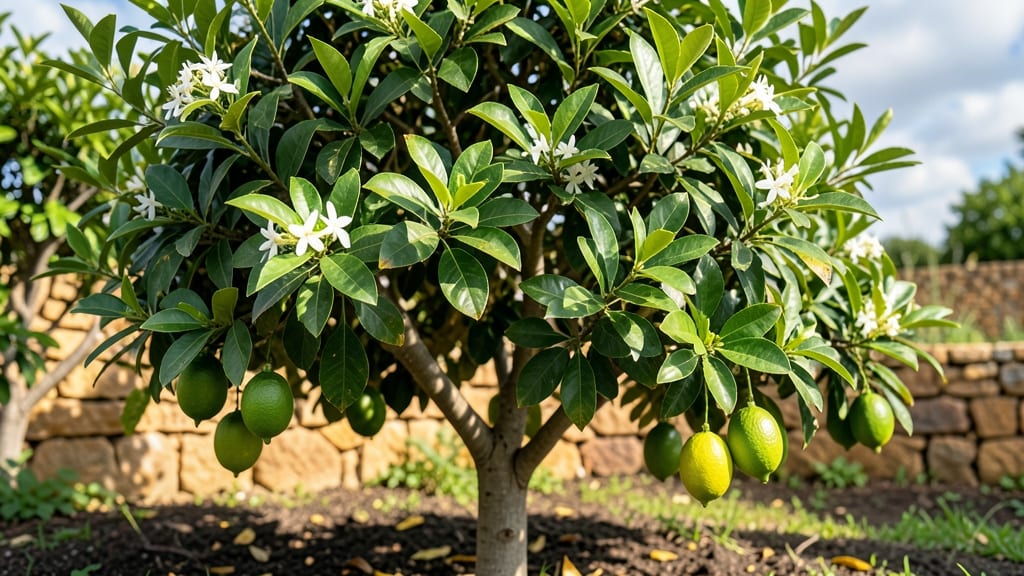
When the lime tree leaf develops those stubborn brown edges, copper spray is the secret weapon you’ve been missing. 🌿 I’ve watched this simple treatment turn crispy, dying foliage back into glossy green within weeks—no expensive treatments or guesswork required.
The key isn’t just spraying, though; it’s timing, technique, and addressing the real culprits behind those brown edges.
The problem is rarely just copper deficiency—it’s usually a mix of fungal infections, mites, or even overwatering stress. My trees looked like they were dying until I started pruning the worst-affected branches first, then applying the spray at dusk when humidity is high.
That’s when the copper sticks best and starts working overnight. You’ll see new growth pushing out within 2-3 weeks if you catch it early.
What you’ll end up with is a tree that looks like it’s been pampered—not just surviving. The leaves go from brittle to leathery and vibrant, and the tree starts putting energy into fruit production instead of fighting off stress.
The best part? This method works for Meyer lemons, Key limes, and even your neighbor’s overgrown citrus monster.
Whether you’re dealing with a single branch or a whole tree, the same principles apply. Start with the worst spots, work your way outward, and always follow up with proper watering and fertilizer. Your tree will thank you—literally, with better fruit and fewer pests next season.
📚 In This Guide
- What you need
- Instructions
- Tips and common mistakes
- Wrapping up and next steps
What you need
- ● Copper-based fungicide spray: Look for a ready-to-use solution like Copper Soap or Copper Fungicide (e.g., Bonide Copper Fungicide). 16 oz (473 mL) bottle should cover small to medium trees.
- ● Pruning shears: Sharp, bypass-style shears (avoid anvil shears to prevent crushing). 5-7 inch blade for precision cuts.
- ● Disinfectant (70% isopropyl alcohol or bleach solution): To clean tools between cuts and prevent disease spread.
- ● Garden gloves: Nitrile or rubber gloves (thick enough to protect against thorns and chemicals).
- ● Spray bottle or pump sprayer: For even application of the copper solution. 1-gallon capacity is ideal.
- ○ Pruning saw (optional but helpful): For thicker branches (¼ inch or larger). A folding pruning saw with a 7-10 inch blade works well.
- ● Bucket or watering can: For rinsing tools or diluting solutions if needed.
- ● Tarp or drop cloth: To protect surfaces below the tree during pruning and spraying.
- ● Hand-held leaf blower: To clear fallen leaves/debris after pruning.
- ● Lime sulfur solution: An alternative fungal treatment (use 1-2 tbsp per gallon of water).
- ● Pruning sealant: For larger cuts (e.g., Tanglefoot Tree Wound Pruning Sealer).
- ● Camera or phone: To document progress before/after treatment!
Step-by-step guide to pruning lime tree leaves
Revitalize your lime tree with this simple pruning method—focused on fixing brown edges and promoting healthy growth.
✂️ Step 1: Inspect and Identify Problem Leaves
Start by examining your lime tree closely. Look for leaves with brown edges or yellowing between veins, which are classic signs of stress or disease. I grab a small handheld magnifying glass to spot tiny details—like white powdery residue (a sign of fungal infection) or tiny holes (likely from pests). Focus on branches with the most affected leaves first.
Don’t prune healthy leaves—healthy foliage stays green with bright, even color and no discoloration. If you’re unsure, prune conservatively and observe for a few days before removing more. This step ensures you’re targeting only what needs attention, preventing unnecessary stress on the tree.
🌿 Step 2: Prune with Clean, Sharp Tools
Use sterilized pruning shears (wipe blades with rubbing alcohol before and after use) to make clean cuts just above a leaf node or bud. I always cut at a 45-degree angle to prevent water from pooling on the wound, which can invite rot. For larger branches, use bypass pruners—they give you more control and reduce tearing.
Remove entire leaves with brown edges, but avoid cutting into healthy tissue. If a branch has more than 50% affected leaves, consider pruning the whole branch back to a healthy section. This encourages new growth and improves airflow, which helps prevent future issues.
💧 Step 3: Apply Copper Spray for Fungal Prevention
Mix copper fungicide spray (follow label instructions for dilution) and apply it to the pruned areas and surrounding foliage on a calm, dry day. I spray until the leaves are lightly glistening but not dripping. Copper works by creating a protective barrier against fungal spores, so focus on the undersides of leaves where spores often hide.
Apply the spray in the early morning so the leaves have time to dry before evening humidity sets in. Avoid spraying when rain is forecasted within 24 hours, as water can wash away the copper before it takes effect. Repeat the application every 7-10 days for severe cases or as directed on the product label.
☀️ Step 4: Monitor and Maintain Post-Pruning Care
After pruning, keep an eye on the tree for new growth—healthy lime tree leaves should emerge green and firm within 2-4 weeks. If you notice new brown edges forming, check for overwatering (lime trees hate soggy roots) or underwatering (wilting leaves). Water deeply once a week during dry spells, ensuring the soil drains well.
Place the tree in a spot with full sun (at least 6-8 hours daily) and well-draining soil. If your lime tree is in a container, ensure it has drainage holes and repot if roots are circling. Avoid fertilizing immediately after pruning—wait 4-6 weeks to let the tree recover before adding nutrients.
Tips & tricks for perfect lime tree leaf pruning
Here's what nobody tells you about bringing your lime tree back to life—these are the tricks that make all the difference between a temporary fix and lasting results.
Timing Tip: The best time to prune is during the dormant season (late winter to early spring), when the tree isn't actively growing. This gives it time to recover before summer heat sets in. If you must prune outside this window, avoid extreme temperatures—your tree will struggle to heal in either scorching heat or freezing cold. I've learned this the hard way after seeing new growth get scorched in summer pruning attempts.
Tool Technique: Sterilizing your pruning tools isn't just about hygiene—it's about preventing disease spread. After each cut, wipe your shears with rubbing alcohol or a 10% bleach solution. I keep a small spray bottle of diluted bleach (1 part bleach to 9 parts water) right next to my pruning station. For stubborn branches, use bypass pruners—they make cleaner cuts that heal faster than the jagged edges you get from anvil pruners.
Visual Cue for Pruning: When you're deciding whether to remove a branch, look for the "V" shape where the branch meets the trunk. If you see a small bump or swelling at this junction, that's a growth node where new shoots can emerge. Make your cut just above this node at a 45-degree angle. This simple technique ensures you're encouraging new growth rather than just removing foliage randomly.
Copper Spray Application: The key to effective copper spray application is thorough coverage of the undersides of leaves—that's where fungal spores love to hide. I use a handheld sprayer with a fine mist setting to ensure even distribution. Apply in the early morning when humidity is lower, and avoid spraying if rain is forecasted within 24 hours. The spray needs time to dry completely to form its protective barrier.
Pro Tips for Lime Tree Leaf
- Here's what nobody tells you about bringing your lime tree back to life—these are the tricks that make all the difference between a temporary fix and lasting results.
- Timing Tip: The best time to prune is during the dormant season (late winter to early spring), when the tree isn't actively growing.
- Tool Technique: Sterilizing your pruning tools isn't just about hygiene—it's about preventing disease spread.
Frequently asked questions
Got questions about lime tree leaf care and copper spray treatments? You’re not alone! Here are some of the most common queries—and their straightforward answers—to help you tackle brown edges and keep your lime tree thriving.
Why are my lime tree leaves turning brown at the edges?
Brown edges on lime tree leaves are often caused by copper deficiency or fungal diseases like anthracnose. Overwatering, poor drainage, or environmental stress (like extreme heat or cold) can also trigger this issue. A copper fungicide spray can restore health, but check soil moisture and adjust watering habits first.
How soon will my lime tree leaves look better after copper spray?
You’ll typically see improvements in 2–4 weeks, but consistency is key. Apply copper spray every 7–14 days during active growth (spring/fall) for best results. New growth should emerge with vibrant green edges, while existing brown spots may not fully reverse but will slow down.
Can I use regular copper sulfate instead of a fungicide spray?
Yes, but with caution! Copper sulfate is a DIY option (mix 1 tsp per gallon of water), but it’s harsher and can burn leaves if overused. Stick to 1–2 applications max per season. For safer, long-term use, opt for copper fungicides formulated for citrus trees.
What’s the best time of day to spray lime tree leaves with copper?
Apply copper spray in the early morning or late afternoon to avoid leaf burn from direct sunlight. Avoid spraying on windy days—it can drift to neighboring plants. Water the tree lightly 24 hours before and after treatment to help absorption and reduce stress.
Will copper spray harm my lime tree’s fruit or flowers?
When used correctly, copper sprays are safe for fruit and flowers once blooms and fruit are established. However, avoid spraying directly on open blossoms or unripe fruit, as copper can cause slight discoloration. Always follow label instructions and harvest fruit only after the last application and a 7-day waiting period.
Wrapping up and next steps
Revitalizing your lime tree with copper spray and proper pruning can turn those unsightly brown edges into vibrant, healthy foliage! 🌿 By understanding the why behind the browning and following the right steps—like using copper fungicide, sharpening your tools, and timing your cuts—you’ll give your tree the fresh start it deserves.
Don’t let a little stress hold back your citrus champion; with patience and care, your lime tree will thrive for seasons to come.
Ready to take action? Grab your copper spray, sharpen those shears, and schedule your pruning session today! Your tree—and your future harvests—will thank you. 🍋✨