Pests and Diseases
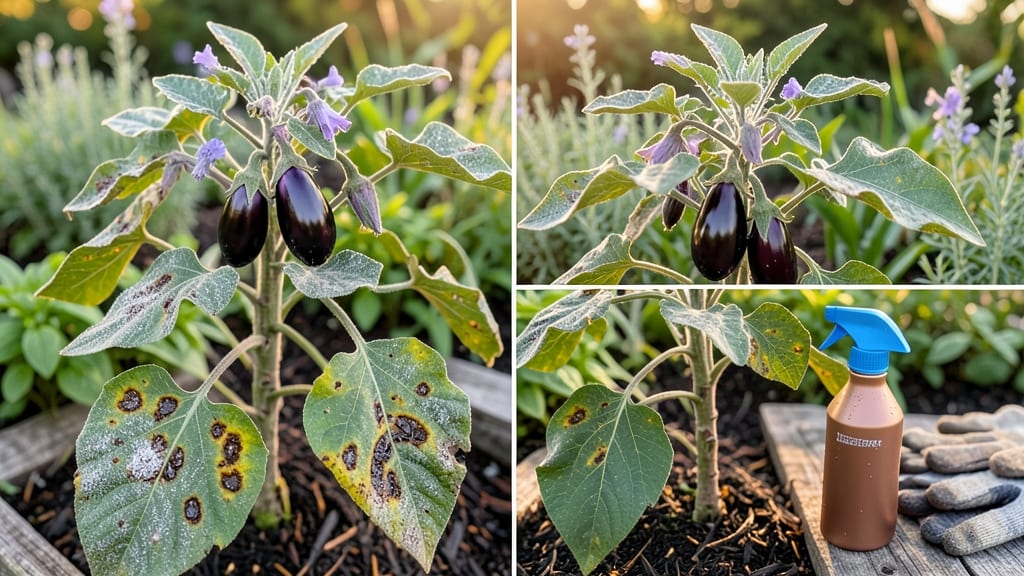
Eggplant leaf disease doesn’t have to mean game over. 🌱 I’ve battled this exact problem in my garden, and copper spray isn’t just a last resort—it’s the first line of defense when those telltale brown spots start creeping in. The key is catching it early, before the disease spreads to the fruit or stunts your plants. Most of these issues—bacterial wilt, fungal leaf spot, or even powdery mildew—start with tiny specks that grow into larger, crinkled patches. The good news? Copper spray works on all three, and you can make it at home for under $10. Just mix it right, apply it when leaves are dry, and repeat every 7–10 days until the new growth stays clean. You’ll see the difference within a week: fresh, vibrant leaves instead of those sad, curled messes. The plants bounce back faster, and the fruit stays healthy for harvesting. It’s not just about saving the leaves—it’s about keeping your entire crop productive. Works for both backyard gardens and small farms, and it’s safe to use right up until harvest. Here’s exactly how to mix it and when to spray for the best results.
Root Causes Of Leaf Damage
Understanding why eggplant leaves develop unsightly spots, dark edges, or other symptoms starts with identifying the primary triggers behind these issues. While some causes are environmental, others stem from biological threats like fungi, bacteria, or pests.
Below, we break down the key reasons your eggplant’s leaves may be suffering—and how each one disrupts your plant’s health.
---
Eggplants are sensitive to extreme or inconsistent conditions, and when these factors go haywire, your leaves pay the price. Here’s how:
- Temperature Swings Eggplants thrive in warmth (70–85°F during the day, 60–70°F at night).
Sudden drops below 50°F or scorching heat above 90°F can trigger cellular damage, leading to: - Brown or blackened leaf edges (from cold stress or frost exposure). - Yellowing or wilting (from heat stress, causing water loss). - Actionable fix: Use row covers in cold snaps or provide shade cloth during heatwaves.
- Poor Watering Practices - Overwatering: Soggy soil starves roots of oxygen, promoting fungal growth (like Phytophthora) and causing dark, mushy spots on leaves. - Underwatering: Leaves curl and crisp at the edges due to dehydration, mimicking nutrient deficiencies. - Pro tip: 💡 Water deeply but infrequently—eggplants prefer 1–1.5 inches of water per week, delivered at the soil base (not the leaves).
- Humidity Imbalances High humidity (>70%) creates a fungal paradise, while low humidity (<40%) weakens leaves.
Symptoms include: - Powdery mildew (white, dusty patches) in humid conditions. - Leaf scorch (brown, papery edges) in dry air. - Solution: Improve airflow with spacing plants 18–24 inches apart and use fungicides (like copper spray) if mildew appears.
---
Microbes love eggplant leaves—and once they take hold, they spread rapidly. Here’s how to spot (and stop) the most common culprits:
| Disease | Symptoms | Cause | How It Spreads | |----------------------|---------------------------------------|--------------------------------------------|----------------------------------| | Early Blight | Dark concentric rings, brown spots | Alternaria solani fungus | Soil, water splashes, infected debris | | Late Blight | Water-soaked spots turning black | Phytophthora infestans (same as potato blight) | Rain, overhead irrigation | | Bacterial Leaf Spot | Tiny watery spots → yellow halos → holes | Xanthomonas campestris bacteria | Contaminated tools, wind, rain | | Powdery Mildew | White powdery coating | Oidium or Leveillula fungi | Humid air, poor airflow |
- Why it happens: Fungi and bacteria invade through wounds (like insect bites or pruning cuts) or thrive in moist conditions.
Weakened plants (from stress or poor nutrition) are easy targets. - Prevention: 🌡️ Rotate crops (avoid planting eggplants in the same spot yearly) and sterilize tools with rubbing alcohol.
---
Pests don’t just eat leaves—they create entry points for diseases. Here’s how their activity leads to leaf decline:
- Chewing Insects (e.g., Flea Beetles, Slugs) - What they do: Leave irregular holes or notched edges, exposing tissue to infections. - Eggplants compensate by producing new leaves, but stress weakens their defenses. - Fix: 🔥 Handpick slugs at night or use neem oil spray for beetles.
- Sap-Sucking Pests (e.g., Aphids, Spider Mites) - What they do: Inject toxic saliva, causing yellow stippling, curling, or sticky honeydew (which feeds sooty mold). - Leaves wilt or drop prematurely, and sooty mold blocks sunlight, further stressing the plant. - Solution: 🌿 Blast leaves with water to dislodge pests or apply insecticidal soap.
- Viral Infections (Spread by Pests) - Example: Tomato Mosaic Virus (transmitted by aphids) causes mottled, distorted leaves. - Why it’s deadly: Viruses have no cure—only prevention (remove infected plants immediately).
---
Even with the right water and pests under control, nutritional imbalances can mimic (or worsen) disease symptoms. Here’s how to decode the clues:
- Calcium Deficiency ("Blossom End Rot’s Leaf Cousin") - Symptoms: Brown, dead edges on younger leaves (not just fruit). - Why it happens: Calcium can’t move through the plant—if roots can’t absorb enough (due to compacted soil or high phosphorus), leaves crisp and die. - Fix: 💪 Add crushed eggshells or gypsum to soil and water consistently.
- Magnesium Deficiency (Chlorosis Strikes) - Symptoms: Yellow patches between leaf veins, especially on older leaves. - Why it happens: Magnesium is mobile in the plant, so deficiencies show first where it’s leached out (older leaves). - Solution: 🌱 Apply Epsom salt (1 tbsp/gallon of water) as a foliar spray.
- Salt or Chemical Burn - Symptoms: Crispy, brown leaf tips (like "salt scorch") or bleached patches. - Why it happens: Over-fertilizing (especially with synthetic nitrogen) or hard water builds up sodium/chloride, poisoning roots. - Action: Flush soil with water and switch to organic, slow-release fertilizers.
--- Key Takeaway: Most eggplant leaf issues stem from a mix of stress, microbes, and poor care. The good news? Early action—whether it’s adjusting water, spraying copper, or improving airflow—can reverse the damage before it spreads. 🚀
Fixing Fungal and Bacterial Leaf Issues
Once you’ve identified the culprit behind your eggplant’s leaf discoloration—whether it’s fungal spots, bacterial blight, or nutrient stress—taking swift action can save your plants. Below, we break down practical, step-by-step fixes tailored to the root cause, plus preventive measures to keep your eggplants thriving.
---
Cause: Fungal or bacterial pathogens spread via contaminated leaves. Fix: - 🔪 Snip and toss yellowing, spotted, or wilting leaves immediately—don’t compost them (disease can linger). Use sterilized pruners (wipe with rubbing alcohol between cuts). - 🌬️ Improve airflow by spacing plants 12–18 inches apart and pruning crowded branches. Poor circulation = fungal paradise.
---
Cause: Fungal diseases (like early blight or Alternaria) or bacterial infections (e.g., Xanthomonas). Fix: - 💧 Copper spray (best for bacterial issues): - Mix 1 tsp copper sulfate (or a ready-made organic copper fungicide) with 1 gallon of water + a dish soap drop (helps it stick). - Spray early morning or evening (avoid direct sun) on both leaf surfaces and stems. Reapply every 7–10 days until symptoms fade. - ⚠️ Warning: Avoid copper if your soil is already copper-rich (test first).
- 🌿 Neem oil or baking soda spray (for fungal diseases): - Neem oil: 1 tbsp neem oil + 1 tsp mild soap + 1 quart water.
Shake well and spray. - Baking soda: 1 tbsp baking soda + 1 quart water + a few drops of oil (reduces surface tension). Spray every 7–10 days. - 💡 Pro Tip: Test sprays on a small leaf first to avoid chemical burns.
- 🧪 Fungicides (for severe cases): - Use chlorothalonil (e.g., Daconil) or maneb for stubborn fungal infections. Follow label instructions precisely.
---
Cause: Overwatering, poor drainage, or nutrient deficiencies (e.g., magnesium or potassium lack). Fix: - 💧 Water smarter: - Water at the base (avoid wetting leaves) to prevent fungal splash-up. - 🌡️ Water in the morning so foliage dries by night. - Use drip irrigation or soaker hoses to reduce leaf moisture.
- 🌱 Boost soil health: - Add compost or aged manure (1–2 inches mixed into topsoil) for nutrients. - Test soil pH (aim for 6.0–6.8).
If too alkaline, add sulfur; if too acidic, use lime. - 💡 Pro Tip: A balanced fertilizer (10-10-10) or Epsom salt (for magnesium) can revive stressed plants.
---
Cause: Repeated planting in the same spot or reusing contaminated tools. Prevention: - 🌱 Crop rotation: Avoid planting nightshades (eggplant, tomato, pepper) in the same bed for 3+ years. - 🧼 Sterilize tools: Soak pruners and pots in 10% bleach solution (1 part bleach to 9 parts water) for 10 minutes, then rinse. - 🌿 Solarize soil (for severe fungal buildup): - Cover infected beds with clear plastic for 4–6 weeks in hot sun to kill pathogens.
---
| Issue | Preventive Action | |--------------------------|-----------------------------------------------| | Fungal spread | Mulch with straw or wood chips (keeps soil moist but leaves dry). | | Bacterial blight | Remove all infected plants from the garden (don’t compost!). | | Nutrient stress | Side-dress with compost every 4–6 weeks. | | Pests (aphids/spider mites) | Spray soapy water or introduce ladybugs. |
--- 💡 Final Tip: Keep a garden journal to track symptoms, treatments, and results—this helps you spot patterns and adjust faster next season!
By combining removal, treatment, and prevention, your eggplants will bounce back stronger. Stay vigilant, and those dark edges will soon be a thing of the past!
Frequently asked questions about eggplant leaf diseases
Can I still harvest eggplants if the leaves have spots?
Yes, but only if the fruit itself is healthy and free of disease. The leaves are more about photosynthesis than edibility—remove heavily infected leaves to stop the spread. If the spots are bacterial or fungal, focus on treating the plant to prevent the disease from affecting the fruit.
How do I tell if my eggplant has bacterial wilt vs. fungal leaf spot?
Bacterial wilt causes sudden wilting and yellowing (often starting with one branch), while fungal leaf spot shows as dark, concentric rings on leaves. Bacterial wilt also oozes a yellowish bacterial slime when stems are cut open. Fungal spots usually appear first on older leaves.
Will copper spray harm beneficial insects like bees?
Copper spray is generally safe for bees when applied early morning or evening (when they’re not active) and only on the plant foliage—not flowers. Avoid spraying during bloom times to protect pollinators. For extra safety, choose a ready-made organic copper fungicide labeled for bee-friendly use.
Can I use the same copper spray recipe for tomatoes and eggplants?
Yes, the same copper sulfate mix (1 tsp per gallon of water) works for both, but timing matters. Tomatoes and eggplants are both nightshades, so they’re susceptible to the same diseases. Just ensure you’re not applying copper within 14 days of harvest to avoid residue issues.
What’s the fastest way to stop powdery mildew from spreading?
Improve airflow immediately by pruning crowded branches and spray with a baking soda mix (1 tbsp per quart of water + a drop of oil) every 5–7 days. Remove all infected leaves and avoid overhead watering. For severe cases, a neem oil spray (1 tbsp per quart) can halt growth within 3–5 days.