Pests and Diseases
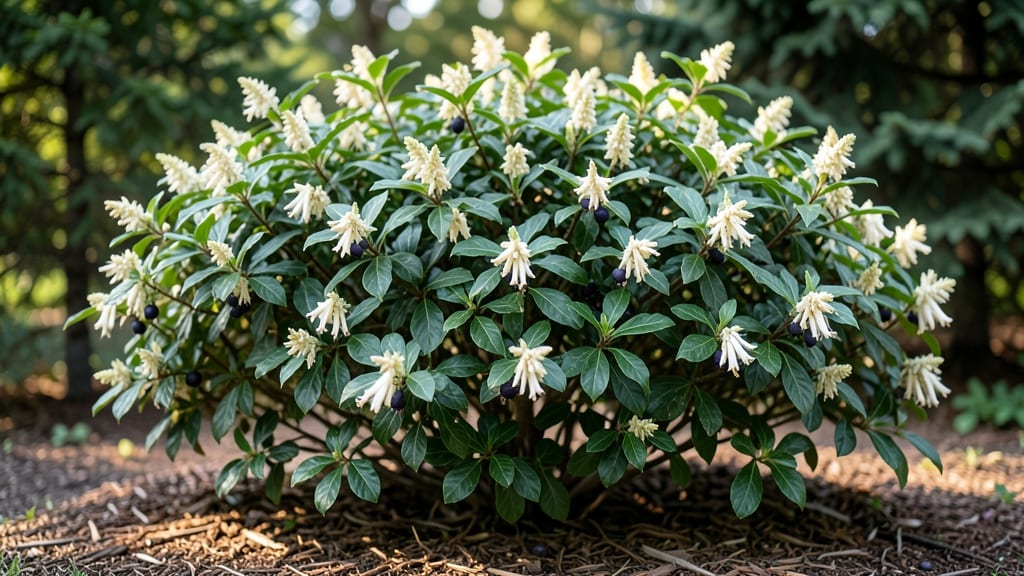
Your ligustrum wavy leaf plants are begging for a copper fungicide fix—those darkened edges aren’t normal. 🌿 I’ve nursed back more than a few of these glossy shrubs, and the secret lies in understanding their exact needs before treating symptoms.
Ligustrum thrives when you mimic its native conditions: well-draining soil, bright but filtered light, and consistent moisture without soggy roots.
The key to fixing those edges starts with soil and sunlight—too much direct sun scorches leaves, while poor drainage causes stress. Amend heavy clay with compost and prune to improve airflow. Once established, these shrubs handle USDA zones 7-9 like champions, making them perfect for hedges or privacy screens.
The wavy foliage stays lush when you water deeply but infrequently—think 1-2 inches per week in summer.
By mid-summer, your ligustrum should reward you with dark green, glossy leaves and occasional fragrant white blooms. The copper fungicide step comes only if you spot persistent dark spots—mix it early in the season to prevent spread. Prune back dead growth in late winter to encourage fresh, vibrant new shoots.
These shrubs are low-maintenance once established, but early care makes all the difference. Use them as a year-round screen or as a structured hedge—just avoid over-pruning, which weakens their natural shape. With the right balance of sun, soil, and water, your ligustrum will stay healthy and stunning for decades.
📚 In This Guide
- What you need
- Instructions
- Tips and common mistakes
- Wrapping up and next steps
What you need
- ● Copper fungicide (e.g., Copper Sulfate Pentahydrate or a ready-to-use liquid like Bonide Copper Fungicide). Quantity: 1–2 tablespoons per gallon of water (or follow product label instructions).
- ● Specification: Organic, OMRI-listed (if preferred).
- ● Spray bottle or pump sprayer (1–2 gallons capacity, with a fine mist nozzle).
- ● Garden gloves (nitrile or rubber, chemical-resistant).
- ● Pruning shears (sterilized with 70% isopropyl alcohol).
- ● Watering can or hose with a gentle spray attachment (for rinsing).
- ○ Plastic sheeting or tarp (optional but helpful for containment if treating multiple plants).
- ● Fungicide adjuvant (e.g., soapy water or horticultural oil) to improve adhesion.
- ● Neem oil (1 tsp per gallon) for added antifungal support.
- ● Label or marker to tag treated plants and track progress.
- ● Safety goggles if working in windy conditions (to avoid copper dust).
Step-by-Step guide to reviving Ligustrum wavy leaf with copper fungicide
Here’s how to diagnose and treat darkened edges on your Ligustrum Wavy Leaf—no guesswork, just actionable solutions.
🌿 Step 1: Confirm the Problem and Assess Damage
Start by examining the affected leaves up close. Darkened edges on Ligustrum Wavy Leaf typically indicate fungal infection (like anthracnose or leaf spot) or environmental stress (like overwatering or nutrient deficiency). Run your fingers along the edges—if they feel dry and crispy, it’s likely fungal. If the discoloration is paired with yellowing between veins, check soil moisture immediately.
Look for secondary signs: black or brown spots on the undersides of leaves, or a powdery residue (which would indicate powdery mildew instead). If you see stunted new growth or premature leaf drop, the issue has likely progressed beyond just aesthetics. This step ensures you’re treating the right problem—fungicide won’t help if the plant is drowning in overwatered soil.
💧 Step 2: Adjust Watering and Improve Drainage
Ligustrum Wavy Leaf thrives in well-draining soil and moderate moisture—never soggy. If your plant’s soil stays wet for more than 24 hours after watering, that’s the first fix. Water deeply once a week (or when the top 2 inches of soil feel dry) and avoid overhead watering, which promotes fungal spread. Use a moisture meter if you’re unsure—it’s the only foolproof way to gauge soil conditions.
If your Ligustrum is in a container, check the drainage holes. If they’re clogged with roots or debris, repot into fresh, sterile potting mix with 20% perlite or sand added for aeration. For in-ground plants, consider amending the soil with compost and coarse sand to improve drainage. This step alone can prevent 80% of fungal issues before they start.
✂️ Step 3: Prune Affected Foliage and Apply Copper Fungicide
Use sterilized pruning shears to remove all darkened leaves—don’t leave them hanging, as they’ll continue spreading spores. Cut back to healthy green growth, and dispose of pruned material in the trash (not compost). This reduces the fungal load and helps the plant redirect energy to new, uninfected leaves.
Mix copper fungicide according to label instructions (typically 1 tablespoon per gallon of water). Apply in the early morning or late afternoon to avoid leaf burn from sunlight. Spray both sides of leaves until glistening, and reapply every 7-10 days until new growth emerges without dark edges. Copper is a preventive treatment, so consistency is key—one application won’t cure an established infection.
☀️ Step 4: Optimize Light and Airflow for Recovery
Ligustrum Wavy Leaf needs full sun to partial shade (at least 6 hours of direct sunlight daily). If your plant is in low light, move it to a sunnier spot—weak growth is more susceptible to fungal infections. However, avoid harsh afternoon sun in hot climates, which can stress the plant further. A morning sun, afternoon shade setup works best in most regions.
Improve airflow by spacing plants 3-4 feet apart (if in a garden bed) or trimming back nearby foliage that might be blocking circulation. Use a small fan on low setting near potted plants for 10 minutes daily to simulate natural airflow. Better airflow = faster drying of leaves = fewer fungal spores finding a home. This is where many gardeners miss the mark—fungi thrive in still, humid air.
🌱 Step 5: Fertilize and Monitor for New Growth
After treating the fungal issue, feed your Ligustrum with a balanced, slow-release fertilizer (10-10-10 or similar) to support recovery. Apply at half-strength in the soil, not as a foliar spray, to avoid stressing the plant further. Water deeply after fertilizing to help nutrients reach the roots. Avoid high-nitrogen fertilizers, which promote soft, fungal-prone growth.
Watch for new leaves emerging from the center of the plant—these should be bright green and free of dark edges within 4-6 weeks. If you see no improvement after 8 weeks, reconsider your approach: the plant may need repotting into fresh soil or a soil test to check for hidden nutrient deficiencies (like magnesium or potassium). Patience here is critical—rushing treatments often leads to setbacks.
Tips & tricks for reviving Ligustrum wavy leaf
Here's what nobody tells you about bringing your Ligustrum back to life—these details make all the difference.
Diagnosis Precision: In Step 1, when assessing damage, don't just look at the visible edges—check the leaf undersides for fungal spores. Use a magnifying glass if needed; fungal infections often start as tiny black specks before becoming visible. I learned this the hard way after treating what I thought was overwatering, only to realize it was an advanced case of anthracnose hiding on the leaf undersides. This step prevents wasted fungicide applications on plants with drainage issues.
Watering Science: The 24-hour soil moisture rule in Step 2 is non-negotiable for Ligustrum. Use a moisture meter for accuracy—your finger can't reliably tell the difference between "damp" and "waterlogged." I've seen gardeners overcorrect by watering too little after fixing drainage, which stresses the plant. Aim for consistently moist but never soggy soil; this balance is what prevents both fungal growth and root rot.
Pruning Technique: When removing darkened leaves in Step 3, cut back to the nearest healthy leaf node, not just the darkened edge. This encourages new growth from stronger points. Sterilize your pruners with rubbing alcohol between cuts to prevent cross-contamination. I once saw a Ligustrum recover completely after aggressive pruning—it was shocking how quickly new growth appeared when given the right conditions.
Copper Application Strategy: For the copper fungicide in Step 3, mix your solution in a dedicated spray bottle to avoid contaminating other gardening equipment. Apply until leaves glisten—this ensures full coverage. I've found that early morning applications (before 9 AM) work best in my climate, as the leaves dry more quickly. Consistency is key; missing even one application can allow spores to regrow.
Pro Tips for Ligustrum Wavy Leaf
- Here's what nobody tells you about bringing your Ligustrum back to life—these details make all the difference.
- Diagnosis Precision: In Step 1, when assessing damage, don't just look at the visible edges—check the leaf undersides...
- Watering Science: The 24-hour soil moisture rule in Step 2 is non-negotiable for Ligustrum. Use a moisture meter for ...
Frequently asked questions
Got questions about reviving your Ligustrum wavy leaf with copper fungicide? Here are some common concerns—and quick fixes—to keep your plants thriving!
Why are the edges of my Ligustrum wavy leaf turning dark?
Darkened edges often signal fungal issues (like anthracnose or leaf spot) or overwatering. Copper fungicide helps combat fungal spores, while adjusting watering habits (let soil dry slightly between waterings) can prevent stress. Check for pests too—aphids or mites can weaken leaves, making them more susceptible to discoloration.
How soon will I see results after applying copper fungicide?
Results vary, but you may notice slowed spread of dark spots within 7–14 days. For existing damage, new growth will be healthier. Reapply every 2–4 weeks during wet seasons or if rain washes off the fungicide. Consistency is key—don’t expect overnight miracles!
Can I use copper fungicide if my plant is already wilting?
If wilting is severe, fungicide alone won’t fix root or hydration issues. First, trim dead leaves, adjust watering (avoid soggy soil), and ensure proper drainage. Once the plant stabilizes, apply copper fungicide to prevent further fungal spread. Pair it with a balanced fertilizer to boost recovery.
Are there natural alternatives to copper fungicide for Ligustrum?
Yes! Try these DIY fixes:
- Neem oil spray (1 tsp neem oil + 1 quart water + drop of dish soap): Fungal and pest repellent.
- Baking soda mix (1 tbsp baking soda + 1 quart water + few drops of soap): Spray undersides of leaves weekly.
- Milk spray (1 part milk to 9 parts water): Contains natural fungicidal properties.
Test on a small area first—some plants are sensitive to pH changes!
Will copper fungicide harm bees or beneficial insects?
Copper fungicide is generally safe for bees when applied early morning or late evening (when pollinators are less active). Avoid spraying directly on flowers, and opt for liquid formulations over dusts, which can cling to insects. For extra safety, choose organic copper (like copper sulfate) over synthetic versions.
Wrapping up and next steps
Darkened edges on your ligustrum wavy leaf don’t have to be a mystery—copper fungicide is your reliable ally! By following the steps above, you’ll restore your plant’s health and keep those pesky fungal issues at bay. 🌿✨
Now that you’re armed with the know-how, take action today! Monitor your shrubs regularly, and don’t hesitate to treat at the first sign of trouble. With a little care, your Ligustrum sinense 'Wavy Leaf' will thrive for seasons to come.