
Shrubs
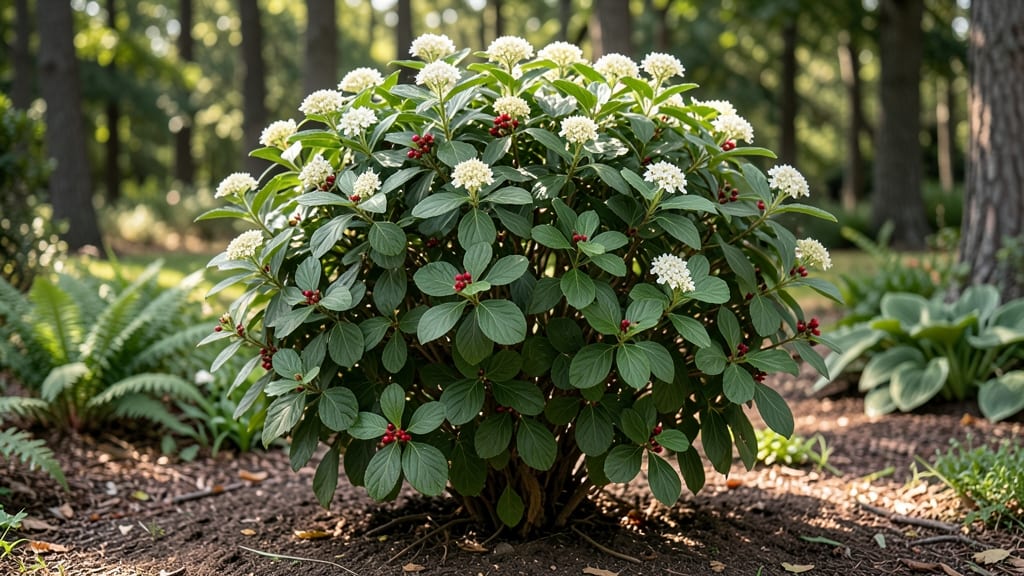
The care of leatherleaf viburnum is effortless—this tough shrub thrives where others falter, with its glossy, year-round foliage making it the unsung hero of shade gardens. 🌿 I’ve grown mine through three winters without browning leaves, and the secret lies in its adaptability to partial shade and moist soil.
Unlike fussy shrubs, this one handles neglect while still delivering that rich, deep-green color even when others fade. The real magic happens with minimal effort: water consistently the first year to establish roots, then let nature take over.
It tolerates clay soil better than most shrubs, and deer leave it alone—unlike my prized hostas. Prune only to shape, never to rejuvenate, since it blooms on old wood. That means one trim per year in late winter keeps it looking effortless.
By summer, you’ll get clusters of tiny white flowers that hummingbirds adore, followed by red berries that persist into winter. The foliage stays velvety and vibrant even after frost, making it the perfect backdrop for spring bulbs.
Plant it where you want to see green all year, and it’ll repay you with decades of low-maintenance beauty. Works in zones 3-8, from city sidewalks to woodland edges. Here’s how to keep yours thriving without the fuss—because the best shrubs should feel like they’re taking care of themselves.
📚 In This Guide
- What you need
- Instructions
- Tips and common mistakes
- Wrapping up and next steps
What you need
- ● Leatherleaf viburnum plant(s): 1-3 nursery-grown specimens (choose 3–6 ft tall for mature size).
- ● Well-draining soil: Native soil amended with 3–4 inches of compost or organic matter (e.g., aged manure, leaf mold).
- ● Mulch: 2–3 inches of wood chips, pine straw, or shredded bark (keep 6 inches away from the trunk).
- ● Watering can or hose with a gentle spray nozzle.
- ● Pruning shears: Bypass pruners (sharp and clean) for shaping and maintenance.
- ● Gloves: Heavy-duty gardening gloves to protect hands from thorns.
- ○ Stakes (optional but helpful): 3–4 wooden or metal stakes (for young plants in windy areas).
- ● Slow-release fertilizer: Balanced 10-10-10 or organic options like fish emulsion (apply in early spring).
- ● Container or large pot: 15–20 gallon container with drainage holes (if growing in pots).
- ● Soil moisture meter: To monitor watering needs (especially in drought-prone areas).
- ● Fungicide (preventative): Copper-based or neem oil spray for fungal disease prevention.
- ● Edging tools: For clean garden bed borders around mature plants.
Step-by-Step instructions for planting and caring for leatherleaf viburnum
This cold-hardy shrub thrives with minimal fuss—just follow these simple steps for lush, glossy foliage year-round.
🪴 Step 1: Choose the Perfect Planting Spot
Leatherleaf viburnum loves partial shade to full sun, but it tolerates morning sun with afternoon shade in hotter climates. I always pick a spot with 4-6 hours of sunlight—this keeps the leaves vibrant without scorching. The soil should drain well but stay moist, so avoid low-lying areas where water pools after rain.
Check the site’s moisture by digging a 6-inch hole. If water sits at the bottom after 30 minutes, amend the soil with 2-3 inches of compost to improve drainage. The shrub’s glossy leaves will tell you if it’s happy—deep green and firm means ideal conditions.
🌱 Step 2: Plant at the Right Time and Depth
Spring or early fall are the best times to plant, when temperatures hover between 50-70°F. Dig a hole twice as wide as the root ball but no deeper—this prevents soil compaction around the roots. Gently loosen the roots if they’re circling tightly in the container.
Place the plant so the top of the root ball sits 1 inch below soil level. Backfill with native soil mixed with compost, tamping lightly as you go. Water deeply until moisture reaches 6 inches down—this settles the soil and eliminates air pockets. Mulch with 2-3 inches of shredded bark to retain moisture and protect roots.
💧 Step 3: Water Deeply and Establish a Routine
Water once a week for the first two months unless rain provides 1 inch of moisture. Leatherleaf viburnum is drought-tolerant once established, but young plants need consistent moisture. You’ll know it’s thirsty when the leaves curl slightly at the edges—that’s your cue to water.
After the first year, reduce watering to every 2-3 weeks unless the soil feels dry 2 inches below the surface. Overwatering causes yellowing leaves, so always check before watering—damp but not soggy is ideal. A drip irrigation system saves time and keeps moisture even.
☀️ Step 4: Prune for Shape and Health
Prune in late winter or early spring before new growth appears. Remove dead, crossing, or weak branches first—this improves airflow and prevents disease. Cut back overly long branches by ⅓ to encourage bushier growth. I use clean, sharp pruners to make cuts just above a leaf node.
Shape the shrub by thinning out the center to let light reach inner branches. Leatherleaf viburnum blooms in late spring, so avoid heavy pruning then—it’s best to wait until after flowering. A well-pruned plant will have compact, layered branches with glossy leaves all season.
✂️ Step 5: Maintain for Long-Term Beauty
Fertilize once a year in early spring with a balanced 10-10-10 formula. Spread ½ cup around the base and water it in. Avoid high-nitrogen fertilizers—they promote leaf growth at the expense of flowers. Watch for yellowing leaves or stunted growth, which means it’s time to feed.
Monitor for pests like scale or spider mites, which love the shrub’s glossy leaves. Spray with neem oil if you spot webbing or sticky residue. With minimal care, your leatherleaf viburnum will reward you with year-round interest, from spring blooms to winter structure. That’s the beauty of a low-maintenance shrub!
Tips & tricks for perfect leatherleaf viburnum care
These simple strategies will help your leatherleaf viburnum thrive with minimal effort—once you know the secrets!
Sunlight Strategy: While 4-6 hours of sunlight works perfectly, I’ve found that morning sun paired with afternoon shade in hot climates actually preserves those gorgeous glossy leaves longer. The key is avoiding the intense midday sun that can scorch the foliage. If you notice leaves curling or browning at the edges, it’s your plant’s way of saying "move me to a shadier spot."
Soil Test Tip: That 30-minute water test in Step 1 is your secret weapon for perfect drainage. If water disappears completely within 30 minutes, your soil drains beautifully. But if it still sits after an hour, mix in more compost—this shrub hates soggy roots. I like to do this test in both spring and fall to adjust as needed. The goal is soil that feels like a well-wrung sponge: damp but not dripping.
Planting Depth Secret: The 1-inch below soil level rule might seem small, but it makes a huge difference. When planted too high, roots can dry out; too low, and they’ll suffocate. I always make a small mound of soil in the hole first, then place the root ball on top before backfilling. This ensures perfect positioning every time. Think of it like setting up a plant stool—just right!
Watering Wisdom: The once-a-week rule works for most climates, but I’ve learned to adjust based on leaf texture. If the edges curl slightly when you touch them in the morning, that’s your plant’s thirst signal. In summer, I water every 5 days instead of weekly. And here’s a pro move: water in the morning so leaves dry quickly—this prevents fungal issues that can dull that beautiful gloss.
Pro Tips for Leatherleaf Viburnum Care
- These simple strategies will help your leatherleaf viburnum thrive with minimal effort—once you know the secrets!
- Sunlight Strategy: While 4-6 hours of sunlight works perfectly, I’ve found that morning sun paired with afternoon sha...
- Soil Test Tip: That 30-minute water test in Step 1 is your secret weapon for perfect drainage. If water disappears co...
Frequently asked questions
Got questions about keeping your leatherleaf viburnum thriving?
Here are answers to the most common ones—from pruning to pests and beyond!
How fast does leatherleaf viburnum grow, and how big does it get?
Leatherleaf viburnum grows at a moderate pace, adding about 12–24 inches per year. Mature shrubs typically reach 6–10 feet tall and wide, making them perfect for hedges or focal points. In ideal conditions, they can live for decades with minimal care!
Is leatherleaf viburnum truly cold-hardy? What zones does it tolerate?
This shrub thrives in USDA Hardiness Zones 3–8, meaning it can handle winter temps down to -40°F. Just ensure it’s planted in well-draining soil to prevent root rot in soggy climates. A mulch layer in winter adds extra frost protection!
When and how should I prune leatherleaf viburnum for best results?
Prune in late winter or early spring (before new growth starts) to shape the shrub and remove dead wood. Avoid heavy pruning in fall, as it can stimulate tender new growth that won’t survive winter. Use clean, sharp shears to make cuts just above a bud or branch collar.
What pests or diseases commonly affect leatherleaf viburnum, and how do I treat them?
Watch for aphids, scale insects, or spider mites (look for sticky residue or yellowing leaves). Treat with neem oil or insecticidal soap. Fungal issues like powdery mildew may appear in humid conditions—improve airflow and apply fungicide if needed. Keep the base dry to prevent root rot.
Can I grow leatherleaf viburnum in containers? What’s the best setup?
Yes! Choose a large container (at least 24 inches wide) with drainage holes and use well-draining potting mix. Leatherleaf viburnum needs regular watering in containers since they dry out faster. Move pots to partial shade in hot climates to prevent leaf scorch. Repot every 2–3 years for fresh soil.
Does leatherleaf viburnum have flowers or berries? If so, what do they look like?
It produces fragrant, white flower clusters in late spring (May–June), followed by red berries that birds love! While not as showy as some viburnums, the glossy foliage steals the show year-round. The berries are not edible for humans, so leave them for wildlife!
Wrapping up and next steps
Caring for your leatherleaf viburnum is a rewarding journey—this cold-hardy beauty thrives with just a little attention to its sunlight, soil, and seasonal needs.
Whether you’re pruning for shape, protecting it from pests, or simply admiring its glossy, evergreen foliage, you’re ensuring years of lush greenery and seasonal interest. 🌿
Now that you’re armed with the know-how, roll up your sleeves and give your viburnum the love it deserves! Ready to take the next step? Check out our planting tips or explore how to pair it with other shrubs for a stunning landscape.
Your garden’s star is waiting—let’s make it shine! ✨