
Pests and Diseases
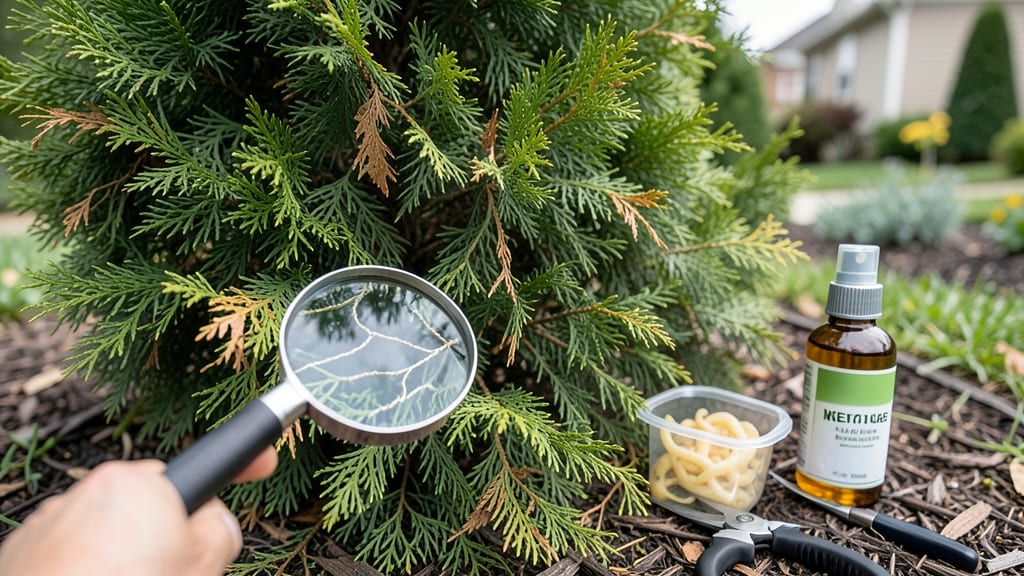
Seeing those telltale squiggly trails on your arborvitae leaves? 🌿 That's leaf miners—tiny pests that chew through foliage, turning vibrant green into skeletal brown. I've battled these guys for years, and I know how quickly they can deflate even the hardiest evergreen.
The good news? With the right approach, you can revive your arborvitae and stop the damage in its tracks.
These pests thrive when arborvitae are stressed—whether from drought, poor soil, or overcrowding. The serpentine mines and black frass (insect poop) are dead giveaways, but the real damage happens when the tree weakens.
Most gardeners panic and reach for harsh chemicals first, but the most effective solutions start with simple, non-toxic fixes that actually work. Think pruning, sanitation, and targeted treatments that don't harm beneficial insects.
Here's the game-changer: a 3-step rescue plan that combines immediate damage control with long-term prevention. First, we remove the worst infested foliage to break the life cycle. Then, we treat the tree with a neem oil spray or insecticidal soap—safe, effective, and ready to use in just 10 minutes.
Finally, we reinforce the tree's health with proper watering and mulching to make it less appealing to future pests. Your arborvitae can bounce back faster than you think.
Even if your tree looks bad now, don't give up. With the right timing and care, you'll see fresh, vibrant green growth pushing through within weeks. The key is acting fast—once the mines spread to new branches, the battle gets harder.
Let's get your arborvitae back to its full, lush glory before winter sets in.
The Hidden Triggers Behind Foliage Damage
Arborvitae trees may look sturdy and resilient, but their delicate leaves are prime targets for leaf miners—tiny, relentless pests that turn vibrant green foliage into a skeleton of white, lace-like veins.
Understanding the why behind these attacks is the first step to stopping them. Below, we break down the key factors that turn your arborvitae into a leaf miner buffet.
Leaf miners don’t just appear out of nowhere—they thrive when your arborvitae is already stressed. A weakened tree is like an open invitation for these pests. Here’s what makes your tree vulnerable:
- Nutrient Deficiencies: Arborvitae need consistent access to nitrogen, phosphorus, and potassium. When soil lacks these nutrients, leaves become less tough and more appealing to miners. Look for yellowing or stunted growth—classic signs of malnutrition.
- Poor Watering Practices: Both drought stress and overwatering create ideal conditions for miners. Dry soil weakens leaves, while soggy roots invite fungal infections that further stress the tree. Aim for 1–1.5 inches of water per week, adjusting for your climate.
- Competition for Resources: Overcrowded plantings or aggressive weeds steal nutrients and water from your arborvitae. When roots can’t absorb enough, the tree’s immune system falters. Prune nearby plants and mulch to reduce competition.
💡 Pro Tip: Conduct a simple soil test to check pH and nutrient levels. Arborvitae prefer slightly acidic soil (pH 6.0–7.0). Amending soil with compost or a balanced fertilizer can restore vitality.
Leaf miners aren’t picky—they’ll infest any arborvitae that offers the perfect conditions. These pests love:
- Warm, Sheltered Microclimates: Miners thrive in areas with mild winters and hot summers. If your arborvitae is planted near a south-facing wall, dense shrubs, or under eaves, it creates a cozy, protected space where larvae can survive year-round. Think of it as their personal climate-controlled nursery.
- High Humidity: Moisture-loving miners lay eggs on tender new growth, which is often softer and more susceptible. Overhead watering (especially in the evening) can prolong leaf dampness, making it easier for eggs to hatch. Water at the base early in the day to let foliage dry quickly.
- Dense Foliage: Arborvitae with thick, lush branches provide perfect hiding spots for adult flies to lay eggs. Pruning to improve airflow can disrupt their life cycle. Thin out crowded branches to reduce hiding places.
🌡️ Did You Know? Leaf miners are most active when daytime temperatures hover between 70–85°F (21–29°C). If you notice damage peaking in late spring or early summer, you’re likely dealing with an active infestation during their prime season.
Leaf miners have a biological edge: their life cycle is perfectly timed to exploit arborvitae’s growth patterns. Here’s how they stay one step ahead:
| Stage | What Happens | Why It’s Effective |
|---|---|---|
| 🥚 Egg Laying | Adult flies (often Phytomyza or Eutreta species) deposit eggs on the underside of leaves in spring. | New growth is soft and nutrient-rich—perfect for hatching larvae. |
| 🐛 Larval Feeding | Larvae burrow into leaves, creating serpentine mines as they feed on chlorophyll. | By the time you notice white trails, the damage is already done for the season. |
| 🌱 Pupation & Emergence | Larvae drop to the soil, pupate, and emerge as adults in 2–4 weeks, ready to repeat the cycle. | They overwinter in the soil, ensuring a fresh wave of miners every year. |
✨ Key Insight: Breaking any one stage of this cycle—such as removing pupae from the soil or disrupting egg-laying with reflective mulch—can significantly reduce infestations.
Sometimes, well-meaning gardening practices accidentally invite leaf miners. Common culprits include:
- Over-Pruning: While pruning improves airflow, aggressive trimming can stress the tree, making it more susceptible to pests. Always remove no more than 25% of the foliage in one season.
- Ignoring Early Signs: Small, isolated mines are easy to miss. By the time you notice widespread damage, the miners have already completed multiple generations. Inspect leaves regularly, especially on the undersides.
- Using Infested Plant Debris as Mulch: Fallen leaves or pruned branches with mines can harbor larvae. Always dispose of heavily infested material in sealed bags.
🎯 Actionable Fix: If you suspect miners are spreading via soil or mulch, treat the area with beneficial nematodes (like Steinernema carpocapsae) to target pupating larvae.
Quick Fixes for Saving Your Arborvitae
Arborvitae trees are resilient, but leaf miners can turn their lush green needles into a sad, skeletal mess if left unchecked. The good news? With the right approach, you can reverse the damage and restore your tree’s health.
Below, we’ve mapped out practical solutions based on the root cause—whether it’s early infestation, severe damage, or prevention for next season. Let’s get your arborvitae back to thriving!
If the problem is already visible, act fast to stop the spread. Leaf miners thrive in weakened, crowded branches, so pruning is your first line of defense.
🍳 How to Prune Correctly
- Identify the worst branches – Look for yellowing, browning, or "window-pane" patterns (tiny white trails where larvae feed).
- Use clean, sharp pruners – Disinfect them with rubbing alcohol to avoid spreading pests.
- Trim 6–12 inches beyond the damage – Leaf miners often hide deeper than you think. Cutting back further ensures you remove eggs and larvae.
- Bag and dispose of clippings – Do not compost them! Seal them in a plastic bag and throw them away to prevent reinfestation.
⏰ Best Time to Prune
- Early spring (before larvae hatch) or late fall (after adults die off) are ideal.
- Avoid pruning in summer, when miners are most active.
💡 Pro Tip: If your tree is heavily infested, consider shearing (lightly trimming) the entire tree to reduce hiding spots. Just don’t overdo it—arborvitae prefer a natural shape!
If you’ve spotted new frass (sawdust-like droppings) or active larvae, you’ll need a stronger approach. Here’s how to smother and suffocate these pests without harming your tree.
🥘 Organic Sprays (Safe & Effective)
| Method | How to Apply | When to Use |
|---|---|---|
| Neem oil spray | Mix 1 tbsp neem oil + 1 tsp mild soap in 1 quart water. Spray thoroughly (top and bottom of needles). | Late evening (avoids burning foliage). Repeat every 7–10 days for 3 weeks. |
| Insecticidal soap | Spray directly on frass trails and new growth. Reapply after rain. | Early morning or late evening (when pests are active). |
| Kaolin clay (Surround WP) | Mix with water and spray as a protective barrier. | Before larvae hatch (spring) or after pruning. |
🔪 Chemical Options (Last Resort)
If organic methods fail, pyrethrin-based sprays (like Bt [Bacillus thuringiensis]) can work—but read labels carefully.
These are less toxic than synthetic pesticides but still require proper timing: - Apply at dusk when bees and beneficial insects are less active. - Reapply after rain (it washes off quickly).
⚠️ Warning: Avoid malathion or sevin—they can kill beneficial insects and harm your arborvitae over time.
The best way to keep leaf miners away is to break their life cycle before they start. Here’s how to future-proof your arborvitae:
🎯 Cultural Controls (No Chemicals Needed)
- Improve airflow – Thin out overgrown branches to reduce humidity (leaf miners love damp, shaded areas).
- Water deeply but less often – Overwatering stresses trees, making them more susceptible.
Aim for 1–1.5 inches per week (including rain). - Mulch properly – Use 2–3 inches of organic mulch (wood chips, pine straw) but keep it 6 inches away from the trunk to prevent rot. - Encourage natural predators – Ladybugs, lacewings, and parasitic wasps eat leaf miner larvae.
Plant dill, fennel, or marigolds nearby to attract them.
✨ Seasonal Checklist
| Season | Action |
|---|---|
| Early Spring | Prune damaged branches before larvae emerge. Apply kaolin clay as a barrier. |
| Summer | Monitor weekly for new frass. Spray neem oil if you spot early signs. |
| Fall | Rake up and dispose of fallen needles (larvae pupate in leaf litter). |
| Winter | Inspect dormant trees for egg clusters (tiny white specks on needles). |
If your arborvitae is over 50% damaged, young, or a rare variety, consider hiring an arborist for:
- Heavy pruning (some trees need structural support after trimming).
- Targeted pesticide applications (if DIY methods fail).
- Soil testing (poor nutrition weakens trees, making them pest magnets).
Final Thought: Leaf miners are a nuisance, not a death sentence. With pruning, smart sprays, and prevention, your arborvitae can bounce back—greener and stronger than ever. Start today, and by next spring, you’ll be admiring those vibrant, healthy needles again! 🌿💚
Frequently asked questions
What do leaf miner trails look like on arborvitae?
Leaf miner damage appears as white, winding trails between leaf veins, resembling tiny tunnels. Look closely—you'll also spot black frass (insect poop) along the trails. In severe cases, entire sections of leaves turn brown and crispy, leaving a skeleton-like pattern.
Can I save my arborvitae if it's already heavily damaged?
Yes! Even severely infested trees can recover with aggressive pruning and targeted treatments. Start by removing all heavily damaged branches (6-12 inches beyond visible mines), then apply neem oil spray every 7 days for 3 weeks. Focus on improving soil health with compost—weak trees attract more pests.
Are there natural predators that eat leaf miners?
Ladybugs, lacewings, and parasitic wasps all prey on leaf miner larvae. Plant dill, fennel, or marigolds nearby to attract these beneficial insects. You can also purchase ladybug larvae from garden centers and release them near your arborvitae during spring.
How often should I check my arborvitae for leaf miners?
Inspect your tree every 2 weeks during growing season (spring-fall). Pay special attention to new growth and leaf undersides where eggs are laid. Early detection is key—catching miners before they create extensive tunnels prevents major damage.
Will leaf miner damage kill my arborvitae?
While severe infestations can weaken your tree, leaf miners rarely kill mature arborvitae. The real danger comes from secondary infections or nutritional stress caused by the damage. With proper care—pruning, treatment, and soil improvement—your tree will regrow healthy foliage within a season.