
Pests and Diseases
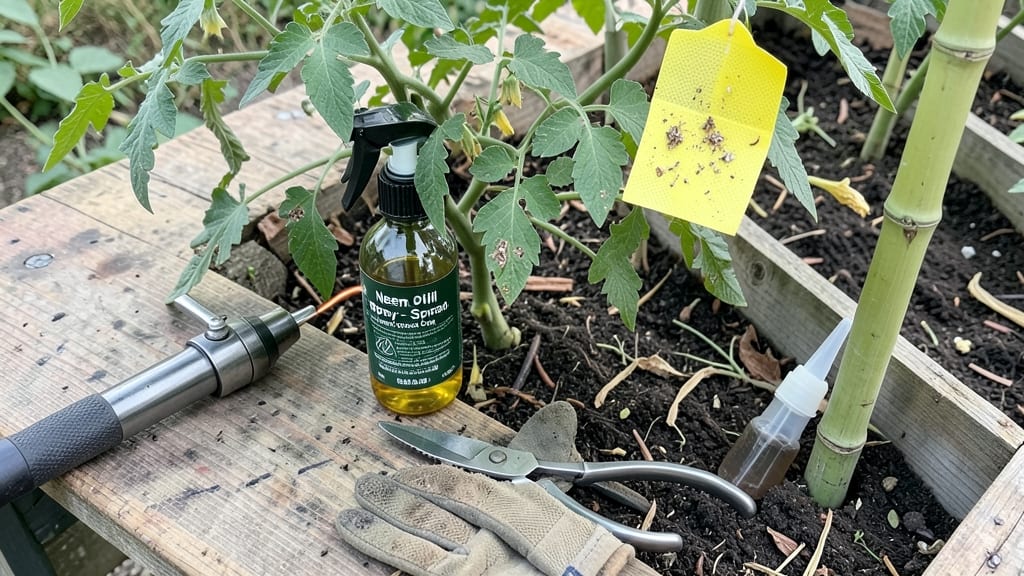
Your basil and beet greens are turning into skeleton leaves overnight—but with this organic leaf miner control, you can stop the damage in its tracks. 🌿 The moment you spot those telltale serpentine trails, you need a spray barrier that suffocates leaf miners within 48 hours, no harsh chemicals needed.
I’ve battled these pests for years, and the key is acting fast. A simple mix of neem oil, insecticidal soap, and a little dish soap creates a suffocating film that smothers eggs and larvae before they hatch. The best part?
It’s safe for pollinators once dry and won’t harm your plants if applied correctly. By morning, you’ll see fresh, undamaged leaves emerging. The barrier also deters future infestations, so your plants stay lush and productive. No more wilting, no more pupal cases—just healthy growth.
Works on tomatoes, peppers, and herbs too. Here’s exactly how to mix and apply it for maximum impact.
The Hidden Triggers Behind Leaf Miners
Leaf miners aren’t just random pests—they’re highly specific insects with clear motivations for turning your plants into their personal buffet. Understanding why they strike is the first step to outsmarting them. Let’s break down the science behind their behavior, so you can stop guessing and start acting.
---
Leaf miners aren’t actually "miners" in the traditional sense—they’re the larval stage of flies (like Phytomyza spp.) or moths (such as Liriomyza spp.). These larvae hatch from eggs laid on the upper surface of leaves, then chew their way between the leaf layers, creating serpentine tunnels. Why?
Because: - Soft, tender plant tissue is their ideal food source—young leaves are especially vulnerable. - Moisture and warmth speed up their growth, making spring and summer their peak activity seasons. - Lack of natural predators (like parasitic wasps or birds) in early plant growth means they face little resistance.
Pro tip: 🔍 Check the underside of leaves—tiny white eggs or tiny black frass (larval poop) are dead giveaways before tunnels appear.
---
Leaf miners target stressed plants like vultures at a buffet. When your plants are struggling, they become easier prey.
Common stress factors include: - Overwatering or poor drainage → Soft, waterlogged leaves are a larval dream. - Nutrient deficiencies (especially nitrogen or potassium) → Weak tissue can’t fight off invaders. - Physical damage (from hail, wind, or improper pruning) → Open wounds attract egg-laying adults. - Crowded or shaded foliage → Dense growth traps humidity, creating a larval paradise.
Science alert: 🌡️ Studies show leaf miners prefer plants with high sugar content—stressed plants often produce more sugars as a survival mechanism, making them even more appealing.
--- Leaf miners don’t strike randomly—they follow a predictable life cycle tied to temperature and plant growth: - Spring kickoff (40–60°F): Adult flies emerge, mate, and lay eggs on new growth. - Summer surge (60–85°F): Larvae hatch, tunnel through leaves, and pupate in soil or plant debris. - Fall slowdown (<50°F): Activity drops as larvae seek shelter to overwinter.
Key insight: 📅 Early detection is critical—larvae take 7–14 days to mature, so spotting them early (before tunnels spread) gives you the upper hand.
--- Not all plants are equally at risk—leaf miners favor specific climates and host plants: - Warm, humid regions (like the Southeast U.S.) see year-round activity due to mild winters. - Dry climates may have outbreaks after sudden rain, which triggers egg-laying. - Certain plant families are magnets: - Tomatoes, peppers, and eggplants (Solanaceae) are top targets. - Beets, spinach, and brassicas (like kale) are also high-risk. - Fruit trees (especially apples and cherries) attract Liriomyza moth larvae.
Regional tip: 🗺️ If you’re in a cooler zone, watch for delayed outbreaks—larvae may wait for warmer spells to hatch.
--- Sometimes, we accidentally invite leaf miners with our gardening practices: - Over-fertilizing with nitrogen → Leads to soft, fast-growing leaves (larvae love them). - Ignoring fallen leaves/debris → Pupae hide here, ready to re-emerge next season. - Using broad-spectrum pesticides → Kills natural predators (like ladybugs or lacewings) that keep miners in check. - Planting susceptible varieties in high-risk areas → Some heirloom tomatoes, for example, are more attractive than hybrids.
Fix it fast: ✂️ Remove and destroy infested leaves immediately—don’t compost them!
Quick Fixes for Leaf Miner Damage
Leaf miners can turn your lush green plants into a skeleton of suffering—and fast. But don’t panic! With the right approach, you can stop the damage in its tracks and protect your garden naturally.
Below, we’ll break down cause-specific solutions to tackle leaf miners effectively, from immediate fixes to long-term prevention.
---
If you’ve already spotted serpentine tunnels or blotchy damage, the larvae are likely inside the leaves. Here’s how to smother them before they pupate:
#### 🍳 Step 1: Apply a Homemade Spray Barrier (Works in 48 Hours) Mix 1 tsp of dish soap + 1 tsp of horticultural oil + 1 quart of water in a spray bottle.
Shake well and apply directly to the undersides of leaves (where larvae hide). The soap disrupts their breathing, while the oil suffocates them.
✅ Pro Tip: Spray early morning or late evening to avoid harming bees. Reapply every 3–5 days until new growth appears.
#### 👨🍳 Step 2: Hand-Pick Severe Infestations For badly damaged leaves, wear gloves and strip them off (compost them far from your garden). If the infestation is heavy, prune entire branches to prevent spread.
⚠️ Warning: Avoid burning infected leaves—larvae can survive in ash!
#### 🥘 Step 3: Introduce Beneficial Predators Ladybugs, lacewings, and parasitic wasps (like Diglyphus isaea) love eating leaf miner larvae. Buy them online or attract them with neem oil sprays (which repel pests but not predators).
---
Once you’ve killed the current larvae, keep them from returning with these preventive barriers:
#### 💡 Step 1: Use Floating Row Covers Cover new seedlings or vulnerable plants with fine mesh row covers (like Agribon). These block adult flies from laying eggs while allowing pollinators to pass through.
🔹 Best for: Tomatoes, peppers, beans, and brassicas (leaf miners love these).
#### 🌡️ Step 2: Mulch & Soil Health Healthy plants resist pests better. Spread 2–3 inches of organic mulch (straw, wood chips) to: - Reduce soil-borne fungus (which weakens plants). - Keep moisture even, deterring adult flies that seek dry, stressed leaves.
💪 Bonus: Add compost or worm castings to boost plant immunity.
#### 🎯 Step 3: Trap Crops & Early Monitoring Plant a sacrificial trap crop (like nasturtiums or radishes) near high-risk plants. Leaf miners will infest these first, giving you time to remove and destroy them before they spread.
🔍 Check leaves weekly—early detection = easier control.
#### ✨ Step 4: Kaolin Clay Barrier (Non-Toxic Shield) Mix kaolin clay (Surround WP) with water and spray on leaves. It creates a physical barrier that repels adult flies and disrupts egg-laying.
🌱 Works on: Vegetables, ornamentals, and fruit trees.
--- - ❌ Overwatering: Wet leaves attract adult flies. Water at the base in the morning. - ❌ Ignoring New Growth: Leaf miners target tender new leaves—inspect regularly. - ❌ Using Chemical Sprays Late in Season: Some pesticides kill predators that help control miners long-term.
--- | Action | Frequency | Why It Works | |--------------------------|------------------------|-------------------------------------------| | Spray soap-oil mix | Every 3–5 days | Suffocates larvae on contact | | Hand-pick damaged leaves | As needed | Removes food source for larvae | | Use row covers | Early season | Blocks adult flies from laying eggs | | Apply kaolin clay | Every 7–10 days | Repels flies without harming plants | | Monitor weekly | All growing season | Catches infestations before they spread |
--- By combining immediate action with long-term prevention, you’ll keep leaf miners from ruining your garden—naturally and effectively. 🌱💚
Frequently asked questions
What are the first signs of a leaf miner infestation?
Look for serpentine trails (wavy brown lines) inside leaves or tiny black frass (larval droppings) on the leaf surface. Early signs also include wilting or yellowing between leaf veins. Check the underside of leaves first—adult flies lay eggs there.
Can I use neem oil to stop leaf miners?
Yes! Neem oil disrupts larval feeding and repels adult flies when applied as a spray barrier. Mix 1 tbsp neem oil + 1 tsp dish soap per quart of water, shake well, and spray both leaf surfaces. Reapply every 5–7 days—it’s safest for pollinators once dry.
How do I know if my plants are stressed enough to attract leaf miners?
Stressed plants show yellowing leaves, stunted growth, or soft, waterlogged soil. Leaf miners target plants with high sugar content (common in overwatered or nutrient-deficient plants). Fix drainage issues, avoid over-fertilizing with nitrogen, and ensure 6–8 hours of sunlight daily.
Will row covers prevent leaf miners from attacking my plants?
Fine mesh row covers (like Agribon) block adult flies from laying eggs while allowing pollination. Install them early in the season over vulnerable plants (tomatoes, peppers, brassicas). Secure edges tightly—even 1/8-inch gaps can let flies slip through. Remove covers when flowers appear if hand-pollinating.