
Pests and Diseases
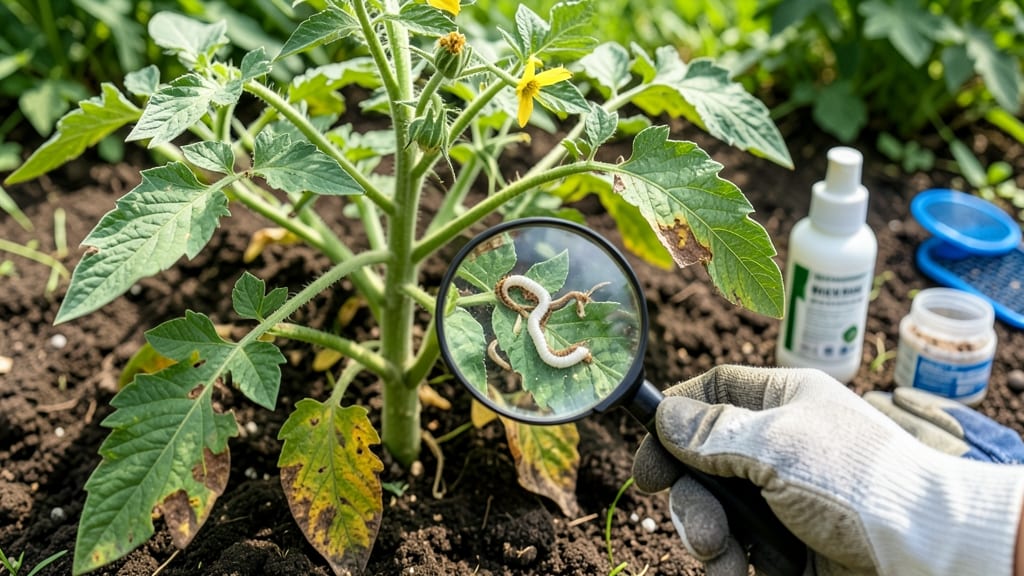
Those serpentine trails in your tomato leaves aren’t just ugly—they’re controlling leaf miners eating your plants alive. 🌱 I've battled these pests in my garden for years, and I've learned the organic spray protocol that actually works to rescue stunted growth before the damage spreads.
The key is acting fast: remove heavily infested leaves immediately, then apply a neem oil spray every 5-7 days until new growth appears. This disrupts their life cycle without harming your plants or pollinators. I've seen basil and beet leaves recover completely within 2-3 weeks of consistent treatment.
What you'll end up with is healthier foliage, stronger stems, and plants that bounce back from what would have been a devastating infestation. The secret weapon? Combining neem oil with parasitic wasp releases for long-term prevention. Works for tomatoes, basil, beets, and other susceptible plants.
Let's get those leaves clear and your garden thriving again!
Root Causes Of Leaf Miner Infestations
Leaf miners aren’t just random pests—they thrive because of specific conditions that make your plants irresistible to them. Understanding these triggers is the first step to stopping them before they cause serious damage. Here’s why these tiny, destructive larvae show up in your garden or indoor plants.
Leaf miners, particularly those from species like Liriomyza trifolii or Phytomyza syngenesiae, target plants that are already under stress. When plants are weakened—whether from poor nutrition, overcrowding, or disease—they become easier prey. Here’s how it breaks down:
- Nutrient Deficiencies: Plants lacking nitrogen, phosphorus, or micronutrients like magnesium produce thinner, less resilient leaves—perfect for miners to burrow into. Think of it like a fortress with weak walls; the invaders just walk right in.
- Overwatering or Underwatering: Both extremes stress plants. Overwatered soil leads to root rot, while drought weakens cellular structure. Miners detect these signs and lay eggs on the most vulnerable foliage.
- Competition for Resources: Overcrowded plants compete for sunlight, water, and nutrients. The resulting stunted growth and yellowing leaves signal miners that the plant is struggling—and thus, an easy target.
Actionable Fix: Conduct a soil test to check nutrient levels and adjust fertilization. Space plants properly to improve air circulation and reduce stress.
Leaf miners don’t just appear out of nowhere—they’re drawn to environments that support their life cycle. These pests prefer:
| Factor | Why It Matters | Miners’ Sweet Spot |
|---|---|---|
| Temperature | Warmer temps speed up larval development. | 60–85°F (15–29°C) |
| Humidity | High humidity keeps eggs and larvae hydrated. | 50%+ moisture |
| Shelter | Dense foliage or greenhouses provide hiding spots. | Shady, enclosed spaces |
Actionable Fix: Monitor humidity levels (aim for 40–50%) and avoid overwatering. If growing in greenhouses, improve ventilation to disrupt their breeding cycle.
Not all plants are equal in the eyes of leaf miners. These pests have favorite hosts, often targeting:
- Tender, Succulent Leaves: Plants like basil, beans, tomatoes, and brassicas (e.g., kale, cabbage) have soft tissue that miners can easily penetrate. It’s like choosing a juicy steak over a tough cut of meat.
- Young Growth: New leaves and shoots are more vulnerable because their cells are still dividing rapidly, making them easier to infest.
- Specific Plant Families: Some miners specialize in certain families, such as:
- Liriomyza species: Beans, cucumbers, peppers
- Phytomyza species: Lettuce, spinach, celery
Actionable Fix: Rotate crops annually to break the miners’ life cycle. If you’re growing high-risk plants, use row covers or companion planting (e.g., marigolds repel some species).
Leaf miners are persistent. Once they’ve infested a plant, they leave behind:
- Eggs or Larvae in Soil: Many species overwinter in the soil or on plant debris. If you replant the same area without treatment, the cycle repeats.
- Pheromone Trails: Some miners release chemical signals that attract more of their kind. A single infestation can quickly become an outbreak.
- Damaged Leaves as a Magnet: Miners are drawn to plants already showing signs of feeding. This is why early intervention is critical.
Actionable Fix: Practice crop rotation and remove all plant debris at the end of the season. Solarize soil in late summer to kill overwintering larvae.
By addressing these root causes—stress, environment, plant choice, and past infestations—you’ll make your garden far less appealing to leaf miners. The key is proactive care, not just reactive sprays.
Quick Fixes for Leaf Miner Damage
Leaf miners can turn your thriving plants into a sad, skeleton-like mess—but don’t despair! The key is acting fast with targeted solutions. Below, we’ve mapped the most common causes of leaf miner infestations to practical fixes, from organic sprays to cultural tweaks.
Follow these steps to rescue your plants and prevent future outbreaks.
Cause: Larvae tunneling through leaves weaken plants and spread. Solution:
- 🔪 Snip and toss heavily damaged leaves (wear gloves—some larvae can irritate skin).
- 🌡️ Focus on new growth first, as miners target tender leaves.
- ✨ Pro tip: Drop infested leaves into soapy water to kill larvae before disposal.
Prevention: Regularly inspect the undersides of leaves (miners love hiding there!). Remove and destroy any leaves with serpentine trails or tiny white pupae.
Cause: Chemical resistance or preference for natural solutions. Solution: Use a 3-step organic spray combo for maximum effectiveness:
| Step | Spray | How to Apply | Frequency |
|---|---|---|---|
| 1 | Neem Oil | Mix 1 tbsp neem oil + 1 tsp mild soap in 1 quart water. Spray evenly on both leaf sides. | Every 5–7 days (rotating sprays) |
| 2 | Kaolin Clay (Surround WP) | Suspend 1–2 tbsp in water; coats leaves, deterring miners. | Weekly until infestation clears |
| 3 | Insecticidal Soap | 2 tbsp soap per gallon water; blast larvae directly. | Every 3–4 days (early stages) |
✨ Pro tip: Spray early morning or late evening to avoid harming beneficial insects like ladybugs.
Cause: Lack of natural predators in your garden. Solution:
- 🐞 Release parasitic wasps (Diglyphus isaea or Opius spp.), which lay eggs inside miner larvae.
- 🍎 Set up yellow sticky traps near plants to catch adult flies before they lay eggs.
- 🌿 Plant companion flowers like dill, fennel, or marigolds to attract predator insects.
Prevention: Avoid broad-spectrum pesticides that kill beneficial bugs. Instead, use targeted sprays (like the ones above).
Cause: Weak plants attract miners (they seek stressed hosts). Solution:
- 💧 Water deeply but less often to prevent fungal issues that stress plants.
- 🌱 Feed with compost tea or a balanced organic fertilizer (high nitrogen encourages tender growth miners love).
- 🪴 Prune for airflow—miners thrive in dense, humid foliage.
✨ Pro tip: Mulch with straw to deter adult flies from laying eggs in moist soil.
Cause: Adult flies easily access plants. Solution:
- 🛡️ Use fine mesh row covers (1/4-inch netting) over seedlings to block flies.
- 🍅 For tomatoes/peppers: Apply lightweight cheesecloth secured with clips.
- 🌿 For potted plants: Wrap pots in floating row cover until harvest.
Prevention: Install covers at first sign of adult flies (tiny black dots on leaves).
If miners have skeletonized entire leaves, try this last-resort combo:
- 🍳 Spray with hydrogen peroxide (3% solution) to suffocate larvae.
- 👨🍳 Follow with kaolin clay as a protective barrier.
- 🌿 Isolate the plant until new growth appears (miners won’t reinfest if you remove all leaves).
- 🔍 Inspect plants weekly (especially basil, beans, and brassicas—miner magnets!).
- 🌿 Rotate crops yearly to break the miner life cycle.
- 🚫 Avoid over-fertilizing with nitrogen (miners adore soft new leaves).
- 🌞 Grow in full sun—miners prefer shady, damp conditions.
Remember: Consistency is key! Leaf miners are persistent, but with diligence + these fixes, your plants will bounce back stronger. Start with removal + sprays, then reinforce with beneficial insects and barriers for long-term protection. 🌱💪
Frequently asked questions about leaf miner control
How do I know if my plants have leaf miners?
Check for serpentine tunnels inside leaves (they look like squiggly white trails) and tiny black dots on leaf surfaces—these are adult flies or larvae. Also watch for yellowing leaves or stunted growth, especially on plants like basil, beans, or tomatoes.
Can I use neem oil if I have beneficial insects in my garden?
Yes, but apply it early morning or late evening to minimize harm to ladybugs and bees. Use a 1% neem oil solution (1 tbsp per quart of water) and avoid spraying flowers directly where pollinators feed.
Will row covers work for mature plants?
Not for established plants—they’re designed for seedlings. For mature plants, use cheesecloth or fine mesh netting secured around stems instead. If you’re already seeing damage, focus on removal and sprays first.
How long does it take to see results after treatment?
With consistent neem oil sprays and leaf removal, you should see improvement in 2-3 weeks. For severe cases, combine sprays with parasitic wasps—they take 1-2 weeks to establish and start controlling larvae.
Are there any plants that leaf miners avoid?
Miners rarely target herbs like rosemary, thyme, or oregano or woody plants like lavender. They prefer tender-leaved plants, so interplant these with susceptible crops to disrupt infestations naturally.