
Pests and Diseases
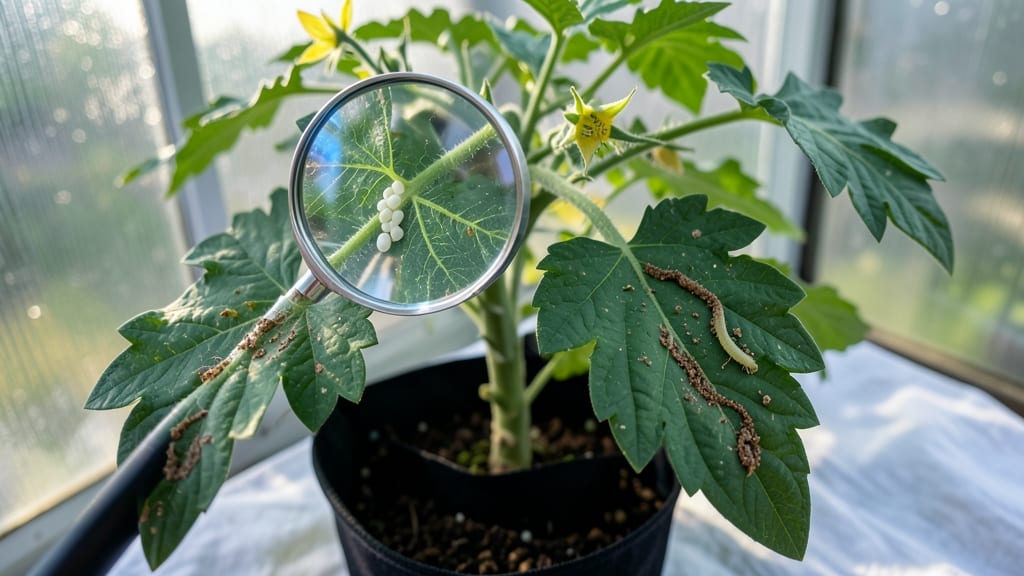
Leaf miner eggs are the silent garden saboteurs hiding on your plants' undersides. ✨ I learned the hard way when my basil leaves turned into lace—those tiny white specks are the eggs that start the destruction.
The damage isn't immediate, but by the time you see the telltale squiggly trails, it's too late for half your harvest.
These eggs look like tiny grains of rice or white specks along leaf veins—often on the underside where you least expect to look. Common hosts include basil, beans, beets, and brassicas, but they'll attack almost any tender leaf.
The real kicker? By the time you spot the mines (those winding tunnels), the larvae are already chewing through your plants from the inside out.
Here's the good news: you can stop them before they hatch. A strong spray of neem oil or insecticidal soap kills the eggs on contact, and hand-picking infested leaves gives you immediate control.
For long-term protection, row covers and beneficial wasps (like Diglyphus isaea) create a natural barrier that keeps miners away without chemicals.
The key is early detection—check undersides weekly during warm months, and remove any eggs you find. With consistent monitoring, you'll keep your plants thriving and those pesky miners out of your garden for good.
Root Causes Of Leaf Damage
Leaf miner infestations begin with tiny, nearly invisible eggs—but why do they appear in the first place? Understanding the triggers behind these pests helps you prevent future outbreaks. Here’s a breakdown of the key factors that turn your plants into prime real estate for leaf miners.
Leaf miners are the larvae of small flies (often Agromyzidae family) or moths. Adult females lay eggs on the underside of leaves, where they hatch into larvae that burrow into leaf tissue. These insects are attracted to:
- Healthy, lush foliage – Mature leaves with high moisture content provide ideal nourishment for developing larvae.
- Young, tender leaves – New growth is softer, making it easier for larvae to tunnel through.
- Specific plant preferences – Some species target tomatoes, peppers, beets, or herbs, while others prefer ornamental plants like roses or viburnum.
💡 Pro Tip: Monitor plants with broad, thin leaves—these are high-risk targets for egg-laying.
Leaf miners thrive in environments that mimic their natural habitats. Key climate factors include:
| Factor | Impact on Leaf Miners |
|---|---|
| Warm temperatures (60–85°F) | Accelerates egg hatching and larval growth. Cooler weather slows their lifecycle. |
| High humidity (60%+) | Keeps eggs moist, reducing desiccation and improving survival rates. |
| Rainfall or overhead watering | Washes eggs deeper into leaf tissue, making them harder to spot and remove. |
⚠️ Warning: Greenhouses and shaded gardens trap humidity, creating perfect breeding grounds.
Leaf miners exploit neglected gardens. Common hygiene-related causes include:
- Debris buildup – Old leaves, mulch, or plant waste harbor overwintering adults or pupae.
- Overcrowded plants – Limited airflow increases humidity and makes early detection harder.
- Lack of pruning – Damaged or diseased leaves attract egg-laying females.
🔥 Action Step: Clear fallen leaves and prune dead growth before spring planting to starve out hibernating pests.
Leaf miners don’t just appear—they hitchhike. Eggs and adults can travel via:
- Wind currents – Lightweight flies disperse eggs over short distances (up to 100 feet).
- Contaminated tools – Pruners or gloves carrying eggs from infested plants to healthy ones.
- Pollinators and birds – Some studies suggest bees or birds may unintentionally transport eggs on their bodies.
🚫 Prevention: Quarantine new plants for 2 weeks and disinfect tools with 70% isopropyl alcohol between uses.
How to Treat and Prevent Damage
Discovering leaf miner eggs on your plants can feel like a nightmare, but don’t panic—early action is your best defense! Below, we break down targeted solutions based on the root cause of the infestation, from natural remedies to long-term prevention.
These methods are gentle on your garden, effective, and easy to implement, even for beginners.
If you’ve caught the problem early, physically removing eggs and larvae can stop the cycle before it spreads.
- 🍳 Inspect leaves daily: Check the undersides of leaves (especially on tomato, pepper, and basil plants) for tiny white or yellow eggs. They’re often laid in clusters or along leaf veins.
- 👨🍳 Use a soft brush or damp cloth: Gently scrape off eggs with a soft-bristled brush or wipe them away with a damp microfiber cloth. Dispose of the debris in soapy water to kill any remaining eggs.
- ⏰ Best time to act: Early morning or late evening when pests are least active. Avoid doing this during peak sun hours to prevent stressing the plant.
Pro Tip: 💡 Wear gloves! Some leaf miners (like serpentine miners) can irritate skin. Double-check your work with a magnifying glass for missed spots.
Once larvae hatch, they’ll tunnel through leaves, causing irreversible damage. These sprays suffocate or disrupt their life cycle without harming your plants.
- 🥘 Neem oil spray: Mix 1 teaspoon neem oil + 1 teaspoon mild liquid soap + 1 quart of water. Spray both sides of leaves at dusk. Reapply every 5–7 days until no new mines appear.
- 🌡️ Horticultural oil: Apply a 2% horticultural oil (like JMS Stylet Oil) in the evening. It smothers larvae and eggs on contact. Avoid spraying if temps are above 90°F (32°C).
- 🎯 Kaolin clay: A natural barrier clay (like Surround WP) creates a protective film that deters adult flies from laying eggs. Reapply after rain.
Pro Tip: ✨ Rotate sprays! Pests can build resistance. Alternate between neem oil and insecticidal soap weekly for better results.
A healthy plant is less appealing to leaf miners. Boost defenses with these organic strategies:
- 💪 Improve soil health: Amend soil with compost or worm castings to enhance nutrient uptake. Leaf miners target stressed plants, so balanced fertility = fewer pests.
- 🍎 Prune for airflow: Thin out crowded foliage to reduce humidity and improve air circulation. Miners thrive in damp, shaded conditions.
- 📊 Companion planting: Interplant with basil, marigolds, or dill. These repel adult flies with their strong scents.
Pro Tip: 🔥 Mulch wisely! Use straw or wood chips instead of plastic. Organic mulch deters pests while retaining moisture.
Break the leaf miner life cycle with these proactive steps:
| Action | How to Do It | When to Use |
|---|---|---|
| 🌿 Yellow sticky traps | Place traps near plants to catch adult flies before they lay eggs. | Hang in spring and early summer (peak flight season). |
| 🌱 Crop rotation | Rotate susceptible plants (tomatoes, peppers) to new garden beds yearly. | Annual planning—avoid planting the same family in the same spot. |
| 🧼 Clean up debris | Remove fallen leaves and plant waste from the garden bed to eliminate hiding spots. | Fall and spring cleanup—especially after harvest. |
Pro Tip: 🎯 Monitor soil moisture! Overwatered plants attract miners. Water at the base (not overhead) to keep leaves dry.
With these steps, you’ll not only eliminate existing leaf miner eggs but also create a garden that’s naturally resistant to future infestations. Stay vigilant, and your plants will thrive pest-free! 🌿💚
Frequently asked questions about leaf miner eggs
How do I know if I'm seeing leaf miner eggs instead of just tiny white specks?
Leaf miner eggs appear as tiny, white or yellow specks (about 0.5mm wide) along leaf veins or undersides, often clustered. Use a magnifying glass to check for oval shapes—real eggs will look like tiny grains of rice, while sap spots or mites appear irregular. Look for them near midrib veins where adult flies prefer to lay eggs.
Can I use vinegar spray to kill leaf miner eggs?
No, vinegar spray isn't effective for leaf miner eggs—it can actually harm your plants. Use neem oil or insecticidal soap instead. Mix 1 teaspoon neem oil + 1 teaspoon mild soap + 1 quart water and spray undersides thoroughly. The key is contact—spray until leaves glisten.
What's the fastest way to stop an infestation before it spreads?
Combine physical removal with chemical prevention: 1) Hand-pick infested leaves (drop in soapy water) 2) Spray with horticultural oil at dusk (smothers eggs) 3) Install yellow sticky traps to catch adult flies Repeat every 3-5 days for 2 weeks to break the cycle. For severe cases, row covers provide instant protection.
Do leaf miner eggs survive winter in my garden?
Yes! Many leaf miner species overwinter as pupae in soil or plant debris. To prevent next year's infestation: - Remove all plant debris after harvest - Till soil in fall to expose pupae to cold - Use compost heat (pile debris in black bags for 3 months to kill pupae) - Plant marigolds in fall—they deter adult flies.
Will my tomato plants recover if I treat leaf miner eggs early?
Yes! If you catch eggs before larvae hatch, your plants can fully recover. Remove all infested leaves immediately and apply kaolin clay as a protective barrier. For existing mines, prune only the damaged sections (never more than 25% of foliage) to maintain plant health. Young plants rebound faster than mature ones.