
Propagation
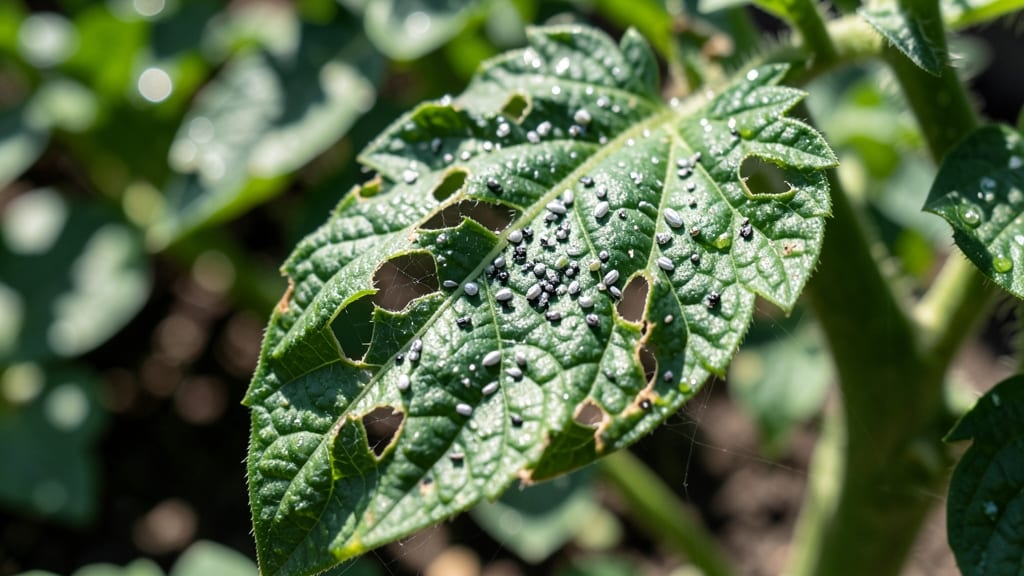
Leaf damage from insects can turn your thriving plants into skeleton leaves overnight—but there’s a quick fix that works every time. 🌿 I’ve seen caterpillars strip a tomato plant bare in a single night, and aphids turn basil leaves sticky and curled.
The good news? Most damage is reversible with the right approach, and you don’t need harsh chemicals to save your garden.
These pests thrive when plants are stressed—whether from drought, overcrowding, or poor soil. That’s why the first step isn’t spraying; it’s checking for hidden signs: tiny holes, chewed edges, or webbing between leaves.
Once you spot the damage, you can match it to the culprit (aphids cluster on undersides, beetles leave jagged bites, and caterpillars are the obvious leaf-munchers).
You’ll see recovery within days of targeted action—whether it’s a blast of water for aphids, handpicking caterpillars, or introducing beneficial insects like ladybugs. The key is acting fast, but the results are worth it: lush, healthy foliage that bounces back stronger than before.
Works for veggies, flowers, and houseplants alike—no matter how severe the damage looks at first. Let’s get those leaves back to their best in no time.
Root Causes of Leaf Damage
Understanding why insects attack and damage leaves is the first step toward protecting your plants.
These tiny troublemakers don’t just strike randomly—they’re drawn by specific conditions that make your plants look like an all-you-can-eat buffet. 🍽️ Let’s break down the science behind their behavior and how your garden might be unknowingly inviting them over.
Plants, like humans, have natural defenses, but when they’re stressed, those defenses weaken. Insects like aphids, spider mites, and caterpillars zero in on plants that are already struggling. Here’s why this happens:
- Nutrient Deficiencies: If your plant isn’t getting enough nitrogen, phosphorus, or potassium, it can’t produce strong leaves or toxic compounds to deter pests.
Think of it like a person with a vitamin deficiency—they’re more susceptible to illness. Signs: Yellowing leaves, stunted growth, or leaves that feel soft or mushy. - Overwatering or Underwatering: Both extremes stress plants.
Overwatering drowns roots and creates fungal issues (which attract sap-sucking insects), while underwatering causes drought stress, making leaves crispy and inviting for chewing insects like grasshoppers. - Disease or Fungal Infections: Fungal spores or bacterial infections (like powdery mildew or bacterial leaf spot) create entry points for insects.
For example, whiteflies love to lay eggs on plants already weakened by fungal growth.
Pro Tip: 💡 Conduct a quick soil test and check leaf health regularly. Healthy soil = healthier plants = fewer pest problems!
Not all plants are equally appealing to insects—some are like neon signs screaming, “Eat me!” Here’s what makes a plant a magnet for leaf munchers:
- Soft, Tender Leaves: Insects like slugs, snails, and caterpillars prefer plants with delicate foliage, such as young seedlings, basil, or lettuce. Why? Their leaves are easy to chew and digest. - High-Sugar Content: Plants that produce lots of nectar or sweet sap (like roses, fruit trees, or hibiscus) attract aphids, mealybugs, and scale insects.
These pests are drawn to the sugary feast. - Monoculture Plantings: Growing the same type of plant in large groups (e.g., a whole row of tomatoes) creates a feast for insects. Diversity confuses them and makes it harder for them to find and colonize your garden.
Pro Tip: ✨ Interplant flowers like marigolds, nasturtiums, or basil near vulnerable plants. These act as “trap crops” or repel pests naturally.
Insects are picky—they thrive in specific temperatures, humidity levels, and shelter. If your garden matches their preferred conditions, they’ll stick around like uninvited guests at a party.
- Warm Temperatures: Most leaf-eating insects (like beetles, caterpillars, and Japanese beetles) are cold-blooded and become more active in warm weather (60–85°F). Peak damage? Late spring to early fall. - High Humidity: Soft-bodied insects like spider mites and whiteflies love humidity because it keeps them hydrated and helps their eggs survive.
Dry conditions slow them down, but too much moisture can also attract fungal-loving pests like slugs. - Sheltered Spots: Dense foliage, mulch piles, or overgrown weeds provide hiding spots for insects to lay eggs and avoid predators (like birds or ladybugs).
Even a single overgrown plant can become a pest hotel.
Pro Tip: 🌡️ Use row covers in early spring to block flying insects, and avoid over-mulching near plant bases to reduce hiding spots.
Sometimes, the damage starts with us. Human interventions—like pesticides, fertilizers, or even pruning—can accidentally stress plants and make them more vulnerable to insect attacks.
- Overuse of Synthetic Pesticides: Harsh chemicals can kill beneficial insects (like predatory wasps or lacewings) that keep pests in check.
Without natural predators, insect populations explode. - Improper Pruning: Cutting too aggressively or at the wrong time can shock plants, making them more susceptible to borers or sap-sucking insects. - Soil Compaction or Poor Drainage: Compacted soil restricts root growth, while poor drainage leads to root rot—both weaken plants and make them easier targets.
Pro Tip: 🔥 Opt for organic or targeted pesticides (like neem oil) to avoid harming beneficial insects, and always prune during the plant’s dormant season.
Understanding these causes helps you address the root of the problem—not just the symptoms. Once you know why insects are feasting on your leaves, you can take targeted action to make your garden less appealing (and more resilient) to them!
Practical ways to rescue damaged leaves
Now that you understand the common causes behind insect-caused leaf damage, it’s time to take action! Whether your plants are under siege by aphids, caterpillars, or spider mites, these targeted solutions will help you restore your greenery’s health—without resorting to harsh chemicals.
Below, we’ve mapped out cause-specific fixes along with preventive strategies to keep your plants thriving long-term.
If your leaves are dotted with sticky residue (honeydew) or fine webbing, these sap-sucking pests are likely the culprits. Here’s how to evict them:
🔥 Immediate Relief: Manual Removal & Sprays
- Blast them off: Use a strong stream of water from your hose to dislodge aphids or spider mites from leaves.
Repeat every 2–3 days for a week. - Neem oil spray: Mix 1 tsp neem oil + 1 tsp mild soap + 1 quart of water.
Spray directly on infested areas (especially undersides of leaves). Reapply every 5–7 days until pests vanish. - Insecticidal soap: A gentler option for delicate plants. Spray early in the morning to avoid harming beneficial insects.
🌱 Long-Term Defense: Natural Predators & Barriers
- Introduce ladybugs or lacewings: These insects love eating aphids and spider mites.
Purchase them online or from garden centers. - Reflective mulch: Cover the soil with aluminum foil or reflective mulch—it confuses whiteflies and deters them from laying eggs. - Sticky traps: Place yellow sticky traps near affected plants to catch flying pests like whiteflies.
If your leaves have irregular holes, skeletonized patterns, or chewed edges, caterpillars (like tomato hornworms) or beetles (such as Japanese beetles) are likely the offenders. Act fast:
🍳 Handpick & Trap
- Handpick larvae: Wear gloves and remove caterpillars by hand, dropping them into soapy water. Check leaves daily—especially at dawn when they’re sluggish.
- DIY beer trap: Fill a jar with beer + dish soap and bury it near plants.
Japanese beetles are drawn to the scent and drown.
👨🍳 Organic Sprays & Physical Barriers
- Bacillus thuringiensis (Bt): A natural bacterial spray that kills caterpillars without harming other insects.
Reapply after rain. - Row covers: Use lightweight fabric to shield young plants from beetles while allowing pollination. - Neem oil + kaolin clay: Mix neem oil with kaolin clay (1 tbsp each per gallon of water) to create a repellent film that deters chewing insects.
If your plant’s leaves yellow, wilt, or show sawdust-like frass near the stem, borers may be tunneling inside. These are trickier to treat but not hopeless:
⏰ Early Intervention: Prune & Treat
- Prune infested stems: Cut 6 inches below the damaged area with sterilized shears.
Dispose of the cutting in a sealed bag. - Inject systemic insecticide: Use a fast-acting, organic systemic spray (like azadirachtin) and apply it to the soil. The plant absorbs it, killing borers from within. - Beneficial nematodes: Apply Heterorhabditis bacteriophora nematodes to the soil.
These microscopic worms seek out and kill borers naturally.
🎯 Prevention: Keep Them Out
- Healthy soil = strong defenses: Ensure your plants get balanced fertilizer and proper drainage—stressed plants attract borers.
- Mulch properly: Use wood chips or straw mulch to smother emerging borers and retain moisture.
- Inspect new plants: Before bringing home any nursery plants, rinse them thoroughly and quarantine for a week.
- 🌿 Rotate your defenses: Pests develop resistance to single treatments. Alternate between neem oil, insecticidal soap, and manual removal for best results.
- 🕰️ Act at the first sign: The sooner you intervene, the easier it is to save your plant and prevent spread.
- 🌱 Strengthen your plants: Water deeply but infrequently, prune for airflow, and feed with compost tea to make them less appealing to pests.
- 🔍 Monitor regularly: Check undersides of leaves, stems, and soil weekly—early detection is key!
If your plant is severely damaged (e.g., 50%+ leaf loss) or pests persist after 2–3 weeks of treatment, consider:
- Replacing heavily infested plants (especially perennials or valuable specimens).
- Consulting a local extension service for region-specific solutions (some pests require targeted treatments).
With these strategies, your plants will bounce back—and stay resilient against future insect attacks! 🌱💪
Frequently asked questions
What are the first signs that my plant has insect damage?
Look for tiny holes, chewed edges, or webbing between leaves—common signs of caterpillars or spider mites. Sap-sucking pests like aphids leave sticky residue (honeydew), while beetles create jagged bite marks. Check undersides of leaves first, as many insects hide there.
Can my plant recover from severe leaf damage?
Yes! Many plants regrow leaves quickly if the roots are healthy. Prune damaged foliage to redirect energy, and apply balanced fertilizer. For example, tomato plants often recover fully after losing leaves to hornworms, especially if you remove the pests early.
Are there any safe homemade sprays for insect damage?
Mix 1 tsp neem oil + 1 tsp mild soap + 1 quart water for a gentle spray effective against aphids, mites, and beetles. Reapply every 5-7 days. For caterpillars, Bacillus thuringiensis (Bt) is a natural bacterial spray that works well too.
How do I prevent future insect attacks on my plants?
Start with healthy soil and proper spacing—stressed plants attract pests. Use reflective mulch to deter whiteflies, introduce ladybugs for aphids, and rotate crops annually. Regular inspections (especially leaf undersides) catch problems before they spread.
What should I do if my houseplant has insect damage?
Isolate the plant immediately to prevent spread. Wipe leaves with a damp cloth to remove pests, then treat with insecticidal soap or neem oil. For severe cases, quarantine for 2-3 weeks while monitoring. Many common houseplants (like pothos) recover well with prompt action.