
Landscaping
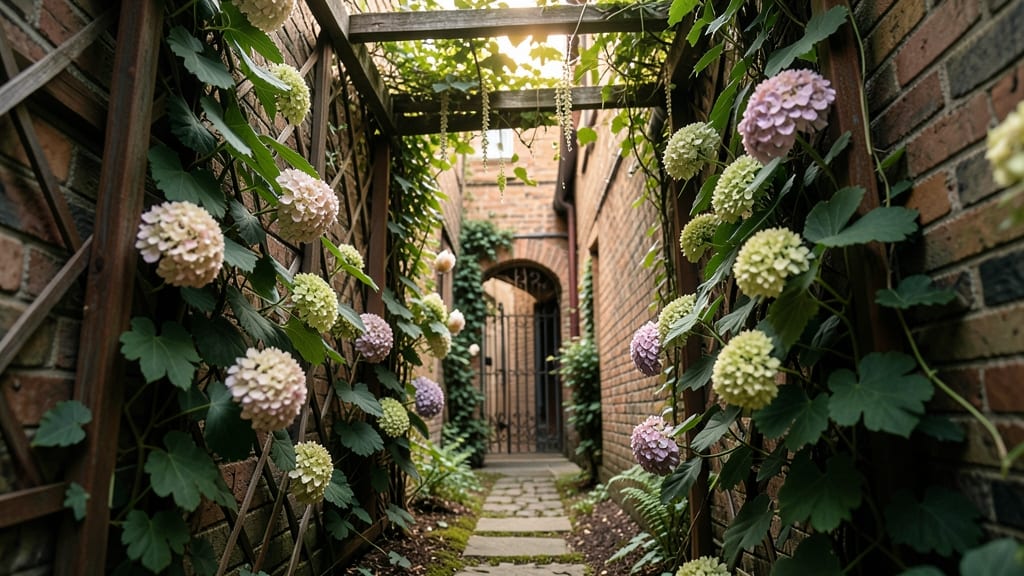
Transform your shade garden into a four-season masterpiece using oak leaf hydrangea's vibrant foliage and adaptable growth. These 10 creative landscaping ideas showcase how this hardy plant delivers year-round color with minimal maintenance.
Foundation Planting With Oak Leaf Hydrangea
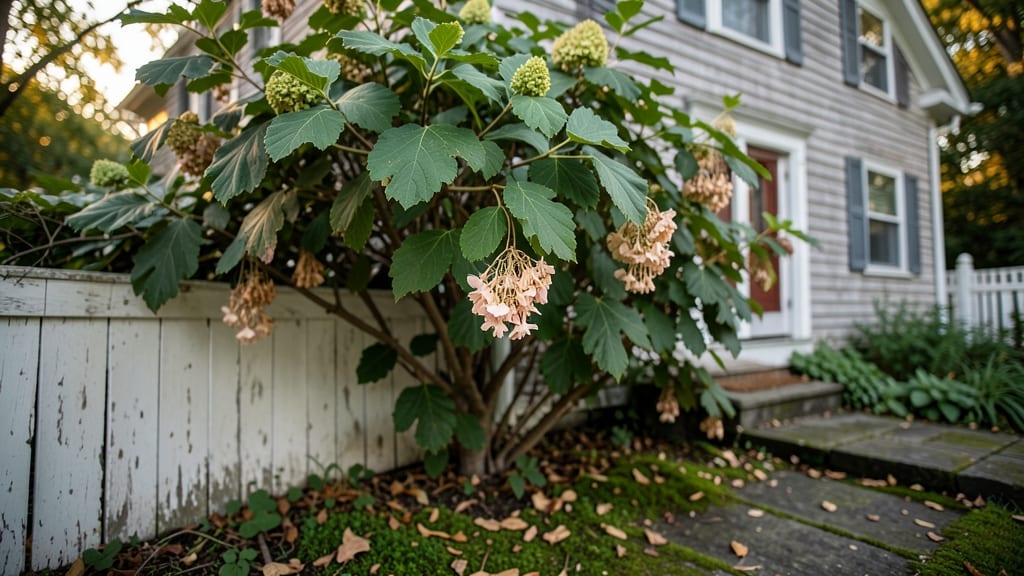
Cottage-style homes deserve borders that feel both timeless and effortlessly elegant—and oak leaf hydrangea delivers exactly that. With its lush, arching branches and year-round interest, this plant softens harsh lines while creating a welcoming transition between your home’s exterior and the landscape.
Plant oak leaf hydrangea in symmetrical beds along walkways or driveways, where its white summer blooms will contrast beautifully with your house’s siding. In fall, the foliage deepens to a rich burgundy, adding warmth to the season. For best results, space plants 4-6 feet apart to allow their natural shape to shine while maintaining a cohesive look.
This approach is perfect for homeowners who love classic curb appeal without the fuss of high-maintenance plantings. The hydrangea’s adaptability means it thrives in partial shade, making it ideal for foundation areas that get morning sun but afternoon shade. 🌻
Shade Garden Layering Technique
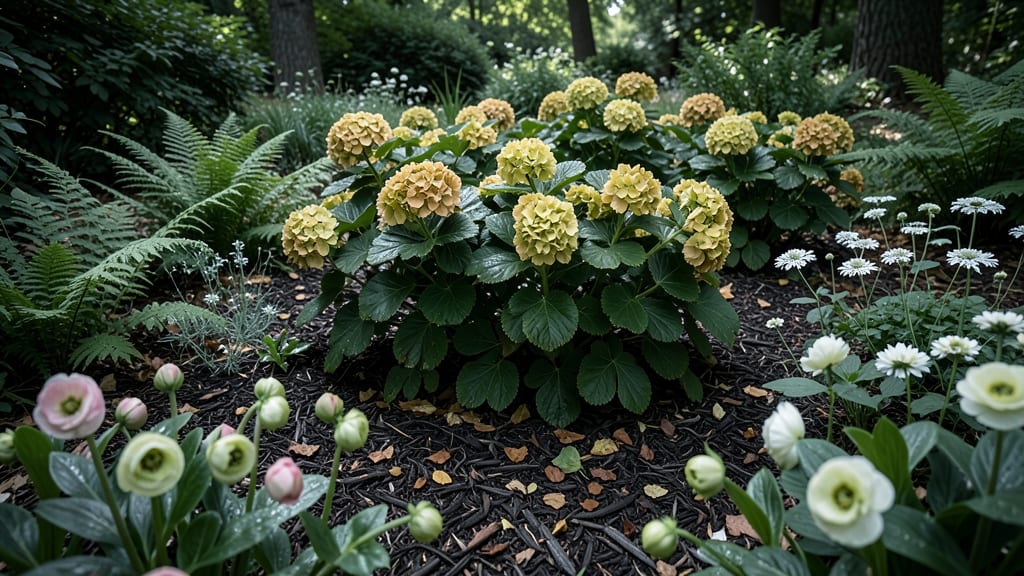
Struggling to create visual depth in your shade garden? The three-layer technique using oak leaf hydrangea as your star player is your secret weapon. This method transforms flat, boring shadows into a dynamic, textured woodland escape that thrives with minimal sunlight.
Start with hellebores (12-18 inches tall) as your background layer—they bloom early and handle deep shade beautifully. Add oak leaf hydrangea (3-5 feet) in the middle for that signature foliage drama, then tuck ferns (like maidenhair or Japanese painted) at the front for soft, feathery details. The key? Plant in odd-numbered groupings (3, 5, or 7) for natural flow, and keep soil consistently moist—this trio loves humidity.
This approach works especially well for gardeners with woodland properties or urban backyards under large trees. The layered effect creates movement and interest even when other plants struggle in shade. 💚
Container Gardening With Oak Leaf Hydrangea
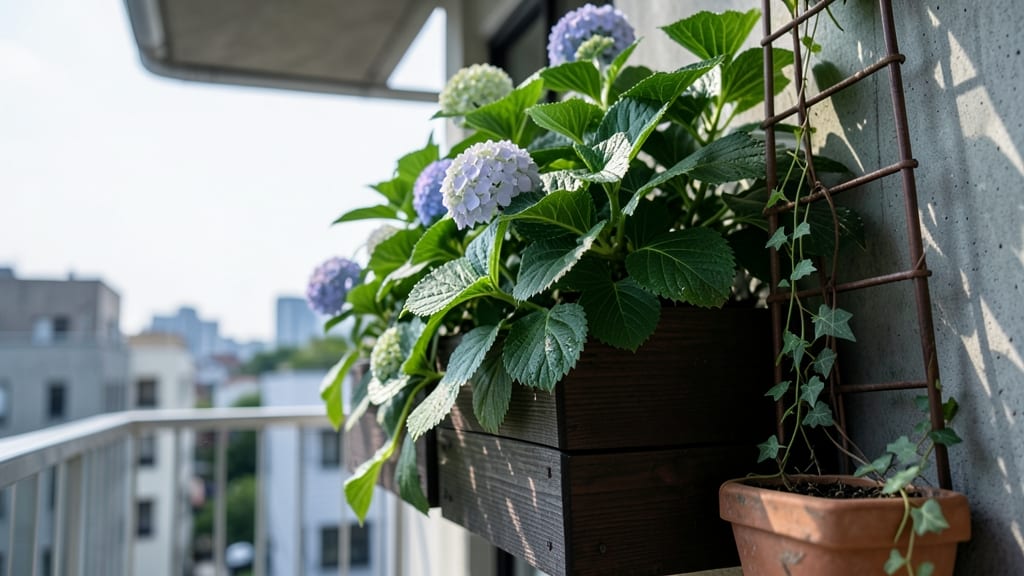
Turn your tiny balcony or cramped patio into a lush vertical garden with oak leaf hydrangea—a shade-loving superstar that thrives in containers while delivering year-round color. This versatile plant adapts perfectly to urban spaces where ground planting isn't an option, making it ideal for city dwellers with limited square footage.
Choose large, sturdy containers (at least 18 inches wide) with drainage holes to accommodate the plant's mature size of 5-6 feet. Use a well-draining potting mix enriched with compost, and place your containers where they'll receive morning sun and afternoon shade. Water consistently to keep the soil moist but not soggy, and fertilize monthly during the growing season with a balanced, slow-release fertilizer.
Urban gardeners and small-space enthusiasts will love how oak leaf hydrangea's vibrant foliage and fragrant blooms create a dramatic focal point without requiring a full garden bed. Plus, its adaptability means you can easily move containers to optimize sunlight or protect from harsh weather. 💚
Seasonal Color Palette Transformation
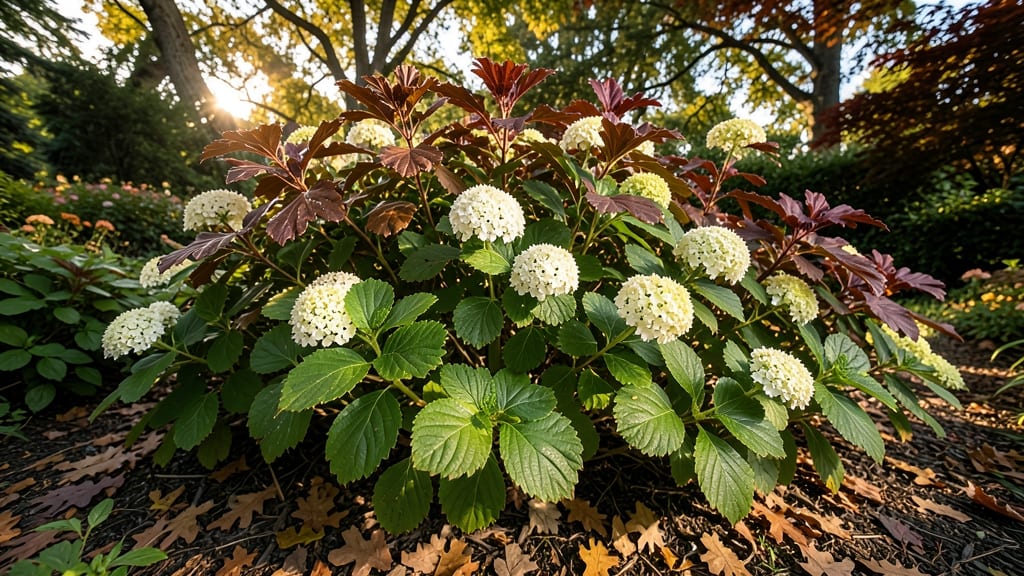
Want a garden that feels like a living painting, shifting colors with each season? Oak leaf hydrangea delivers a natural color progression from fresh spring greens to fiery burgundy in fall, with bronze undertones in between—all while requiring minimal effort from you.
This foliage transformation happens organically as temperatures change, creating a seasonal color palette that’s perfect for gardens where you want year-round visual interest. Plant it near seating areas or pathways so you can enjoy the show from multiple angles. The key is to group several plants together to amplify the effect—think of it as nature’s own seasonal color wheel.
Gardeners who prioritize low-maintenance beauty will love this plant’s ability to deliver drama without demanding attention. It’s especially magical in cottage gardens or shade beds where you want to highlight seasonal transitions. 🌟
Wildlife-Friendly Hydrangea Plantings
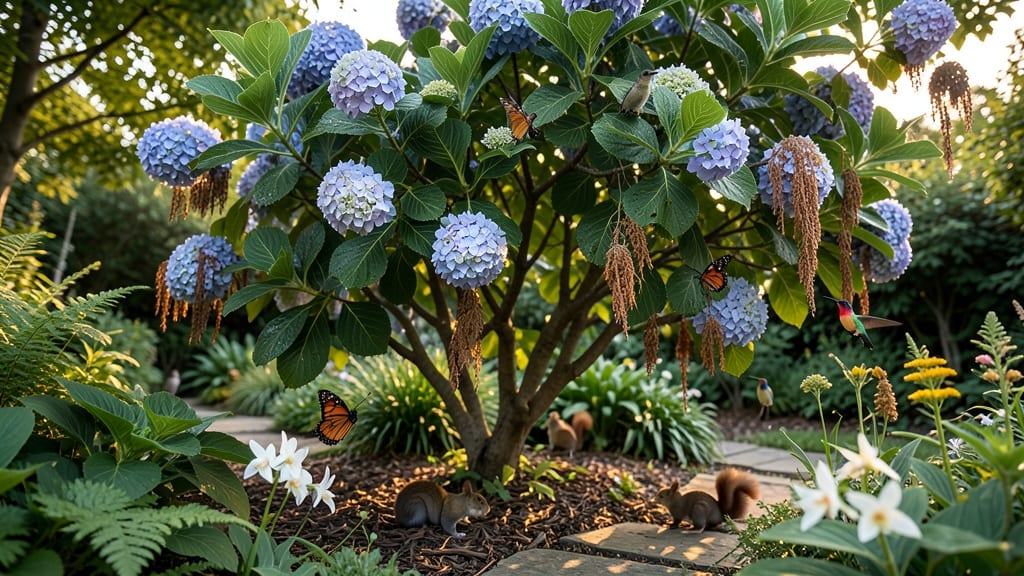
Turn your garden into a thriving wildlife sanctuary with oak leaf hydrangea—a plant that does double duty as both a pollinator magnet and a year-round shelter. Unlike many ornamental shrubs, this variety provides nectar-rich blooms that attract butterflies, bees, and hummingbirds while its dense foliage offers nesting sites for birds.
Plant oak leaf hydrangea near native wildflowers like bee balm or coneflowers to create a pollinator buffet, and leave some stems standing through winter to offer shelter for insects and small birds. The plant’s burgundy fall foliage also provides camouflage for wildlife, making it a stealthy yet stunning addition to eco-friendly landscapes.
This is the perfect choice for gardeners who want to make a real difference—your hydrangea won’t just look beautiful, it’ll help local ecosystems thrive. 🌿
Pruning Techniques for Architectural Shapes
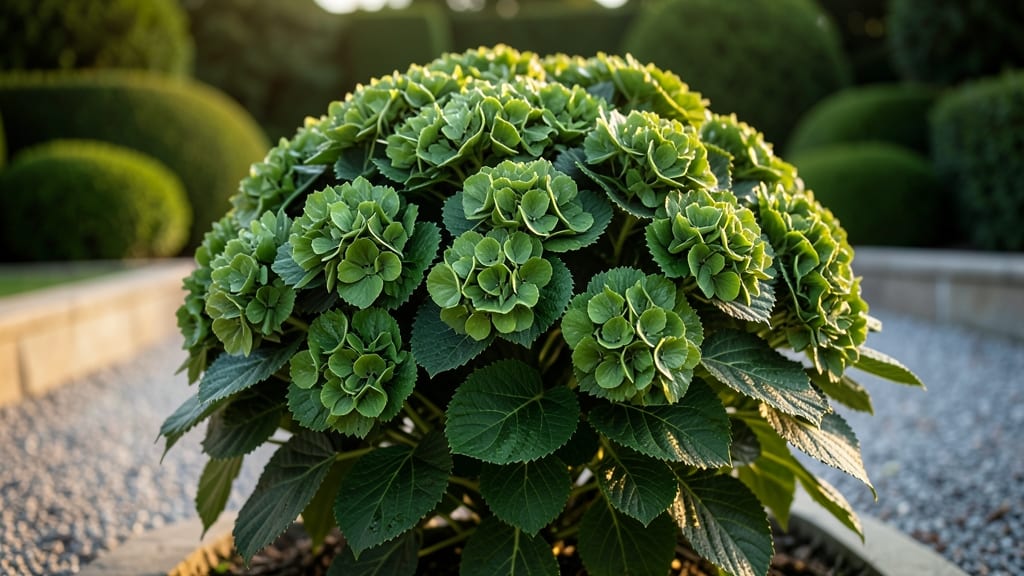
Want to turn your hydrangeas into living sculptures that elevate your garden’s sophistication? Oak leaf hydrangeas are perfect for creating structured shapes like rounded topiary or geometric forms—ideal for formal landscapes where precision meets beauty.
Start by pruning in late winter or early spring before new growth begins. Use sharp bypass pruners to trim back overgrown branches by one-third to encourage dense, bushy growth. For topiary shapes, gradually shape the plant by pinching back new shoots and using a wire frame for support. Focus on maintaining a balanced silhouette by thinning out crowded branches from the center to improve airflow and light penetration.
This technique works best for gardeners who love clean, manicured lines and want to add architectural interest without sacrificing the plant’s natural charm. The result? A polished, year-round focal point that turns heads. ✨
Winter Interest Plant Combinations
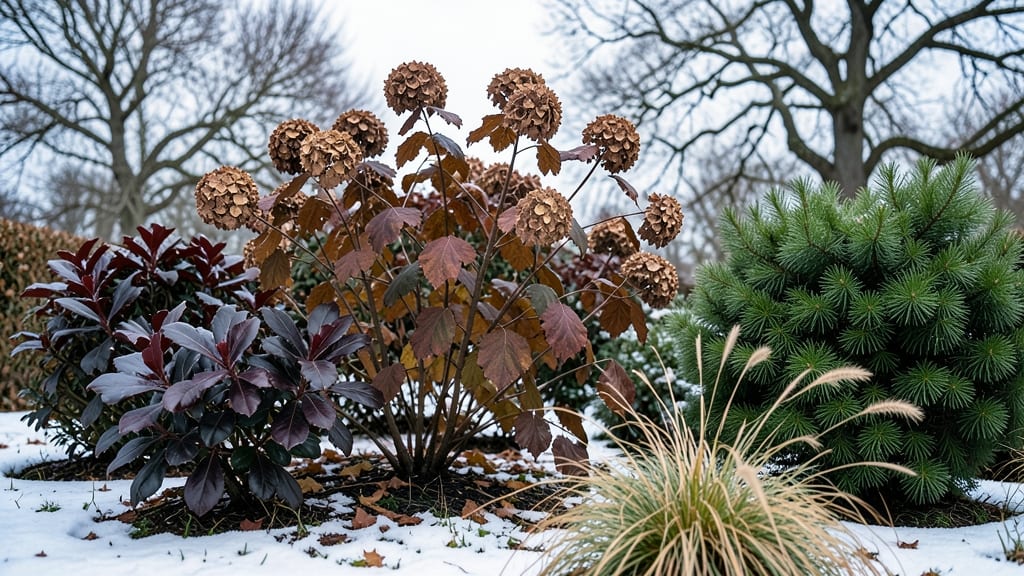
Winter gardens often feel bare, but oak leaf hydrangea can keep them vibrant with its dried flower heads and sturdy stems. When paired with evergreens like Inkberry holly or Emerald Green arborvitae, the combination creates a textured winter landscape that stands out against snow.
Add ornamental grasses like Miscanthus sinensis or Feather Reed Grass for movement and contrast—these grasses hold their form even in cold weather. The hydrangea’s dried blooms add unexpected color, while the evergreens provide everlasting structure. This trio works beautifully in foundation plantings or mixed borders.
Perfect for gardeners who want to maintain interest during the colder months, this combination requires minimal maintenance and delivers maximum visual impact. 🌿
Low-Maintenance Ground Cover Alternatives
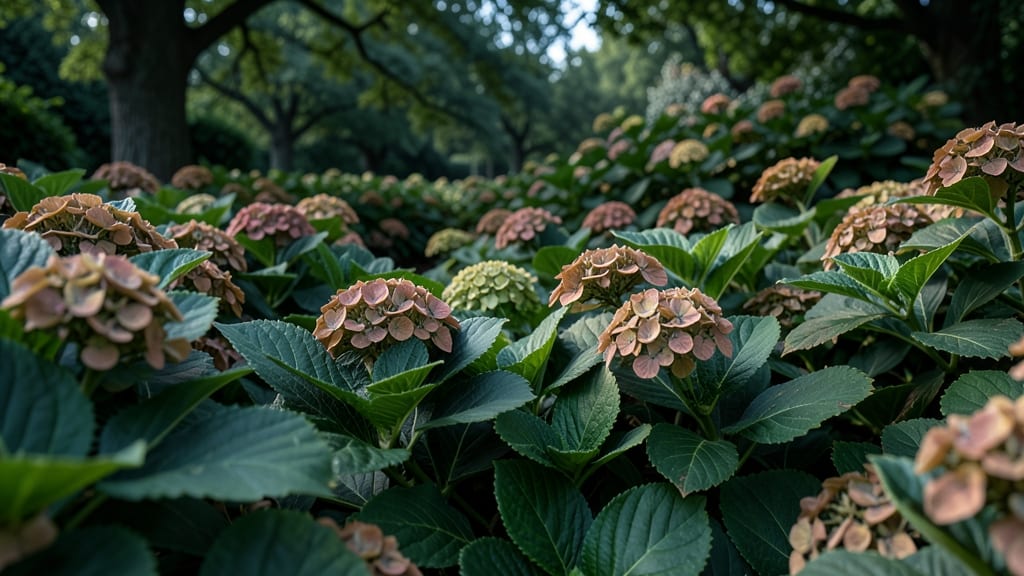
Tired of mowing, watering, and fertilizing a traditional lawn? Oak leaf hydrangea offers a stunning, low-maintenance alternative that thrives in shade while suppressing weeds naturally. Plant them densely as a living mulch bed—no grass, no chemicals, just vibrant foliage that shifts from green to fiery burgundy through the seasons.
Start by spacing plants 3-4 feet apart in well-draining soil with morning sun or dappled shade. Once established, they’ll spread gently, creating a lush carpet that outcompetes weeds. Add a 2-3 inch layer of mulch (wood chips or shredded leaves) to retain moisture and regulate soil temperature. This approach works beautifully in urban backyards, sloped areas, or under trees where grass struggles.
Perfect for eco-conscious gardeners, this method eliminates lawn chores while adding seasonal color and texture. Plus, the hydrangea’s fragrant blooms attract pollinators—making it a win for both your garden and the planet. 🌿
Cut Flower Arrangements From Oak Leaf Hydrangea
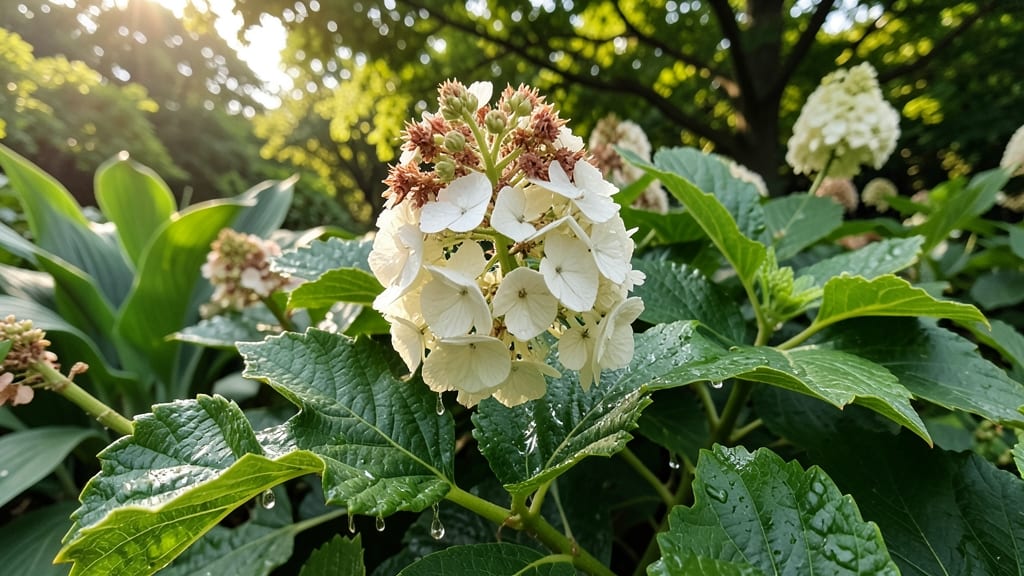
Why settle for store-bought bouquets when your garden already grows long-lasting cut flowers? Oak leaf hydrangea produces abundant, fragrant blooms perfect for arranging—just like its showy cousins, but with the added bonus of stunning foliage that stays beautiful even after cutting.
Harvest blooms when they're just half-open for maximum vase life, and trim stems at an angle to encourage water uptake. Pair them with wildflowers or eucalyptus for texture, or float single stems in shallow bowls for a minimalist look. The secret to longevity? Change the water every two days and add a splash of bleach to keep stems fresh. These arrangements last 7-10 days, making them ideal for weddings, dinner tables, or everyday joy.
This is the ultimate win-win for gardeners who love both landscape beauty and floral arrangements—no extra space or cost needed. Just snip, arrange, and enjoy your garden's bounty indoors! 🌻
Urban Alleyway Garden Design

Turn a narrow urban alley into a secret garden oasis by training oak leaf hydrangeas to climb vertical trellises. This vertical garden technique maximizes tiny spaces while creating a fragrant, living corridor that transforms forgotten urban alleys into charming green passages.
Start with a sturdy metal or wooden trellis (at least 6 feet tall) along one alley wall. Plant hydrangeas at the base in well-draining soil and gently weave new growth through the trellis supports as they grow. Use soft twine or plant ties to guide vines upward without damaging stems. For extra impact, add potted ferns or ivy at ground level to frame the vertical display.
This design is perfect for city dwellers with balconies or alley access, offering privacy and beauty without requiring square footage. The year-round foliage provides seasonal interest, while the fragrant white blooms in summer create a welcoming atmosphere for neighbors and passersby. 🌿