
Pests and Diseases
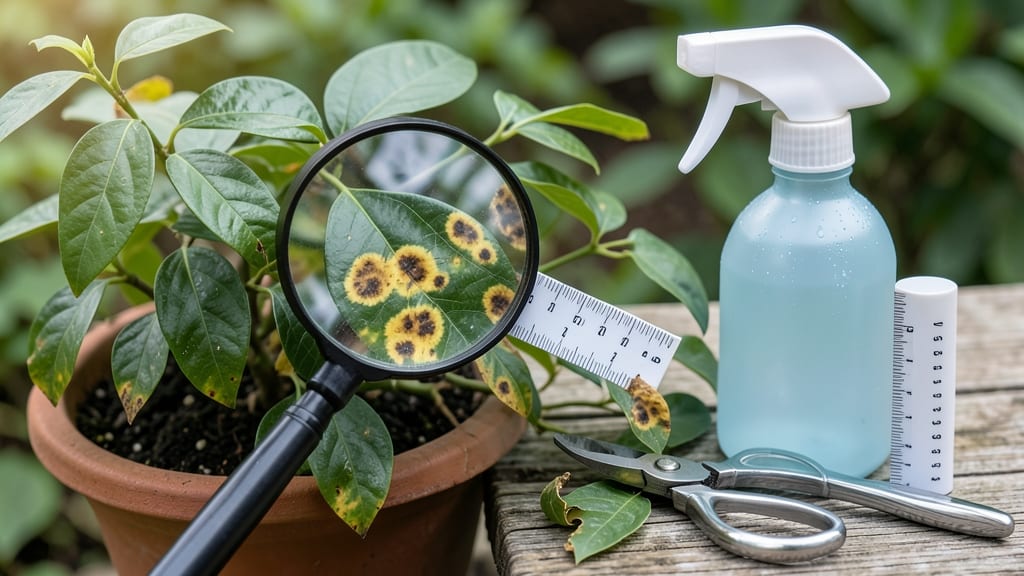
Your jasmine leaves are covered in ugly brown spots that won’t quit—this fungal nightmare has a copper spray cure that actually works. 🌿 I’ve battled leaf spot on my star jasmine for years, and the difference between a struggling shrub and a lush, thriving plant comes down to three key steps: proper identification, targeted treatment, and prevention.
The moment you spot those dark, irregular patches with yellow halos, you’re dealing with a fungal infection thriving in damp conditions. Most gardeners panic and reach for harsh chemicals, but the real solution is a simple copper fungicide spray—it’s organic, effective, and won’t harm beneficial insects when used correctly.
The key is acting fast before the spots spread to new growth. Within 7-10 days of consistent spraying (every 7-10 days), you’ll see fresh leaves emerging without those telltale spots.
The shrub will start putting energy into new blooms instead of fighting off disease, and your jasmine will look like the showstopper it should be by summer’s end. This method works for all jasmine varieties—whether you’re dealing with star jasmine, Confederate jasmine, or even your prized climbing jasmine.
The secret? Timing, technique, and a little patience—no magic involved, just science-backed results.
Root Causes Of Leaf Discoloration
Fungal leaf spots on jasmine plants—like the dreaded Cercospora or Alternaria infections—don’t appear out of thin air. They’re the result of a perfect storm of environmental and biological factors.
Understanding these triggers is the first step to stopping the spread. Let’s break down the key reasons your jasmine’s leaves are developing those unsightly spots.
Fungal spores thrive in damp conditions, and jasmine plants are particularly vulnerable when their leaves stay wet for long periods. Here’s why moisture is the #1 culprit:
- Overnight dew or rain: Jasmine leaves often retain moisture until morning, creating an ideal breeding ground for fungal spores. Alternaria and Cercospora fungi germinate rapidly in these conditions.
- Overhead watering: Splashing water onto leaves (especially in the evening) spreads spores directly to healthy foliage, accelerating infection.
- Poor drainage or soggy soil: Root stress from waterlogged soil weakens the plant’s defenses, making it easier for fungi to take hold.
- Dense foliage without airflow: When jasmine bushes grow too thick, air can’t circulate, trapping humidity and preventing leaves from drying quickly.
💡 Pro Tip: Water at the base in the early morning (when leaves can dry by afternoon) and prune to improve airflow. If your garden gets heavy rain, consider a fungicide spray as a preventive measure.
Fungal leaf spots love warm, humid conditions—but they also need a little contrast to trigger outbreaks. Here’s how temperature plays a role:
| Factor | How It Fuels Fungal Growth |
|---|---|
| High daytime temps (75–90°F) | Speeds up fungal spore germination and growth. Alternaria thrives in these ranges. |
| Cool nights with high humidity (>70%) | Condensation forms on leaves, prolonging moisture exposure and weakening plant resistance. |
| Sudden temperature drops | Stresses the plant, lowering its ability to fight off infections. |
🌡️ Key Insight: If your area has hot, muggy summers followed by cool, damp evenings, your jasmine is at high risk. Shade cloth (30–50% coverage) can reduce leaf stress during peak heat.
Fungal spores are tiny but mighty—they hitchhike on tools, wind, and even your gardening gloves. Here’s how they jump from one plant to another:
- Pruning shears or knives: Cutting infected branches without sterilizing tools spreads spores to healthy parts of the plant—or to other plants entirely.
- Wind or rain splash: Spores can travel yards in windy conditions, landing on nearby jasmine bushes.
- Reusing potting mix: Old soil may harbor dormant fungal spores. If you repot without sterilizing the mix, the problem persists.
- Infected plant debris: Leaving fallen leaves or pruned branches on the ground gives fungi a home to multiply.
🔥 Action Step: Always sterilize pruners with 70% isopropyl alcohol or a bleach solution (1 part bleach to 9 parts water) between cuts. Remove and dispose of infected leaves immediately.
A healthy jasmine plant can resist fungal infections—but stress makes it an easy target. Common stressors include:
- Nutrient deficiencies: Lack of nitrogen, phosphorus, or micronutrients (like magnesium) weakens leaves, making them more susceptible to fungal entry.
- Over-fertilization: Too much fertilizer (especially high in nitrogen) promotes soft, lush growth that’s prone to fungal attacks.
- Transplant shock: Recently moved jasmines are vulnerable as they adjust to new conditions.
- Pest damage: Insects like aphids or spider mites wound leaves, creating entry points for fungi.
💪 Boost Defenses: Feed your jasmine with a balanced fertilizer (10-10-10) in early spring and monitor for pests. Compost tea can also strengthen natural resistance.
Now that you know why those spots appear, the next step is how to treat and prevent them—starting with copper-based fungicides. Stay tuned!
Practical fixes for fungal leaf blemishes
Fungal leaf spots on your jasmine plants can feel like a losing battle, but with the right approach, you can restore their lush, healthy glow. The key is acting fast, targeting the root cause, and preventing future outbreaks.
Below are practical, step-by-step solutions tailored to common triggers—fungal infections, environmental stress, and poor plant care—along with proactive tips to keep your jasmine thriving.
Problem: Soggy soil creates the perfect breeding ground for fungal spores, turning your jasmine’s leaves into a buffet for pathogens.
How to Fix It:
- 🔥 Adjust Your Watering Routine
- Water only when the top 1–2 inches of soil are dry (stick your finger in to check!).
- Morning is best—wet leaves in the evening invite fungal growth overnight.
- Use a moisture meter for precision (or the "squeeze test" on potting mix).
- 👨🍳 Improve Soil Drainage
- Mix perlite or sand into heavy clay soil (1 part amendment to 3 parts soil).
- Repot if needed into a container with drainage holes—no exceptions!
- Elevate pots on feet or saucers to prevent water pooling.
- ⏰ Mulch Strategically
- Apply 2–3 inches of organic mulch (straw, wood chips) around the base to regulate moisture.
- Keep mulch 2 inches away from the stem to avoid rot.
💡 Pro Tip: If your plant is already waterlogged, hold off on watering for 3–5 days to let the soil dry out completely.
Problem: Stagnant, humid air (like a jungle greenhouse) fuels fungal spores. Overcrowded plants or dense foliage trap moisture, speeding up infections.
How to Fix It:
- 🍳 Prune for Better Air Circulation
- Trim overlapping branches and thick foliage to let air flow freely.
- Remove dead or heavily spotted leaves—don’t let them linger as infection sources.
- 🌡️ Reduce Humidity Naturally
- Space plants 12+ inches apart if growing multiple jasmines.
- Use a fan on low speed (8–10 hours/day) to mimic a gentle breeze.
- In greenhouses, crack a vent or use a dehumidifier (aim for 40–60% humidity).
- ✨ Prevent Evening Dampness
- Avoid overhead watering—use a drip irrigation system or water at the base.
- Shake leaves gently after watering to remove excess moisture.
💡 Pro Tip: If humidity is unavoidable (e.g., tropical climates), water in the early morning so leaves dry by afternoon.
Problem: Once leaf spots appear, a copper-based fungicide is your best defense against Alternaria or Cercospora fungi (common culprits for jasmine leaf spot).
How to Fix It:
- 🍎 Choose the Right Spray
- Organic option: Copper fungicide (e.g., Bonide Copper Fungicide) or neem oil spray (mild but effective).
- Synthetic option: Chlorothalonil (for severe cases—follow label rates).
- 👨🍳 Apply Correctly (Timing & Technique)
- Best time: Early morning or late afternoon (avoid direct sun, which can burn leaves).
- Cover all surfaces: Spray both sides of leaves and stems until glistening wet.
- Reapply every 7–14 days (or after rain) until new growth is spot-free.
- 🔄 Combine with Preventive Care
- Clean up debris (fallen leaves, pruned clippings) to remove fungal spores.
- Rotate sprays (e.g., copper one week, neem oil the next) to prevent resistance.
⚠️ Warning: Avoid copper sprays if your soil is already copper-rich (test with a soil kit) or if you’re using edible jasmine varieties (follow organic guidelines).
Stop fungal leaf spots before they start with these non-negotiable habits:
| Do This | Avoid This |
|---|---|
| Water at soil level (never overhead) | Leaving water in saucers overnight |
| Prune regularly (remove 10% of growth yearly) | Ignoring yellowing or spotted leaves |
| Rotate plants (every few weeks for even sun exposure) | Crowding plants too closely |
| Disinfect pruners (70% alcohol or bleach water) | Reusing tools without cleaning |
| Test soil pH (aim for 6.0–7.0 for jasmines) | Over-fertilizing with nitrogen |
💡 Bonus Tip: Baking soda spray (1 tsp baking soda + 1 quart water + a drop of dish soap) can prevent fungal spots in mild cases—test on a small leaf first!
Final Thought: Fungal leaf spots are manageable, but consistency is key. Combine proactive care (watering, airflow) with targeted treatments (copper spray, pruning) to keep your jasmine’s leaves spotless and vibrant. 🌿✨
Frequently asked questions
What do jasmine leaf spots look like, and how can I confirm it's fungal?
Jasmine leaf spots typically appear as irregular brown or black patches with yellow halos around them. The spots often have a velvety texture on the underside of leaves, which is a key fungal indicator. To confirm, check for spots on both new and old leaves—if they’re spreading rapidly in warm, damp conditions, it’s almost certainly a fungal infection.
Can I still use my jasmine for tea or cooking if it has leaf spot?
If you’re using edible jasmine varieties, avoid harvesting leaves with visible spots or yellowing. Fungal spores can contaminate your tea or culinary use, so always pick healthy, spot-free leaves from the top of the plant. For severe infections, wait until the plant fully recovers before using it again.
How often should I spray copper fungicide on my jasmine?
Apply copper fungicide every 7–14 days until new growth appears spot-free, then switch to a preventive schedule (every 4–6 weeks during humid seasons). Always spray in the early morning or late afternoon to avoid leaf burn, and reapply after heavy rain. Stop spraying at least 2 weeks before harvest if using edible varieties.
Will pruning help stop the spread of leaf spot?
Prune infected leaves immediately and sterilize your tools with 70% alcohol or bleach water between cuts. Remove overlapping branches to improve airflow, and dispose of pruned debris in the trash (not compost). Pruning also encourages new, healthy growth that’s less susceptible to infection.
Is baking soda spray safe for jasmine leaf spot?
A baking soda spray (1 tsp baking soda + 1 quart water + a drop of dish soap) can help prevent mild infections, but it’s not a cure for established fungal spots. Test on a small leaf first—some jasmines may be sensitive. For severe cases, use it as a supplemental treatment alongside copper fungicide, but don’t rely on it alone.