
Pests and Diseases
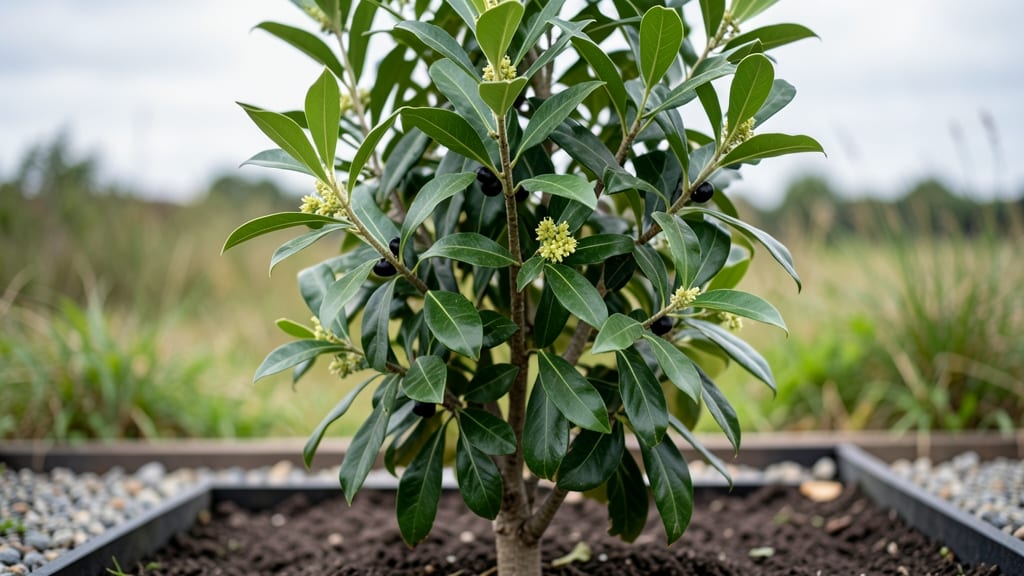
Laurel bay leaf is toxic to pets like dogs and cats if ingested in large quantities, causing vomiting, diarrhea, or neurological issues. Keep plants out of reach and opt for pet-safe alternatives like spider plants or Boston ferns for indoor gardens.
Laurel bay leaf contains compounds like eugenol and tannins, which can trigger adverse reactions in pets when consumed in significant amounts. 🐾 Even small nibbles might cause mild stomach upset, but larger ingestions can lead to more severe symptoms like lethargy or tremors.
The risk isn't just from fresh leaves—dried bay leaves in cooking also pose a danger if pets have access to them. I always recommend keeping these plants in hanging baskets or high shelves where curious paws can't reach.
For pet owners, the good news is that many ornamental plants are completely safe. Spider plants, for example, are non-toxic and thrive in similar light conditions, making them an ideal swap. Boston ferns and parlor palms are also excellent choices that add greenery without the risks.
When rearranging your indoor garden, consider placing toxic plants in rooms pets don't frequent, like home offices or formal dining areas.
💡 In This Article
- Toxicity Levels of Laurel Bay Leaf in Pets
- Pet-Friendly Alternatives to Laurel Bay Leaf
Toxicity levels of laurel bay leaf in pets
Laurel bay leaf contains eugenol (up to 85% of its essential oils) and tannins, both of which irritate a pet's digestive system and central nervous system. Eugenol, found in high concentrations in fresh leaves, acts as a neurotoxin that can cause tremors or seizures when ingested in large amounts.
Cats are particularly vulnerable because their livers metabolize compounds like eugenol much slower than humans, leading to prolonged toxicity effects. 🐱 A single leaf might cause mild symptoms, but consuming even 0.5 grams per pound of body weight can trigger severe reactions.
The severity of symptoms depends on dosage and pet size. A 5-pound cat ingesting just 2-3 bay leaves could experience acute poisoning, while a 50-pound dog might need to consume 10-15 leaves before showing signs.
Chronic exposure—like nibbling small amounts over weeks—can lead to liver damage or anemia due to tannins disrupting red blood cell production. The ASPCA reports that bay leaf toxicity cases spike during holidays when dried leaves are left in cooking pots or discarded in trash cans accessible to pets.
Symptoms appear within 6-12 hours of ingestion and include drooling, vomiting, diarrhea (sometimes with blood), and lethargy. Neurological signs like ataxia (loss of coordination) or dilated pupils indicate severe poisoning and require immediate veterinary attention.
Unlike some toxic plants that cause immediate reactions, bay leaf's compounds are absorbed gradually, making early intervention critical. 🚑 Always monitor pets after they've been near bay leaves, even if no immediate symptoms appear.
Dried bay leaves pose a different risk profile than fresh ones. While fresh leaves contain higher concentrations of eugenol, dried leaves retain their toxicity but may be more appealing to pets due to their concentrated aroma.
The essential oils become more potent during drying, so discarded leaves from cooking—often left in compost or trash—can be particularly dangerous. I've seen cases where pets raided compost bins and suffered poisoning from just a handful of dried leaves.
Breed-specific sensitivities also play a role. Small breeds with delicate digestive systems, like Chihuahuas or Siamese cats, show symptoms faster than larger pets. For example, a 10-pound dog might vomit within hours of eating 1-2 leaves, while a 70-pound Labrador could tolerate slightly more before showing signs.
Always err on the side of caution—when in doubt, contact your vet or the ASPCA Animal Poison Control Center immediately.
What most pet owners don't realize is that bay leaf toxicity isn't just about fresh leaves. The essential oils used in many commercial pet-safe cleaning products or air fresheners can also contain eugenol derivatives.
Always check ingredient labels for "clove oil" or "eugenol" if you're using products around pets. 🌿 A simple swap—like using lemon-scented cleaners instead of bay leaf-based ones—can eliminate this hidden risk entirely.