
Light Requirements
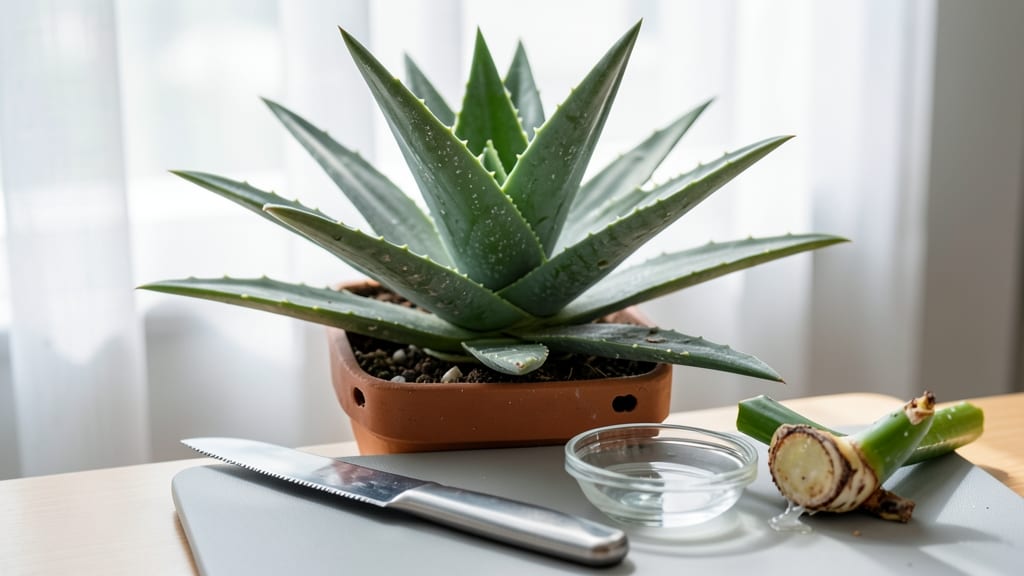
How to use the aloe leaf you’ve got sitting on your windowsill is simpler—and more versatile—than you think. 🌱 Beyond sunburn relief, the gel inside those thick leaves works as a soothing skin balm, a natural cleaner, and even a DIY beauty treatment. I’ve used mine for everything from healing minor cuts to freshening up old wooden furniture, and the results are surprisingly effective.
The best part? You don’t need a fancy aloe vera plant—even a small store-bought leaf works. Just slice it open, scoop out the gel, and you’re ready to go.
Store-bought aloe gel can be pricey and often contains additives, but fresh gel is pure, potent, and free. Plus, it’s non-greasy, absorbs quickly, and smells fresh, not chemical.
Imagine slathering on a cooling mask for acne-prone skin, wiping down kitchen counters with a natural disinfectant, or keeping ants at bay with a simple aloe spray. These uses turn an ordinary houseplant into a multi-purpose helper that saves money and reduces clutter in your medicine cabinet.
Fair warning: not all aloe leaves are created equal. If you’re using a homegrown plant, make sure it’s at least three years old—younger leaves have less gel.
And always do a patch test first, because while aloe is gentle for most people, it can irritate sensitive skin. Ready to put that plant to work?
📚 In This Guide
- What you need
- Instructions
- Tips and common mistakes
- Wrapping up and next steps
What you need
- ● Mature aloe vera plant (3+ years old for optimal gel content)
- ● Sharp knife or clean scissors (sterilized with rubbing alcohol)
- ○ Gloves (optional but recommended) (latex or nitrile to avoid skin irritation from aloe latex)
- ● Clean bowl or container (glass or food-grade plastic)
- ● Strainer or fine-mesh sieve (for filtering pulp)
- ● Spoon or spatula (for scooping gel)
- ● Rubbing alcohol (70% or higher) (for sterilizing tools)
- ● Paper towels or clean cloth (for wiping residue)
- ● Blender or food processor (for smooth aloe juice or pulp)
- ● Honey or essential oils (to sweeten or scent aloe-based remedies)
- ● Dark glass jars (for storing aloe gel long-term)
- ● Ice cube tray (for aloe vera ice cubes—great for soothing sunburns!)
- ● Cotton balls or pads (for spot treatments)
Step-by-step guide to using aloe leaf for unexpected benefits
Here's how to harness aloe's power beyond sunburn relief—simple, effective, and game-changing.
🌿 Step 1: Harvest and Prepare the Leaf
Choose a mature aloe leaf at least 12 inches long from the outer edge of the plant. Grip the base firmly and twist gently until it pulls free with a slight resistance. You'll hear a satisfying pop—that's the sound of a clean break. Let it sit upright for 5-10 minutes to allow the yellow latex (aloe sap) to drain completely into a bowl. This bitter substance can irritate skin if left on.
After draining, rinse the leaf under cool water to remove any remaining latex. Lay it flat on a cutting board and slice open lengthwise with a sharp knife. Scoop out the clear gel with a spoon, discarding the outer skin. You'll need about 2-3 tablespoons of gel per use, depending on the application. Store any unused gel in an airtight container in the fridge for up to 7 days—it keeps beautifully and stays potent.
💧 Step 2: Create a Soothing Skin Treatment
For acne or irritated skin, mix 1 tablespoon of aloe gel with 1 teaspoon of raw honey (the honey adds antibacterial properties). Stir well until fully combined—you want a smooth, spreadable consistency. Apply a thin layer to clean skin using your fingers or a cotton pad, avoiding the eye area. Leave on for 15-20 minutes, then rinse with lukewarm water. I like to do this at night before bed; your skin absorbs it while you sleep, waking up refreshed and calmed.
For minor burns or bug bites, apply pure aloe gel directly to the affected area. The gel's natural anti-inflammatory compounds work quickly to reduce redness and swelling. You'll notice the cooling sensation almost immediately—it's like an instant ice pack for irritated skin. Reapply every 2-3 hours until the irritation subsides, typically within 24 hours. Keep a small jar in your fridge for emergencies.
☀️ Step 3: Make a Hydrating Hair Mask
Combine 2 tablespoons of aloe gel with 1 tablespoon of coconut oil and 1 tablespoon of plain yogurt in a bowl. Warm the mixture slightly (just enough to melt the coconut oil) by placing the bowl in a larger container of warm water for 2-3 minutes. This creates a luxurious, moisturizing blend that penetrates dry strands.
Apply the mask to damp hair, focusing on the ends and any dry sections. Cover with a shower cap and leave it on for 30 minutes to 1 hour. The aloe gel will deeply hydrate, while the coconut oil and yogurt add protein and shine. Rinse thoroughly with cool water, then shampoo as usual. Use this treatment once a week for noticeably softer, shinier hair—my fine hair feels thicker and less tangled after just two uses.
✂️ Step 4: Whip Up a Gentle Household Cleaner
Mix ¼ cup of aloe gel with 1 cup of distilled water in a spray bottle. Add 10 drops of tea tree oil for antibacterial properties and 5 drops of lavender oil for a fresh scent. Shake well before each use. This gentle cleaner works wonders on countertops, bathroom sinks, and even stainless steel appliances—just spray and wipe with a microfiber cloth. The aloe gel leaves surfaces clean without harsh chemicals, making it safe for kids' toys and pet areas.
For wood furniture, use the same mixture but skip the essential oils. Spray lightly on a soft cloth and wipe in the direction of the grain. The aloe gel moisturizes without damaging finishes, and you'll see a subtle glow return to dull surfaces. I use this cleaner weekly to maintain my kitchen cabinets—no sticky residue or streaks, just a natural shine.
🪴 Step 5: Use as a Natural Moisturizer for Plants
Dilute 1 tablespoon of aloe gel in 1 cup of water and transfer to a spray bottle. Lightly mist the leaves of indoor plants like snake plants, pothos, or fiddle-leaf figs every 2-3 weeks during dry months. The gel's humectant properties draw moisture into plant cells, preventing crispy edges and yellowing. You'll notice leaves staying plump and vibrant longer—especially helpful in winter when indoor air is dry from heating.
For succulents, use the same mixture but reduce frequency to once a month. These plants need minimal moisture, and aloe can help maintain their natural hydration without overwatering. Spray in the early morning so any excess water evaporates before nightfall. Avoid spraying flowers or buds, as the gel can interfere with their natural processes.
Tips & tricks for perfect aloe leaf applications
These simple yet powerful tips will help you maximize aloe's benefits without any wasted effort.
Leaf Selection: Always choose leaves from the outer edge of the plant—they're the most mature and packed with gel. I've learned the hard way that inner leaves often contain less gel and more bitter sap. Look for leaves that are at least 12 inches long, with a thick, plump appearance. The heavier the leaf, the more gel you'll get!
Storage Wisdom: Fresh aloe gel keeps beautifully in the fridge for up to 7 days when stored properly. After scooping the gel, transfer it to an airtight container and press a small piece of parchment paper directly on the surface before sealing. This prevents oxidation and keeps the gel vibrant green longer. I also label my containers with the date to track freshness.
Application Timing: For skin treatments, timing matters—leave the aloe-honey mixture on for exactly 15-20 minutes as specified. The cooling sensation peaks around minute 10, but leaving it on longer allows the anti-inflammatory compounds to work their magic. For burns or bug bites, that first application within 2-3 hours after irritation is critical for fastest relief.
Hair Mask Hack: When warming the hair mask mixture, use a double boiler method with warm (not hot) water to gently melt the coconut oil. I've ruined two batches by using direct heat—it turns the aloe gel brown and ruins the texture. Test the temperature by touching the outside of the bowl; it should feel warm but not hot to the touch. This gentle warming preserves the aloe's natural properties while creating the perfect blend.
Pro Tips for Use Aloe Leaf
- These simple yet powerful tips will help you maximize aloe's benefits without any wasted effort.
- Leaf Selection: Always choose leaves from the outer edge of the plant—they're the most mature and packed with gel.
- Storage Wisdom: Fresh aloe gel keeps beautifully in the fridge for up to 7 days when stored properly.
Frequently asked questions
Got questions about harnessing aloe leaf power? You’re not alone! Here are answers to the most common queries—so you can use aloe like a pro without the guesswork.
Can I use aloe leaf from any plant, or does it need to be mature?
Always use mature aloe leaves—at least 12–18 inches long—for the best results. Younger leaves have less gel and more aloin (a mild laxative compound). Look for thick, plump leaves with a vibrant green hue. Pro tip: Avoid leaves with brown spots (signs of rot or pests).
How long does aloe leaf gel stay fresh after cutting?
Aloe gel stays fresh for 7–10 days in the fridge if stored in an airtight container. For longer shelf life (up to 3 months), freeze it in ice cube trays! Just thaw before use. Warning: Never refrigerate whole leaves—they’ll spoil faster. Quick fix: If your gel smells sour or turns yellow, toss it.
What’s a good aloe leaf substitute if I don’t have any?
If you’re in a pinch, try these alternatives for similar benefits:
- Cucumber or cucumber juice (soothing for skin, but lacks aloe’s healing compounds).
- Honey or manuka honey (antibacterial, but not hydrating like aloe).
- Store-bought aloe vera gel (check for 100% pure, no additives).
Is it safe to drink aloe leaf juice, or should I stick to topical use?
Topical use (skin/hair) is always safe for most people. However, drinking aloe leaf juice can be risky—raw aloe contains aloin, which may cause stomach cramps or diarrhea. Safety tip: If you want to consume aloe, use food-grade aloe juice (decolorized and processed) or consult a doctor first.
Why does my skin feel tight after applying aloe gel?
Tightness usually means the gel is drying out or your skin is overly sensitive. Try these fixes:
- Apply a thin layer—too much can evaporate and pull moisture.
- Mix aloe with 1 tsp of coconut oil or shea butter for extra hydration.
- Wait 5–10 minutes after application before moisturizing.
Wrapping up and next steps
From soothing sunburns to boosting hair health and even aiding digestion, aloe vera leaves are nature’s versatile powerhouse! 🌱 Whether you’re harvesting fresh gel or using store-bought, these unexpected uses prove aloe isn’t just for skincare—it’s a multi-purpose ally for your wellness routine.
Now that you’ve unlocked these 5 game-changing ways to use aloe leaf, why not experiment with a DIY recipe or share your favorite tip with a friend? Start small—try aloe-infused water or a hair mask—and let your creativity (and skin/hair) thank you! 💚