
How To
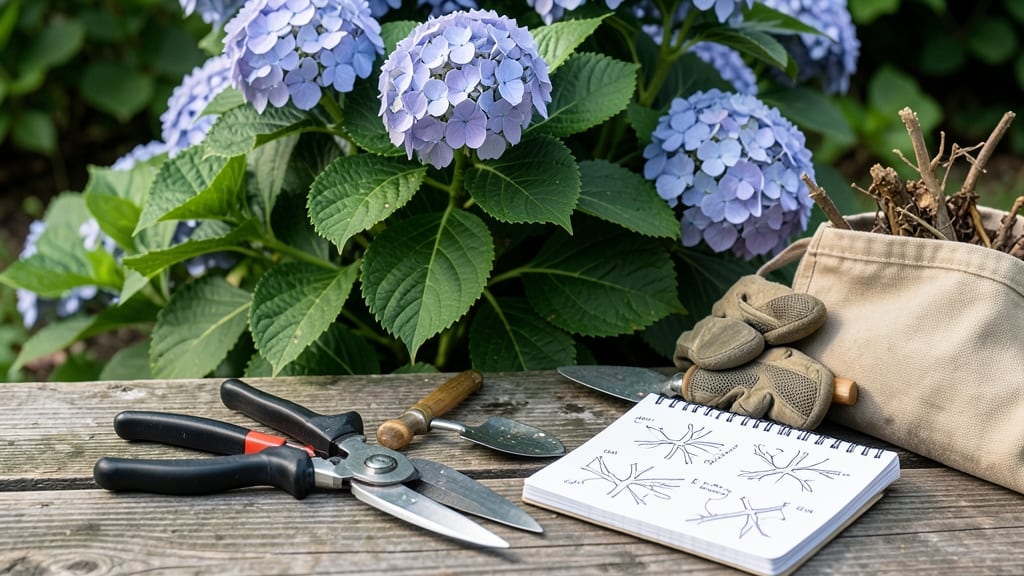
Pruning big leaf hydrangeas transforms leggy bushes into vibrant, blooming powerhouses—but timing and technique are everything. The key is understanding that these hydrangeas flower on old wood, so aggressive spring cuts can rob you of blooms.
I’ve learned the hard way: waiting until late spring or summer after flowering preserves next year’s buds while keeping the plant tidy.
Start by removing dead or crossing branches—cut just above a leaf node at a 45-degree angle—and shape the bush to open up the center for airflow. For size control, trim back 1/3 of the oldest stems to encourage fresh growth.
Avoid over-pruning: even experienced gardeners sometimes cut too much, leaving hydrangeas struggling to rebound. After pruning, water deeply and add a balanced fertilizer to fuel new growth.
📚 In This Guide
- What you need
- Instructions
- Tips and common mistakes
- Wrapping up and next steps
What you need
- ● Pruning shears – Sharp, bypass-style shears (4–6 inches) for clean cuts on smaller stems. Pro tip: 💡 Sterilize blades with rubbing alcohol to prevent disease spread!
- ● Loppers – 8–10-inch loppers for thicker branches (½–1½ inches in diameter). Look for ratchet-style for extra leverage.
- ● Hand pruners – Anvil-style (for tougher cuts) or bypass (for precision) for fine-tuning.
- ● Gloves – Heavy-duty, cut-resistant gloves (size medium/large) to protect from thorns and sap.
- ● Pruning saw – Curved-tooth saw for branches over 1½ inches thick.
- ● Disinfectant spray (70% isopropyl alcohol) to clean tools between cuts.
- ● Rubbing alcohol wipes for quick sterilization on the go.
- ● Extension pole (3–6 feet) with a pruner attachment for high branches.
- ● Marking twine or flags to tag branches for removal (if pruning in stages).
- ○ Mulch or compost (optional) to refresh the base after pruning.
- ● Check the weather forecast—prune on a dry, overcast day (avoid pruning in extreme heat or wet conditions).
- ● Wear long sleeves and pants to protect from sap and thorns.
- ● Have a bucket or bag (10+ gallons) to collect pruned branches for composting.
- ● Review your hydrangea’s growth pattern—Big Leaf types bloom on old wood, so avoid heavy pruning in late summer/fall!
Step-by-step guide to pruning big leaf hydrangeas
This method keeps your hydrangeas blooming their best year after year—no guesswork, just proven timing and technique.
Identify Bloom Types and Prune in the Right Season
Big leaf hydrangeas produce flowers on old wood (last year's growth) and new wood (current season's stems). The key is to prune after blooming ends but before new buds form. Look for last year's flower clusters—if they're still intact, you're too early. If they've turned brown and crispy, it's time to prune.
I always wait until late summer or early fall (around September) to prune. This gives the plant time to develop next year's flower buds on the current season's growth. Never prune in late winter or early spring—you'll remove next year's blooms before they even form.
Remove Dead and Weak Growth First
Start by cutting out any dead, diseased, or crossing branches with clean, sharp pruners. These stems won't produce flowers and can spread disease to healthy growth. Look for branches that are brown, mushy, or hollow—these are clear candidates for removal.
Next, thin out any weak or spindly stems that aren't growing upright. You want to maintain a rounded shape with strong, outward-facing branches. Aim to leave about 3-5 main stems per plant, as this encourages larger, more abundant blooms.
Prune Back Last Year’s Flowering Stems
Find the flower clusters from last year—they'll be woody and brown. Cut these stems back to a set of 5-7 leaves below the cluster. This encourages the plant to produce new growth from that point, which will bloom next season.
Don’t cut too aggressively—you’re not trying to rejuvenate the plant, just shape it. If you see green buds forming along the stems, leave them alone. These are next year’s flowers, and pruning them off will reduce your blooms.
Shape the Plant for Next Season’s Growth
Step back and assess the plant’s overall shape. Big leaf hydrangeas naturally grow in a rounded bush, so aim to maintain that form. Trim any branches that are growing inward or rubbing against others—this prevents damage and improves airflow.
Use your pruners to shorten the longest stems by about one-third. This keeps the plant compact and encourages a fuller, bushier appearance. Avoid cutting into the center of the plant, as this can create a bare spot where light and air can’t reach.
Clean Up and Monitor for New Growth
After pruning, remove all fallen leaves and debris from the base of the plant. This reduces the risk of fungal diseases like powdery mildew. Sterilize your pruners with rubbing alcohol between cuts to prevent spreading any pathogens.
Water the plant deeply after pruning to help it recover. Over the next few weeks, you’ll see new shoots emerging from the pruned areas. These are the stems that will produce next year’s flowers, so avoid pruning them again until late summer or early fall.
Tips & tricks for pruning big leaf hydrangeas
Pruning hydrangeas might seem intimidating, but these simple tricks will help you avoid common mistakes and keep your plants thriving for years.
Timing is Everything: The late summer to early fall window (around September) is critical because it allows the plant to develop next year's flower buds on new growth. If you prune too early, you risk removing next year's blooms before they form. I've seen people prune in spring and end up with sparse blooms—don't make that mistake! The key visual cue is looking for brown, crispy flower clusters from last year.
Pruning Technique: When cutting back last year's flowering stems, always leave a set of 5-7 leaves below the cluster. This ensures the plant has enough energy to produce new growth that will bloom next season. I learned this the hard way by cutting too aggressively and ending up with a leggy plant that barely bloomed the following year. Think of it as giving your hydrangea a haircut—you want to shape it, not shave it.
Equipment Matters: Use clean, sharp pruners that you've sterilized with rubbing alcohol between cuts. Dull blades can crush stems and create wounds that invite disease. I keep a small bottle of rubbing alcohol in my gardening toolbox specifically for this purpose. Also, make sure your pruners are sharp enough to cut cleanly—you should hear a clean snip, not a tear.
Post-Pruning Care: After you've finished pruning, remove all fallen leaves and debris from the base of the plant to prevent fungal diseases like powdery mildew. Then, water deeply to help the plant recover. Over the next few weeks, you'll notice new shoots emerging from the pruned areas—these are the stems that will produce next year's flowers. It's amazing how quickly a plant can bounce back when given the right care.
Pro Tips for Prune Big Leaf Hydrangeas
- Pruning hydrangeas might seem intimidating, but these simple tricks will help you avoid common mistakes and keep your plants thriving for years.
- Timing is Everything: The late summer to early fall window (around September) is critical because it allows the plant to develop next year's flower buds on new growth.
- Pruning Technique: When cutting back last year's flowering stems, always leave a set of 5-7 leaves below the cluster.
Frequently asked questions
Got questions about pruning your big leaf hydrangeas? You’re not alone! Here are answers to the most common concerns—so you can keep your blooms lush and your shrubs thriving.
When is the best time to prune big leaf hydrangeas?
Prune big leaf hydrangeas in late winter or early spring (before new growth starts) to avoid cutting off next year’s blooms. If you must prune in summer, do it right after flowering to allow time for new buds to form. Never prune in fall—it can damage the plant before winter dormancy.
How much can I cut back my big leaf hydrangea?
You can safely prune up to ⅓ of the plant’s height in late winter. For mature shrubs, aim to remove old wood (thick, woody stems) to encourage younger, more vigorous growth. Avoid over-pruning—too much can stress the plant and reduce blooms.
Why aren’t my hydrangeas blooming after pruning?
Big leaf hydrangeas bloom on new wood, so if you pruned too late (after summer), you may have cut off next year’s flower buds. To fix this, prune lightly in late winter and avoid heavy cuts in summer. Patience helps—it can take a season or two for the plant to rebound.
Can I prune big leaf hydrangeas the same way as other types?
No! Unlike panicle or oak leaf hydrangeas, big leaf hydrangeas bloom on current season’s growth. Pruning them like old-wood types (e.g., cutting back bloomed stems) will reduce or eliminate flowers. Stick to late-winter pruning for best results.
What if my hydrangea looks dead after pruning?
Don’t panic! Big leaf hydrangeas can look stark after pruning, but they’re often dormant, not dead. Focus on watering deeply and adding mulch to protect roots. New growth should emerge by spring. If no leaves appear by late spring, the plant may be damaged—but give it time!
Still unsure? Snap a photo of your hydrangea’s growth pattern and compare it to pruning guides—it’s the fastest way to troubleshoot!
Wrapping up and next steps
Pruning big leaf hydrangeas doesn’t have to be intimidating—with the right timing, tools, and technique, you’ll unlock vibrant blooms year after year! Remember to prune in late winter or early spring, remove dead or weak stems, and shape your plant for airflow and sunlight.
A little effort now means a showstopping display this summer.
Ready to transform your garden? Grab your pruners and give it a try—your hydrangeas will thank you! For extra confidence, watch a quick tutorial or join a local gardening group to share your progress. Happy pruning! 🌸✂️