Pruning
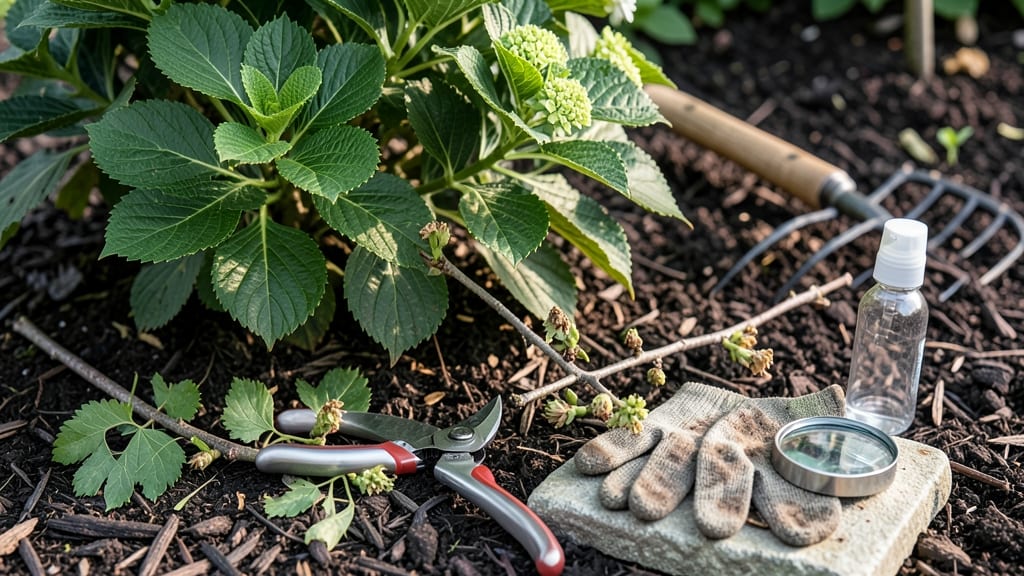
Pruning big leaf hydrangeas in fall isn’t just about shaping—it’s about setting them up for next year’s showstopper blooms while protecting them from winter’s worst.
I learned this the hard way when my hydrangeas produced half the flowers after a late prune, but now I time it just right for maximum impact. The key is working after blooms fade but before hard frost, giving plants time to heal before dormancy.
You’ll need sharp bypass pruners, a pair of gloves, and a clear day when temperatures stay above 40°F. Focus on removing 10-20% of the plant’s growth—cutting back to just above a set of leaves or a bud.
Avoid heavy pruning in colder zones (USDA 5-6) where frost can damage new growth; instead, wait until early spring. The goal is to open up the center for airflow while preserving next year’s flower buds.
What you’ll end up with is a hydrangea that blooms earlier, stays healthier through winter, and produces more vibrant flowers than ever. The secret’s in the timing: prune too early, and you risk losing next year’s blooms; too late, and frost can damage tender growth.
Mulch heavily after pruning to insulate roots, and watch your hydrangeas reward you with lush, long-lasting color.
This method works for all big leaf varieties, from classic ‘Endless Summer’ to deep purple ‘Nikko Blue.’ Whether you’re in a mild coastal climate or a harsh Midwest winter, the principles stay the same—just adjust your timing. Here’s how to do it right the first time.
📚 In This Guide
- What you need
- Instructions
- Tips and common mistakes
- Wrapping up and next steps
What you need
- ● Pruning shears or loppers – Choose bypass pruners (sharp, clean cuts) for smaller stems or loppers (18–24" handles) for thicker branches. Disinfect blades with rubbing alcohol to prevent disease spread. 💡
- ● Hand pruners – For delicate trimming of small shoots (4–6" blades).
- ● Garden gloves – Heavy-duty, cut-resistant gloves (size medium/large) to protect hands from thorns and rough stems.
- ● Ladder or step stool – If your hydrangea is over 6 feet tall, use a stable, non-slip ladder (extension ladder for taller plants).
- ● Rake or broom – For clearing fallen leaves/debris after pruning.
- ● Garden twine or zip ties – To secure heavy branches if needed during pruning.
- ● Sharpie or permanent marker – To label stems if you’re experimenting with color changes (e.g., marking branches for future blooms).
- ● Pruning saw – For thick, woody stems (8–10" blade).
- ● Disposable pruning sealant – To coat large cuts (controversial; skip if unsure!).
- ● Wheelbarrow or bucket – For hauling clippings to compost.
- ● Plant food (balanced fertilizer) – Like 10-10-10 or rose fertilizer to feed the hydrangea post-prune (apply in early spring).
- ● Camera or phone – Snap photos of your pruning plan for reference!
Step-by-Step instructions for pruning big leaf hydrangeas in fall
Fall is the perfect time to refresh your big leaf hydrangeas—here’s how to do it right for vibrant blooms next season.
Identify Last Year’s Blooms and Dead Growth
Big leaf hydrangeas bloom on old wood, meaning last year’s stems produce this year’s flowers. Look for branches with brown, leafless stems that have already flowered—they’re ready for removal. These stems are typically 1-2 inches in diameter and show no signs of new buds.
I always start by examining the plant from a distance to spot clusters of dried flowers. Grab a pair of clean pruners and cut these stems back to the ground. This clears dead growth and makes room for next year’s blooms. If you’re unsure, check for small buds forming at the base of stems—these indicate new growth and should stay.
Thin Out Crowded or Weak Stems
Next, focus on the plant’s structure. Remove any thin, spindly, or crossing branches that compete for energy. These stems often produce fewer flowers and can block airflow, inviting pests or disease. Aim to keep the strongest, thickest stems—typically 3-5 main branches for a mature plant.
I like to step back every few cuts to visualize the plant’s shape. Big leaf hydrangeas thrive with an open, airy form, so avoid overcrowding. Cut back weak stems to the ground or to a strong side branch. If a branch is less than pencil-thick, it’s likely not contributing much and can go.
Lightly Prune for Shape and Airflow
Now, give the plant a gentle shape-up. Use your pruners to trim back any overly long or leggy branches by about 1/3 of their length. This encourages bushier growth and more blooms. Focus on branches that are growing inward or rubbing against others—these need to go for better airflow.
I avoid heavy pruning at this stage; the goal is to refine, not reshape drastically. Cut just above a leaf node or outward-facing bud to encourage growth in the right direction. If you’re unsure where to cut, imagine the plant’s natural form and trim to enhance it.
Clean Up and Protect for Winter
After pruning, remove all debris from the base of the plant. This prevents pests and diseases from overwintering. I like to rake up fallen leaves and trim back any low-hanging branches that could trap moisture. Next, apply a 2-3 inch layer of mulch around the base, keeping it 6 inches away from the stem.
Finally, give the plant one last deep watering before winter sets in. This helps hydrangeas establish roots for spring growth. If your climate gets particularly cold, consider wrapping young plants with burlap or using frost blankets for extra protection. Big leaf hydrangeas are hardy, but a little help ensures they bounce back stronger.
Tips & tricks for perfect fall hydrangea pruning
Pruning big leaf hydrangeas in fall might seem intimidating, but these simple tricks will help you avoid common mistakes and set your plant up for stunning blooms next season.
Visual Cues for Step 1: When identifying last year’s blooms in Step 1, look for stems that are completely brown and leafless—these are ready for removal. The key is to check for small buds at the base of stems, which indicate new growth and should remain. I always run my fingers along the stem to feel for these buds; they’re usually about the size of a pea and feel slightly raised. If you’re still unsure, snap a small section of the stem—if it’s green inside, leave it; if it’s brown, it’s time to prune.
Structural Focus in Step 2: In Step 2, when thinning crowded or weak stems, remember that big leaf hydrangeas thrive with an open structure. Aim for 3-5 main branches and focus on removing branches that are less than pencil-thick. These thin stems often produce fewer flowers and can block airflow, which is crucial for preventing disease. I like to step back every few cuts to visualize the plant’s shape—this helps me see how each cut contributes to the overall form.
Pruning Technique in Step 3: For Step 3, when lightly pruning for shape, always cut just above a leaf node or outward-facing bud. This encourages growth in the right direction and helps maintain the plant’s natural form. If you’re unsure where to cut, imagine drawing an invisible line from the center of the plant outward—this helps guide your cuts. Avoid cutting at sharp angles, as this can create entry points for pests and diseases.
Seasonal Care in Step 4: After pruning, don’t forget the importance of the 2-3 inch layer of mulch in Step 4. This layer helps insulate the roots and retain moisture, which is especially important during winter. I also recommend watering deeply before the first hard frost, as this helps the plant establish roots for spring growth. If your climate is particularly cold, consider wrapping young plants with burlap to provide extra protection.
Pro Tips for Prune Big Leaf Hydrangeas In Fall
- Pruning big leaf hydrangeas in fall might seem intimidating, but these simple tricks will help you avoid common mista...
- Visual Cues for Step 1: When identifying last year’s blooms in Step 1, look for stems that are completely brown and l...
- Structural Focus in Step 2: In Step 2, when thinning crowded or weak stems, remember that big leaf hydrangeas thrive ...
Frequently asked questions
Got questions about pruning your big leaf hydrangeas in the fall? You’re not alone! Here are some of the most common concerns—and clear answers—to help you prune with confidence.
When is the exact best time to prune big leaf hydrangeas in fall?
Prune after the first hard frost (usually late October to November) when the plant is dormant but still above freezing. This timing prevents stress and ensures no new growth before winter. If you’re in a mild climate, wait until early December. Avoid pruning too early—you risk encouraging tender new shoots that won’t survive frost.
Do I need to sterilize my pruners before and after pruning?
Sterilizing your tools with rubbing alcohol or a 10% bleach solution (1 part bleach to 9 parts water) prevents spreading diseases like powdery mildew or bacterial leaf spot. Wipe blades before cutting into healthy stems and after finishing. Think of it like washing your hands—it’s a small step for big results!
What if I accidentally prune too much—will my hydrangea survive?
Big leaf hydrangeas are resilient, but over-pruning (removing more than ⅓ of the plant) can set back blooms for a season. If you’ve gone overboard, don’t panic! Focus on healthy stems next year, and avoid heavy pruning for 12 months. They’ll bounce back stronger—just like a phoenix (but less dramatic).
Can I prune big leaf hydrangeas in spring instead of fall?
Yes, but with a twist! Spring pruning (February–March) works, but you’ll sacrifice that season’s blooms because flowers form on old wood. If you prefer spring pruning, cut back only dead or damaged stems. Fall pruning is ideal for shaping and prepping for next year’s blooms—so if you can, do both!
What should I do if my hydrangea leaves turn brown after pruning?
Brown leaves post-pruning are usually normal—it’s the plant’s way of shedding old growth. However, if leaves look crispy or covered in spots, it could signal frost damage or disease. Remove affected leaves promptly, and avoid pruning until spring if you suspect illness. A light layer of mulch can also protect roots over winter.
Pro Tip Table: Quick Fall Pruning Checklist
| Step | Do This | Avoid This |
|---|---|---|
| Timing | Wait until after first frost (or early Dec. in mild zones). | Pruning in late summer or early fall (risks new growth). |
| Tools | Sterilize pruners with alcohol or bleach. | Using dull or dirty tools (spreads disease!). |
| Cuts | Cut just above a bud or lateral branch. | Leaving stubs or tearing stems. |
| Cleanup | Remove all debris and sterilize tools again. | Leaving clippings on the ground (attracts pests). |
Wrapping up and next steps
Pruning your big leaf hydrangeas in fall is your secret weapon for vibrant, long-lasting blooms next season! By removing dead wood, thinning crowded stems, and shaping with care, you’re setting the stage for a showstopping spring and summer display.
Remember—patience and precision pay off, so take your time and enjoy the process. 🌸
Now that you’re armed with the know-how, grab those pruners and give your hydrangeas the TLC they deserve! For extra flair, consider mulching or fertilizing lightly before winter to boost next year’s growth. Happy pruning—your future blooms will thank you! 🌿✨