
Shrubs
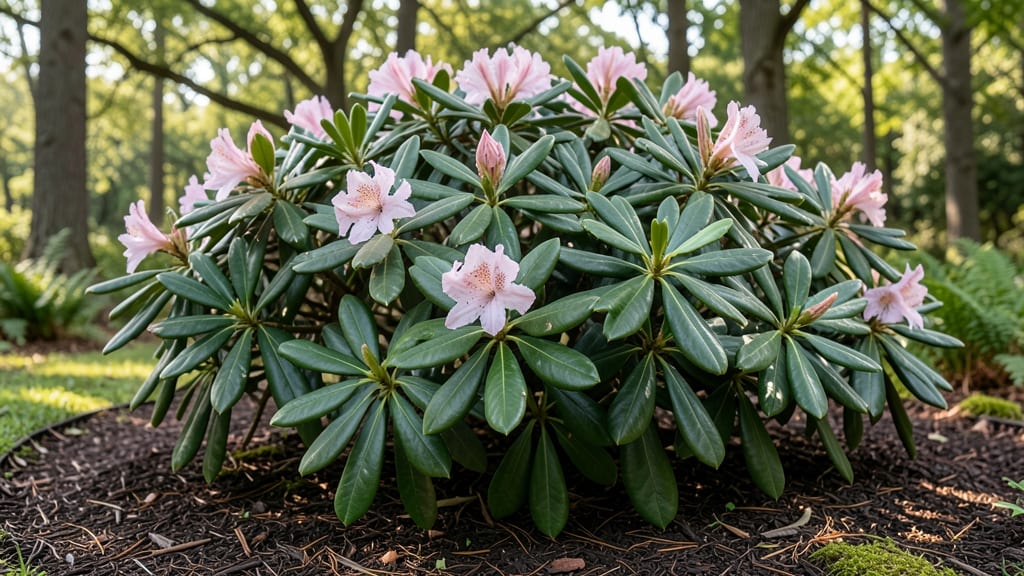
Big leaf rhododendrons transform your yard into a lush, evergreen masterpiece—if you get the soil right. 🌿 I’ve wrestled with these picky plants for years, and the difference between thriving foliage and sad, yellowing leaves comes down to one thing: acid-loving soil that mimics their Pacific Northwest homeland.
Skip the alkaline garden mix, and you’ll spend years chasing chlorosis instead of admiring glossy leaves year-round.
These shrubs demand morning sun and afternoon shade, so don’t plant them in full blazing afternoon heat—especially in hotter zones. They also need consistent moisture, but soggy roots are just as deadly.
Think of them like a fussy houseplant that refuses to wilt: too dry, and they droop; too wet, and they rot. Mulch heavily with pine needles or bark to keep roots cool and moist, and you’ll see why gardeners obsess over them.
Pruning is where most people mess up—never trim in late summer or fall, as new growth won’t harden off before winter. Instead, shape lightly after blooms fade in spring, and you’ll encourage dense, vibrant foliage.
With the right care, your big leaf rhododendron will reward you with 10-foot-tall drama, fragrant spring blooms, and leaves that stay rich green even when neighbors’ plants turn brown.
For propagation, layering in early summer works best—just bend a low branch to the ground, weigh it down, and wait for roots to form. And if your leaves turn yellow?
Test your soil pH—it’s almost always the culprit. These shrubs aren’t for beginners, but once you crack the code, they’re the backbone of a low-maintenance, high-impact garden.
📚 In This Guide
- What you need
- Instructions
- Tips and common mistakes
- Wrapping up and next steps
What you need
- ● Big leaf rhododendron plants: 1–3 mature plants (3–5 ft tall) or 5–10 young nursery-grown specimens (1–2 ft tall). Choose acid-loving cultivars like 'Alice,' 'Bow Bells,' or 'Roseum Elegans.'
- ● High-quality acidic soil: 5–10 cubic yards of peat moss or pine bark fines (pH 4.5–6.0). Mix 1 part soil with 2 parts organic matter (e.g., composted leaves or pine needles).
- ● Organic mulch: 2–3 inches of pine straw, cedar chips, or leaf mold to retain moisture and acidify soil.
- ● Slow-release fertilizer: 1 lb of acid-loving plant fertilizer (e.g., 10-10-10 or OsmoCote for acid soil).
- ● Watering supplies: Garden hose with a soaker hose or drip irrigation system (critical for deep watering).
- ● Digging tools: Garden trowel, transplant spade, and pruning shears (sterilized with rubbing alcohol).
- ● pH testing kit: Digital meter or soil test kit to verify acidity (aim for pH 5.0–5.5).
- ● Gloves & protective gear: Heavy-duty gardening gloves and knee pads (big leaf rhododendrons have mildly irritating sap!).
- ○ Optional (but helpful!): Mulch spreader for even coverage.
- ● Shade cloth (30–50%) if planting in hot climates.
- ● Epsom salt (magnesium sulfate) for yellowing leaves (1 tbsp per gallon of water, applied monthly).
- ● Location: Partial shade (4–6 hours of dappled sunlight daily). Avoid harsh afternoon sun.
- ● Climate: USDA Zones 6–9. Protect young plants from winter winds in colder zones.
- ● Water access: Consistent moisture (never let soil dry out completely).
- ● Patience: Big leaf rhododendrons grow slowly—expect 1–2 ft of growth per year.
Step-by-step guide to planting and caring for big leaf rhododendrons
Here's how to grow these stunning evergreens with lush foliage that stays beautiful year-round.
🌱 Step 1: Choose the Perfect Planting Location
Big leaf rhododendrons thrive in partial shade with morning sun and afternoon shade—think dappled light under tall trees or on an east-facing slope. Avoid harsh afternoon sun, which can scorch those delicate leaves. I always test the spot by checking if it stays moist but well-drained, as soggy roots will kill them.
If your yard only offers full sun, plant near a north-facing wall or create shade with a tall evergreen like a fir. These plants hate hot, dry spots, so mulch heavily (we'll cover that next) to keep roots cool. Watch for leaves that turn yellow or crisp at the edges—that's your sign the sun is too intense.
💧 Step 2: Prepare Acidic, Well-Draining Soil
Dig a hole twice as wide as the root ball but only as deep—planting too deep suffocates the roots. Work 2-3 inches of peat moss or pine bark fines into the native soil to lower the pH to 4.5-5.5, which rhododendrons crave. I mix in a handful of sulfur granules for extra acidity if my soil tests higher.
Never use garden soil from your yard—it's usually too alkaline. Amend until the mix feels light and fluffy, like a damp sponge. Add a slow-release acid-loving plant fertilizer at planting time to give roots a nutrient boost. Water the hole thoroughly before placing the plant in—this prevents air pockets around the roots.
☀️ Step 3: Plant and Mulch for Year-Round Protection
Gently remove the plant from its container and loosen any circling roots with your fingers. Place it in the hole so the top of the root ball sits 1 inch above ground level—this prevents rot during heavy rains. Backfill with your amended soil, pressing lightly to eliminate air gaps.
Spread 3-4 inches of pine bark mulch over the root zone, keeping it 6 inches away from the trunk to prevent rot. Mulch retains moisture and keeps roots cool in summer. Water deeply right after planting to settle the soil, then again in 3-4 days when the top inch feels dry. Avoid overhead watering—it can cause fungal diseases on those broad leaves.
✂️ Step 4: Prune and Maintain for Healthy Growth
Prune in late winter or early spring before new growth appears. Remove dead or crossing branches first, then shape by cutting just above a bud or leaf joint. Never trim more than 1/3 of the plant at once—big leaf rhododendrons hate aggressive pruning. I always sterilize my pruners with rubbing alcohol between cuts to prevent spreading disease.
Fertilize in early spring with an acid-loving plant food, then again in mid-summer if you notice pale leaves. These plants are heavy feeders but sensitive to over-fertilizing. Water 1-2 times per week in dry spells, aiming for 1 inch of water per week. Yellowing leaves usually mean too much water—let the top 2 inches of soil dry out between waterings.
🪴 Step 5: Protect and Enjoy Year-Round Beauty
In winter, give extra protection if your area gets cold snaps below 10°F. Wrap the base with burlap and add a 3-inch layer of mulch to insulate roots. Avoid heavy snow buildup on branches—tap it off gently to prevent breakage.
Big leaf rhododendrons reward patience with vibrant foliage and occasional spring blooms. Watch for aphids or spider mites on the undersides of leaves—spray with neem oil if you see sticky residue or webbing. With proper care, these plants will thrive for decades, becoming the centerpiece of your shade garden.
Tips & tricks for perfect big leaf rhododendron growth
These simple yet game-changing tips will help your big leaf rhododendrons thrive for decades.
Location Scouting: Before planting, spend a full day observing potential spots. Check the light conditions at different times—morning sun is ideal, but harsh afternoon rays will scorch those delicate leaves. I always look for areas where the soil stays consistently moist but not soggy. A simple test: dig a small hole and fill it with water—if it drains within 30 minutes, it's perfect.
Soil Test First: Never skip testing your soil's pH before amending. Big leaf rhododendrons need that 4.5-5.5 range, and your native soil might already be too alkaline. I use a simple home test kit—if it reads higher than 6.0, you'll need to add more peat moss and sulfur granules than you think. The goal is to create that light, fluffy texture that mimics their natural forest floor habitat.
Planting Depth Secret: That 1-inch above ground level rule is critical—planting too deep suffocates the roots by preventing oxygen flow. I always mark the top of the root ball with a pencil before removing it from the pot. After planting, gently press the amended soil around the roots to eliminate air pockets, but don't compact it like you would for vegetables.
Winter Protection Upgrade: When temperatures drop below 10°F, don't just add mulch—create a protective barrier. Wrap the base with burlap and add a 3-inch layer of straw on top of the existing mulch. This extra insulation prevents frost from penetrating the roots. I also gently tap off heavy snow buildup to avoid branch breakage—never shake the plant, as this can damage the delicate stems.
Pro Tips for Big Leaf Rhododendron
- These simple yet game-changing tips will help your big leaf rhododendrons thrive for decades.
- Location Scouting: Before planting, spend a full day observing potential spots. Check the light conditions at differe...
- Soil Test First: Never skip testing your soil's pH before amending. Big leaf rhododendrons need that 4.5-5.5 range, a...
Frequently asked questions
Got questions about growing big leaf rhododendrons? You’re not alone! Here are some of the most common queries—plus straightforward answers to help you cultivate a thriving, year-round beauty.
How do I know if my big leaf rhododendron is getting enough sunlight?
Big leaf rhododendrons thrive in partial shade—think dappled sunlight or morning sun with afternoon shade. Too much direct sun (especially in hot climates) can scorch leaves, while too little light may weaken growth. Watch for yellowing leaves or leggy stems as signs to adjust placement. A north- or east-facing spot is ideal in most regions!
When is the best time to plant a big leaf rhododendron?
The golden window is early fall or late winter (before buds swell). This gives roots time to establish before summer heat or winter cold. Avoid planting in peak summer or deep winter—both stress the plant. Pro tip: Soak the root ball before planting and mulch heavily to retain moisture.
Why are the edges of my rhododendron leaves turning brown?
Brown, crispy edges often signal underwatering or dry air, but they can also hint at over-fertilizing (especially with salt-based fertilizers) or fungal issues like leaf spot. Check soil moisture—it should stay evenly damp (not soggy). For extra humidity, group plants together or use a pebble tray under pots.
Are there any common pests or diseases I should watch for?
Big leaf rhododendrons can attract lace bugs (tiny pests that cause stippled leaves) and root rot in poorly drained soil. Prevent lace bugs with neem oil sprays and improve drainage by amending soil with compost. Avoid wetting foliage when watering to deter fungal diseases like powdery mildew. Regularly inspect leaves for early signs!
Can I grow big leaf rhododendrons in containers? What’s the best setup?
Use a large container (at least 15–20 gallons) with well-draining soil mixed with peat moss or pine bark. Ensure pots have drainage holes and choose a lightweight mix (like 50% soil, 30% perlite, 20% compost). Move containers to shaded spots in summer and protect from freezing temps in winter with burlap wraps or frost cloth.
Wrapping up and next steps
The big leaf rhododendron is a stunning, low-maintenance shrub that brings year-round beauty to your garden with its lush foliage and vibrant blooms. Whether you're a seasoned gardener or just starting out, its adaptability makes it a fantastic choice for adding color and texture to any landscape.
Ready to transform your outdoor space? Start by selecting the perfect location, gathering your supplies, and planting with care—your future garden masterpiece awaits!
Pro Tip: 🌱 Don’t wait—spring or early fall is the ideal time to plant!—and soon, you’ll be enjoying the rewards of your hard work.